
In an era defined by rapid technological advancement, the role of a lab technician has evolved far beyond manual pipetting and basic observations. Today, these indispensable professionals are at the forefront of scientific discovery, operating and leveraging an intricate ecosystem of cutting-edge technology, sophisticated software, and complex instrumentation. Their daily responsibilities are deeply rooted in understanding, applying, and often troubleshooting the very tools that make modern science possible. This article delves into the multifaceted world of a lab technician, emphasizing their critical connection to technology across various scientific domains.
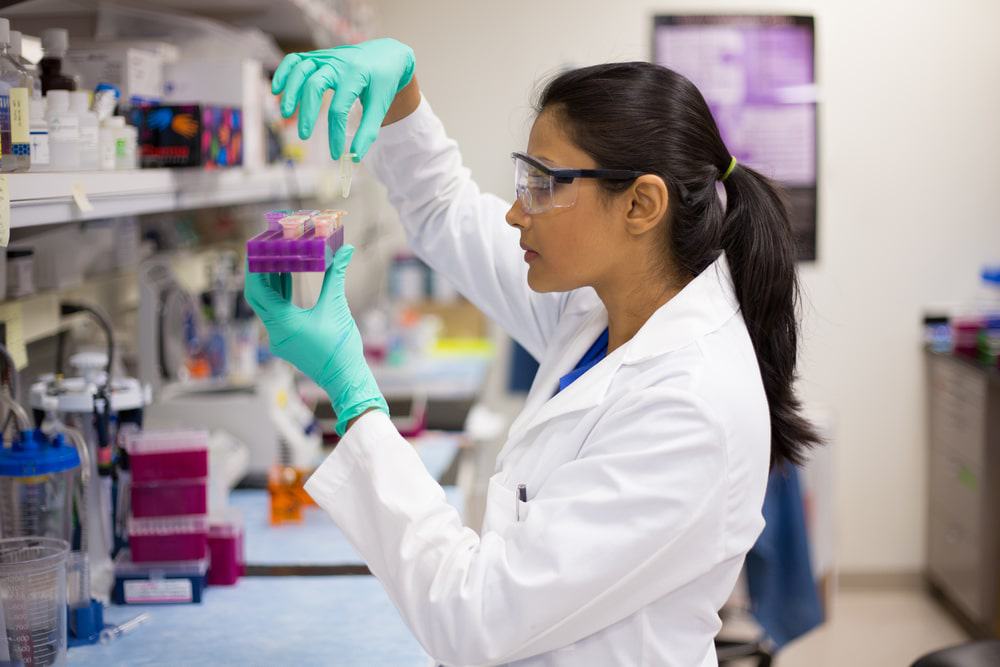
The Core Role: Operating and Maintaining Advanced Scientific Technology
At its heart, a lab technician’s job is about precise execution and meticulous care in a technologically rich environment. They are the skilled operators who bring experiments to life, ensuring that the sophisticated machinery of science functions optimally and produces reliable data. This demands a profound understanding of not just scientific principles, but also the engineering and software that drive laboratory equipment.
Precision Operation of Analytical Instruments
Lab technicians are proficient in handling a diverse array of high-tech analytical instruments, each designed for specific scientific inquiries. Consider the spectrophotometer, a device crucial for measuring the absorbance or transmittance of light through a sample, providing insights into concentration or purity. A technician must know how to calibrate it, prepare samples accurately, run the analysis, and interpret the raw data. Similarly, chromatographs—such as Gas Chromatography (GC) or High-Performance Liquid Chromatography (HPLC)—are used to separate and identify components in complex mixtures. Operating these machines involves intricate knowledge of column chemistry, detector settings, and software-driven data acquisition.
Beyond chemical analysis, molecular biology labs rely heavily on Polymerase Chain Reaction (PCR) machines for DNA amplification, gel electrophoresis systems for separating nucleic acids or proteins, and sophisticated centrifuges for isolating cellular components. Each piece of equipment comes with its own set of operational protocols, software interfaces, and potential technical quirks that only an experienced technician can navigate efficiently. Their ability to precisely execute experiments using these tools is paramount to generating valid scientific findings, forming the bedrock for research, diagnostics, and quality control across industries.
Calibration and Maintenance: Ensuring Data Integrity and Equipment Longevity
The reliability of scientific data hinges directly on the accurate functioning of laboratory equipment. This is where a lab technician’s role in calibration and preventative maintenance becomes critical. Calibration involves adjusting an instrument to ensure its measurements are accurate against a known standard. For example, pH meters, balances, and thermometers require regular calibration to provide trustworthy readings. Technicians meticulously follow Standard Operating Procedures (SOPs) for these tasks, documenting every step to maintain an auditable record of equipment performance.
Beyond calibration, lab technicians perform routine maintenance, which can range from cleaning optical components of a microscope to replacing filters in a vacuum pump or replenishing reagents in an automated analyzer. They are often the first line of defense against equipment failure, proactively identifying signs of wear and tear, and performing minor repairs. This proactive approach not only extends the lifespan of expensive scientific instruments but also minimizes downtime, ensuring that research and diagnostic workflows remain uninterrupted. Their vigilance in maintenance directly contributes to the integrity and reproducibility of experimental results, a cornerstone of scientific methodology.
Troubleshooting and Problem-Solving with Lab Equipment
Despite diligent maintenance, technical issues inevitably arise. When a PCR machine displays an error code, an HPLC chromatogram shows unexpected peaks, or a microscope yields blurry images, it is the lab technician who often takes on the role of detective. Their in-depth understanding of the instrument’s operational principles, coupled with a systematic troubleshooting approach, enables them to diagnose problems. This might involve checking power connections, reviewing software settings, inspecting for blockages, or methodically testing components.
Effective troubleshooting requires not just technical knowledge but also critical thinking and problem-solving skills. Technicians often consult equipment manuals, online forums, or communicate with technical support teams from manufacturers. Their ability to efficiently identify and resolve instrument malfunctions is crucial for preventing delays in research projects, ensuring timely diagnostic results, and minimizing the financial impact of extensive repairs or replacements. In essence, they are the technical guardians of the lab, ensuring the smooth, continuous operation of its sophisticated technological infrastructure.
Data Management and Digital Proficiency in the Modern Lab
The output of modern lab work is not just physical samples or visual observations, but vast quantities of digital data. Lab technicians are increasingly integral to the entire data lifecycle, from acquisition and processing to secure storage and insightful reporting. This demands significant digital proficiency and an understanding of data management best practices.
Software Applications for Data Acquisition and Analysis
Almost every modern piece of lab equipment comes integrated with proprietary software for controlling experiments, acquiring raw data, and performing initial processing. Lab technicians are adept at navigating these interfaces, setting up experimental parameters, monitoring runs, and extracting relevant data files. Beyond instrument-specific software, they frequently utilize more general scientific software tools. This includes statistical packages (e.g., R, SPSS, GraphPad Prism) for analyzing experimental results, spreadsheet programs (e.g., Excel) for organizing data, and specialized applications for specific tasks, such as sequencing analysis or image processing.
Many labs also employ Laboratory Information Management Systems (LIMS), which are sophisticated software solutions designed to manage samples, experiments, results, and workflows. Technicians use LIMS to log samples, track their progress through various analytical steps, record results, and generate reports. Proficiency in these systems is vital for maintaining an organized, traceable, and efficient laboratory operation, transforming raw data into actionable insights.
Ensuring Data Security and Compliance in Digital Records
The digital nature of laboratory data introduces critical considerations for security and compliance. Lab technicians play a direct role in maintaining the integrity and confidentiality of experimental results, patient information, and intellectual property. This involves understanding and adhering to data security protocols, such as proper password management, secure file storage practices, and data backup procedures. They are often responsible for ensuring that data is correctly timestamped, attributed, and archived according to regulatory guidelines (e.g., GLP – Good Laboratory Practice, HIPAA – Health Insurance Portability and Accountability Act in healthcare settings).
Compliance also extends to ethical data handling, ensuring that data is not manipulated or misrepresented. Technicians are trained in audit trails, which track every modification made to a digital record, providing transparency and accountability. Their diligent adherence to these digital security and compliance frameworks is essential for maintaining scientific credibility, protecting sensitive information, and meeting regulatory requirements, underscoring the vital role of digital security in modern lab operations.
Interpreting and Reporting Results Using Digital Tools
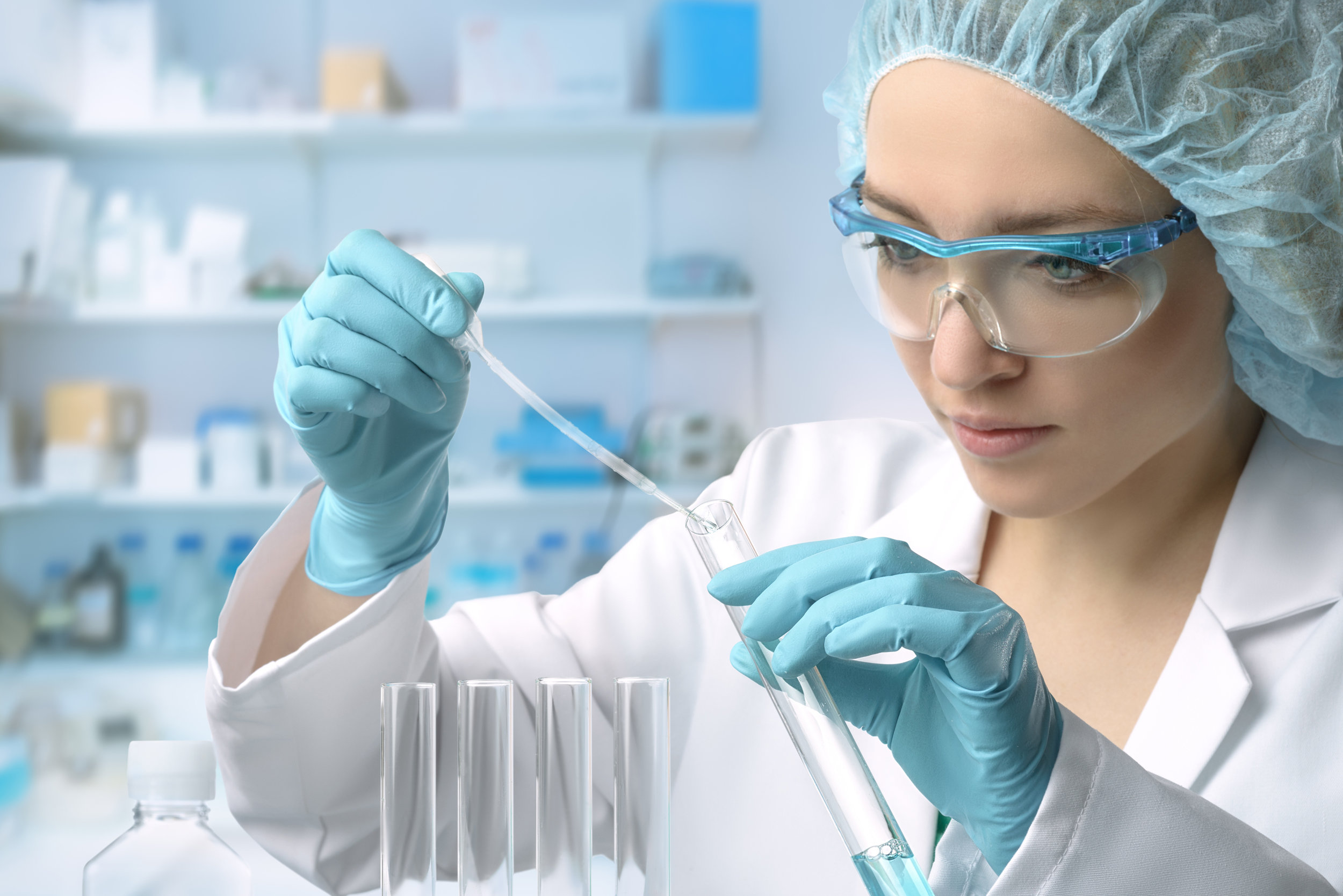
After data acquisition and initial analysis, lab technicians often contribute to the interpretation and reporting of results. They use various digital tools to transform raw numbers into meaningful information. This can involve generating graphs, charts, and tables using data visualization software, which helps in identifying trends, anomalies, and significant findings. They might also draft preliminary reports, summarizing experimental procedures, results, and observations, often utilizing word processors and presentation software.
In clinical settings, technicians compile diagnostic reports using specialized software, ensuring accuracy and adherence to established formats. Their ability to clearly and concisely communicate complex scientific information, supported by digitally generated visuals and reports, is a valuable skill. This not only aids senior scientists and researchers in their decision-making but also contributes to effective knowledge dissemination within and outside the laboratory.
The Evolving Landscape: Automation, AI, and Future Tech in the Lab
The laboratory environment is dynamic, constantly adapting to new scientific discoveries and technological innovations. Lab technicians are at the forefront of this evolution, embracing and integrating the next generation of lab technology, from robotics to artificial intelligence.
Embracing Laboratory Automation Systems and Robotics
The drive for increased efficiency, reproducibility, and throughput has led to the widespread adoption of laboratory automation systems and robotics. Lab technicians are increasingly responsible for programming, operating, and overseeing these automated platforms. This can range from robotic liquid handlers that perform high-throughput screening of samples to automated plate readers and sample preparation systems that minimize human error and accelerate workflows.
Working with automation requires a different skill set than traditional bench work. Technicians need to understand how to design and optimize automated protocols, troubleshoot robotic malfunctions, and integrate different automated modules into a cohesive workflow. They act as “supervisors” of these robotic assistants, ensuring they perform tasks accurately and efficiently. This shift towards automation frees technicians from repetitive tasks, allowing them to focus on more complex analysis, method development, and critical thinking, thereby elevating their role within the lab.
The Impact of Artificial Intelligence and Machine Learning on Lab Workflows
Artificial intelligence (AI) and machine learning (ML) are beginning to revolutionize various aspects of laboratory work, and lab technicians will be key players in their implementation. AI algorithms can be used for advanced image analysis (e.g., pathology slides, cell cultures), predictive modeling in drug discovery, and optimizing experimental design. ML models can sift through vast datasets generated by high-throughput experiments, identifying patterns and insights that human analysis might miss.
For lab technicians, this means an evolving role where they will likely interact with AI-powered analytical tools, assist in curating data for training ML models, and interpret AI-generated insights. While AI won’t replace the need for skilled technicians, it will augment their capabilities, making their work more sophisticated and insightful. Understanding the basic principles of AI/ML, and how to effectively leverage these tools, will become an increasingly valuable skill for future lab professionals.
Continuous Learning and Adapting to Emerging Scientific Technologies
Given the relentless pace of technological change in science, a defining characteristic of a successful lab technician is their commitment to continuous learning and adaptability. New instruments, software versions, analytical techniques, and digital tools are constantly emerging. Technicians must stay abreast of these developments through ongoing training, workshops, scientific literature, and professional development programs.
This commitment to lifelong learning is not just about keeping up; it’s about being proactive in adopting new technologies that can enhance laboratory efficiency, accuracy, and scientific output. Whether it’s mastering a new gene-editing technology, learning a new programming language for data analysis, or understanding the implications of blockchain for data traceability, the ability to rapidly acquire and apply new technological skills is paramount. Lab technicians are not merely users of technology; they are active participants in its evolution within the scientific landscape.
Beyond the Bench: Essential Tech Skills for Career Advancement
For lab technicians aiming for career growth, proficiency in a broader range of technological skills extends their impact beyond routine experimental work and opens doors to more specialized and leadership roles.
Proficiency in Lab Information Management Systems (LIMS)
Advanced proficiency in LIMS is crucial for career progression. Beyond basic data entry, understanding how to configure LIMS, customize reports, manage user permissions, and even troubleshoot system issues can elevate a technician to a LIMS administrator or super-user role. These roles are vital for maintaining the digital backbone of the laboratory, ensuring data integrity, compliance, and streamlined workflows. Such expertise positions a technician as a critical resource, bridging the gap between scientific operations and IT infrastructure.
Understanding Cybersecurity Best Practices in a Lab Environment
With increasing digitalization, cybersecurity risks are a growing concern for laboratories, especially those handling sensitive patient data or proprietary research. A lab technician with a strong understanding of cybersecurity best practices—including identifying phishing attempts, managing secure network access, protecting intellectual property, and ensuring data privacy—becomes an invaluable asset. They can champion secure digital practices within the lab, contributing to risk mitigation and compliance with regulations such like GDPR or HIPAA. This specialized knowledge demonstrates a commitment to safeguarding critical digital assets.
Developing Software Skills for Custom Scripting and Data Visualization
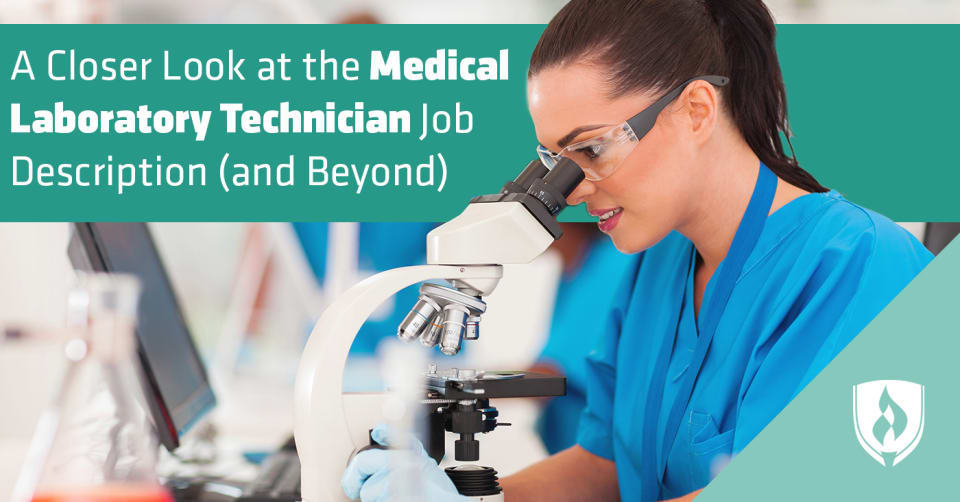
For technicians looking to transition into research support, data analysis, or even R&D roles, developing skills in custom scripting (e.g., Python, R) for data processing and automation can be a game-changer. These skills allow them to automate repetitive data manipulation tasks, perform complex statistical analyses not available in standard software, or create custom data visualizations that highlight specific aspects of experimental results. The ability to write scripts or develop bespoke tools showcases advanced problem-solving capabilities and a deep understanding of data, positioning them as innovators capable of enhancing the lab’s analytical capabilities through technological solutions.
In conclusion, the modern lab technician is an integral component of the scientific technology ecosystem. Their expertise in operating, maintaining, troubleshooting, and leveraging advanced instrumentation and software is fundamental to scientific discovery, quality control, and diagnostic accuracy. As technology continues to advance, the role of the lab technician will only grow in sophistication, demanding continuous learning and a steadfast commitment to technological proficiency. They are, in essence, the skilled hands and minds that drive the tech-powered engine of scientific progress.
aViewFromTheCave is a participant in the Amazon Services LLC Associates Program, an affiliate advertising program designed to provide a means for sites to earn advertising fees by advertising and linking to Amazon.com. Amazon, the Amazon logo, AmazonSupply, and the AmazonSupply logo are trademarks of Amazon.com, Inc. or its affiliates. As an Amazon Associate we earn affiliate commissions from qualifying purchases.