
The Great Sphinx of Giza stands as an unparalleled monument, not just of stone and history, but of enduring brand power. When we ask “what did the Sphinx originally look like?”, we’re not merely inquiring about its physical dimensions or pristine façade. We’re delving into its foundational brand identity – the meticulously crafted image, message, and symbolic meaning intended by its creators. This ancient icon, with its human head and lion body, offers a masterclass in building a brand that transcends millennia, weathering not only the desert sands but also the shifting tides of culture, interpretation, and perception. For brand strategists, marketers, and corporate identity specialists, understanding the “original look” of the Sphinx reveals timeless principles for creating a legacy brand.

The Dawn of an Icon: Crafting the Original Brand Message
The genesis of the Great Sphinx was no accident; it was a deliberate act of profound brand building, conceived to communicate power, divinity, and enduring authority. Its colossal scale and strategic placement were designed to make an indelible statement, a visual manifesto carved into the bedrock of the Giza plateau.
Genesis of Myth and Meaning
The original look of the Sphinx was a potent amalgamation of distinct symbols, each chosen for its established cultural resonance. The human head, believed to represent Pharaoh Khafre (the builder of the second pyramid at Giza), brought intelligence, wisdom, and royal authority to the fore. It humanized the colossal structure, connecting the divine with the earthly ruler. Simultaneously, the powerful, recumbent lion body conveyed untamed strength, ferocity, and regal majesty. The fusion of these two entities – pharaoh and beast – was a sophisticated branding move. It didn’t just depict a ruler; it elevated him to a divine, protective force.
This composite imagery wasn’t merely decorative; it was a carefully constructed narrative. The Sphinx embodied the pharaoh’s divine right to rule, his protective gaze over his kingdom, and his connection to the sun god Ra. It was a tangible manifestation of a complex theological and political ideology. For the ancient Egyptians, the Sphinx was not just a statue; it was a living embodiment of protection and power, a guardian of sacred space, and a testament to the pharaoh’s eternal dominion. This intricate layering of meaning into a single, iconic form laid the groundwork for a brand identity rich in symbolism and gravitas.
Positioning in the Ancient World
From a branding perspective, the Great Sphinx was masterfully positioned within its “market”—the ancient Egyptian kingdom and its sphere of influence. Its sheer size, approximately 240 feet long and 66 feet high, was a form of ancient “out-of-home advertising” unmatched in its era. It commanded attention, evoking awe and submission from anyone who approached the Giza necropolis. This was not a subtle message; it was a declaration of supreme authority, permanence, and invincibility.
Furthermore, its strategic location adjacent to the pyramids, particularly Khafre’s pyramid, reinforced its role. It served as a vigilant guardian, a sentinel overseeing the eternal resting places of the pharaohs. This strategic placement created a unified corporate identity for the entire Giza complex, branding it as a sacred and powerful landscape. The Sphinx wasn’t just a monument; it was the gateway, the protector, the face of this unparalleled dynastic power. Its “original look” was designed to be unmistakable, unforgettable, and profoundly impactful, solidifying the pharaoh’s brand image for eternity.
Erosion and Evolution: The Shifting Sands of Brand Perception
No brand, however meticulously crafted, remains immune to the passage of time. The Sphinx, exposed to millennia of wind, sand, and cultural shifts, offers invaluable lessons on how an iconic brand weathers physical degradation and adapts to evolving perceptions while striving to retain its core essence.
Weathering the Ages: Physical Degradation vs. Brand Resilience
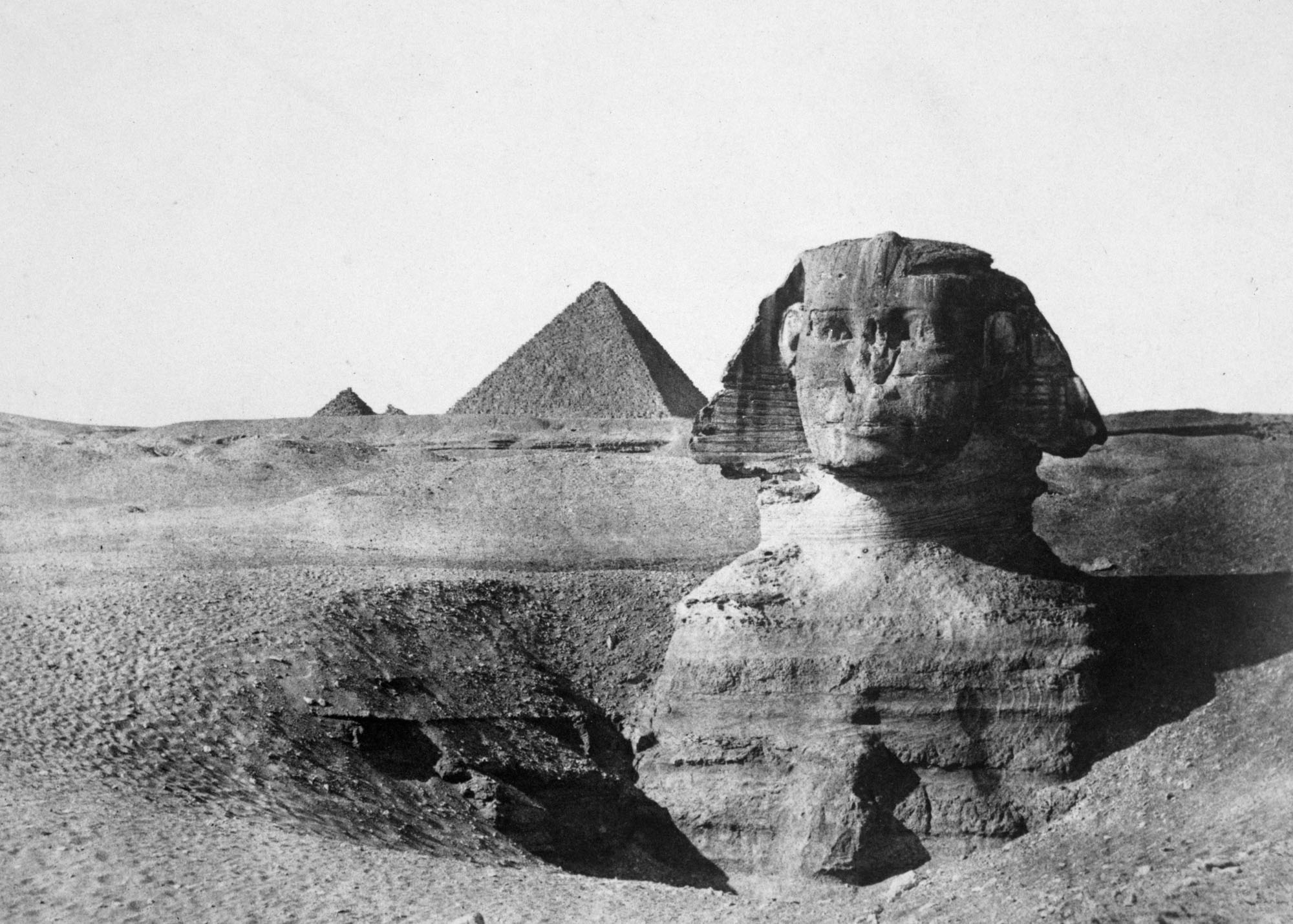
The “original look” of the Sphinx has undoubtedly undergone significant physical changes. Its vibrant painted surfaces have long faded, its nose and beard have been lost to time and intervention, and its limestone body bears the scars of countless sandstorms and repair efforts. Yet, despite these physical alterations, the Sphinx’s core brand identity has proven remarkably resilient. While its pristine façade is gone, its iconic silhouette and powerful symbolism remain intact in the collective consciousness.
This phenomenon highlights a crucial lesson for modern brands: while aesthetics and immediate presentation are vital, the true strength of a brand lies in its underlying narrative, its core values, and the emotional connection it fosters. A brand can endure superficial changes, even significant damage, if its foundational meaning is robust and deeply ingrained. The Sphinx demonstrates that physical perfection is transient, but a powerful, resonant story, coupled with a distinct form, can maintain brand recognition and influence far beyond its initial physical state. Its resilience teaches that brand builders must invest in timeless meaning, not just fleeting trends or flawless presentation.
Reinterpretations and Cultural Adaptations
Beyond physical erosion, the Sphinx’s brand identity has also evolved through myriad reinterpretations across different cultures and eras. While its original purpose was rooted in Egyptian kingship and divinity, it later captivated the ancient Greeks, who imbued it with their own myth of the riddle-posing monster, forever altering its narrative. Later, European explorers and artists romanticized it as a symbol of exotic mystery and ancient wisdom.
This process of reinterpretation illustrates a powerful aspect of successful brand building: adaptability. The Sphinx’s brand, while having a clear origin, was flexible enough to absorb new meanings and resonate with diverse audiences without losing its fundamental allure. It demonstrates that a truly iconic brand can transcend its initial context, becoming a canvas for new stories and interpretations. However, this adaptation wasn’t uncontrolled. The Sphinx’s distinct form and inherent mystery provided a stable anchor, allowing for new narratives to be woven around it without completely dissolving its original essence. Modern brands must similarly find ways to remain relevant in evolving markets, embracing new platforms and narratives while staying true to their core brand DNA.
The Timeless Appeal: Core Elements of an Immortal Brand
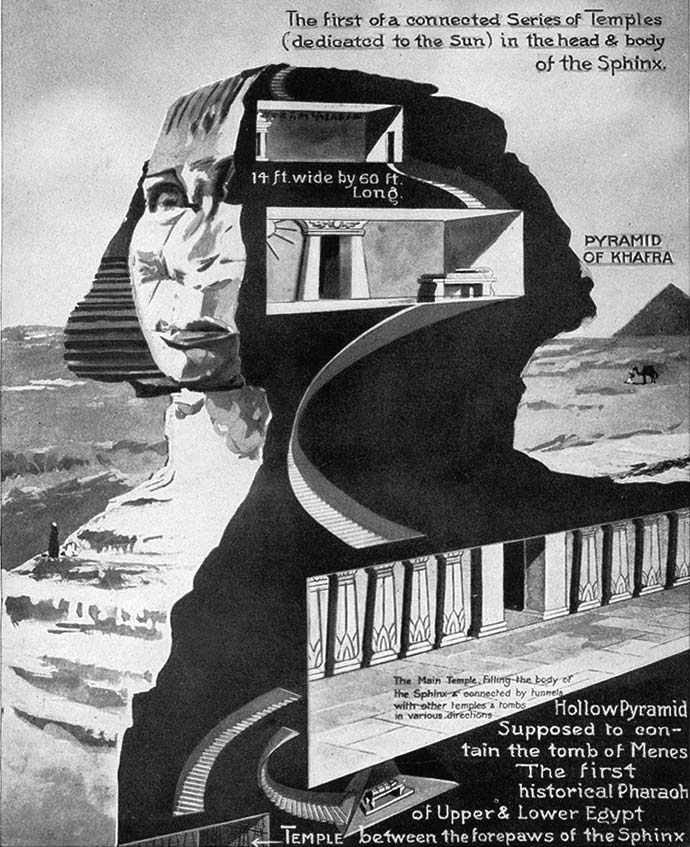
What is it about the Sphinx that grants it such unparalleled longevity? Its enduring appeal isn’t accidental; it stems from a masterful integration of branding principles that are as relevant today as they were over four millennia ago.
Authenticity and Narrative
The Sphinx’s original look and purpose were deeply rooted in the authentic beliefs and power structures of ancient Egypt. It wasn’t merely a decorative statue; it was a profound statement of faith, authority, and eternity. This inherent authenticity, combined with a compelling narrative of divine protection and royal power, provided a robust foundation for its brand. The narrative wasn’t merely told; it was embodied in stone, connecting the physical presence with a rich tapestry of myth and meaning.
For modern brands, this underscores the critical importance of a genuine, compelling story. Consumers today seek brands with purpose, transparency, and a clear narrative that resonates with their values. Like the Sphinx, brands that tell an authentic story—whether of their origins, their mission, or their impact—build deeper trust and loyalty than those focused solely on transactional exchanges. The Sphinx teaches that a brand’s story is its soul, and when that soul is authentic, it creates an unbreakable bond with its audience.
Distinctiveness and Recognizability
From its very inception, the Sphinx possessed an extraordinary degree of distinctiveness. The unique fusion of human and lion, crafted on such a monumental scale, ensured instant recognizability. There was nothing else quite like it, then or now. This distinctive “original look” made it an unmistakable icon, easily identifiable across vast distances and countless generations. Its silhouette alone communicates its identity, a hallmark of truly powerful branding.
This distinctiveness is a cornerstone of brand success. In today’s crowded marketplace, differentiation is paramount. Brands that manage to carve out a unique visual identity, a memorable logo, or a characteristic aesthetic stand out from the noise. The Sphinx exemplifies how a strong, unique visual identity becomes a powerful asset, acting as a shorthand for all the values and meanings a brand represents. Its form is its logo, and it’s a logo that has persisted for thousands of years, proving the power of a truly original and distinctive design.
Mystery and Allure
A significant part of the Sphinx’s enduring appeal lies in its aura of mystery. The question “what did the Sphinx originally look like?” inherently evokes intrigue, suggesting hidden depths and untold stories. Its enigmatic gaze, its silent watch over the desert, and the many unanswered questions surrounding its precise purpose and construction contribute to an irresistible allure. This isn’t a brand that reveals all its secrets; it invites contemplation and inspires imagination.
Modern brands can learn from this strategic cultivation of mystery. While transparency is valued, there’s also power in maintaining a certain level of intrigue. Brands that offer depth, complexity, and a sense of discovery can captivate audiences beyond superficial engagement. Controlled mystery can spark curiosity, encourage exploration, and foster a more profound connection, transforming a product or service into an experience. The Sphinx reminds us that sometimes, leaving a little to the imagination is the most powerful brand strategy of all.
Lessons from the Sands: Modern Branding Through an Ancient Lens
The colossal silhouette of the Sphinx, a testament to ancient ambition and enduring design, offers timeless strategic lessons for brand builders navigating the complexities of the 21st century. Its “original look” was not just an aesthetic choice; it was a strategic blueprint for a brand designed to last forever.
Building for Longevity
The Sphinx was built not for a generation, but for eternity. Its creators understood the importance of foundational values and a strong core identity that could transcend immediate trends and political shifts. The choice of durable materials, the monumental scale, and the deep symbolic meaning all contributed to its perpetual relevance. For modern brands, this translates into investing in a robust brand strategy that goes beyond short-term campaigns. It means defining a clear mission, vision, and values that are immutable, regardless of market fluctuations or technological advancements. A brand built for longevity focuses on establishing an enduring legacy, rather than chasing fleeting popularity.
Embracing Adaptation, Preserving Essence
As we’ve seen, the Sphinx has been physically altered and culturally reinterpreted multiple times. Yet, its essence – the powerful, enigmatic guardian – has remained. This highlights the delicate balance between adaptation and preservation. Brands must be agile, responsive to changing consumer behaviors, technological innovations, and cultural shifts. They must evolve their messaging, platforms, and even product lines. However, this evolution must always be tethered to the brand’s core DNA, its foundational “original look” or identity. Losing sight of this essence in the pursuit of novelty can lead to brand dilution and a loss of distinctiveness. The Sphinx teaches that embracing change while safeguarding the brand’s immutable core is the ultimate tightrope walk for enduring success.
The Power of Symbolic Storytelling
The Sphinx, from its “original look,” was a masterclass in symbolic storytelling. It communicated complex ideas of divinity, power, and protection without uttering a single word. Its form alone conveyed a rich tapestry of meaning, creating an emotional and intellectual connection with its audience. For modern brands, this emphasizes the need to move beyond merely listing product features or service benefits. The most successful brands today are those that weave compelling narratives, creating emotional resonance and deeper meaning for their consumers. They use symbols, archetypes, and carefully crafted stories to forge powerful connections that transcend the transactional. Just as the Sphinx told the story of an ancient pharaoh’s eternal reign, modern brands must learn to tell their own stories in ways that are evocative, memorable, and deeply human.
The question “what did the Sphinx originally look like?” ultimately leads us to a profound understanding of brand identity. It was a brand engineered for immortality – a powerful symbol conceived with clear purpose, distinctiveness, and an underlying narrative that continues to captivate and inspire. For contemporary brand builders, the Great Sphinx stands as a silent, yet eloquent, teacher of timeless principles: the importance of authentic narrative, unique identity, strategic positioning, and the delicate art of evolving while preserving an unshakeable core. In its enduring silence, the Sphinx speaks volumes about what it takes to build a truly iconic brand that withstands the ultimate test of time.
aViewFromTheCave is a participant in the Amazon Services LLC Associates Program, an affiliate advertising program designed to provide a means for sites to earn advertising fees by advertising and linking to Amazon.com. Amazon, the Amazon logo, AmazonSupply, and the AmazonSupply logo are trademarks of Amazon.com, Inc. or its affiliates. As an Amazon Associate we earn affiliate commissions from qualifying purchases.