
Harriet Tubman is globally recognized as the “Moses of her people,” a title earned through her perilous work on the Underground Railroad. However, her contribution to the American narrative extends far beyond the mid-19th century abolitionist movement. When the Civil War erupted in 1861, Tubman did not retreat into the safety of her established life in Auburn, New York. Instead, she leveraged her expertise in logistics, intelligence gathering, and psychological operations to become a pivotal asset for the Union Army. Her tenure during the war serves as a foundational case study in strategic branding and personal influence, demonstrating how an individual can command authority and drive systemic change through intentional positioning and courageous action.
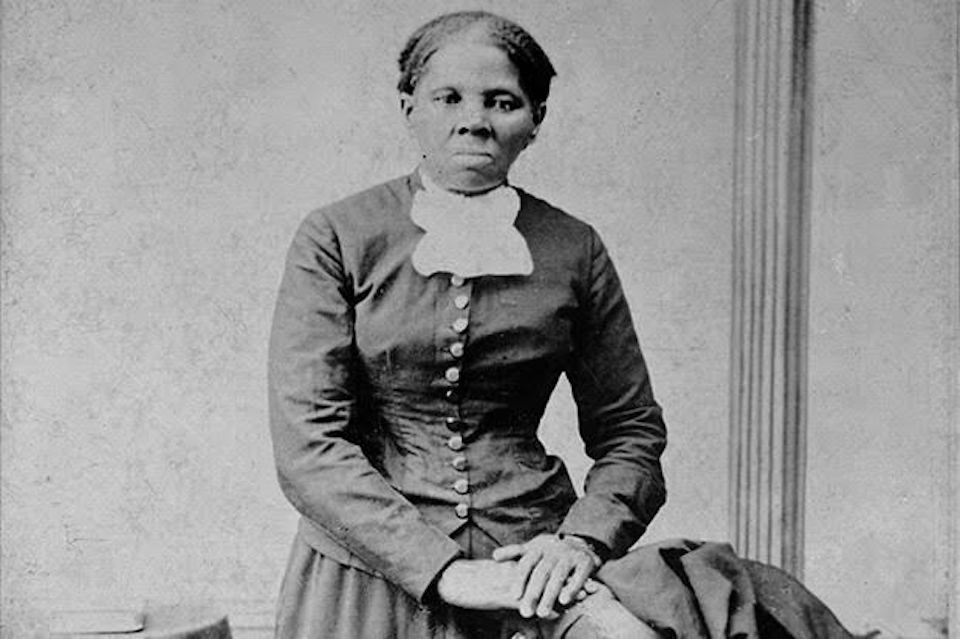
Strategic Positioning and the Power of Personal Brand
In the context of the Civil War, Harriet Tubman effectively repositioned herself from a fugitive advocate to a high-level military consultant. This shift required a radical reimagining of her personal brand. She understood that in a male-dominated military hierarchy, her access would be limited unless she could provide value that no other operative could offer.
Cultivating an Identity of Inestimable Value
Tubman arrived in South Carolina in 1862 not merely as a nurse or a cook, but as a specialist in clandestine operations. By curating a reputation for having an “extraordinary” ability to move through enemy lines without detection, she positioned herself as a unique brand asset. She did not wait for institutional permission to operate; she established her influence by becoming indispensable to the Union commanders who lacked the local intelligence necessary to navigate the marshy, complex terrain of the South.
The Role of Credibility in High-Stakes Environments
Brand authority is built on proof, not just promises. Tubman’s credibility was anchored in her success rate. By consistently delivering accurate intelligence regarding Confederate supply lines and troop movements, she elevated her status from an informal auxiliary volunteer to a trusted advisor. This transition highlights a crucial lesson in personal branding: when an individual consistently solves complex problems that others cannot address, they bypass traditional gatekeepers and secure a seat at the table.
Operational Intelligence: The Art of Information Gathering
The Civil War was one of the first conflicts where information was a primary currency. Harriet Tubman’s work as an intelligence operative was her most significant contribution to the Union cause, a role that mirrors the modern concept of data analytics and strategic gathering in professional landscapes.
Intelligence Networks as Competitive Advantage
Tubman was a master of building decentralized networks. She recruited scouts from the ranks of enslaved people and formerly enslaved individuals who had fled to Union lines. She understood that information is only as valuable as the network that gathers it. By organizing these scouts into a cohesive intelligence unit, she created an information flow that provided the Union Army with a distinct competitive advantage in the theater of war.
Navigating Systems and Mitigating Risk
Much like a modern consultant navigating complex corporate hierarchies or regulatory environments, Tubman knew how to bypass bureaucratic stagnation. She understood that traditional command structures were often too slow to adapt to the fluid, high-risk environment of guerrilla warfare. By operating on the fringes, she maintained the agility required to stay ahead of the enemy. Her ability to synthesize disparate pieces of information into actionable strategy is a masterclass in risk management and tactical decision-making.
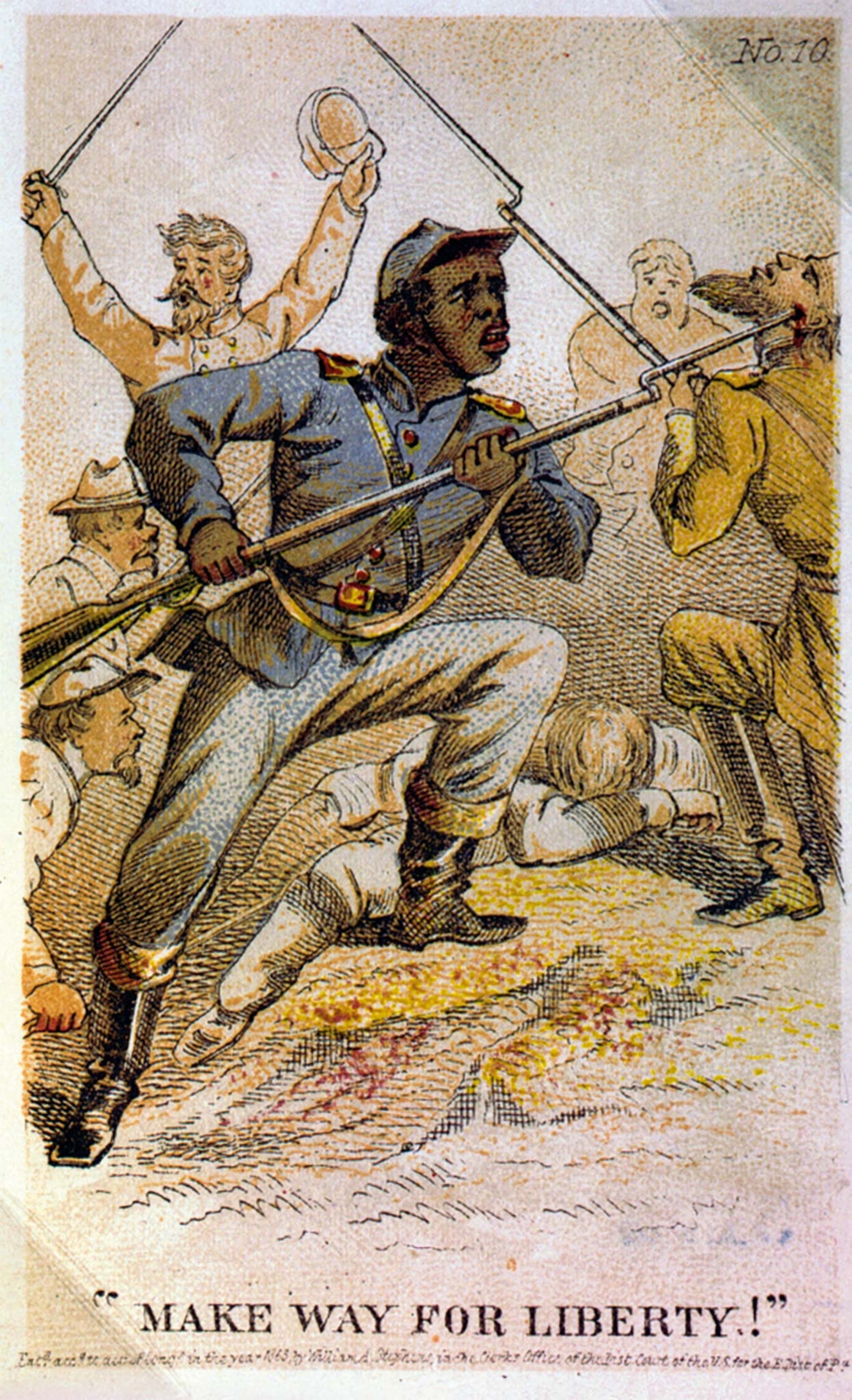
Leading the Combahee River Raid: A Case Study in Execution
The pinnacle of Tubman’s Civil War career was her role as the lead scout and strategist for the Combahee River Raid in June 1863. This mission was not a minor skirmish; it was a sophisticated, multi-pronged operation that successfully liberated over 700 enslaved people. From a strategic perspective, the raid was a flawless execution of a complex logistical project.
Synchronizing Resources for Maximum Impact
The raid required the synchronization of Union gunboats, ground scouts, and the psychological mobilization of those slated for rescue. Tubman’s role was akin to that of a project manager overseeing a high-stakes, cross-functional initiative. She managed the variables, mitigated the risks of Confederate retaliation, and ensured the project goals were met with surgical precision.
Managing Public Perception and Reputation
The success of the Combahee River Raid served as a powerful marketing moment for the Union’s abolitionist agenda. By effectively branding the operation as a humanitarian and military victory, Tubman helped influence Northern public opinion regarding the recruitment of Black soldiers. She understood that a successful operation serves as the most effective form of PR. The narrative surrounding the raid shifted public discourse, proving that Black men and women were not just beneficiaries of the war, but active, capable, and essential agents in the Union’s success.
Legacy as a Template for Influential Leadership
Harriet Tubman’s life during the Civil War provides a timeless blueprint for those seeking to build a brand or a career centered on purpose and high-impact contribution. Her actions remind us that influence is not a fixed commodity assigned by rank or title, but something built through sustained excellence, strategic networking, and the courage to act when others hesitate.
Scaling Impact Through Personal Authority
Tubman’s ability to transition from a single-handed operator on the Underground Railroad to a leader of hundreds during the Civil War illustrates the power of scaling one’s influence. She recognized that to create structural change, she needed to scale her methods. Whether by teaching scouts how to read the landscape or by working with Colonel James Montgomery to organize the Combahee mission, she focused on empowering others to execute the vision.
Resilience as a Core Brand Competency
Throughout the war, Tubman faced systemic prejudice, lack of compensation, and the constant threat of capture. Her resilience was not a passive trait; it was a proactive strategy. By maintaining her composure and continuing to provide value despite institutional neglect, she cemented her legacy. In any professional or personal branding context, resilience is the defining characteristic that separates those who are temporarily successful from those who build lasting, systemic influence.
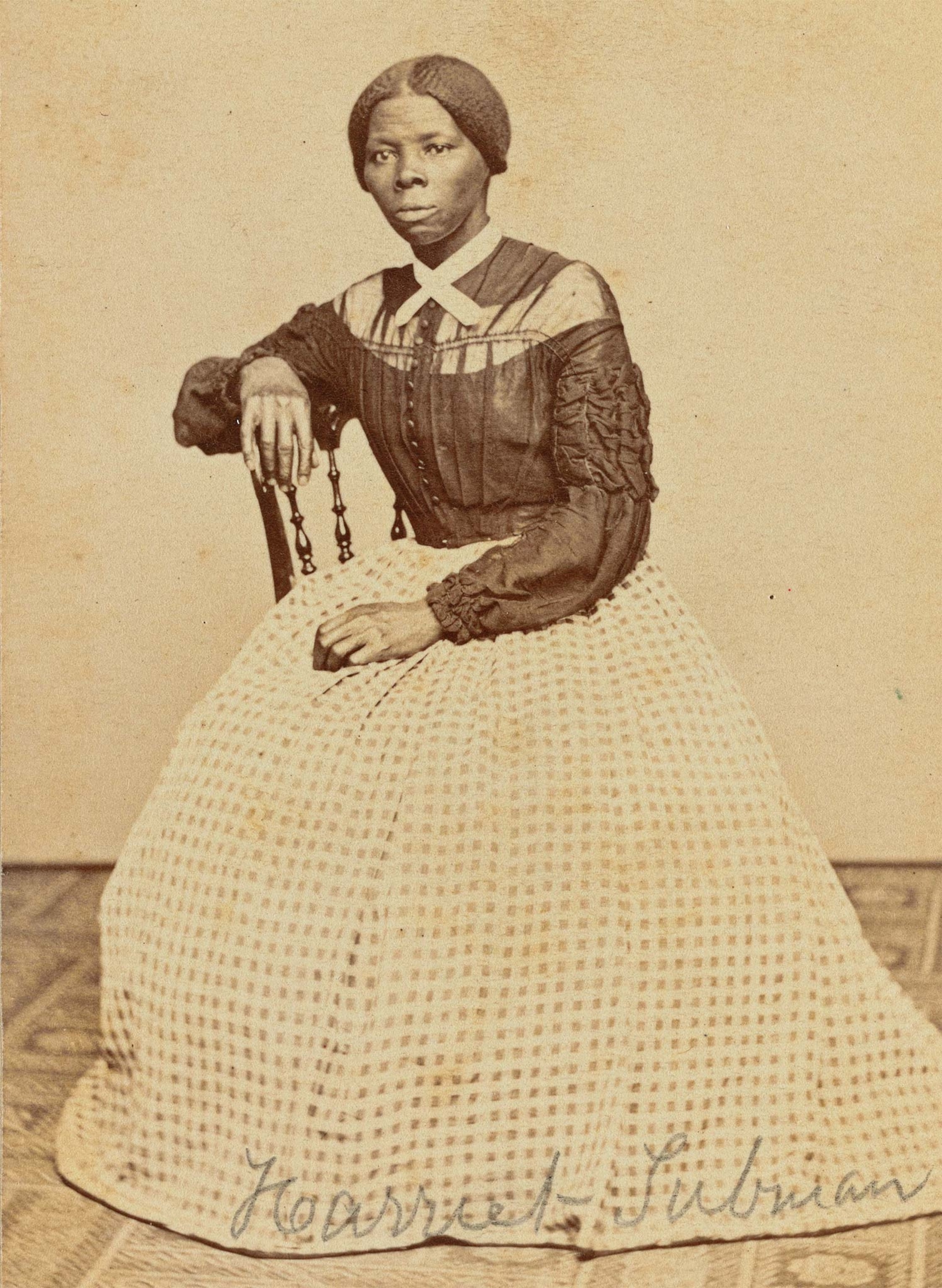
Conclusion: The Professional Lessons of a Pioneer
The story of Harriet Tubman in the Civil War is frequently romanticized, yet it demands a critical examination of her tactical brilliance. She navigated one of the most volatile environments in American history with the precision of a strategist and the vision of a leader. For professionals today, her work serves as a reminder that the strongest brands are those built on the foundation of genuine, high-stakes service.
Tubman’s contributions remind us that the most significant advancements—whether in business, politics, or social justice—are driven by individuals who understand how to synthesize information, manage networks, and execute with clarity. She did not merely participate in the Civil War; she curated her role within it to ensure the greatest possible impact. Her legacy is one of strategic excellence, demonstrating that when one defines their own value and builds an infrastructure of credibility, they can reshape the very world around them. As we reflect on her service, we see not just a historical figure, but a blueprint for how individuals can navigate complex systems to create enduring value.
aViewFromTheCave is a participant in the Amazon Services LLC Associates Program, an affiliate advertising program designed to provide a means for sites to earn advertising fees by advertising and linking to Amazon.com. Amazon, the Amazon logo, AmazonSupply, and the AmazonSupply logo are trademarks of Amazon.com, Inc. or its affiliates. As an Amazon Associate we earn affiliate commissions from qualifying purchases.