
In the rapidly evolving landscape of health technology, the phrase “what makes your period come faster” has transitioned from a biological query into a data-driven challenge. While biological processes are governed by a complex interplay of hormones, the modern era has introduced a digital layer to this physiological experience. This intersection, known as FemTech, is not merely about tracking dates on a digital calendar; it is a sophisticated ecosystem of AI-driven predictions, wearable sensors, and personalized health insights designed to provide users with unprecedented control over their reproductive health.

The technological shift from reactive tracking to proactive management represents a significant milestone in digital health. By leveraging big data and machine learning, developers are creating tools that do more than just record history—they predict the future, identify irregularities, and suggest interventions that align with a user’s unique hormonal profile.
The Rise of FemTech: Algorithms as the New Biological Clock
The core of modern menstrual tracking lies in the sophisticated algorithms that interpret physiological data. Early apps relied on the “calendar method,” which assumed every user followed a standard 28-day cycle. However, tech innovators recognized that biological variability is the norm, not the exception.
Machine Learning and Predictive Analytics
Modern FemTech applications use machine learning (ML) to refine their predictions with every data point entered. When a user logs symptoms such as basal body temperature, cervical mucus consistency, or mood fluctuations, the algorithm processes these inputs through Bayesian inference models. These models calculate the probability of ovulation and menstruation based on historical patterns and aggregate data from millions of other users. This “crowdsourced intelligence” allows the software to predict the onset of a period with increasing accuracy, effectively answering the user’s need for predictability and “speed” in terms of information delivery.
The Integration of Wearable Biometrics
The shift from manual entry to passive data collection marks the current frontier of menstrual technology. Devices like the Oura Ring, Whoop, and the latest Apple Watch utilize high-precision thermal sensors to track minute changes in skin temperature. In the tech world, this is a game-changer. During the luteal phase, a person’s basal body temperature typically rises. By monitoring these shifts in real-time, wearables can detect the physiological “pre-check” that occurs before menstruation begins. This integration of hardware and software provides a seamless user experience, removing the margin for human error in manual tracking.
Data Sovereignty and Security in Menstrual Tracking
As we integrate more technology into our biological lives, the conversation inevitably turns toward data security. In the context of “what makes your period come faster,” the “what” is often the digital footprint left behind by health apps. For tech developers and users alike, the integrity of this data is paramount.
End-to-End Encryption and “Anonymous Mode”
In a post-Roe v. Wade digital landscape, the security of menstrual data has become a critical technical requirement. Leading apps have implemented “Anonymous Mode,” a feature that ensures data is stored locally on the device rather than on centralized servers. From a technical standpoint, this involves complex end-to-end encryption (E2EE) where only the user holds the decryption key. By prioritizing zero-knowledge architecture, tech firms are protecting users from potential legal or corporate surveillance, ensuring that personal health data remains private.
The Ethics of Big Data in Women’s Health
The aggregation of menstrual data offers immense value for medical research, but it also poses ethical challenges. Tech companies must navigate the fine line between utilizing data for “predictive health” and selling insights to third-party advertisers. The industry trend is moving toward transparent data-sharing policies and the use of differential privacy—a mathematical technique that allows companies to learn about a population without compromising the identity of individual users. This ensures that the technology serves the user’s health goals without exploiting their biological information.
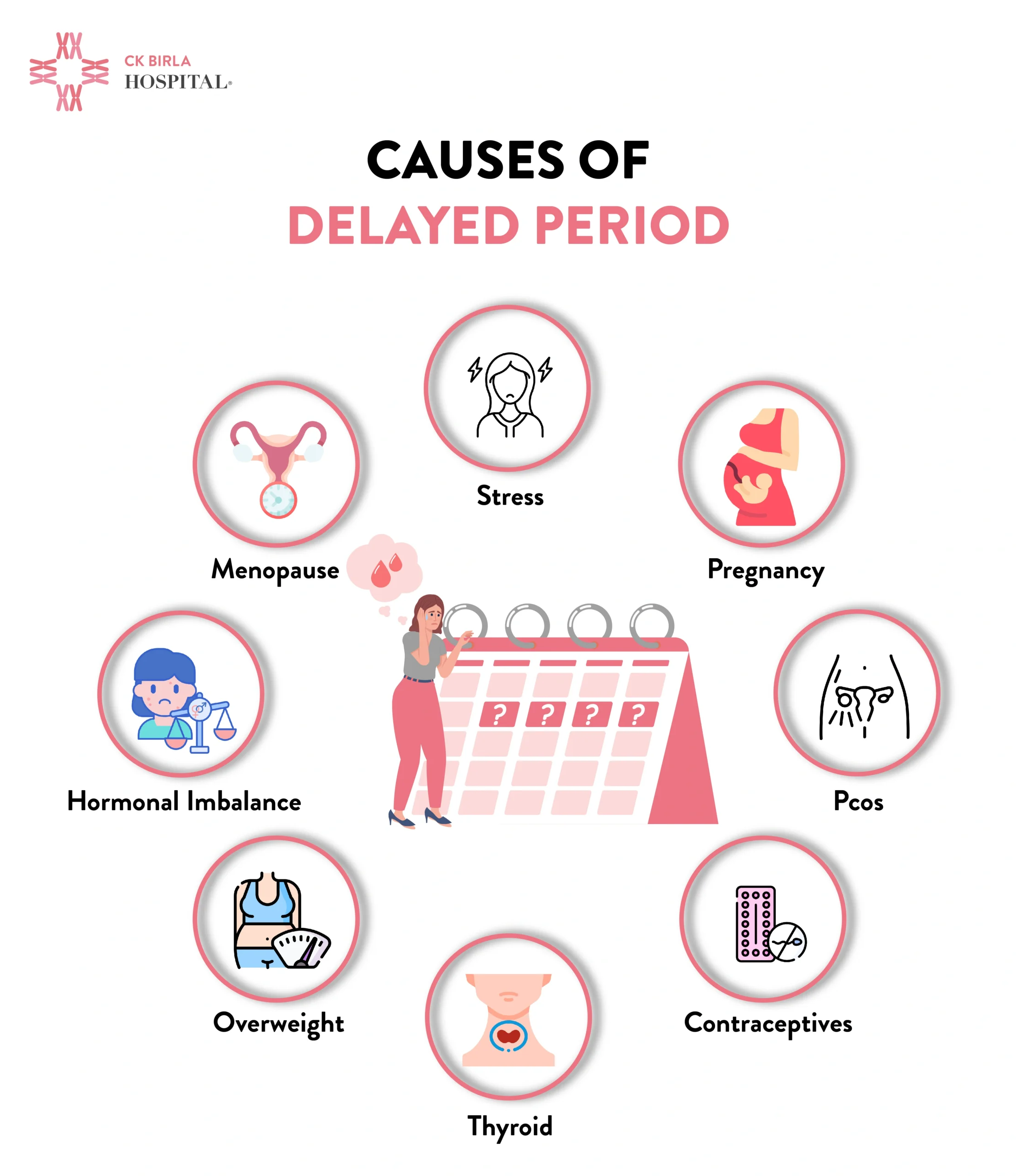
Smart Devices and the Future of Hormonal Optimization
The goal of modern health tech is often “optimization”—making systems run more efficiently. When users search for ways to manage their cycles, they are often looking for ways to mitigate symptoms or align their productivity with their hormonal shifts. This is where “Bio-hacking” meets “SaaS” (Software as a Service).
Bio-hacking Through Data Integration
A new wave of apps is focusing on “cycle syncing,” a method where users adjust their diet, exercise, and workload based on their menstrual phase. The technology behind this involves integrating menstrual trackers with fitness ecosystems like Strava or MyFitnessPal. By analyzing the relationship between hormonal phases and physical performance, these tools provide automated recommendations. For instance, an app might suggest high-intensity interval training (HIIT) during the follicular phase when estrogen is rising, and restorative yoga during the luteal phase. This technological intervention allows users to “fast-track” their recovery and optimize their daily performance.
Telehealth and Direct-to-Consumer Diagnostics
The intersection of tech and medicine is further bridged by at-home hormone testing kits that sync directly with mobile apps. These “Lab-on-a-Chip” technologies allow users to test levels of Luteinizing Hormone (LH), Progesterone, and FSH (Follicle-Stimulating Hormone) from the comfort of home. The data is then uploaded to a cloud-based platform where AI interprets the results and provides a health report. This democratizes access to diagnostic tools that were previously only available in clinical settings, allowing users to understand exactly “what makes their period come” from a biochemical perspective, supported by real-time digital analysis.
The Engineering of Personalized Period Care
Looking forward, the future of menstrual technology lies in hyper-personalization. No longer are we satisfied with “one size fits all” solutions. The next generation of FemTech is focused on the “Digital Twin” concept—a virtual model of a user’s biological system that can simulate how different factors (stress, medication, travel) will affect their cycle.
Artificial Intelligence and Symptom Correlation
Advanced AI models are now being trained to identify “micro-patterns” in health data. For example, an AI might notice that a user’s period is consistently delayed by 48 hours following a cross-continental flight or a period of high cortisol (stress) levels recorded by a wearable. By correlating these disparate data points—GPS data, sleep metrics, and heart rate variability—the software can offer personalized advice on how to regulate the cycle. This isn’t just a calendar; it’s a sophisticated diagnostic engine.
Decentralized Health Records and Blockchain
There is an emerging interest in using blockchain technology to manage reproductive health records. By utilizing a decentralized ledger, users could theoretically own their health data entirely, granting temporary access to doctors or researchers via “smart contracts.” This would solve the problem of fragmented health data, where information from a period tracker isn’t easily accessible to a primary care physician. In this tech-forward vision, the “speed” of health intervention is increased because the data is liquid, secure, and instantly verifiable.

Conclusion: The New Frontier of Digital Biology
The quest to understand “what makes your period come faster” has evolved into a sophisticated exploration of the synergy between human biology and digital innovation. Technology has moved beyond being a passive observer of the menstrual cycle; it is now an active participant in managing, predicting, and optimizing it.
Through the power of machine learning, the precision of wearable sensors, and the security of encrypted data, FemTech is empowering individuals with insights that were once the sole province of medical professionals. As we continue to refine these digital tools, the focus remains on leveraging technology to provide clarity, security, and agency. The digital transformation of menstrual health is not just about apps and gadgets; it is about rewriting the narrative of reproductive health through the lens of data-driven empowerment and technological excellence. In this new era, the cycle is no longer a mystery to be solved, but a system to be understood and optimized through the best that modern technology has to offer.
aViewFromTheCave is a participant in the Amazon Services LLC Associates Program, an affiliate advertising program designed to provide a means for sites to earn advertising fees by advertising and linking to Amazon.com. Amazon, the Amazon logo, AmazonSupply, and the AmazonSupply logo are trademarks of Amazon.com, Inc. or its affiliates. As an Amazon Associate we earn affiliate commissions from qualifying purchases.