
In an era defined by instantaneous global communication, we often take the simple act of dialing a number for granted. When someone asks, “What is the country phone code for the USA?” the immediate answer is “+1.” However, beneath this single digit lies a complex web of technological protocols, historical legacies, and digital infrastructure that facilitates trillions of connections every year. Understanding the USA country code is not just about memorizing a prefix; it is about understanding the North American Numbering Plan (NANP) and how it integrates with modern software, digital security, and cloud-based communication tools.
As we transition further into a software-defined world, the role of the physical telephone line is diminishing, replaced by Voice over Internet Protocol (VoIP), eSIMs, and AI-driven routing. This article explores the technical evolution of the US country code, the digital systems that govern it, and its critical role in the contemporary tech ecosystem.
1. The Technical Foundation of the +1 Prefix: The North American Numbering Plan (NANP)
The “1” in the USA’s country code is not merely an arbitrary assignment. It is the cornerstone of the North American Numbering Plan (NANP), a telecommunications integrated numbering plan that serves 20 countries, primarily in North America and the Caribbean.
The Evolution from Pulse to Digital Switching
The origins of the +1 code date back to the mid-20th century, specifically 1947, when AT&T and the Bell System developed a standardized system for long-distance dialing. Before the advent of digital switching, calls were routed through human operators and mechanical crossbar switches. The assignment of “1” was technically strategic; on a rotary phone, “1” was the shortest pulse, making it the fastest digit to process in the nascent automated switching systems of the time.
Today, those mechanical pulses have been replaced by Signaling System No. 7 (SS7), the protocol that allows networks to exchange the information needed to pass calls from one carrier to another. When you dial +1 from an international location, your local exchange identifies the “plus” sign as the international access code and the “1” as the destination country’s top-level domain within the global telephony map.
Geographic and Non-Geographic Routing
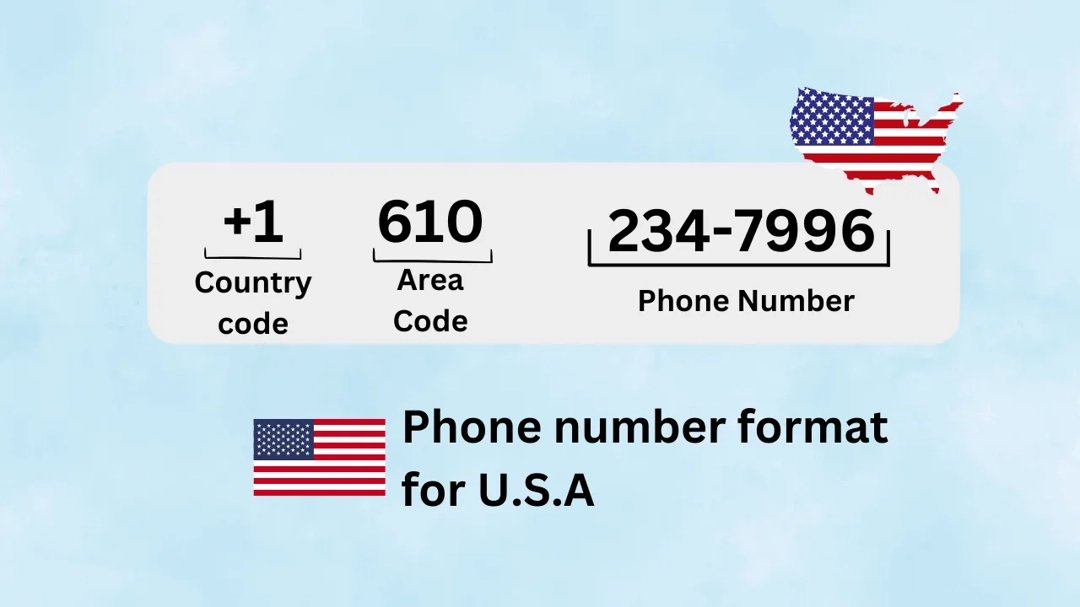
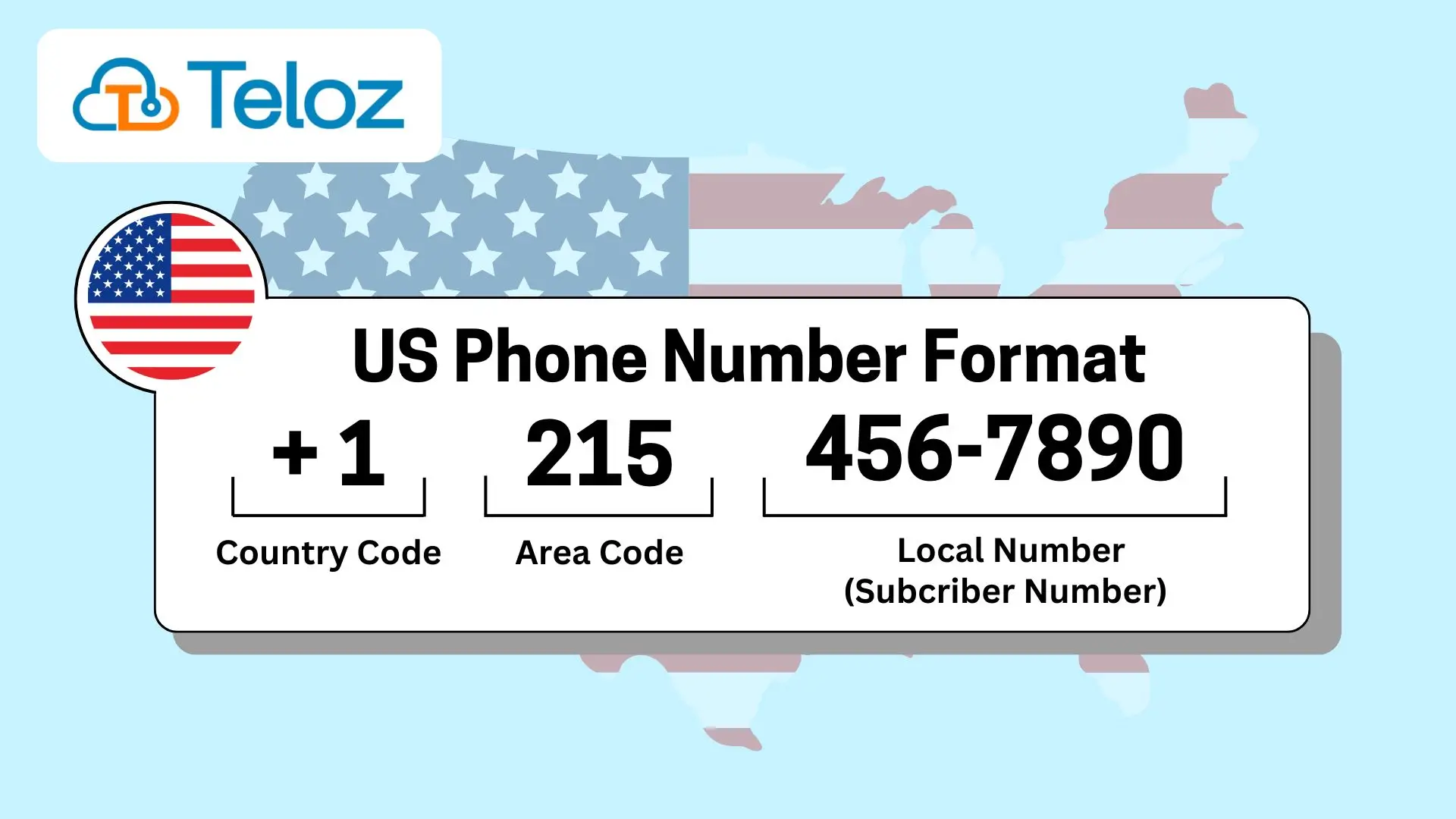
Within the +1 framework, the structure follows a strict 10-digit format: a three-digit Area Code (NPA), a three-digit Central Office Code (NXX), and a four-digit Line Number. From a tech perspective, this structure allows for efficient database lookups. Modern telecommunications hardware uses “Least Cost Routing” (LCR) algorithms to analyze these digits instantly, determining the most efficient path—whether through fiber optic undersea cables or satellite links—to connect the call with minimal latency.
2. VoIP and the Digital Transformation of Global Calling
The way we use the USA country code has shifted from hardware-centric landlines to software-centric platforms. Voice over Internet Protocol (VoIP) has decoupled the phone number from a physical location, transforming the +1 prefix into a digital identifier that can exist anywhere in the cloud.
SIP Trunking and Packet Switching
Traditional telephony relies on circuit switching, where a dedicated line is opened between two points. In contrast, modern international calling to the USA utilizes Session Initiation Protocol (SIP) and packet switching. When a call is placed to a +1 number via a digital service, the voice signal is digitized, compressed into data packets, and routed across the internet.
SIP trunking allows businesses to bypass traditional phone lines entirely. A company in London can maintain a +1 area code number for their New York office, routing all traffic over their data network. This technical flexibility is what enables the “virtual office” phenomenon, where the country code serves as a digital facade for a globalized workforce.
The Role of Codecs in Voice Clarity
A critical technical component of international calling is the use of codecs (encoder-decoders) like G.711 or G.729. These algorithms determine how voice data is compressed for transmission across the Atlantic or Pacific. When dialing the USA from abroad, the network must negotiate these codecs to ensure high-fidelity audio while managing bandwidth constraints. High-definition (HD) voice technology now utilizes wideband codecs that provide a frequency range much closer to human speech, making a transcontinental call to a +1 number sound as clear as a local one.
3. Digital Security: The Phone Code as a Gateway for Identity
In the current tech landscape, the USA country code is more than a communication tool; it is a vital component of the digital identity and cybersecurity stack. The +1 prefix is the primary anchor for Two-Factor Authentication (2FA) and Multi-Factor Authentication (MFA) for billions of users worldwide.
SMS Gateways and Verification Protocols
When you log into a secure service like a bank or a cloud platform, the system often sends a verification code to your +1 mobile number. This process relies on SMS gateways that bridge the gap between the internet (IP-based) and the cellular network (SS7-based). The country code acts as the routing instruction for Short Message Peer-to-Peer (SMPP) protocols, ensuring that the time-sensitive security token reaches the correct device.
However, this reliance on the phone code as a security layer has introduced new tech challenges, such as SIM swapping and SS7 vulnerabilities. Cyber-security experts are increasingly moving toward app-based authenticators (like Google Authenticator) because the traditional SMS path—governed by country codes—can be intercepted by sophisticated actors exploiting legacy telecommunications protocols.
Virtual Numbers and Privacy Tech
The tech industry has responded to privacy concerns by creating “burner” app ecosystems. These applications allow users to generate temporary or permanent +1 numbers without needing a physical SIM card. Technically, these are “Over-the-Top” (OTT) services that lease numbers from wholesale VoIP providers. They provide a layer of abstraction between the user’s real identity and the public-facing phone number, showcasing how the country code has been “app-ified” for the modern user.
4. Future Trends: eSIMs, 5G, and the End of Geographic Boundaries
As we look toward the future of telecommunications technology, the rigid definition of “country codes” is becoming increasingly fluid. The integration of eSIM technology and 5G networks is changing how we interact with the +1 prefix.
The Rise of the eSIM (Embedded SIM)
Traditional roaming involved physically changing a SIM card or paying exorbitant fees to use a +1 number abroad. With eSIM technology—small chips embedded directly into hardware like the iPhone or Google Pixel—users can download “travel profiles” via software. A user can maintain their primary USA +1 number for iMessage and WhatsApp while simultaneously using a local data plan in Europe. This dual-SIM, software-defined approach is making the physical location of the device irrelevant to the country code it carries.
AI-Driven Call Routing and Real-Time Translation
The next frontier for the USA country code involves the integration of Artificial Intelligence at the network level. We are moving toward a world where a call to a +1 number can be intercepted by an AI agent that provides real-time, low-latency translation. Technically, this involves processing natural language (NLP) at the “edge” of the network—reducing the distance data must travel to ensure the translation happens in real-time.
Furthermore, AI is being used to combat the surge in “robocalls” that plague the +1 numbering plan. Protocols like SHAKEN/STIR (Signature-based Handling of Asserted information using toKENS) use digital certificates to verify that the caller ID of a +1 number is legitimate. This cryptographic solution is essential for restoring trust in the numbering system, ensuring that when a US country code appears on a screen, it represents a verified source.
Conclusion
The answer to “what is the country phone code for the USA” is a simple digit, but its implications are vast. From the historical foundations of the North American Numbering Plan to the cutting-edge implementation of SHAKEN/STIR and eSIM technology, the +1 prefix is a fundamental piece of global tech infrastructure.
As we move deeper into the 21st century, the lines between a “phone call” and a “data session” will continue to blur. The USA country code will remain a vital anchor for digital identity and global connectivity, but its delivery method will continue to evolve—shifting from copper wires to fiber optics, and from physical SIM cards to the invisible, ubiquitous cloud. For tech professionals and everyday users alike, understanding the systems behind these digits is key to navigating the increasingly connected world of international communication.
aViewFromTheCave is a participant in the Amazon Services LLC Associates Program, an affiliate advertising program designed to provide a means for sites to earn advertising fees by advertising and linking to Amazon.com. Amazon, the Amazon logo, AmazonSupply, and the AmazonSupply logo are trademarks of Amazon.com, Inc. or its affiliates. As an Amazon Associate we earn affiliate commissions from qualifying purchases.