
In the landscape of modern organizational strategy, few case studies offer as much insight into the power—and the peril—of naming and identity as the American Independent Party (AIP). While most casual observers view political parties through the lens of ideology or policy, a brand strategist views them as entities competing for market share in a crowded, high-stakes environment. The AIP serves as a fascinating example of how brand positioning can lead to accidental growth, identity confusion, and the critical importance of clarity in corporate and organizational communication.

Understanding the American Independent Party from a branding perspective requires looking beyond the ballot box and into the mechanics of “brand equity.” In many ways, the AIP represents one of the most significant “unintentional” brand successes in American history, driven by a name that occupies a unique psychological space in the mind of the consumer—or in this case, the voter.
The Identity Crisis: Naming as a Core Brand Asset
In the world of brand strategy, a name is the most valuable asset an organization possesses. It is the first point of contact and the primary vessel for meaning. For the American Independent Party, the name is both its greatest strength and its most significant source of brand dilution.
The Power of Linguistic Association
The word “Independent” carries immense positive brand equity in the United States. It suggests autonomy, critical thinking, and a rejection of the “corporate” duopoly of the two major parties. By incorporating this word into its primary brand name, the AIP taps into a pre-existing sentiment. This is a classic example of “piggyback branding,” where an organization uses a term with high universal appeal to lend itself unearned credibility.
However, the AIP faces a unique branding hurdle: the distinction between being an “independent” (a status of no affiliation) and being a member of the “Independent Party” (a specific ideological affiliation). In marketing terms, this is known as “category confusion.” When a brand’s name is synonymous with the category it resides in, it risks losing its distinct identity.
The “Indie” Misconception and Accidental Market Share
Perhaps the most famous aspect of the AIP’s brand history is its growth through accidental registration. In California, thousands of voters have historically registered for the American Independent Party under the impression that they were registering as “independent” or having “No Party Preference.”
From a brand strategy perspective, this is a masterclass in the importance of UX (User Experience) in brand selection. If the “buying process” (the voter registration form) is not clear, consumers will default to the name that sounds most like their intended state of being. While this has resulted in the AIP becoming one of the largest third parties in the nation by membership count, it represents “hollow brand equity.” These “customers” have no brand loyalty and, in many cases, do not even realize they have purchased the product.
Market Positioning and the Third-Party Challenge
Every brand must occupy a specific “slot” in the consumer’s mind. For a third-party organization, the challenge is to differentiate itself from the market leaders—the Democratic and Republican parties—while remaining relevant enough to be considered a viable alternative.
Niche vs. Mass Appeal
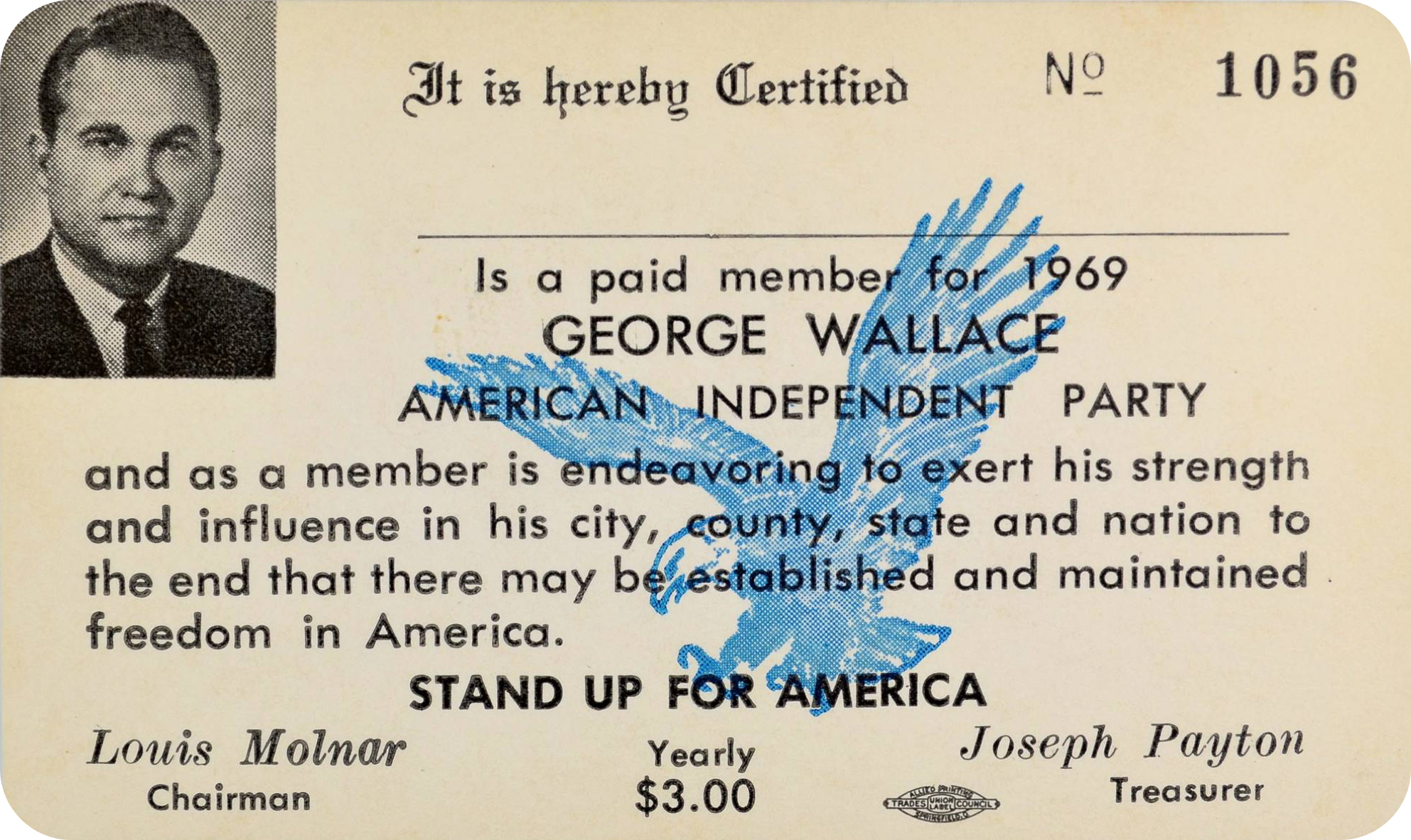
The American Independent Party has historically struggled with a “split-screen” brand identity. Originally founded in 1967 to support the presidential campaign of George Wallace, its initial brand was built on a platform of states’ rights and segregationist rhetoric. This was a “niche brand” strategy that targeted a very specific, albeit controversial, demographic.
In the modern era, the brand has attempted to reposition itself as a “conservative, constitutionalist” alternative. However, branding a niche product against two behemoths requires more than just a different set of policies; it requires a unique value proposition (UVP). If a brand’s UVP is too close to a market leader (in this case, the Republican Party), the consumer will almost always choose the market leader because of its greater “distribution” and perceived “reliability.”
Competitive Branding Against the Duopoly
To successfully brand a third party, an organization must act as a “Challenger Brand.” Challenger brands succeed by highlighting the flaws of the establishment and offering a “rebel” identity. The AIP’s brand strategy attempts to do this by positioning itself as the “true” representative of independent thought.
Yet, because of the naming confusion mentioned earlier, the AIP often fails to establish a distinct “brand personality.” A strong brand personality—like the Libertarian Party’s focus on “Individual Liberty” or the Green Party’s focus on “Environmental Stewardship”—allows the consumer to know exactly what they are getting. The AIP’s brand is often overshadowed by its generic name, making it difficult to build a cohesive movement based on shared values rather than accidental affiliation.
Visual Identity and Symbolism in Political Branding
A brand is not just a name; it is a visual language. For the American Independent Party, the visual identity must convey stability, patriotism, and a sense of tradition to appeal to its conservative base.
Color Psychology and National Symbolism
The AIP utilizes a traditional American color palette: red, white, and blue. In brand design, this is a “safe” strategy. It signals “patriotism” and “legitimacy.” By aligning its visual identity with the national flag, the AIP attempts to claim the mantle of the “most American” party.
The use of the American Eagle in its logo further reinforces this. The eagle is a symbol of strength and vigilance. For a brand that positions itself as a protector of the Constitution, this iconography is essential. However, from a competitive design standpoint, this makes the brand indistinguishable from hundreds of other conservative or patriotic organizations. In a crowded marketplace, “safe” branding often leads to “invisible” branding.
Logo Evolution and Messaging
Over the decades, the AIP’s visual presence has shifted to mirror the aesthetic of modern political campaigns. Clean lines and bold typography are used to project a professional image. The goal of this visual evolution is to move away from the “outsider” or “fringe” aesthetic and toward a “corporate-grade” political identity.
When a brand undergoes an identity shift—as the AIP did when moving away from its 1960s-era associations—the visual identity must lead the way. However, if the visual identity is too generic, it fails to signal the “newness” of the brand to the public. The AIP remains in a branding limbo: its visuals are professional but lack the distinctiveness required to stand out in a digital-first world where attention is the primary currency.
Lessons in Brand Clarity: Avoiding Consumer Confusion
The story of the American Independent Party offers several vital lessons for brand managers and corporate strategists. Whether you are running a political party or a tech startup, these principles of identity remain constant.
The Legal and Ethical Limits of Naming
While the AIP has benefited from the confusion surrounding its name, this is generally a poor long-term strategy for any brand. In corporate law, “trademark infringement” often hinges on the “likelihood of confusion.” While political parties are protected under different statutes, a business that names itself in a way that intentionally confuses consumers about its category or its competitors faces legal and reputational ruin.
Ethical branding requires transparency. When a consumer “buys into” a brand, they should do so with a clear understanding of what that brand represents. The “accidental registration” phenomenon serves as a warning: volume does not equal engagement. A brand with 500,000 accidental members is weaker than a brand with 50,000 “true believers” who understand and advocate for the brand’s mission.
How to Rebrand a Legacy Organization
If the American Independent Party were a corporate client, a brand strategist would likely recommend a total “Identity Audit.” The goal would be to solve the confusion between “independent” (the state of mind) and “American Independent” (the specific brand).
-
Clarification of Values: The brand must define what “Independent” means in their specific context. Does it mean independence from foreign influence? Independence from the two-party system? This must be the core of the narrative.
-
Visual Differentiation: Moving away from generic patriotic symbols toward a unique visual mark that is instantly recognizable.
-
Proactive Education: A brand that is often misunderstood must invest heavily in “educational marketing.” This involves content strategies that explicitly explain what the brand is—and, more importantly, what it is not.
Conclusion: The Persistence of a Brand
Despite the confusion, the American Independent Party remains a persistent fixture in the American political landscape. Its longevity is a testament to the power of a name. By securing the word “Independent,” the party has ensured its survival simply through the linguistic gravity of the term.
However, from the perspective of brand strategy, survival is not the same as success. A truly successful brand creates a clear, resonant connection with its audience. It inspires loyalty and drives purposeful action. The AIP serves as a cautionary tale of what happens when a brand name is too effective for its own good—it becomes a “catch-all” that loses its specific meaning.
For modern strategists, the lesson is clear: your brand identity should be a bridge to your audience, not a trap. Clarity, distinctiveness, and authenticity are the only ways to build a brand that lasts—not by accident, but by design.
aViewFromTheCave is a participant in the Amazon Services LLC Associates Program, an affiliate advertising program designed to provide a means for sites to earn advertising fees by advertising and linking to Amazon.com. Amazon, the Amazon logo, AmazonSupply, and the AmazonSupply logo are trademarks of Amazon.com, Inc. or its affiliates. As an Amazon Associate we earn affiliate commissions from qualifying purchases.