
In the world of real estate investment and property management, the difference between a high-yield asset and a stagnant liability often comes down to maintenance. While many investors focus on large-scale capital expenditures like roof replacements or HVAC overhauls, the most successful portfolio managers understand the power of “marginal gains.” One of the most overlooked tools in this category is sugar soap.
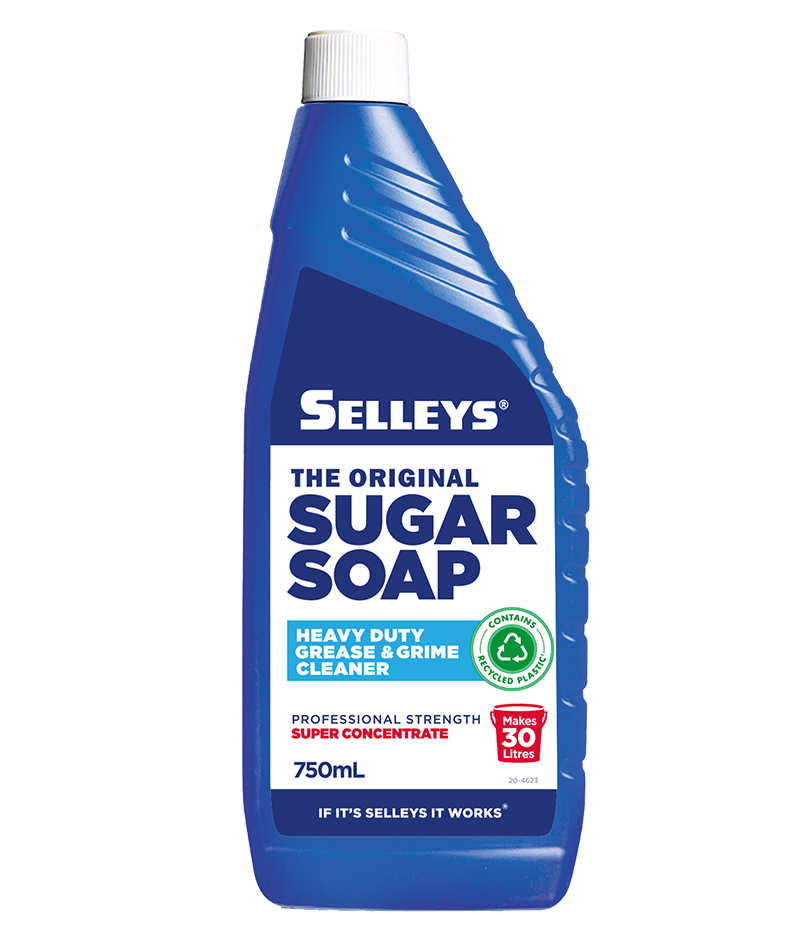
While the name might sound like something found in a confectionery, sugar soap is an industrial-strength cleaning agent primarily used to prepare surfaces for painting. However, from a financial perspective, sugar soap is more than a cleaning product; it is a strategic tool for risk mitigation and value enhancement. Understanding what sugar soap is and how to leverage it can significantly lower renovation overhead and increase the market value of a property.
The Financial Rationale: Why Surface Preparation Dictates Market Value
In property flipping and rental management, “curb appeal” and interior aesthetics are the primary drivers of immediate value. A fresh coat of paint is the most cost-effective way to increase a property’s “forced appreciation.” However, the financial risk of a paint job lies in its longevity. If a surface is not prepared correctly, the paint will fail to adhere, leading to peeling, cracking, and a total loss of the initial investment.
Protecting Your Investment: The Cost of Poor Preparation
From a personal finance and business perspective, rework is the enemy of profit. If a landlord pays a contractor $3,000 to paint a unit and the paint begins to flake within six months due to underlying grease or soot, the ROI on that $3,000 becomes negative. Sugar soap acts as a low-cost insurance policy. By chemically stripping away the accumulated oils, nicotine film, and grime that standard detergents leave behind, sugar soap ensures the mechanical bond between the substrate and the new coating. This extends the lifecycle of the renovation, protecting the investor’s capital.
The DIY Arbitrage: Minimizing Labor Costs with Professional Tools
For those looking to build wealth through “sweat equity,” minimizing labor costs is essential. Professional painters charge a premium because they spend 70% of their time on preparation. By understanding the efficacy of sugar soap, a DIY investor can achieve professional-grade results without the professional price tag. Using the right chemical cleaner reduces the physical labor hours required for sanding and scrubbing, effectively increasing the “hourly rate” of the investor’s own labor.
Sugar Soap Unpacked: The Chemistry of Value-Based Maintenance
To manage finances effectively in property maintenance, one must understand the tools of the trade. Sugar soap is typically a powdered or liquid concentrate consisting of sodium carbonate, sodium phosphate, and sometimes sodium silicate. It is called “sugar soap” because the powdered form historically resembled granulated sugar, though its chemical properties are anything but sweet.
Composition and Cost-Effectiveness
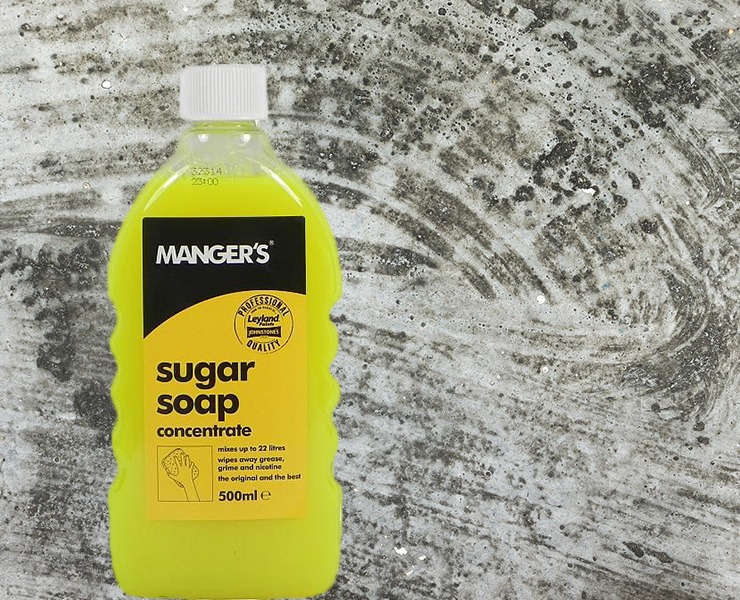
In the context of business finance, efficiency is key. Standard household cleaners often contain fragrances, emollients for skin protection, and sudsing agents that leave behind a film. For a homeowner, this is fine; for a commercial painter or property manager, this film is a contaminant. Sugar soap is a “lean” product. It is highly alkaline, which allows it to emulsify fats and oils—the primary culprits behind paint failure—without leaving an oily residue. Because it is highly concentrated, a single bottle can be diluted to clean an entire three-bedroom apartment, making its cost-per-square-foot impact negligible compared to the value it adds.
Sugar Soap vs. General Cleaners: A Comparative Analysis
When conducting a cost-benefit analysis of maintenance supplies, sugar soap consistently outperforms generic multi-purpose cleaners. Generic cleaners often require multiple applications to cut through heavy kitchen grease or tobacco stains. Sugar soap, designed for the rigors of the construction industry, cuts labor time in half. In any business, time is money. By reducing the hours spent on surface preparation, a property manager can reduce the “void period” (the time a property sits empty during renovations), thereby maximizing rental income.
Strategic Application: Maximizing ROI in Home Renovation
The strategic use of sugar soap is a hallmark of seasoned real estate professionals. It is not merely about making a room look “clean”; it is about optimizing the asset for its next financial phase, whether that is a sale or a new lease agreement.
The Pre-Paint Protocol for Rental Properties
High-turnover rental units often accumulate a layer of “invisible” grime—skin oils around light switches, cooking grease in kitchens, and atmospheric dust. If a property manager paints over this without using sugar soap, the new paint will eventually “alligator” or bubble. This necessitates a full strip-down later, which is exponentially more expensive than a preventive cleaning. Implementing a mandatory “Sugar Soap Protocol” between tenants ensures that every touch-up is permanent, maintaining the building’s aesthetic integrity and justifying higher rental premiums.
Revitalizing Commercial Spaces on a Budget
In commercial real estate, where square footage is vast, the cost of full-scale renovations can be prohibitive. Often, a commercial space doesn’t need a new coat of paint; it needs a deep chemical de-greasing. Sugar soap is powerful enough to remove industrial soot and heavy scuff marks that would defeat standard janitorial supplies. For a business owner, using sugar soap to “refresh” rather than “replace” can save thousands of dollars in capital expenditure, which can then be redirected into marketing or product development.
The Business of Clean: Scaling Maintenance Operations
For those managing a portfolio of properties or a maintenance business, the procurement and application of cleaning agents like sugar soap should be systematized. Systematic maintenance is the foundation of long-term wealth in real estate.
Inventory Management for Real Estate Portfolios
Purchasing sugar soap in bulk (concentrated powder form) is a savvy move for any property-based business. Unlike many liquid cleaners that have a shorter shelf life or are expensive to ship due to water weight, powdered sugar soap is stable, compact, and extremely cheap when bought at wholesale volumes. By standardizing the use of sugar soap across a maintenance team, a company ensures a consistent quality of work, which is vital for building a brand as a high-quality property provider.
Sustainable Practices and Long-Term Savings
There is also a growing financial incentive for eco-friendly maintenance. Modern sugar soap formulations are increasingly biodegradable and phosphate-free to comply with environmental regulations. From a marketing perspective, being able to claim “environmentally conscious maintenance” can be a selling point for younger, eco-minded tenants, allowing for a “green premium” on rents. Furthermore, by avoiding harsh solvent-based cleaners in favor of water-based sugar soap, property owners reduce the risk of long-term damage to surfaces and avoid the health-related liabilities associated with high-VOC (Volatile Organic Compound) chemicals.

Conclusion: The Bottom Line on Sugar Soap
What is sugar soap? To a casual observer, it is a simple cleaning product. To a financially literate property owner, it is a high-leverage tool used to protect capital, reduce labor costs, and maximize the return on every dollar spent on renovation.
In the macroeconomics of property management, success is found in the details. By understanding the chemical necessity of sugar soap for surface preparation, you are not just cleaning a wall; you are ensuring that your investment in that wall lasts for a decade rather than a season. Whether you are a solo “side-hustle” flipper or a corporate asset manager, the humble box of sugar soap remains one of the most effective ways to turn grime into home equity. In the quest for financial growth, sometimes the most important tool in your arsenal is the one that simply prepares the ground for the work to come.
aViewFromTheCave is a participant in the Amazon Services LLC Associates Program, an affiliate advertising program designed to provide a means for sites to earn advertising fees by advertising and linking to Amazon.com. Amazon, the Amazon logo, AmazonSupply, and the AmazonSupply logo are trademarks of Amazon.com, Inc. or its affiliates. As an Amazon Associate we earn affiliate commissions from qualifying purchases.