
In the landscape of modern finance and high-stakes investing, few sectors offer as much volatility and potential as the pharmaceutical industry. At the center of this intersection between life sciences and capital is Stelara (ustekinumab), a biologic medication that has become a cornerstone of Johnson & Johnson’s financial portfolio. While a physician might describe Stelara as a monoclonal antibody used to treat autoimmune conditions like plaque psoriasis, psoriatic arthritis, Crohn’s disease, and ulcerative colitis, a financial analyst views it as a “blockbuster” asset—a multi-billion-dollar revenue driver that dictates stock valuations and market sentiment.

Understanding what Stelara is used for requires looking beyond the clinical trial data and into the mechanics of healthcare economics. As one of the best-selling drugs in the world, Stelara represents the pinnacle of specialized medicine, where the cost of research and development meets the necessity of long-term recurring revenue.
The Revenue Giant: Analyzing Stelara’s Market Position and Corporate Impact
To understand the financial significance of Stelara, one must first examine its role within the corporate structure of its parent company, Janssen (a subsidiary of Johnson & Johnson). In the world of business finance, Stelara is categorized as a “blockbuster,” a term reserved for drugs that generate more than $1 billion in annual sales. However, Stelara has far exceeded this benchmark, consistently generating upwards of $9 billion to $10 billion annually in recent years.
The Anchor of the Immunology Portfolio
For investors, Stelara serves as the primary engine for Johnson & Johnson’s Innovative Medicine division. Its use across four major indications—psoriasis, psoriatic arthritis, Crohn’s, and colitis—creates a diversified revenue stream within a single product. Unlike “niche” drugs that target rare diseases with small patient populations, Stelara addresses chronic conditions that affect millions of people globally. This broad applicability ensures a steady, recurring cash flow, as these autoimmune conditions require long-term, often lifelong, maintenance therapy.
Market Share and Competitive Advantage
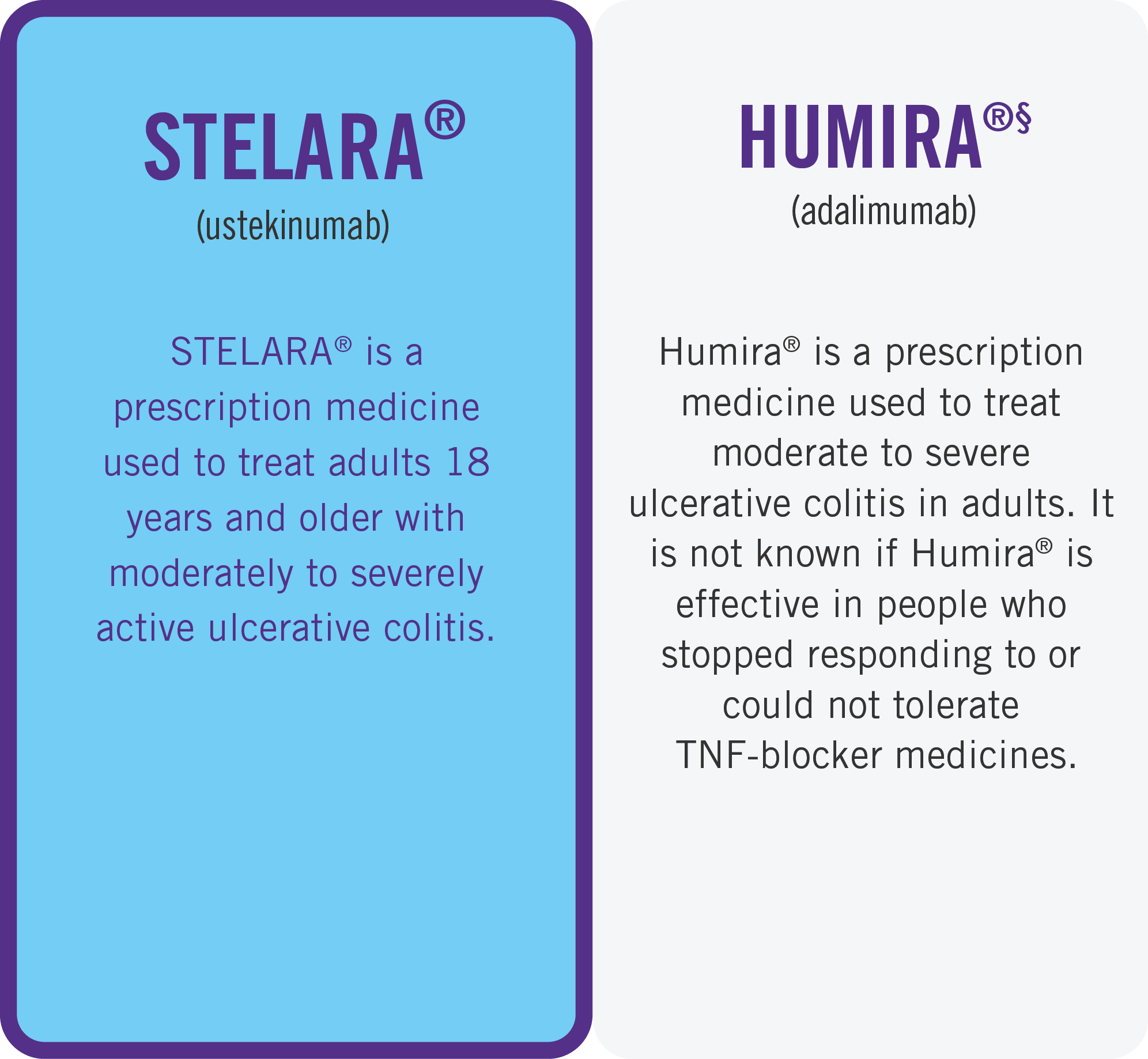
In the competitive landscape of immunology, Stelara maintains a dominant market share despite the presence of rival biologics like Humira and Cosentyx. Its financial success is driven by its dosing schedule; because it is often administered every 8 to 12 weeks, it offers a “value proposition” of convenience compared to daily or weekly alternatives. From a business strategy perspective, this convenience justifies a premium price point, allowing the manufacturer to maintain high margins even as the market for inflammatory treatments becomes increasingly crowded.
The High Cost of Biologics: A Personal and Business Finance Perspective
The question of what Stelara is used for is inextricably linked to its price tag. As a biologic drug—meaning it is grown in living cells rather than synthesized from chemicals—the manufacturing process is incredibly expensive. This complexity is reflected in the retail price, which can range from $12,000 to over $25,000 per dose depending on the dosage and the region.
The Impact on Insurance and Healthcare Spending
From a macro-finance perspective, Stelara is a significant line item for private insurers and government programs like Medicare. The “use” of Stelara involves a complex web of rebates, pharmacy benefit managers (PBMs), and institutional negotiations. For business finance professionals, the drug is a case study in “inelastic demand.” Because patients with severe Crohn’s or psoriasis often find no relief in cheaper, conventional medicines, insurers are compelled to cover high-cost biologics, ensuring a guaranteed revenue pipeline for the manufacturer regardless of broader economic downturns.
Personal Finance and Patient Access
On an individual level, the financial “use” of Stelara involves navigating the intricate world of specialty tier insurance. For patients, the cost of the drug is rarely the list price, but rather the “out-of-pocket” maximums and co-pay assistance programs. Johnson & Johnson utilizes “co-pay cards” as a strategic financial tool; by subsidizing the patient’s portion of the cost, the company ensures the patient stays on the medication, while the insurer continues to pay the lion’s share of the five-figure invoice. This is a sophisticated financial maneuver designed to protect market share from lower-cost competitors.
The Biosimilar Cliff: Financial Implications for Investors
Every major pharmaceutical asset eventually faces a “patent cliff”—the point at which exclusive rights expire, and competitors can enter the market with cheaper versions. For Stelara, this financial inflection point is one of the most watched events in the healthcare investment community.
The Arrival of Biosimilars
What Stelara is used for in 2024 and 2025 will be defined by the entry of “biosimilars.” Unlike “generics” for simple pills, biosimilars are highly similar versions of complex biologics. Companies like Amgen and Alvotech have been engaged in legal and financial maneuvering to launch their own versions of ustekinumab. For the original manufacturer, this represents a projected multi-billion-dollar “revenue erosion.” Investors monitor these legal settlements closely, as the specific date of biosimilar entry can swing a company’s valuation by billions of dollars overnight.
Strategies for Revenue Defense
To mitigate the financial impact of the patent cliff, companies employ a “lifecycle management” strategy. This involves shifting patients from the older drug (Stelara) to newer, patent-protected assets (such as Tremfya). By understanding what the original drug was used for, the company can market the new drug for the same conditions, effectively “flipping” the revenue base to a new product with another 20 years of patent protection. This is a critical tactic in corporate finance aimed at maintaining long-term dividend growth and earnings per share (EPS).
Strategic Investment in Biotechnology: The ROI of Stelara
When we ask what Stelara is used for, we are also asking about the Return on Investment (ROI) for modern medical research. Developing a biologic like Stelara costs billions of dollars and takes over a decade of clinical trials. The financial success of the drug serves as a justification for the high-risk, high-reward nature of the biotech sector.
Capital Allocation and R&D
The profits generated by Stelara are not merely distributed to shareholders; they are the primary source of capital for future research. In the business of “Money,” Stelara acts as a venture capital fund for the next generation of medicine. The cash flow from this one drug allows for the acquisition of smaller biotech startups and the funding of experimental “moonshot” projects in oncology or gene therapy. Therefore, the “use” of Stelara in a financial sense is to provide the liquidity necessary for corporate survival and innovation in a rapidly evolving market.
Valuation Metrics for Healthcare Stocks
For personal investors and fund managers, Stelara is a key metric in valuing Johnson & Johnson (J&J). Analysts use a “Sum of the Parts” (SOTP) valuation, where the projected future cash flows of Stelara are discounted to their present value. If the medical community finds a new “use” for the drug—such as a new FDA approval for a different inflammatory disease—the stock’s intrinsic value increases. Conversely, any regulatory change regarding drug pricing in the United States (such as the Inflation Reduction Act) directly impacts the projected earnings from Stelara, making it a focal point for political and economic risk assessment.

Conclusion: The Bottom Line on Stelara
In the final analysis, “what is Stelara used for” depends entirely on who is asking. To a patient, it is a life-altering treatment for chronic pain and inflammation. To a pharmaceutical giant, it is a strategic asset that safeguards the balance sheet. To an investor, it is a masterclass in market exclusivity, patent law, and the economics of high-margin specialty healthcare.
As the industry moves toward a new era of biosimilar competition and shifting regulatory landscapes, Stelara remains a primary example of how medical innovation translates into financial power. It illustrates the fundamental principle of the “Money” niche in healthcare: that the most valuable assets are those that solve complex problems for large populations over long periods. Whether it is through navigating the patent cliff or fueling the next decade of R&D, the financial legacy of Stelara will be felt in the markets long after its patents have expired. For those looking to understand the intersection of business finance and biotechnology, there is no better case study than the multi-billion-dollar journey of this single biologic.
aViewFromTheCave is a participant in the Amazon Services LLC Associates Program, an affiliate advertising program designed to provide a means for sites to earn advertising fees by advertising and linking to Amazon.com. Amazon, the Amazon logo, AmazonSupply, and the AmazonSupply logo are trademarks of Amazon.com, Inc. or its affiliates. As an Amazon Associate we earn affiliate commissions from qualifying purchases.