
In the evolving landscape of personal finance, consumers are constantly seeking innovative ways to manage expenses, and insurance stands as one of the most significant recurring costs for many. Enter Progressive Snapshot, a pioneering program from one of the largest auto insurers that fundamentally reshapes how car insurance premiums are calculated. Far from a mere discount program, Snapshot represents a leap into usage-based insurance (UBI), leveraging telematics technology to personalize rates based on actual driving habits rather than traditional demographic factors alone.
For decades, auto insurance premiums have been determined by a combination of factors: age, gender, marital status, vehicle type, location, credit score, and driving record. While these elements offer a broad actuarial assessment of risk, they don’t capture the granular details of an individual’s daily driving behavior. Progressive Snapshot aims to bridge this gap, offering drivers the opportunity to prove they are safe, responsible behind the wheel and potentially unlock significant savings. This article delves into the mechanics, financial implications, and broader impact of Progressive Snapshot, positioning it firmly within the realm of personal finance and financial tools.

The Core Concept: How Snapshot Works to Personalize Your Premium
At its heart, Progressive Snapshot is a data-driven initiative designed to reward safer drivers with lower premiums. It operates on the principle that how you drive is a more accurate indicator of your risk profile than simply who you are or where you live. By monitoring specific aspects of your driving, Progressive gathers insights that allow for a highly individualized rate adjustment.
Data Collection and Telematics
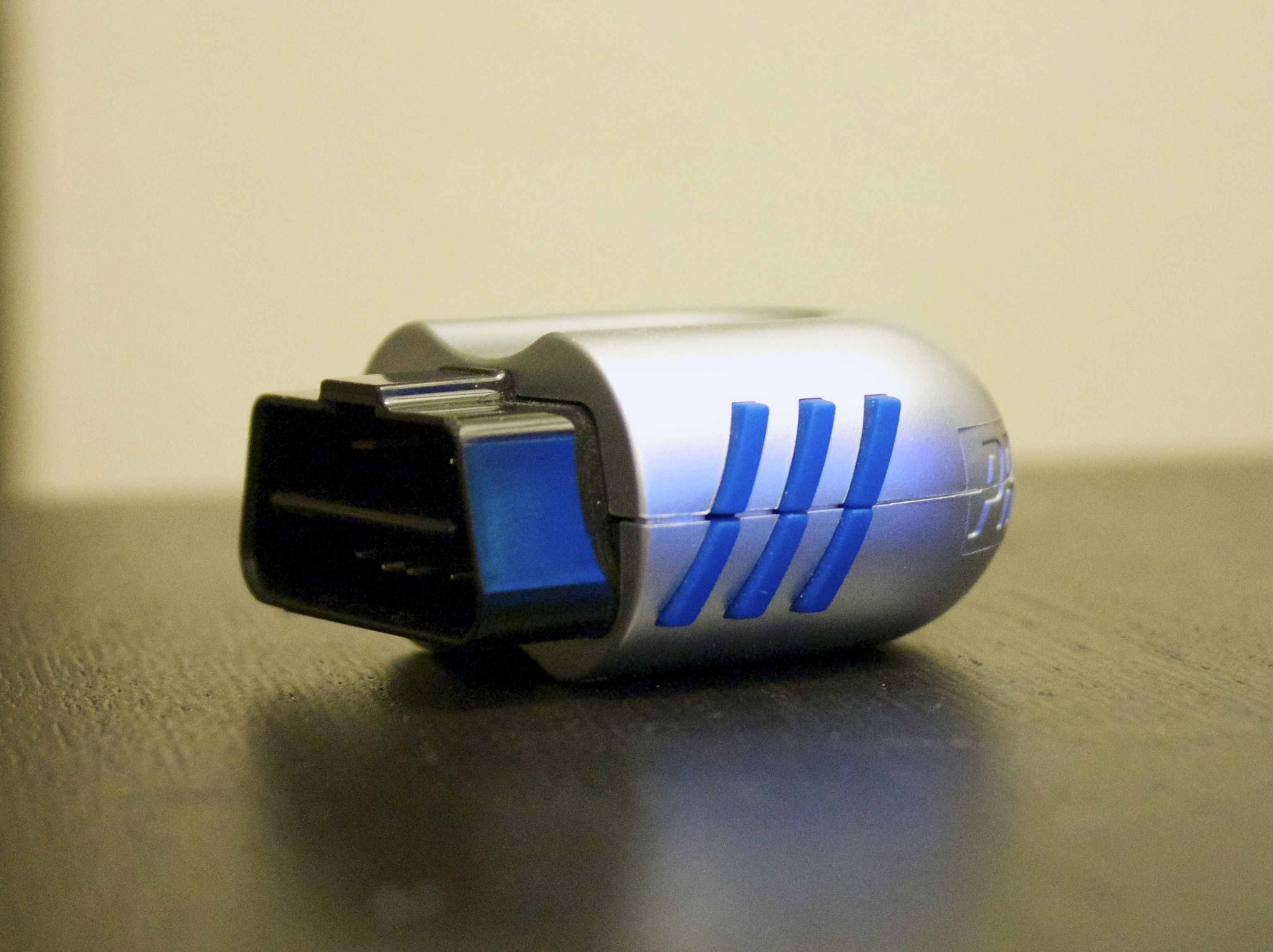
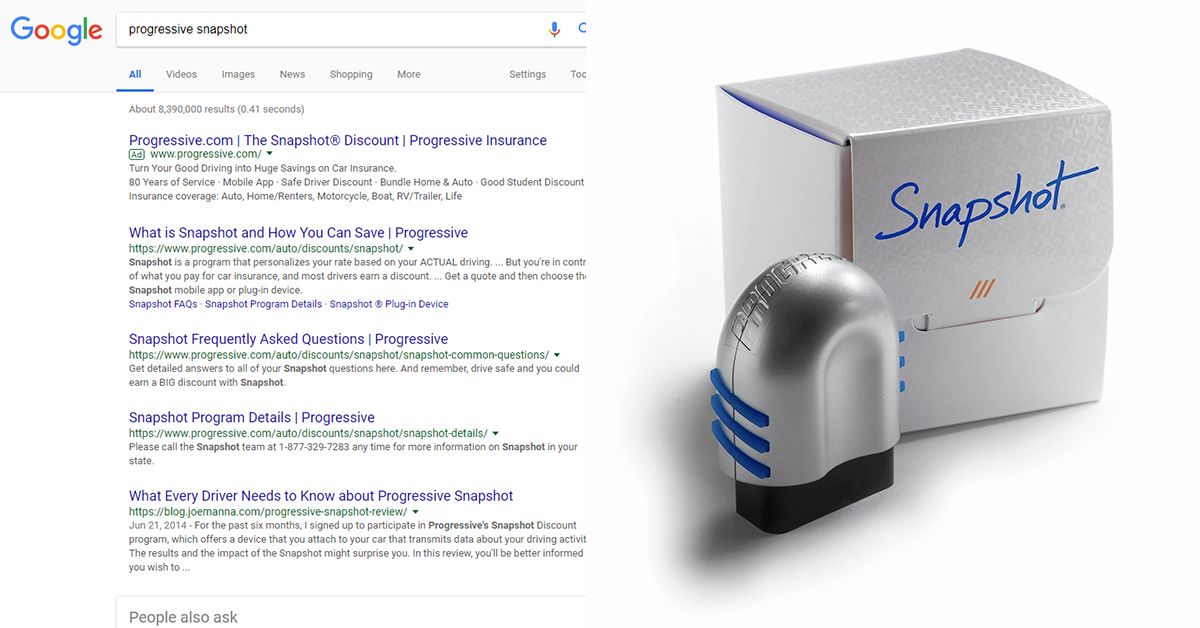
The foundation of Snapshot lies in telematics technology, which refers to the integrated use of telecommunications and informatics for sending, receiving, and storing information via telecommunication devices. For Snapshot, this typically involves a small device that plugs into your car’s On-Board Diagnostics (OBD-II) port, located under the dashboard of most vehicles manufactured after 1996. Alternatively, Progressive also offers a mobile app version, which uses your smartphone’s built-in sensors and GPS capabilities to collect similar data.
Once activated, these telematics tools begin recording driving behavior over a period, usually about 30 days. The data is then transmitted securely to Progressive for analysis. It’s a passive process for the driver after initial setup, with the device or app working silently in the background, continuously accumulating driving information.
The Driving Data Analyzed
Progressive Snapshot focuses on several key metrics to assess driving safety and habits. These are the factors that directly influence the personalized discount (or surcharge) you might receive:
-
Hard Braking: Frequent or abrupt deceleration can indicate inattentive driving, following too closely, or a propensity for sudden stops. This is a significant factor in accident risk.
-
Fast Acceleration: Rapid acceleration is often associated with aggressive driving, which can lead to increased risk of collisions, especially in congested areas or at intersections.
-
Time of Day Driven: Driving during late-night hours (e.g., midnight to 4 AM) is statistically more dangerous due to reduced visibility, increased fatigue, and a higher likelihood of impaired drivers on the road. Drivers who frequently operate their vehicles during these times may see a less favorable adjustment.
-
Mileage Driven: While not strictly a measure of how you drive, the total number of miles you drive directly correlates with your exposure to risk. Fewer miles generally mean less time on the road and thus a lower chance of an accident.
-
Phone Usage While Driving (App-Specific): If using the mobile app version of Snapshot, the system may detect phone interactions like calls or texting while the vehicle is in motion, a major distraction and significant risk factor.
It’s crucial to understand that Snapshot isn’t designed to catch every minor infraction but rather to identify consistent patterns of risky or safe driving behavior.
The Snapshot Device vs. Mobile App
Progressive offers flexibility in how drivers participate in the Snapshot program. The choice between the plug-in device and the mobile app often comes down to personal preference and compatibility:
-
Plug-in Device: This small hardware unit connects directly to your car’s OBD-II port. It’s generally considered reliable for data collection and doesn’t rely on your phone’s battery or data plan. Installation is straightforward, and the device is typically returned to Progressive after the monitoring period.
-
Mobile App: The Snapshot mobile app utilizes your smartphone’s sensors (accelerometer, gyroscope, GPS) to collect driving data. It offers convenience, as there’s no physical device to install, but it does consume phone battery and mobile data. Drivers must ensure the app is consistently running in the background for accurate data collection. Some drivers may prefer the app for its ease of use, while others might find the battery drain or data usage a drawback. Both methods are designed to provide similar insights into driving behavior.
Financial Implications: Savings, Risk Assessment, and Personalized Rates
The primary allure of Progressive Snapshot, from a financial perspective, is the promise of lower insurance premiums. By providing a more accurate, real-time assessment of individual risk, Snapshot aims to align premium costs more closely with actual driving habits, moving beyond generalized actuarial tables.
Potential Discounts and Premium Adjustments
Upon enrolling in Snapshot, most drivers immediately receive an initial participation discount, which is applied to their premium for the monitoring period. This upfront saving provides an immediate financial incentive. Once the monitoring period concludes (typically after about 30 days for the plug-in device, or a few months for the app), Progressive analyzes the accumulated driving data to calculate a personalized rate.
Drivers who demonstrate safe habits—less hard braking, smooth acceleration, driving fewer miles, and avoiding late-night driving—are likely to receive a more substantial discount on their renewal premium. This discount can range from a few percent to upwards of 20-30% for exceptionally safe drivers, representing significant annual savings. Conversely, drivers whose habits indicate higher risk may see their premium increase, though Progressive emphasizes that the initial participation discount ensures no immediate rate hike simply for trying the program.
Impact on Insurance Models and Underwriting
Snapshot represents a paradigm shift in how insurance companies approach underwriting. Traditionally, insurance models relied heavily on statistical aggregates and demographic data to predict risk. UBI, powered by telematics, allows insurers to move towards a more granular, individual-level risk assessment. This has several implications:
-
Fairer Pricing: The concept allows for “fairer” pricing in the sense that individuals with demonstrably safer driving habits are not penalized by the risk profiles of broader demographic groups they belong to.
-
Behavioral Economics: It leverages principles of behavioral economics by providing a direct feedback loop between behavior (driving) and financial outcomes (insurance cost). Knowing that driving habits are being monitored can encourage safer driving.
-
Data-Driven Decisions: The vast amounts of data collected through UBI programs provide insurers with richer, more dynamic insights into accident causation and risk factors, potentially leading to more accurate and efficient insurance products in the future.
Understanding Your Personalized Rate
Drivers participating in Snapshot receive regular updates, either via the app or through their online Progressive account, allowing them to monitor their performance and understand how their habits are impacting their potential discount. This transparency empowers drivers to adjust their behavior if they wish to improve their score and maximize savings.
At the end of the monitoring period, Progressive calculates a personalized rate based on the collected data. This rate is then applied to the subsequent policy renewal. It’s a dynamic process: if a driver continues with Snapshot for future policy terms, their driving behavior can continue to influence their rate. This means consistent safe driving can lead to sustained savings, making Snapshot a valuable long-term financial tool for managing transportation costs.
Benefits and Considerations for Drivers
While the promise of lower premiums is a powerful incentive, engaging with Progressive Snapshot involves weighing various benefits against potential concerns, primarily around privacy and the impact on one’s financial outlook.
Who Benefits Most from Snapshot?
The ideal candidate for Progressive Snapshot is typically a driver who:
-
Has demonstrably safe driving habits: Someone who rarely speeds, avoids hard braking, accelerates smoothly, and maintains consistent speeds.
-
Drives fewer miles: Less time on the road means less exposure to risk, directly benefiting the Snapshot score.
-
Avoids late-night driving: Drivers who primarily use their vehicles during daytime hours or for short commutes tend to fare better.
-
Is comfortable with technology and data sharing: An understanding and acceptance of how telematics data is collected and used is essential.
Younger drivers, or those who traditionally face higher premiums due to age or lack of extensive driving history, may find Snapshot particularly beneficial. It offers them a tangible way to prove their responsibility behind the wheel and potentially offset otherwise high rates.
Addressing Privacy Concerns and Data Security
One of the most common concerns surrounding UBI programs like Snapshot is privacy. Drivers often wonder what data is collected, how it’s used, and who has access to it. Progressive addresses these concerns by emphasizing:
-
Data Usage Specificity: The collected data is primarily used for calculating insurance premiums and for internal research and development of insurance products. It is not generally shared with third parties for marketing purposes.
-
Anonymization and Aggregation: While individual driving data is used for personalized rates, for broader analysis, data is often anonymized and aggregated to protect individual identities.
-
Secure Transmission: Data is transmitted using secure, encrypted protocols to protect against unauthorized access.
-
Legal Compliance: Progressive adheres to state and federal privacy laws regarding data collection and usage.
However, it’s important for any participant to read the terms and conditions carefully to fully understand the scope of data collection and privacy policies. The trade-off for potential financial savings is a degree of data sharing about personal habits.
The No-Penalty Guarantee (and the Potential for Higher Rates)
Progressive often promotes a “no-penalty guarantee” during the initial monitoring period for Snapshot. This means that during your first policy term using Snapshot, your rate will not increase based on your Snapshot data. If your driving habits suggest a higher risk, your rate will simply not decrease as much as it might have. This guarantee encourages drivers to try the program without the immediate fear of a surcharge.
However, it’s crucial to understand that after the initial guaranteed period, if you continue with the program for subsequent policy renewals, your driving behavior can result in a higher premium if your habits are consistently risky. While the program is designed to reward safe drivers, it also identifies and prices higher-risk behavior. This makes it a serious financial tool that requires a commitment to safer driving to truly reap the benefits in the long run. Drivers should be aware that once past the initial monitoring phase, opting out of Snapshot might be necessary if their driving habits consistently lead to higher premiums than they would otherwise pay.
Beyond Snapshot: The Future of Usage-Based Insurance (UBI)
Progressive Snapshot is a prominent example, but it’s part of a larger trend in the insurance industry toward UBI. This shift reflects advances in technology, changing consumer expectations, and a desire for more personalized financial products.
Evolution of Telematics Technology
The technology underpinning UBI is constantly evolving. Future iterations may include:
-
Advanced Sensor Integration: Beyond OBD-II ports and smartphones, cars are increasingly equipped with built-in sensors, cameras, and GPS systems directly from the manufacturer. This could lead to factory-integrated UBI programs.
-
Predictive Analytics and AI: Sophisticated algorithms and artificial intelligence will refine the analysis of driving data, potentially identifying subtle patterns that correlate with risk or safety more accurately.
-
Contextual Awareness: Future systems might better understand the context of driving (e.g., distinguishing between hard braking due to an emergency versus aggressive driving) or even factor in road conditions and weather.
-
Gamification and Real-time Feedback: More engaging apps could offer real-time coaching, challenges, and rewards to further encourage safer driving habits, making the financial incentive more immediate and interactive.
Broader Trends in Personalized Insurance
The move towards UBI is symptomatic of a broader trend towards personalization across the financial services sector. Consumers increasingly expect products and services tailored to their individual needs and behaviors, rather than one-size-fits-all solutions. In insurance, this extends beyond auto to health, home, and life insurance, where personal data and IoT devices could play a role in risk assessment and premium calculation. This personalized approach aims to create more competitive and efficient markets, rewarding individuals for proactive risk management.
Weighing the Pros and Cons of UBI
For consumers, the decision to opt into a UBI program like Snapshot involves a careful consideration of its advantages and disadvantages:
Pros:
-
Potential for significant savings: Especially for safe, low-mileage drivers.
-
Fairer pricing: Rates are based on individual behavior, not just broad demographics.
-
Increased awareness of driving habits: Can encourage safer driving.
-
Transparent feedback: Drivers can see how their actions affect their rates.
Cons:
-
Privacy concerns: Sharing detailed driving data with an insurer.
-
Potential for higher rates: If driving habits are deemed risky after the initial guarantee.
-
Technology reliance: Requires a device or consistent app usage.
-
Impact on casual driving: Some might feel “watched” or alter driving behavior unnaturally.
Conclusion: Making an Informed Financial Decision
Progressive Snapshot stands as a prime example of how technology is revolutionizing personal finance, offering a direct link between individual behavior and financial outcomes. For drivers seeking to proactively manage their auto insurance costs, Snapshot presents a compelling proposition. It transforms a traditionally static expense into a dynamic one, where conscious driving decisions can directly translate into tangible savings.
However, like any financial tool that relies on data, it requires an informed decision. Understanding how the program works, what data is collected, and the potential impact on your premiums is crucial. For those who embrace safe driving and are comfortable with the concept of usage-based insurance, Snapshot can be a powerful ally in the quest for optimized personal finance. It’s more than just a discount; it’s an invitation to take control of a significant household expense through conscious choices on the road.
aViewFromTheCave is a participant in the Amazon Services LLC Associates Program, an affiliate advertising program designed to provide a means for sites to earn advertising fees by advertising and linking to Amazon.com. Amazon, the Amazon logo, AmazonSupply, and the AmazonSupply logo are trademarks of Amazon.com, Inc. or its affiliates. As an Amazon Associate we earn affiliate commissions from qualifying purchases.