
In the rapidly evolving landscape of healthcare technology, the diagnosis and management of congenital conditions have undergone a profound paradigm shift. One such condition, laryngomalacia—the most common cause of noisy breathing (stridor) in infants—has transitioned from a purely clinical observation to a data-driven diagnostic challenge. As we move further into the decade, the intersection of pediatric medicine and advanced technology is redefining how we understand the “floppy larynx.” This article explores the technological advancements, software integrations, and digital diagnostic tools that are currently shaping the treatment of laryngomalacia.

Decoding Laryngomalacia: From Clinical Observation to Digital Diagnostics
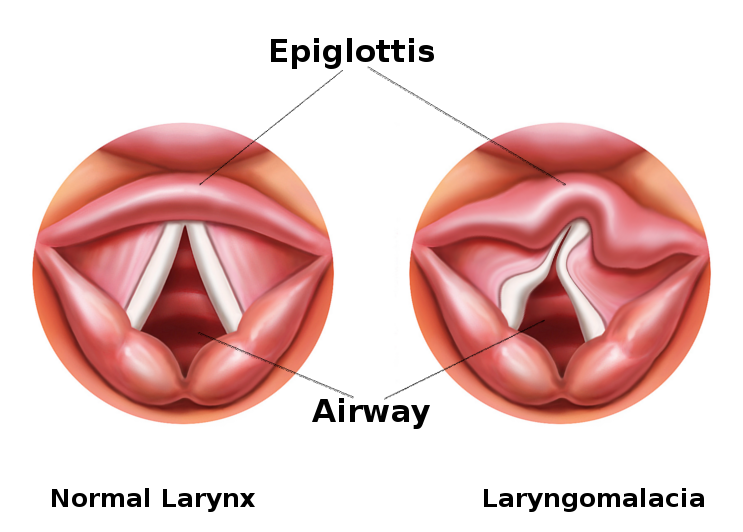
Laryngomalacia occurs when the tissues of the larynx (voice box) above the vocal cords are unusually soft. When an infant inhales, these tissues collapse inward, obstructing the airway and creating a high-pitched sound. While the condition is biological, the methods used to quantify its severity have become increasingly technological.
The Anatomy of the Softened Larynx and Digital Mapping
In the past, diagnosis relied heavily on the naked eye and traditional stethoscopes. Today, 3D anatomical modeling software allows otolaryngologists to map the specific collapse patterns of the aryepiglottic folds and the epiglottis. By using digital rendering, surgeons can visualize the obstruction in a virtual environment before ever entering the operating room. This technological leap allows for a personalized approach to each infant’s unique airway architecture.
High-Definition Fiber-Optic Endoscopy (FEES)
The gold standard for diagnosing laryngomalacia is flexible fiber-optic laryngoscopy. Modern MedTech has pushed this further with ultra-thin, high-definition (HD) endoscopes that can be navigated through an infant’s narrow nasal passage with minimal trauma. These devices are now equipped with CMOS sensor technology, providing crystal-clear video feeds that can be analyzed frame-by-frame using software to determine the exact degree of prolapse during the respiratory cycle.
The Role of AI and Machine Learning in Automated Sound Analysis
The most distinct symptom of laryngomalacia is stridor. Traditionally, a physician’s ear was the primary tool for assessment. However, the integration of Artificial Intelligence (AI) and Digital Signal Processing (DSP) is automating this process, removing human error and subjective bias.
Acoustic Fingerprinting for Stridor Identification
AI algorithms are now being trained on thousands of audio samples of pediatric breathing. By identifying the specific frequency and cadence of the stridor associated with laryngomalacia, these software tools can differentiate it from other conditions like tracheomalacia or vocal cord paralysis. This “acoustic fingerprinting” allows for faster triage in busy clinical settings, ensuring that the most severe cases are prioritized for specialist intervention.
Predictive Modeling for Surgical vs. Non-Surgical Outcomes
Not every case of laryngomalacia requires surgery; in fact, approximately 90% of cases resolve on their own by the age of two. The tech challenge lies in identifying the 10% that will fail to thrive. Machine learning models now analyze multi-variant data sets—including birth weight, oxygen saturation levels, and feeding efficiency scores—to predict which infants are likely to require a supraglottoplasty (surgical repair). These predictive analytics tools help clinicians make evidence-based decisions, reducing unnecessary procedures and optimizing hospital resources.
Telehealth and Remote Monitoring: The Tech Stack for Home Care
The management of laryngomalacia often takes place over several months. For parents, the anxiety of monitoring a child’s breathing at home is significant. Technology is bridging the gap between hospital-grade monitoring and home-based care through a sophisticated tech stack of apps and wearables.
Wearable Sensors and IoT Integration
Internet of Things (IoT) devices specifically designed for infants, such as smart socks or wearable chest sensors, track continuous pulse oximetry (SpO2) and respiratory rates. These devices sync via Bluetooth to parent-facing apps, which use cloud-based algorithms to detect patterns of obstructive sleep apnea (OSA)—a common complication of laryngomalacia. If the software detects a trend of desaturation during sleep, it can trigger alerts for both the parents and the medical team.
Cloud-Based Patient Portals and Asynchronous Video Consults
Telehealth platforms have evolved beyond simple video calls. Dedicated pediatric ENT portals allow parents to upload high-quality video recordings of their child’s “noisy breathing” directly to a secure server. Specialists can then use video analysis software to review these clips asynchronously. This reduces the need for frequent in-person visits, which is particularly beneficial for families living in rural areas or those with limited access to specialized pediatric centers.
Advanced Surgical Technologies: Precision and Robotics
When conservative management fails and an infant’s growth or oxygenation is compromised, technology steps into the operating room. The evolution from “cold knife” surgery to laser-guided precision has drastically improved recovery times and outcomes.
CO2 Lasers and Micro-Debriders in Supraglottoplasty
The standard surgical intervention, supraglottoplasty, has been revolutionized by the CO2 laser. This technology allows for the bloodless excision of redundant laryngeal tissue with micron-level precision. The laser software allows the surgeon to control the pulse duration and energy density, minimizing thermal damage to surrounding healthy tissue. This high-tech approach reduces postoperative swelling, which is the primary risk factor in pediatric airway surgery.
The Future of Pediatric Robotic-Assisted Surgery
While still in the nascent stages for pediatric otolaryngology, robotic-assisted platforms are the next frontier. The challenge has always been the size of the instruments relative to an infant’s larynx. However, recent developments in “micro-robotics” are aiming to provide surgeons with enhanced dexterity and 3D visualization within the confined space of the neonatal airway. These systems use haptic feedback technology to give the surgeon a “sense of touch” through the digital interface, further increasing safety margins.
Data Security and Interoperability in Pediatric Care
As we digitize the management of laryngomalacia, the technical infrastructure behind data storage and sharing becomes paramount. Pediatric medical records are among the most sensitive types of data, requiring robust security protocols.
Protecting Sensitive Medical Data with End-to-End Encryption
The software used to store endoscopic videos and AI-generated breathing reports must comply with strict regulations such as HIPAA (Health Insurance Portability and Accountability Act) and GDPR. Modern MedTech companies are implementing end-to-end encryption and multi-factor authentication for their cloud storage solutions. This ensures that while a specialist in another city can view a child’s diagnostic video for a second opinion, the data remains inaccessible to unauthorized parties.
The Integration of EHR and Imaging Software
Interoperability is a major trend in health tech. The goal is to have the video footage from the fiber-optic scope, the acoustic analysis of the stridor, and the pulse oximetry data from the wearable sensor all live within a single Electronic Health Record (EHR). Integrated software suites are being developed to allow these disparate data points to communicate. This “single pane of glass” view provides the clinical team with a holistic digital profile of the patient’s condition, leading to more coordinated and efficient care.

Conclusion: The Horizon of MedTech in Airway Management
Laryngomalacia, once a condition diagnosed through observation and managed through “waiting and seeing,” has entered the digital age. From AI-driven sound analysis and HD endoscopic imaging to IoT-based home monitoring and precision laser surgery, technology is at the forefront of pediatric otolaryngology.
The future of this field lies in the continued refinement of these digital tools. As AI models become more sophisticated and hardware becomes even smaller and less invasive, the “tech-enabled” pediatrician will be able to offer even more precise, personalized, and effective care. For the thousands of families dealing with laryngomalacia, these technological advancements offer more than just data—they offer peace of mind and better health outcomes for the most vulnerable patients.
aViewFromTheCave is a participant in the Amazon Services LLC Associates Program, an affiliate advertising program designed to provide a means for sites to earn advertising fees by advertising and linking to Amazon.com. Amazon, the Amazon logo, AmazonSupply, and the AmazonSupply logo are trademarks of Amazon.com, Inc. or its affiliates. As an Amazon Associate we earn affiliate commissions from qualifying purchases.