
In the realm of modern manufacturing and material science, few processes are as critical yet misunderstood as anodizing. If you have ever held a sleek, space-gray laptop, marveled at the vibrant blue of a high-end bicycle frame, or examined the heat sinks inside a high-performance gaming PC, you have interacted with the results of anodizing. Far from being a mere layer of paint, anodizing is a sophisticated electrochemical process that transforms the very surface of a metal into a durable, corrosion-resistant, and aesthetically versatile finish.
As technology pushes toward thinner, lighter, and more durable devices, understanding the “tech” behind the finish becomes essential. Anodizing is not just a cosmetic choice; it is a structural enhancement that bridges the gap between raw metallurgy and high-performance engineering.

The Science of Surface Transformation: How Anodizing Works
At its core, anodizing is the process of increasing the thickness of the natural oxide layer on the surface of metal parts. While many metals can be anodized—including titanium, magnesium, and zinc—aluminum is by far the most common subject of this process. To understand the technology, one must look at the chemistry involved.
The Electrochemical Process
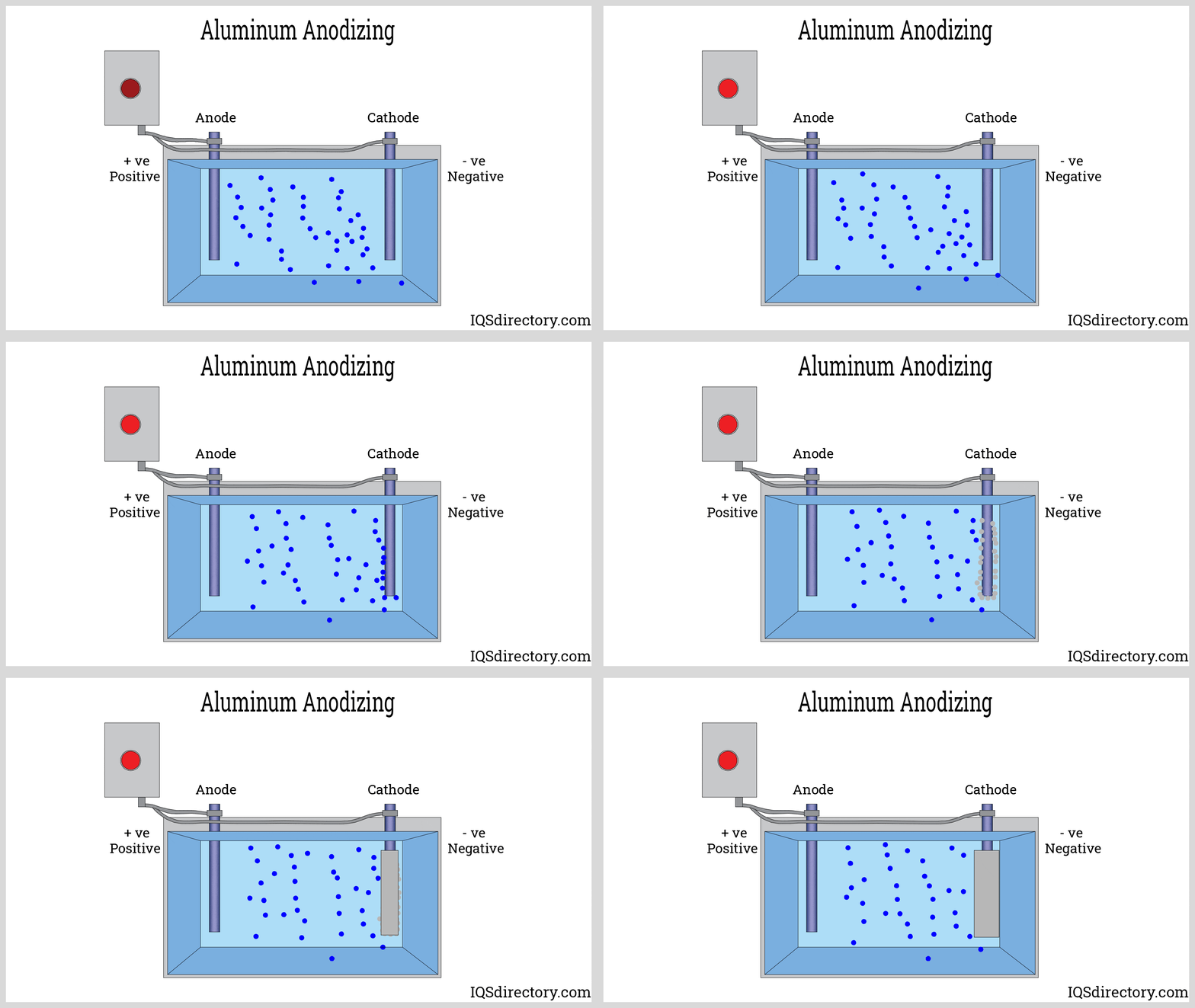
Unlike painting or plating, which adds a layer on top of the metal, anodizing is “integrous” to the substrate. The process takes place in an electrolytic cell. The aluminum part is submerged in an acid electrolyte bath (usually sulfuric acid) and acts as the anode (the positive electrode). A current is passed through the solution, causing oxygen ions to be released from the electrolyte. These ions combine with the aluminum atoms at the surface of the part to create aluminum oxide ($Al2O3$).
Because this oxide layer is grown from the aluminum rather than applied to it, it cannot peel or flake off. The resulting structure is highly regular and porous at a microscopic level, resembling a honeycomb of hexagonal cells. This porosity is a key technological feature, as it allows for the infusion of dyes or lubricants before the surface is “sealed.”
The Three Main Classifications: Type I, II, and III
In the industrial tech sector, anodizing is categorized by the military specification MIL-A-8625, which defines three primary types:
-
Type I (Chromic Acid Anodizing): This is the oldest form and results in the thinnest coatings. It is primarily used in aerospace applications where corrosion resistance is required but fatigue strength must be maintained.
-
Type II (Sulfuric Acid Anodizing): This is the “standard” anodizing seen in most consumer products. It provides a balance of moderate thickness, excellent dye absorption, and cost-effectiveness.
-
Type III (Hardcoat Anodizing): As the name suggests, this is a heavy-duty tech process. It is performed at lower temperatures with higher current densities, resulting in a much thicker and denser oxide layer. Hardcoat is used for components that face extreme wear, such as pistons, valves, and heavy-duty gears.
Anodizing in Modern Hardware and Gadgets
The tech industry’s obsession with “premium feel” and “structural integrity” has made anodizing the gold standard for consumer electronics. It is the reason why a smartphone feels cool and metallic rather than plastic and cheap, while remaining light enough for daily use.
Consumer Electronics: The MacBook and iPhone Legacy
Companies like Apple and Microsoft have turned anodizing into a core part of their brand’s technological identity. For example, the “Unibody” construction of a MacBook relies on a single block of CNC-machined aluminum that is subsequently anodized.
The technology allows these companies to achieve specific “metallic” colors that are impossible with paint. Because the dye is trapped inside the microscopic pores of the oxide layer before it is sealed, the color appears to come from within the metal. This provides a depth of color and a metallic luster that signifies high-tech precision. Furthermore, the non-conductive nature of the oxide layer provides a degree of electrical insulation, which is vital when designing compact devices with internal batteries and circuitry.
Aerospace and Automotive Standards
Beyond the gadgets in our pockets, anodizing is a foundational technology in transport tech. In aerospace, where every gram of weight matters, aluminum components must be protected from the extreme temperature fluctuations and corrosive environments of high-altitude flight. Anodizing provides this protection without the weight penalty of heavy coatings.
In the automotive sector, especially with the rise of Electric Vehicles (EVs), thermal management is a massive engineering hurdle. Anodized aluminum heat sinks and battery housings are used because the process does not interfere with the metal’s ability to dissipate heat, while providing the necessary chemical resistance to survive road salts and moisture.

Engineering Advantages: Beyond Just Aesthetics
While the visual appeal of anodized metal is undeniable, the engineering justifications for using this technology are rooted in performance and longevity.
Corrosion Resistance and Surface Hardness
Raw aluminum is a reactive metal; it naturally forms a thin oxide layer when exposed to air, but this layer is inconsistent and weak. Anodizing creates a controlled, uniform layer that is significantly harder than the base metal. On the Mohs scale of mineral hardness, aluminum oxide is second only to diamond.
This hardness makes anodized parts exceptionally resistant to scratches and abrasion. In an era where “Right to Repair” and product longevity are becoming central to tech discussions, anodizing stands out as a technology that extends the lifecycle of hardware by protecting the chassis from environmental degradation.
Thermal Management and Dielectric Properties
In high-performance computing and power electronics, heat is the enemy of efficiency. Anodizing is a “thin-film” technology, meaning the oxide layer is usually between 0.5 and 2.5 mils thick. This is thin enough that it does not act as a significant thermal insulator, allowing the aluminum beneath to continue conducting heat away from sensitive components.
Additionally, the aluminum oxide layer is a “dielectric”—it is an electrical insulator. This is a massive advantage in PCB (Printed Circuit Board) housing design. Engineers can use anodized enclosures to prevent short circuits if a component accidentally touches the casing, adding a layer of safety and reliability to the hardware stack.
Sustainable Manufacturing Tech: The Future of Anodizing
As the technology industry faces increasing pressure to adopt “Green Tech” and sustainable manufacturing practices, anodizing has emerged as one of the more environmentally friendly finishing processes available today.
Eco-friendly Aspects of the Process
Unlike electroplating (which often involves hazardous heavy metals like hexavalent chromium or cyanide) or liquid painting (which releases Volatile Organic Compounds or VOCs), anodizing is a relatively “clean” electrochemical process. The chemical byproducts are largely neutralized and can be managed effectively in modern wastewater treatment facilities.
Furthermore, because anodized aluminum is 100% recyclable, it supports a circular economy. The oxide layer does not need to be “stripped” in the same way heavy paint does during the recycling process; it can be integrated back into the melt or easily drossed off, making the tech an attractive choice for brands aiming for carbon neutrality.
Future Innovations: Nano-Anodizing and Self-Healing Surfaces
The future of this tech lies in the realm of nanotechnology. Researchers are currently developing “smart” anodized surfaces that incorporate nanostructures capable of repelling bacteria (antimicrobial coatings) or even “self-healing” when scratched.
By manipulating the pore structure at the nanometer scale, engineers can create surfaces that are super-hydrophobic (water-repellent), which could lead to electronics that are truly waterproof without the need for bulky rubber seals. We are also seeing the emergence of “plasma electrolytic oxidation” (PEO), an advanced form of anodizing that uses higher voltages to create ceramic-like surfaces on light metals, pushing the boundaries of what aluminum can achieve in extreme tech environments like deep-sea exploration or space travel.
Conclusion
Anodizing is far more than a color choice on a spec sheet. It is a vital manufacturing technology that enables the modern digital and industrial world to function. By combining the principles of chemistry and electrical engineering, anodizing transforms a common metal like aluminum into a high-performance material capable of withstanding the rigors of space, the heat of a processor, and the daily wear of a smartphone.
As we move toward a future defined by sustainable engineering and miniaturized tech, the role of anodizing will only grow. It remains a perfect example of how an “old” industrial process can be refined and reimagined to meet the demands of the most cutting-edge technological frontiers. Whether you are an engineer, a tech enthusiast, or a consumer, the hidden oxide layer on your devices is a testament to the invisible tech that makes our modern lives possible.
aViewFromTheCave is a participant in the Amazon Services LLC Associates Program, an affiliate advertising program designed to provide a means for sites to earn advertising fees by advertising and linking to Amazon.com. Amazon, the Amazon logo, AmazonSupply, and the AmazonSupply logo are trademarks of Amazon.com, Inc. or its affiliates. As an Amazon Associate we earn affiliate commissions from qualifying purchases.