
In the contemporary academic and professional landscape, the ability to dissect complex information and present it in a structured format is more critical than ever. As we navigate an era defined by Big Data, artificial intelligence, and rapid technological shifts, the “analytical essay” has evolved. It is no longer just a staple of humanities classrooms; it has become a foundational skill for tech-literate professionals who must interpret data, evaluate software architecture, or critique the societal impacts of emerging technologies.
At its core, an analytical essay is a piece of writing that moves beyond mere description or summary to offer an interpretation, evaluation, or breakdown of a specific subject. Whether you are analyzing a line of code, a literary work, or a cybersecurity protocol, the goal remains the same: to deconstruct the whole into its component parts to understand how they function together to create a specific effect or meaning.

Defining the Analytical Essay in the Digital Tech Era
To understand what an analytical essay is today, one must differentiate it from other forms of writing. Unlike a descriptive essay, which tells you what something is, or a narrative essay, which tells you what happened, an analytical essay explains why and how. In the context of technology, this involves moving from the “surface level”—the user interface or the basic functionality—to the underlying logic and systemic implications.
Moving Beyond Summary to Insight
The most common mistake beginners make is falling into the trap of summary. In a tech-focused analytical essay, summarizing a new AI model’s features is not analysis. Analysis begins when you ask: How does this model’s transformer architecture facilitate better natural language processing than its predecessors? Or, What are the ethical implications of this algorithm’s data-gathering techniques?
Insight is the “output” of your mental processing. If a summary is a “read-only” file, analysis is the “executable code” that produces a new perspective. You are not just reporting data; you are interpreting it to prove a specific thesis.
The Role of Digital Literacy in Modern Analysis
In the past, analysis relied solely on library research and manual note-taking. Today, digital literacy is a prerequisite for high-level analytical writing. This includes the ability to navigate academic databases, use data scraping tools responsibly, and utilize software to organize complex thoughts. An analytical essay in the 21st century is often a synthesis of traditional critical thinking and modern digital discovery. It requires the writer to verify sources in an age of deepfakes and algorithmic bias, making the “analytical” aspect of the essay even more rigorous.
Leveraging AI and Software for Data-Driven Analysis
The process of writing an analytical essay has been revolutionized by the advent of AI tools and sophisticated software. While the core intellectual labor remains human, the “tech stack” available to the modern writer can significantly enhance the depth and precision of the analysis.
AI as a Research Assistant: From LLMs to Academic Databases
Large Language Models (LLMs) like GPT-4, Claude, and specialized tools like Perplexity AI have changed the research phase of the analytical essay. These tools can be used to brainstorm themes, summarize vast amounts of background literature, or find connections between disparate data points.
However, the analytical writer must use these tools as assistants, not authors. The tech-savvy analyst uses AI to simulate “counter-arguments” or to check for logical fallacies in their draft. By prompting an AI to “critique this thesis from a privacy-first perspective,” a writer can find gaps in their logic before they even begin the first paragraph.
Using Visualization Tools to Support Your Thesis
In tech-centric analysis, “show, don’t just tell” often involves data visualization. Analytical essays today frequently incorporate charts, graphs, or flowcharts generated via tools like Tableau, Power BI, or even simple Python libraries like Matplotlib.
If you are writing an analytical essay on the growth of cloud computing, a well-placed data visualization serves as “hard evidence.” It allows the reader to see the trends you are analyzing in real-time. This integration of visual data and textual analysis is a hallmark of modern technical communication, bridging the gap between raw data and human understanding.
The Architecture of an Analytical Essay: A Tech-Forward Framework
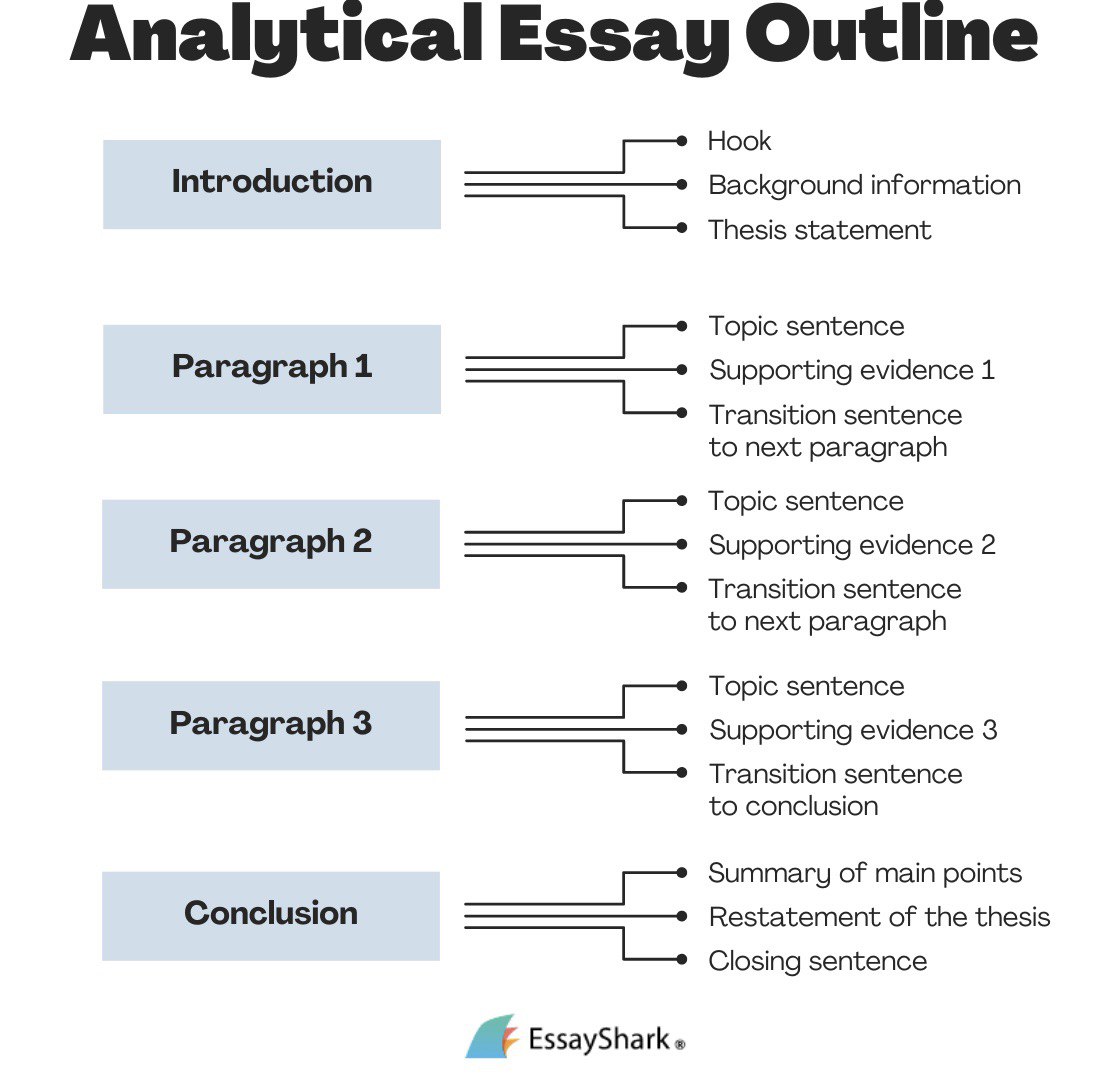
A successful analytical essay requires a robust structure, much like a well-engineered software application. It needs a clear entry point, a logical flow of operations, and a conclusion that synthesizes the results.
The “Hook” and Thesis in a High-Tech Context
The introduction of your essay is your “User Interface.” It must engage the reader immediately. In a tech-focused essay, this might involve a startling statistic about digital security or a provocative question about the future of human-computer interaction.
The centerpiece of the introduction is the thesis statement. In analytical writing, the thesis is your “Root Directory.” Everything else in the essay branches out from this single, debatable claim. A weak thesis says, “This app has many features.” A strong, analytical thesis says, “The app’s reliance on gamification mechanics prioritizes user retention at the expense of cognitive well-being, signaling a shift in ethical standards for UX design.”
Structuring Evidence with Software-Assisted Logic
The body paragraphs are the “modules” of your essay. Each should focus on a single point that supports your thesis. A standard structure for these paragraphs involves:
-
Topic Sentence: Defining the specific component being analyzed.
-
Evidence: Using quotes, data points, or technical specifications.
-
Analysis: Explaining how this evidence supports your thesis (the “Why”).
-
Transition: Linking this module to the next to ensure a seamless “user experience” for the reader.
Using digital outlining tools like Notion or Obsidian can help writers visualize these connections. By using “backlinks” or “knowledge graphs,” a writer can ensure that their analysis remains cohesive and that every piece of evidence serves the central argument.
Ethical Considerations and Digital Security in Academic Writing
As we integrate more technology into the writing process, the ethical landscape of the analytical essay becomes more complex. Integrity in analysis is not just about avoiding plagiarism; it’s about the responsible use of digital tools.
Navigating Plagiarism and AI Detection Software
The rise of AI has led to the proliferation of AI-detection software like Turnitin’s AI writing indicator or Originality.ai. For a writer, this means that the “originality” of an analytical essay is now scrutinized by algorithms.
To maintain academic and professional integrity, writers must ensure that their analysis is truly their own. While an AI can suggest a structure, the interpretive leap—the moment where you connect a technological trend to a human consequence—must come from the writer. Transparency in how tech was used (e.g., “Data analyzed using Python”) is becoming a standard requirement in professional analytical reports.
Data Privacy and Source Verification in the Misinformation Age
An analytical essay is only as strong as its sources. In the tech niche, this is particularly challenging due to the speed of innovation and the prevalence of marketing “hype.” A tech analyst must be able to distinguish between a sponsored whitepaper and an independent peer-reviewed study.
Digital security also plays a role. When researching sensitive topics like cybersecurity vulnerabilities or dark web trends, writers must use secure browsers (like Tor or Brave) and VPNs to protect their data. The process of gathering “intelligence” for an analytical essay is, in itself, a technical exercise in information security.
Future-Proofing Your Analytical Writing Skills
As we look toward the future, the definition of an “essay” continues to expand. We are moving toward multimodal analysis—essays that are not just text, but interactive digital experiences.
Integrating Multimodal Content
The next generation of analytical essays may exist as interactive “Notebooks” (like Jupyter Notebooks), where the reader can run code snippets to verify the writer’s analysis. This level of transparency represents the pinnacle of the analytical essay in the tech world. It allows the analysis to be “open source,” where the logic is visible, testable, and verifiable.
The Human-Tech Hybrid Model of Analysis
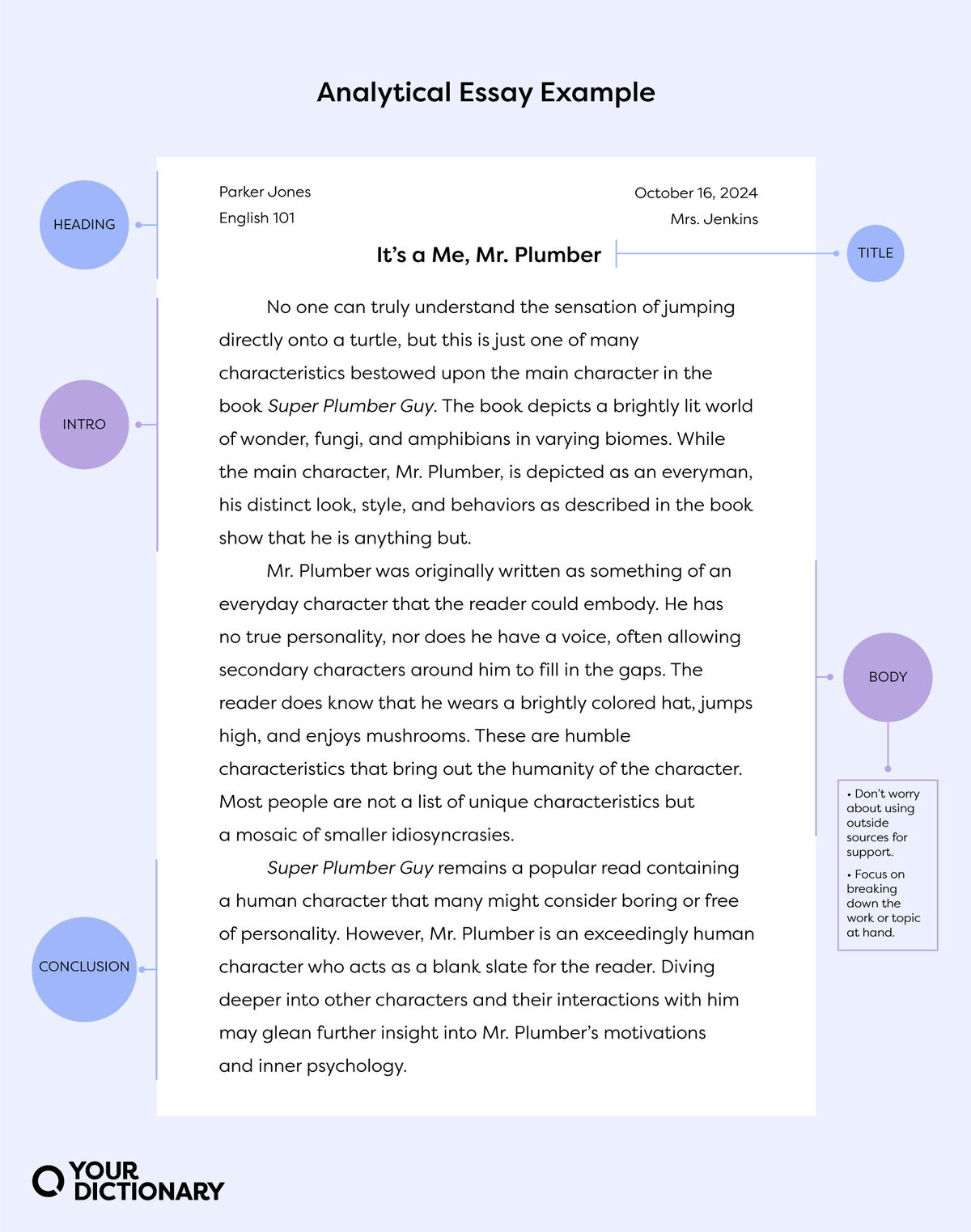
Ultimately, what makes an analytical essay “analytical” is the human element. Machines are excellent at finding correlations, but humans are unique in their ability to understand context and causation.
The future of analytical writing lies in a hybrid model: using AI to handle the heavy lifting of data organization and initial drafting, while the human writer focuses on the high-level critical thinking, ethical weighing, and nuanced storytelling. By mastering the analytical essay, you are not just learning to write; you are learning to think critically in a world where information is cheap, but true insight is invaluable.
In conclusion, an analytical essay is a rigorous intellectual exercise that requires deconstructing a subject to reveal its inner workings. In the tech niche, this means leveraging the latest digital tools to enhance research, structure, and evidence, all while maintaining a firm grip on the ethical implications of our digital age. Whether you are a student, a developer, or a tech executive, the ability to write a clear, data-driven analytical essay is a superpower in the modern information economy.
aViewFromTheCave is a participant in the Amazon Services LLC Associates Program, an affiliate advertising program designed to provide a means for sites to earn advertising fees by advertising and linking to Amazon.com. Amazon, the Amazon logo, AmazonSupply, and the AmazonSupply logo are trademarks of Amazon.com, Inc. or its affiliates. As an Amazon Associate we earn affiliate commissions from qualifying purchases.