
The concept of a “food web” typically conjures images of complex biological ecosystems, where energy flows from producers (organisms that create their own food, like plants) to consumers, shaping the very fabric of life. While seemingly a world away from finance, this biological metaphor offers a profound and insightful lens through which to understand the intricate dynamics of our economic and financial systems. In the context of money, a “producer” is not a photosynthesizing plant, but rather any entity – be it an individual, a business, or even a financial asset – that actively creates, generates, or yields financial value, income, or wealth within the broader economic ecosystem.
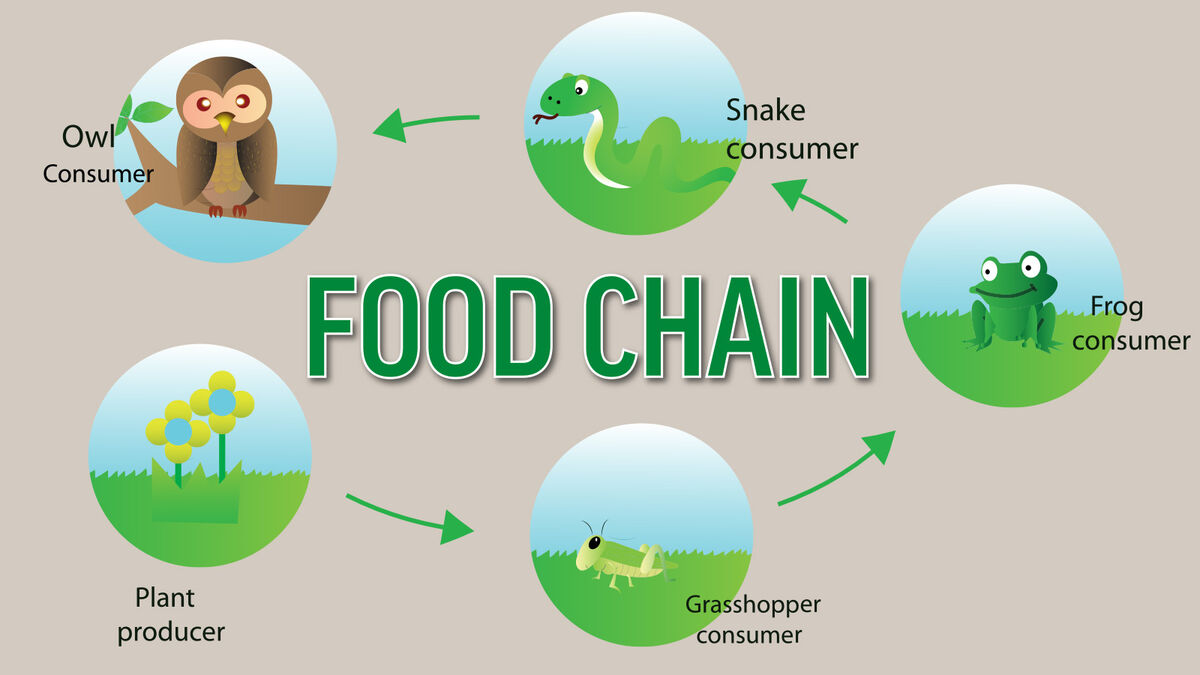
Just as a biological food web relies on its producers to form the base of energy, a financial food web depends on its producers to generate the capital, goods, services, and opportunities that drive prosperity. Understanding this role is crucial for anyone seeking to navigate the modern economy, whether as an entrepreneur, an investor, an employee, or simply an engaged citizen. It’s about recognizing where value originates, how it circulates, and how one can strategically position themselves to be a net creator within this dynamic system.
The Metaphor Unpacked: Understanding Producers in the Financial Ecosystem
To truly grasp the significance of a financial producer, we must first appreciate the parallels between biological and economic ecosystems. Both are characterized by interdependence, resource flow, and a continuous cycle of creation, consumption, and transformation.
From Photosynthesis to Profit: The Genesis of Financial Value
In nature, producers convert raw energy (sunlight) into usable organic matter. In the financial world, producers convert raw resources (labor, capital, ideas, natural materials) into tangible or intangible value that can be exchanged for money. This conversion process is the fundamental act of financial production. A programmer writing code, a factory assembling products, a consultant offering expertise, or an investor allocating capital – all are engaged in processes that transform inputs into outputs with greater perceived value, leading to profit, income, or asset appreciation. This initial act of value creation forms the base of the financial food web, providing the “energy” that fuels subsequent transactions and economic activity. Without these primary producers, the entire system would lack the foundational elements necessary for growth and exchange.
The Flow of Capital and Opportunity
Once value is created by a financial producer, it doesn’t simply disappear. Instead, it enters the “food web” where it can be consumed, reinvested, or transformed. Income earned by an individual producer might be spent on goods and services (consumed by other businesses), saved (reinvested by financial institutions), or invested (used to fund other producers). A business’s profits might be used to pay employees, acquire new assets, or distribute dividends to shareholders. This constant flow of capital and opportunity mirrors the movement of energy and nutrients in a biological system, highlighting how the output of one producer often becomes the input for another, sustaining the entire network. Understanding these flows is key to identifying lucrative niches and strategic partnerships within the economy.
Diverse Facets of Financial Production: From Individuals to Institutions
The beauty of the financial food web is the vast array of entities that qualify as producers. This diversity underscores the multi-faceted nature of value creation in modern economies.
Individuals as Producers of Income and Skills
At the most fundamental level, every working individual is a financial producer. Through their labor, skills, and intellectual capital, they produce goods, services, or solutions that others are willing to pay for. This includes:
-
Employees: Producing value for their employers in exchange for wages and salaries. Their skills in software development, marketing, customer service, or manufacturing directly contribute to their company’s output.
-
Entrepreneurs and Freelancers: Directly creating and selling products or services in the market. This often involves identifying unmet needs and building innovative solutions, ranging from side hustles like graphic design or content creation to full-fledged startups.
-
Investors: While often seen as consumers of financial products, investors are also crucial producers when their capital is deployed to fund businesses, infrastructure projects, or research and development, thereby generating future economic value and returns.
Businesses as Engine Rooms of Economic Production
Corporations, small businesses, and startups are arguably the most visible and impactful financial producers. They aggregate resources (capital, labor, technology) to create products and services on a large scale. Their production spans:
-
Goods Manufacturing: Producing tangible items, from automobiles to consumer electronics.
-
Service Delivery: Providing intangible benefits, such as healthcare, education, financial consulting, or entertainment.
-
Innovation and Research: Developing new technologies, methodologies, and intellectual property that become the foundation for future economic growth.
Businesses not only produce goods and services but also create employment, generate tax revenues, and drive technological advancement, making them central to the vitality of the financial food web.
Financial Assets and Instruments as Yield Generators
Even seemingly passive financial instruments can be considered “producers” in their own right, as they generate returns and grow capital.
-
Stocks: Representing ownership in a company, stocks can “produce” returns through capital appreciation and dividends as the underlying business grows and profits.
-
Bonds: Debt instruments that “produce” regular interest payments to the bondholder, effectively generating income from lent capital.
-
Real Estate: Properties can “produce” rental income, and their value can appreciate over time, generating wealth for owners.
-
Intellectual Property: Patents, copyrights, and trademarks can “produce” royalties and licensing fees, often for decades after their initial creation.
These assets transform initial capital into greater financial value over time, serving as critical components in the wealth-creation process for individuals and institutions alike.
The Pillars of Effective Financial Production: Strategy and Execution
Becoming an effective financial producer, whether as an individual or an organization, requires more than just effort; it demands strategic thinking and robust execution.
Innovation and Value Proposition
Successful producers consistently identify problems and offer superior solutions. Innovation, whether in product design, service delivery, or business model, is key to creating a unique value proposition that stands out in a competitive market. A clear understanding of customer needs and the ability to adapt to changing demands are paramount. This involves continuous learning, market research, and a willingness to challenge existing paradigms to find more efficient or effective ways to create value.
Efficiency and Resource Optimization
Just as biological producers optimize sunlight and nutrients, financial producers must efficiently manage their resources – time, capital, labor, and technology. Maximizing output with minimal waste is crucial for profitability and sustainability. This encompasses lean operations, process automation, effective supply chain management, and prudent financial planning. An efficient producer can offer competitive prices, maintain healthy profit margins, and withstand economic fluctuations more effectively.
Risk Management and Adaptability
The financial ecosystem is inherently dynamic and often unpredictable. Effective producers understand, assess, and mitigate risks, whether market volatility, technological disruption, or regulatory changes. Adaptability – the ability to pivot strategies, embrace new technologies, and respond to unforeseen challenges – is vital for long-term survival and growth. This proactive approach to risk ensures that a producer can not only survive but thrive in evolving market conditions.
Navigating the Interconnected Financial Food Web
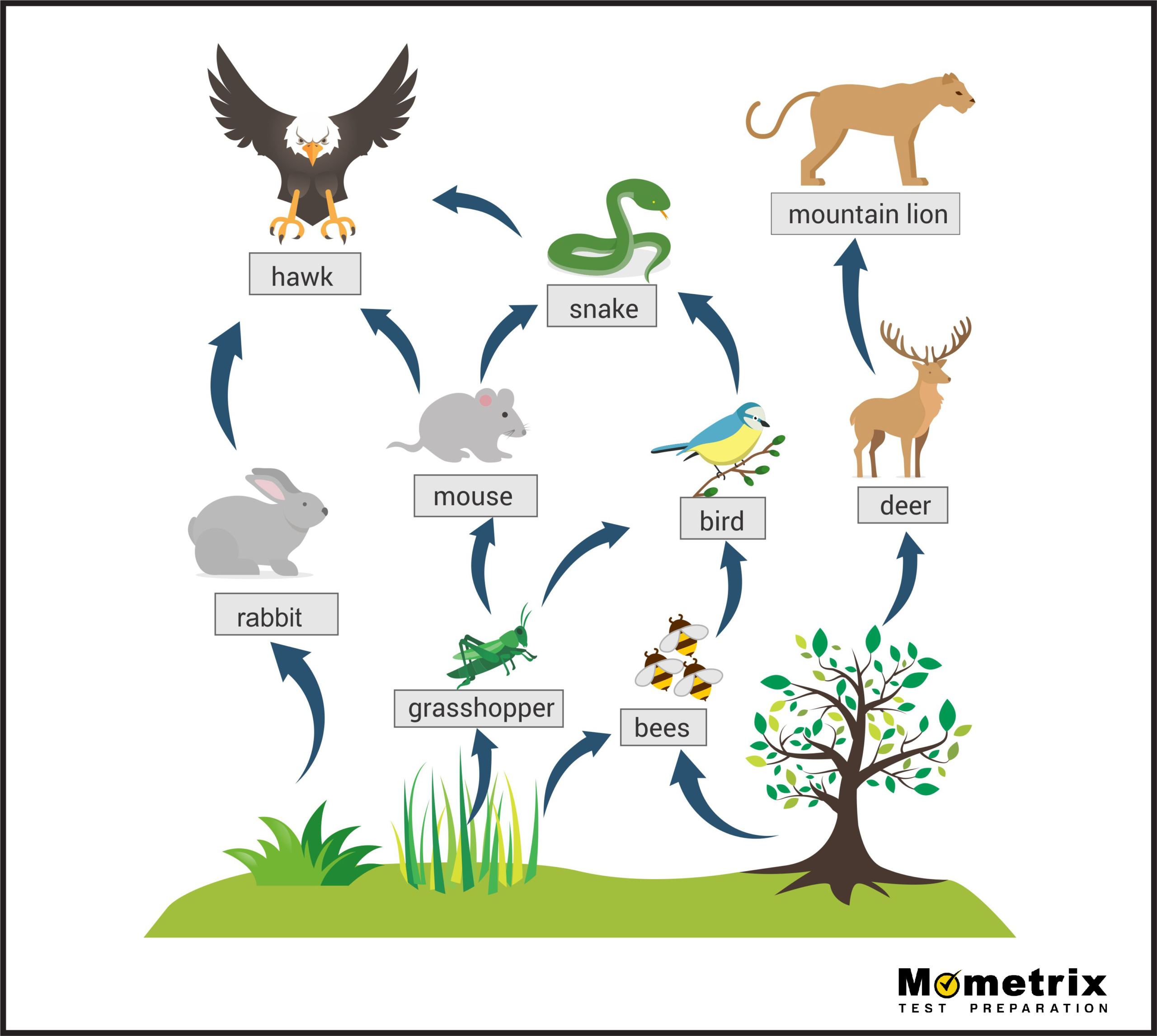
No producer exists in isolation. The financial food web is defined by its intricate interdependencies, where the output of one often becomes the input for another.
Symbiotic Relationships and Supply Chains
Businesses rely on suppliers for raw materials, components, and services. These suppliers are themselves producers, and their success directly impacts the end producer. For example, a car manufacturer relies on countless producers for tires, electronics, and steel. Similarly, freelancers rely on clients, and investors rely on businesses to generate returns. These relationships form complex supply chains and partnerships that drive the overall economy. Disruptions in one part of this web can have ripple effects throughout the entire system, underscoring the importance of robust and resilient networks.
Consumers as Demand Drivers
While the focus is on producers, it’s important to acknowledge the role of “consumers” in this analogy. Consumers, by spending their income (which often originates from their own production), create demand for goods and services. This demand signal is what guides producers in what to create and how much. Without consumers to “consume” the value created, the production cycle would halt. Thus, a healthy financial food web requires a robust interplay between producers creating value and consumers generating demand.
The Role of Financial Intermediaries
Banks, investment firms, and other financial institutions act as vital intermediaries, facilitating the flow of capital from those who have it (savers, investors) to those who need it (businesses, individuals seeking loans). They effectively connect different producers and consumers within the web, ensuring liquidity and efficient capital allocation. These intermediaries “produce” services that enable others to produce more effectively, lubricating the gears of the entire system.
Empowering Your Inner Producer: Strategies for Financial Growth
Understanding the concept of a financial producer is not merely academic; it’s a call to action. By consciously adopting a producer mindset, individuals and organizations can significantly enhance their financial well-being and contribution to the economy.
Diversifying Your Income Streams
Reliance on a single source of income can be precarious. Just as a diverse biological ecosystem is more resilient, diversifying your “production” streams makes your personal financial food web stronger. This could involve developing marketable skills for a side hustle, investing in dividend-paying stocks, or exploring rental property. Each additional income stream acts as an independent producer, contributing to your overall financial resilience and growth.
Strategic Investing for Wealth Production
Investing is perhaps the most direct way to make your money “produce” more money. By allocating capital to assets like stocks, bonds, mutual funds, or real estate, you are essentially deploying resources where they can generate returns. Understanding compound interest, asset allocation, and long-term investment strategies is fundamental to becoming an effective investor-producer, allowing your capital to work for you. This means shifting from merely consuming financial products to actively using them to produce wealth.
Cultivating Entrepreneurial Acumen
Whether launching a full-fledged startup or pursuing a passion project as a side venture, developing entrepreneurial skills is about learning to identify opportunities, innovate, and create value from scratch. This involves understanding market needs, building a minimum viable product, marketing, sales, and financial management. Embracing the entrepreneurial spirit transforms you into a primary producer, directly contributing new goods, services, and jobs to the financial food web.
Continuous Learning and Skill Development
The modern economy is constantly evolving. To remain a relevant and effective producer, continuous learning and skill development are non-negotiable. Acquiring new certifications, mastering emerging technologies, or deepening expertise in your field enhances your value proposition and keeps you competitive, ensuring your ability to produce high-value contributions.
In conclusion, viewing the economy through the lens of a “financial food web” reveals the critical and foundational role of producers. From individuals earning a paycheck to multinational corporations creating global products and financial assets yielding returns, these producers are the lifeblood of economic activity. By understanding this intricate system and consciously developing a producer mindset, individuals and businesses can not only secure their own financial future but also contribute meaningfully to the prosperity and health of the wider economic ecosystem. Embracing the role of a producer is about actively creating value, driving innovation, and contributing to the flow of capital and opportunity that defines our financial world.
aViewFromTheCave is a participant in the Amazon Services LLC Associates Program, an affiliate advertising program designed to provide a means for sites to earn advertising fees by advertising and linking to Amazon.com. Amazon, the Amazon logo, AmazonSupply, and the AmazonSupply logo are trademarks of Amazon.com, Inc. or its affiliates. As an Amazon Associate we earn affiliate commissions from qualifying purchases.