
In the vast tapestry of storytelling, particularly within globally recognized franchises, the fate of antagonists often serves as a crucial narrative device, not merely to tie up loose ends but to strategically reinforce the brand’s core values, themes, and identity. J.K. Rowling’s Harry Potter series stands as a colossus in modern popular culture, a brand synonymous with magic, friendship, courage, and the eternal struggle between good and evil. Within this narrative universe, few characters embody pure, bureaucratic malice as effectively as Dolores Umbridge. Her presence, actions, and eventual downfall are not just plot points; they are instrumental components in shaping and sustaining the Harry Potter brand.
The question, “what happens to Dolores Umbridge,” therefore, transcends simple curiosity about a character’s end. It invites an examination of how her narrative resolution contributes to the enduring strength and thematic clarity of one of the world’s most successful entertainment brands. Her story arc is a masterclass in how character development, even for a villain, can be strategically deployed to deepen audience engagement, validate thematic promises, and solidify brand loyalty.
The Brand of Pure Evil: Crafting an Unforgettable Antagonist
Every successful brand understands the importance of distinct identity. For the Harry Potter brand, its array of characters, from heroes to villains, are meticulously crafted to embody specific facets of its magical world. Dolores Umbridge, introduced in Harry Potter and the Order of the Phoenix, represents a unique and particularly insidious form of evil, distinct from the grand, overt malevolence of Lord Voldemort. Her brand of villainy is bureaucratic, insidious, and frighteningly realistic, making her a critical asset to the overall narrative brand.
Umbridge’s Initial Brand Persona: The Bureaucratic Villain
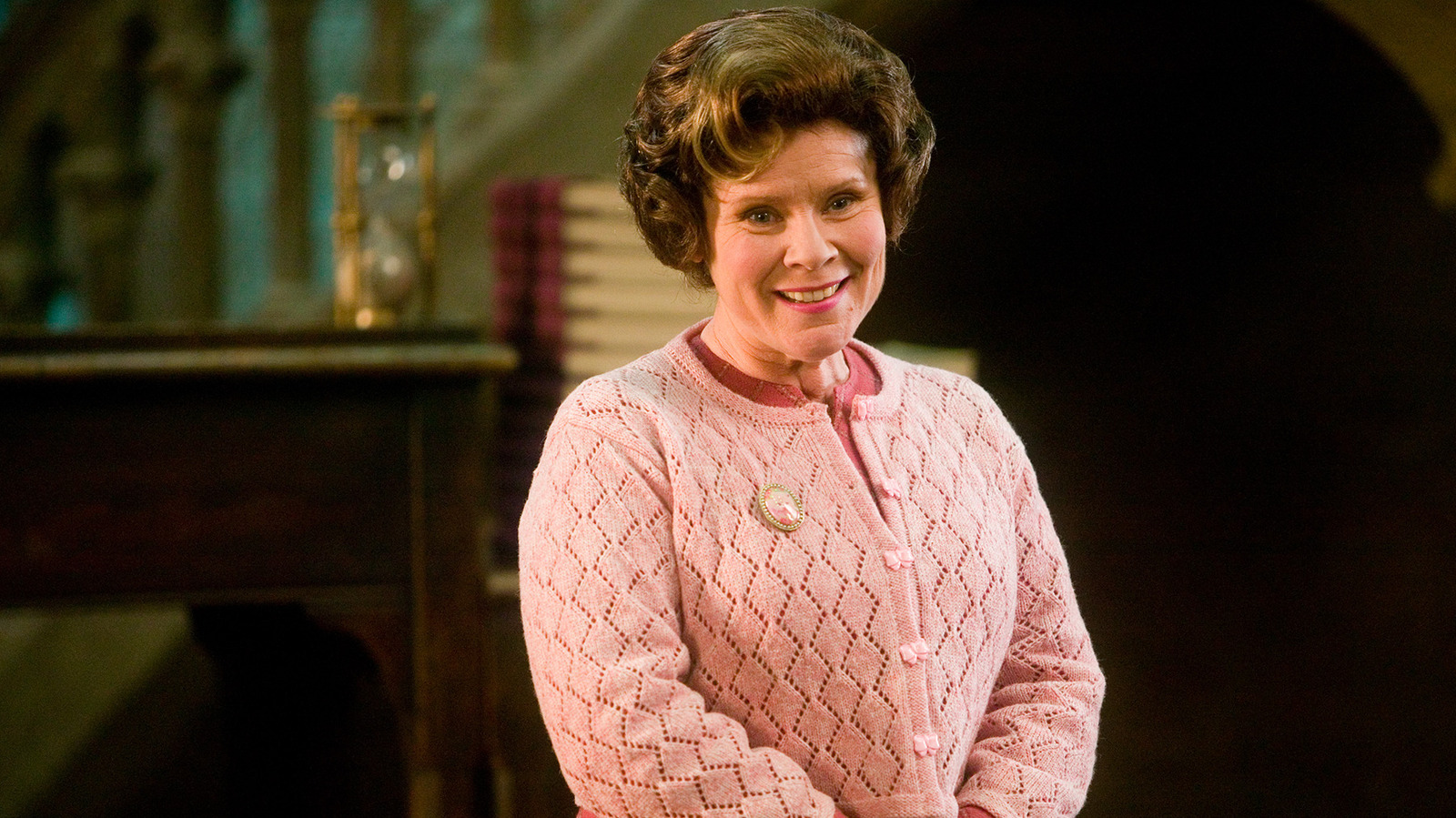
From her first appearance, Umbridge is branded as an antagonist not through dark robes or menacing spells, but through a saccharine facade and a relentless pursuit of control disguised as order. Her “brand colors” are sickly sweet pink, her demeanor cloyingly polite, yet her actions are profoundly oppressive. This initial persona immediately communicates a different kind of threat to the audience—one that resonates with real-world experiences of institutional power abused. This branding choice broadens the scope of “evil” within the Harry Potter universe, enriching its thematic depth and, by extension, the complexity of the brand itself. It tells the audience that the brand isn’t just about good versus evil in a fantastical sense, but also about the more subtle dangers of authoritarianism and prejudice.
Brand Dissonance: Pink, Perfection, and Pure Malice
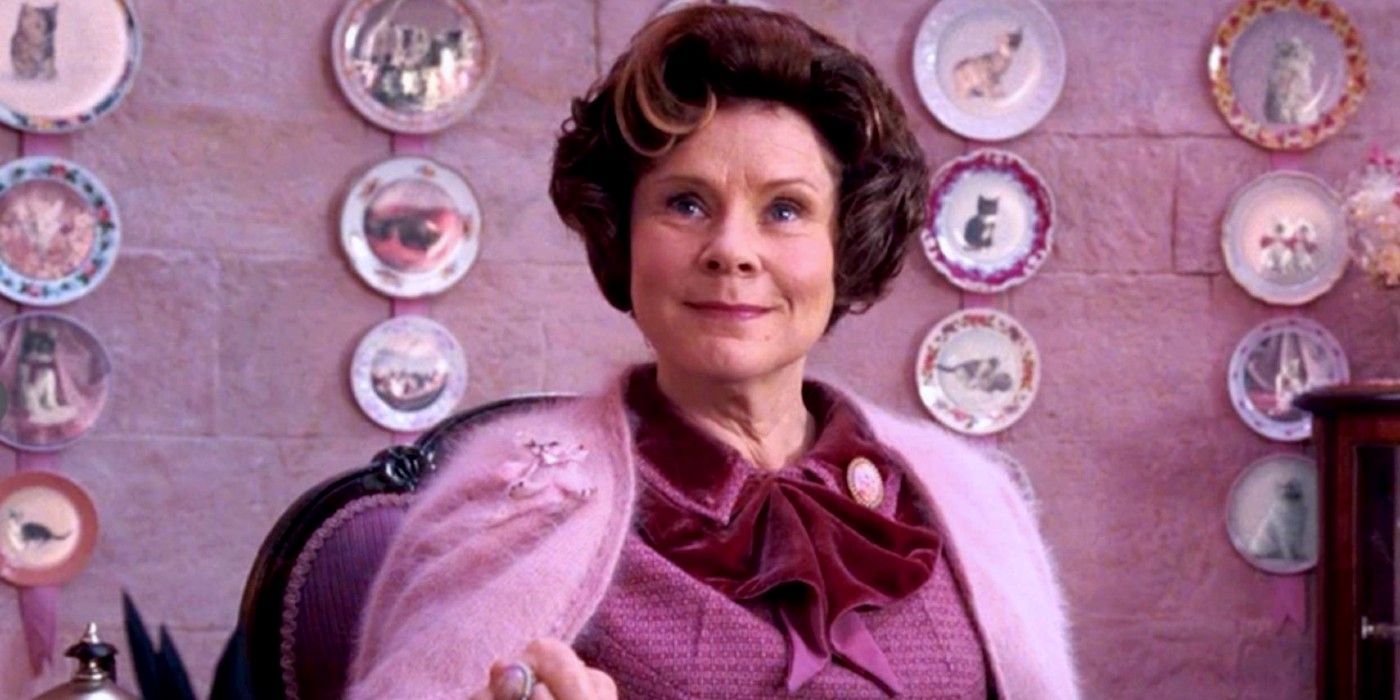
The most striking aspect of Umbridge’s character branding is the profound dissonance between her outward presentation and her inner core. Her insistence on “order,” “decorum,” and “proper procedure,” coupled with her love for kittens and doilies, creates a jarring contrast with her sadism, racism towards “half-breeds,” and her desire to inflict pain (e.g., the Educational Decrees, the Blood Quill, her interrogations of Muggle-borns). This deliberate brand dissonance serves a powerful purpose: it makes her villainy more unsettling and memorable. It ensures that the Harry Potter brand can convey complex ideas about appearances being deceiving, and that evil isn’t always obvious. This complexity deepens the audience’s investment in the narrative and reinforces the brand’s reputation for sophisticated storytelling beyond simple good-vs-bad tropes.
Branding Her Legacy: Symbol of Systemic Oppression
Umbridge quickly transcends being just a character; she becomes a symbol. Her actions within Hogwarts and later at the Ministry of Magic brand her as the embodiment of systemic oppression, prejudice, and governmental overreach. She is a reminder that corruption can fester within seemingly legitimate institutions. This symbolic branding is incredibly valuable for the Harry Potter franchise, which often touches upon themes of social justice, minority rights, and resisting tyrannical authority. By creating such a potent symbol, the brand effectively communicates its deeper moral messaging, appealing to an audience that values stories with enduring ethical relevance. Her legacy isn’t just a part of the story; it’s a part of the brand’s identity, a warning against complacency and unchecked power.
Narrative Resolution as Brand Reinforcement
For any narrative brand, the resolution of key conflicts and characters is paramount. It’s the moment where promises made throughout the story are either fulfilled or subverted, directly impacting audience satisfaction and brand loyalty. What happens to Dolores Umbridge, her ultimate fate, is a critical element in reinforcing the Harry Potter brand’s core promises of justice and the triumph of good.
The Fall from Grace: De-branding Umbridge’s Authority
Umbridge’s initial downfall at Hogwarts, manipulated by Hermione and centaurs in the Forbidden Forest, represents the first de-branding of her perceived authority and control. This moment is crucial because it shatters her carefully constructed image of invincibility and order. It shows that even the most deeply entrenched and seemingly untouchable forms of oppression can be challenged and overcome. This narrative beat directly supports the Harry Potter brand’s message that courage, wit, and defiance are powerful tools against tyranny. The audience’s catharsis at her humiliation reinforces their belief in the brand’s ethical framework.
Consequences and Brand Justice: The Ministry’s Aftermath
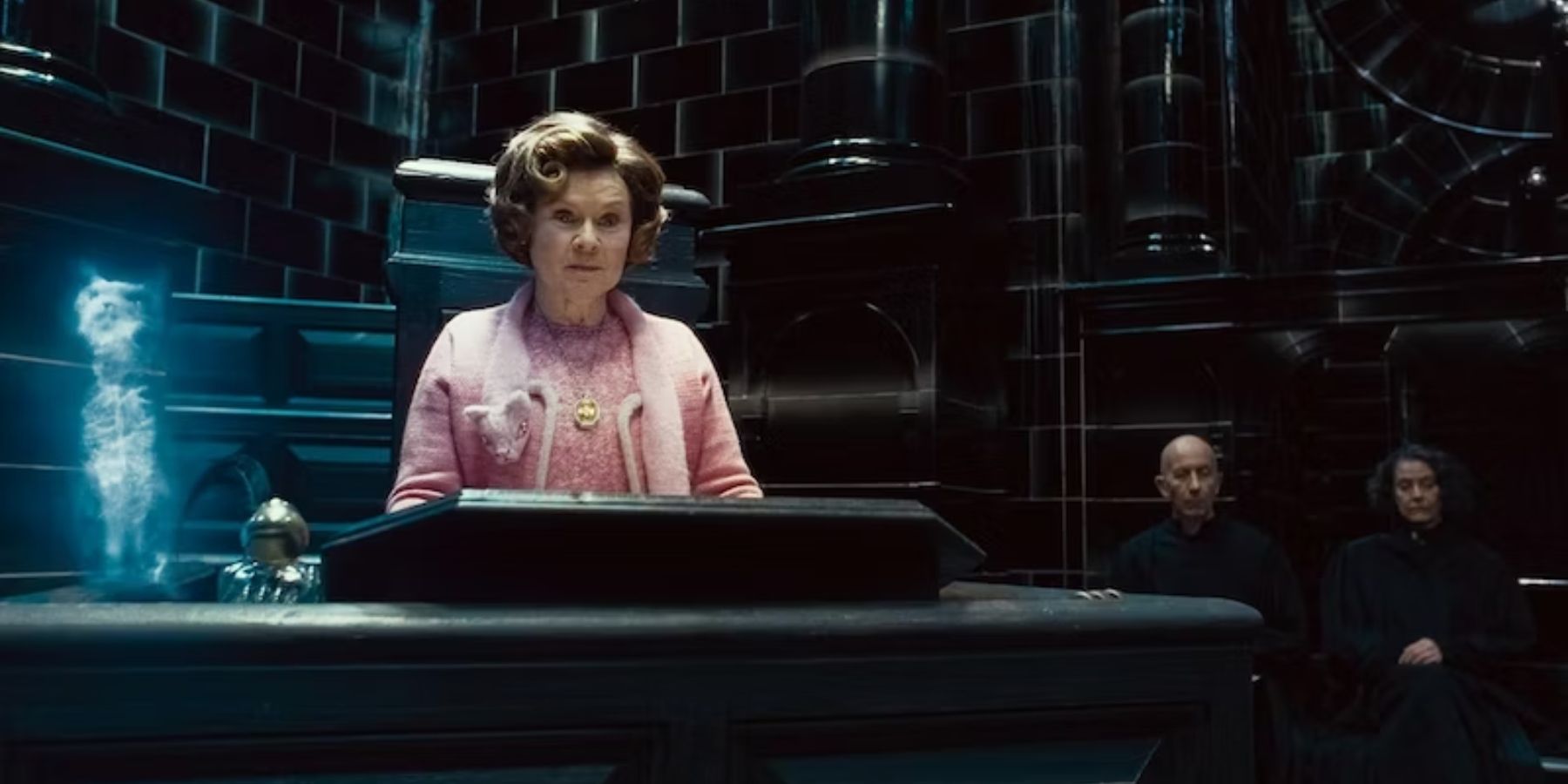
The true answer to “what happens to Dolores Umbridge” is revealed more fully in Harry Potter and the Deathly Hallows. After the fall of Voldemort, Umbridge is tried for her crimes, specifically for the persecution, imprisonment, and torture of Muggle-borns via the Muggle-born Registration Commission. She is ultimately sentenced to Azkaban, the wizarding prison. This formal legal consequence is incredibly important for the Harry Potter brand. It provides a clear, unambiguous statement about justice. Unlike Voldemort, whose defeat is a battle of ultimate good versus evil, Umbridge’s fate addresses systemic injustice through legal channels. This shows the brand’s commitment to depicting a world where even bureaucratic evils are held accountable, adding a layer of realism and satisfying moral closure for the audience.
The Thematic Brand Message: Justice Prevails (Eventually)
Umbridge’s imprisonment serves as a powerful thematic brand message: justice, though sometimes slow, will ultimately prevail. This reinforces the aspirational nature of the Harry Potter brand, which consistently champions hope and resilience. By ensuring that Umbridge faces consequences commensurate with her despicable actions, the brand validates the audience’s emotional investment in the struggle against her. It tells consumers of the Harry Potter narrative that their belief in the story’s moral compass is well-placed, fostering deeper trust and loyalty in the brand’s storytelling integrity. Her fate solidifies the idea that evil, in all its forms, eventually reaps what it sows.
Sustaining the Harry Potter Brand Through Character Fate
The long-term success of a brand like Harry Potter relies on its ability to resonate across generations and provide lasting emotional satisfaction. The well-executed fate of characters like Dolores Umbridge plays a vital role in this sustained brand resonance.
Audience Engagement and Brand Loyalty: Satisfying Narrative Arcs
One of the most powerful drivers of brand loyalty in narrative franchises is audience satisfaction with character arcs. While heroes’ triumphs are celebrated, villains’ downfalls are often equally, if not more, anticipated. Umbridge’s definitive imprisonment in Azkaban provides a deep sense of satisfaction to the audience. This emotional payoff reinforces positive associations with the Harry Potter brand, ensuring that readers and viewers feel their emotional investment was warranted. It’s a key part of the brand’s engagement strategy: promise compelling conflict, deliver satisfying resolution.
Umbridge’s Role in Harry’s Personal Branding as Hero
The presence and actions of Dolores Umbridge also significantly impact the “personal brand” of Harry Potter himself. Her specific brand of oppression forces Harry to mature, take initiative (founding Dumbledore’s Army), and learn about different forms of resistance. His unwavering opposition to her, even when facing severe punishment, cements his brand as a principled, courageous leader. Her eventual defeat, both at Hogwarts and subsequently through legal means, underscores Harry’s ultimate victory and the restoration of a just order, directly elevating his hero brand within the larger franchise narrative. Without such a potent and distinct antagonist, Harry’s heroism would lack a certain dimension.
Long-Term Brand Resonance: Lessons from a Lived Villainy
Years after the books were published and films released, Dolores Umbridge remains a character frequently discussed and despised. Her “brand” as a universally loathed figure is a testament to her effective creation and the power of her narrative arc. This long-term resonance ensures that the Harry Potter brand continues to be a subject of discussion, analysis, and fan engagement. Her character continues to offer lessons about the dangers of prejudice, the abuse of power, and the importance of standing up for what is right—themes that keep the brand relevant and meaningful to new generations. Her story extends beyond her fictional imprisonment, becoming a touchstone for discussions on real-world issues.
The Unseen Aftermath: Brand Relevance in the Post-Narrative World
While the books definitively state Umbridge’s imprisonment in Azkaban, the concept of “what happens to” a character can extend beyond their canonical end. In a brand context, it can refer to their continued relevance and symbolic power within the established universe and beyond.
Her Post-Azkaban Brand: A Muted Echo of Malice
Even incarcerated, Umbridge’s brand as a symbol persists. She becomes a cautionary tale, a dark reflection of what the wizarding world was nearly consumed by under Voldemort’s influence but through insidious bureaucracy. Her ongoing “brand message” from within Azkaban is one of consequence and the enduring memory of past struggles. She ceases to be an active threat but remains a potent reminder of the dangers that can arise from within, rather than purely from external, declared enemies. This contributes to the brand’s nuanced understanding of conflict.
Continued Brand Symbolism: Warning Against Complacency
Dolores Umbridge’s fate and the subsequent discussions about her ensure that the Harry Potter brand consistently carries a message against complacency. Her character serves as a perpetual reminder that even after the “Dark Lord” is defeated, the seeds of bigotry and authoritarianism can still exist and resurface in different forms. This powerful symbolism keeps the brand’s ethical framework robust and its lessons timeless, appealing to an audience that values depth and continued social commentary in their entertainment. She is not just a character; she is a branded warning embedded in the fabric of the Harry Potter universe.
Conclusion
The question “what happens to Dolores Umbridge” is answered definitively within the Harry Potter narrative: she is tried, convicted, and imprisoned in Azkaban for her crimes against Muggle-borns. However, when viewed through the strategic lens of brand management, her story is far more profound. Her creation, her distinct brand of villainy, and her ultimate fate are all meticulously crafted elements that serve to deepen the Harry Potter brand’s identity, reinforce its core thematic promises of justice and hope, and solidify its enduring appeal and relevance. Umbridge is not merely a detested character; she is a vital component in the complex, rich brand architecture of the wizarding world, a testament to how even antagonists play an indispensable role in building and sustaining a global phenomenon. Her downfall is a brand triumph, validating the narratives integrity and ensuring its long-term resonance with audiences worldwide.
aViewFromTheCave is a participant in the Amazon Services LLC Associates Program, an affiliate advertising program designed to provide a means for sites to earn advertising fees by advertising and linking to Amazon.com. Amazon, the Amazon logo, AmazonSupply, and the AmazonSupply logo are trademarks of Amazon.com, Inc. or its affiliates. As an Amazon Associate we earn affiliate commissions from qualifying purchases.