
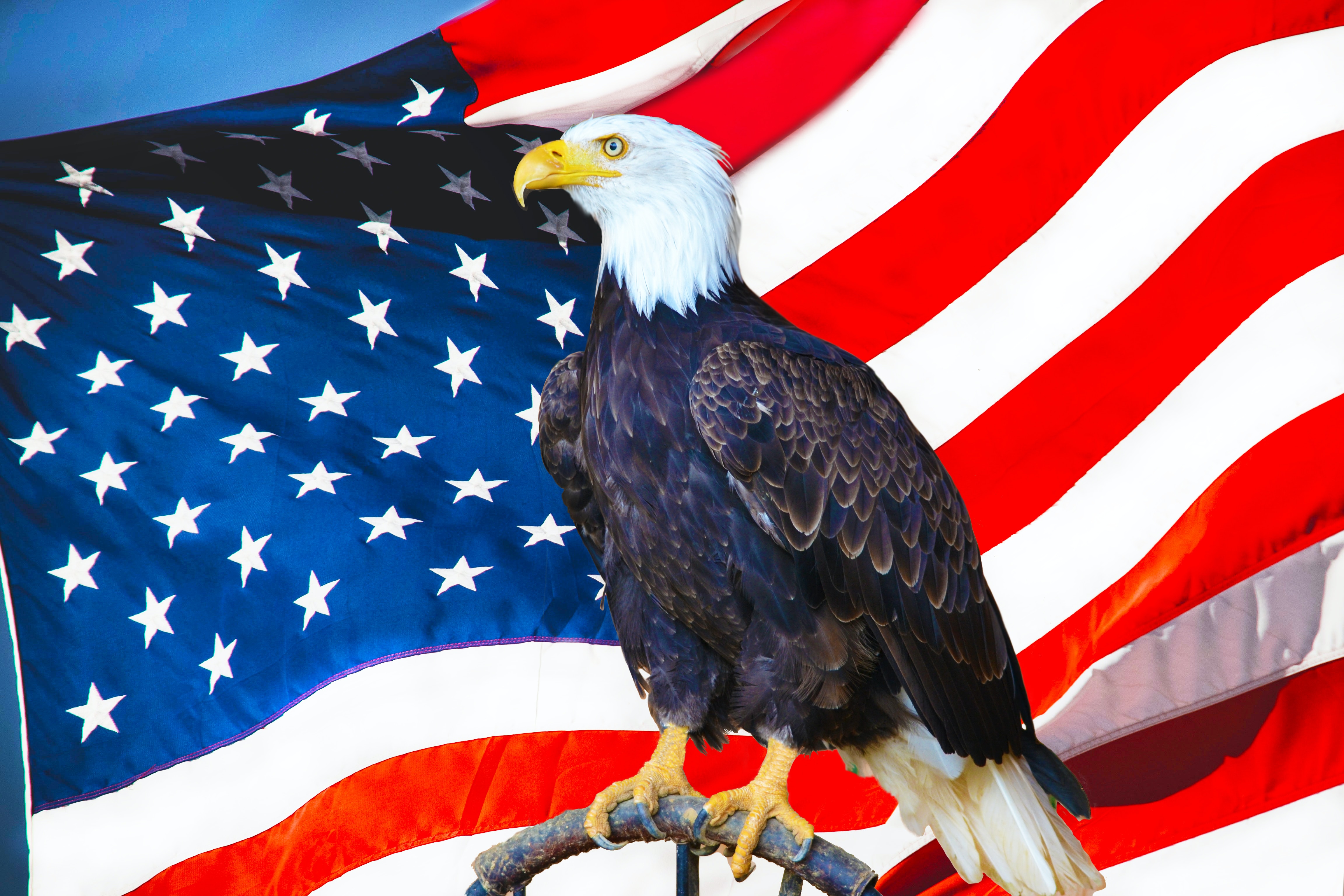
In the realm of semiotics—the study of signs and symbols—few images carry as much immediate weight as the bald eagle. While biology classifies it as a bird of prey native to North America, in the world of professional brand strategy, the bald eagle is a high-equity visual asset. Since its official adoption as the national emblem of the United States in 1782, it has transcended its status as a biological entity to become a cornerstone of “National Branding.”
For brand architects and marketing strategists, understanding what the bald eagle represents is essential for deciphering how symbols communicate values like authority, resilience, and premium positioning. This article explores the bald eagle not as a creature of the wild, but as a masterclass in brand identity, examining how its symbolic power is harnessed across various industries to build trust and command respect.
The Bald Eagle as the Ultimate Cultural Trademark
Before a corporation ever adopts a logo, they look for symbols that already possess “pre-baked” emotional resonance. The bald eagle is perhaps the most successful example of a “legacy brand” in human history. It functions as a cultural trademark that communicates a specific set of values without the need for a single word of copy.
Authority and Sovereignty in Visual Communication
In branding, authority is often the most difficult attribute to cultivate. Startups and new entrants spend millions trying to establish a sense of permanence. The bald eagle provides a shortcut to this goal. Because it has been the face of the Great Seal of the United States for over two centuries, it is inextricably linked with sovereignty and officialdom. When a brand incorporates eagle imagery, it is attempting to borrow this “sovereign equity.” It suggests that the company is not just a participant in the market, but a leader with the weight of tradition behind it.
The Transition from National Emblem to Corporate Asset
The migration of the bald eagle from government documents to corporate logos represents a fascinating shift in brand psychology. In the mid-20th century, as American manufacturing and global trade expanded, companies began using the eagle to signal “Made in USA” quality. This was more than just a geographic marker; it was a value proposition. The eagle became a shorthand for reliability, industrial might, and a standard of excellence that was perceived as globally dominant. Today, this transition is complete, with the eagle serving as a versatile tool for any brand that wants to project a sense of “heritage branding,” regardless of how long they have actually been in business.
Symbolism and Semiotics: Why Brands Choose the Eagle
To understand why the bald eagle remains a top-tier choice for brand designers, one must look at the specific psychological triggers the image pulls. In brand strategy, we often use the “Archetype” framework developed by Carl Jung and popularized in marketing by Carol Pearson. The eagle fits perfectly within the “Hero” and “Ruler” archetypes.
Freedom and Independent Enterprise
One of the most potent associations of the bald eagle is freedom. In a commercial context, this translates to the “spirit of enterprise.” Brands that focus on entrepreneurship, travel, or personal autonomy often leverage the eagle to represent the lack of boundaries. For example, in the fashion and lifestyle sectors, the eagle signifies a “maverick” spirit—a brand for individuals who value their independence and aren’t afraid to soar above the crowd. This emotional connection is a powerful driver for consumer loyalty, as it aligns the brand with the customer’s own aspirational identity.
Strength, Vision, and Long-Term Strategy
From a design perspective, the physical attributes of the bald eagle are a goldmine for brand messaging.
-
The Sharp Eye: Represents “Vision.” In the corporate world, this translates to foresight, innovation, and the ability to spot market trends before they happen.
-
The Powerful Talons: Represent “Grip” or “Control.” This suggests a brand that has a firm handle on its operations and provides security to its stakeholders.
-
The Massive Wingspan: Represents “Reach” and “Scalability.” It tells the story of a company that operates on a global or even universal scale, capable of protecting and providing for a vast customer base.
By using the eagle, a brand strategist communicates that the company is not just looking at the next quarter; it is looking at the horizon.

Case Studies: The Bald Eagle in Corporate Identity
Analyzing how major entities utilize the bald eagle provides a blueprint for successful symbolic branding. While many brands use bird imagery, those that specifically utilize the bald eagle (or its likeness) are usually aiming for a high-trust, high-impact presence.
Financial Services and the Trust Factor
In the financial sector, trust is the primary currency. Banks and insurance companies frequently use the bald eagle to project stability and protection. For instance, the use of the eagle in the logos of numerous American banks serves to reassure customers that their capital is “safe as the state.” The eagle acts as a sentinel. When a customer sees an eagle on a credit card or a bank branch, the brand is leveraging the bird’s association with the federal government to imply a level of security that a more abstract or “friendly” logo might fail to communicate.
Aerospace and Defense: Symbolizing Technological Superiority
The aerospace and defense industries are perhaps the most prolific users of eagle imagery. Here, the eagle represents “air superiority” and “vantage point.” For companies like Pratt & Whitney (whose logo features a prominent eagle), the symbol links the mechanical power of their engines with the natural power of the bird. It suggests that their technology is an extension of nature’s most efficient flying machine. In this niche, the eagle isn’t just a symbol of country; it is a symbol of engineering excellence and the ability to dominate the skies.
The USPS: The Eagle as a Logistics Master
The United States Postal Service (USPS) offers one of the most recognizable examples of eagle-based branding. In their case, the eagle (specifically the “Sonic Eagle” logo) represents speed and delivery. By focusing on the head of the eagle tilted forward, the brand communicates momentum and a forward-thinking approach to logistics. It turns a government agency into a competitive service brand that promises to deliver with the precision and speed of a raptor.
The Ethics and Risks of Patriotic Branding
While the bald eagle is a powerful tool, it is not without its risks. Modern brand strategy requires a nuanced approach to “Patriotic Branding,” as the symbol can be polarizing if not handled with care.
Navigating Heritage Branding vs. Over-Saturation
When a symbol is as ubiquitous as the bald eagle, there is a risk of “visual noise.” If every company in a specific sector uses an eagle, the symbol loses its ability to differentiate. Brand strategists must ask: Does the eagle help us stand out, or does it make us blend in? For a premium brand, the use of the eagle must be subtle and sophisticated—perhaps a stylized, minimalist interpretation rather than a literal illustration. Over-reliance on the symbol can sometimes come across as “compensatory branding,” where a company uses a powerful symbol to mask a lack of actual substance or innovation.
Global Perception and the Limits of the Symbol
In an increasingly globalized market, brand managers must consider how the bald eagle is perceived outside of North America. While it represents freedom and strength in the U.S., in other regions, it may be viewed as a symbol of American hegemony or “cultural imperialism.” For a brand looking to expand into European or Asian markets, a heavy-handed use of the bald eagle might create a barrier to entry. Successful global brands often pivot their identity to be more “locally resonant” while maintaining the core values the eagle represents, such as excellence and reliability, through different visual metaphors.

Conclusion: The Enduring Power of the Eagle in the Modern Brand Landscape
What the bald eagle represents in the context of brand strategy is far more than a nod to history; it is a sophisticated tool for communicating complex values in an instant. It remains one of the most potent symbols in the designer’s toolkit because it bridges the gap between the natural world and the corporate world, between national pride and personal aspiration.
For a brand to successfully employ the bald eagle, it must go beyond the surface-level patriotism. It must embody the qualities the bird represents: the vision to see opportunities from afar, the strength to hold onto its market position, and the freedom to innovate without fear. As we move further into a digital age where attention spans are short and visual competition is fierce, the bald eagle continues to stand as a beacon of clarity—a symbol that commands attention, inspires trust, and defines what it means to be a leader in the global marketplace.
aViewFromTheCave is a participant in the Amazon Services LLC Associates Program, an affiliate advertising program designed to provide a means for sites to earn advertising fees by advertising and linking to Amazon.com. Amazon, the Amazon logo, AmazonSupply, and the AmazonSupply logo are trademarks of Amazon.com, Inc. or its affiliates. As an Amazon Associate we earn affiliate commissions from qualifying purchases.