
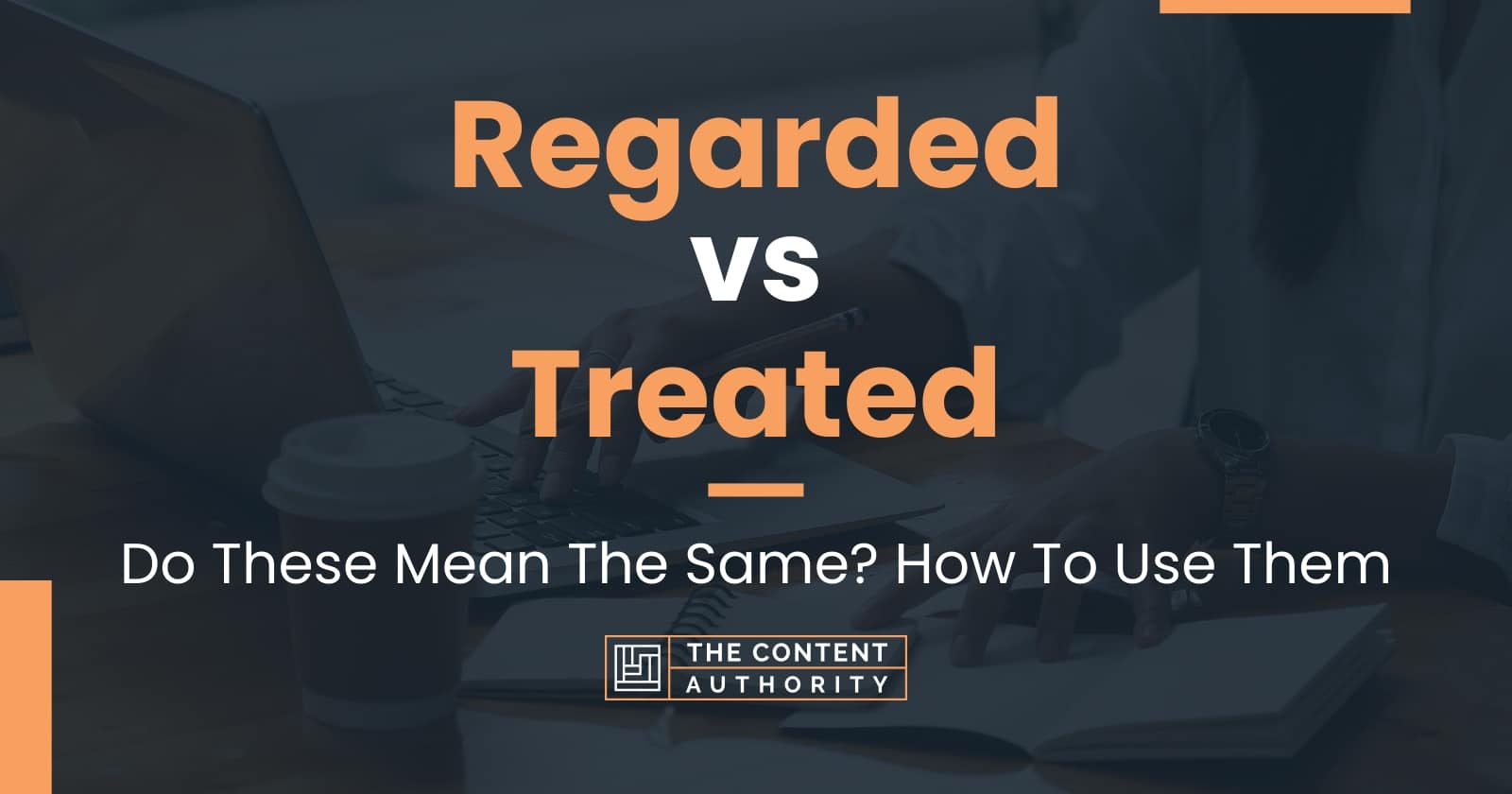
In the lexicon of marketing and corporate identity, the word “regarded” transcends its dictionary definition of “considered” or “thought of.” When we ask what it means for a brand to be highly regarded, we are diving into the essence of brand equity, consumer psychology, and market positioning. In the world of branding, being “regarded” is the ultimate barometer of success; it is the qualitative measure of a brand’s reputation, trust, and authority in a crowded marketplace.
To be well-regarded is to possess a competitive advantage that cannot be easily replicated by software or price-cutting. It is the invisible force that drives customer loyalty and justifies premium pricing. This article explores the multifaceted meaning of “regarded” within the branding niche, examining how perception is built, maintained, and leveraged for long-term growth.
Decoding Brand Regard: The Foundation of Corporate Identity
At its core, brand regard is the degree to which a target audience respects and admires a company. It is one half of the “Brand Stature” equation—a concept often used in brand asset valuation—which pairs “regard” with “esteem.” While awareness tells you if people know who you are, regard tells you what they think of you.
From Awareness to Esteem
Many businesses make the mistake of focusing solely on reach and awareness. However, being “well-known” is not the same as being “highly regarded.” A brand can have 100% market awareness but be regarded poorly due to bad customer service or ethical lapses. Regard is earned through consistent delivery on a brand promise. It represents the transition from a consumer simply recognizing a logo to that consumer developing an emotional preference for the brand. In this context, “regarded” means that the brand has passed the threshold of utility and entered the realm of status and trust.
The Psychology of Consumer Perception
How a brand is regarded is heavily influenced by cognitive biases. One of the most prominent is the “Halo Effect,” where a consumer’s positive feelings about one aspect of a brand (e.g., a sleek product design) color their perception of the brand as a whole (e.g., assuming the brand is also innovative and reliable). When we say a brand is “highly regarded,” we are essentially saying that it has successfully cultivated a positive halo. This perception acts as a filter through which all future communications and products are viewed, making the audience more receptive to new offerings.
The Role of “High Regard” in Building Brand Equity
Brand equity is the commercial value that derives from consumer perception of the brand name of a particular product, rather than from the product itself. Within this framework, “regarded” serves as a primary pillar. A brand that is regarded as an industry leader or a “gold standard” possesses equity that translates directly into the balance sheet.
Why Perception Is Reality in the Marketplace
In a saturated market, consumers rarely have the time or technical expertise to evaluate products based on objective specifications alone. Instead, they rely on how the brand is regarded by the public and their peers. For instance, why does a consumer choose a specific luxury watch over a more accurate digital alternative? It is because the luxury brand is “regarded” as a symbol of craftsmanship, heritage, and success. In this instance, the “meaning” of the brand is its most valuable asset. The regard held by the public creates a “perceived quality” that often outweighs functional reality.
The Correlation Between Regard and Premium Pricing
One of the most tangible benefits of being highly regarded is price inelasticity. When a brand is regarded as the best in its class, consumers are less sensitive to price increases. They are not just buying a product; they are buying the assurance and social capital that comes with a prestigious name. If a brand is regarded as “cheap” or “discount-oriented,” it becomes trapped in a race to the bottom. Conversely, a brand regarded as “premium” or “exclusive” can command margins that fund further innovation and marketing, creating a virtuous cycle of growth.
Strategies to Influence How Your Brand is Regarded
A brand’s reputation does not happen by accident; it is the result of deliberate strategic choices. Influencing how a brand is regarded requires a holistic approach that aligns internal values with external communications.
Consistency as a Catalyst for Trust
You cannot be highly regarded if your brand voice is fragmented. Consistency is the bedrock of regard. This means that the visual identity, the tone of voice in marketing, and the actual customer experience must be synchronized. If a brand claims to be “customer-centric” but has a difficult return policy, the regard for that brand will plummet. To be regarded as “authentic,” every touchpoint must reinforce the same narrative. Over time, this consistency builds a “predictability of excellence,” which is the highest form of regard a brand can achieve.
Leveraging Social Proof and Authority
In the digital age, how a brand is regarded is often determined by the “collective voice” of its users. This is where social proof—reviews, testimonials, and influencer endorsements—plays a critical role. A brand is no longer just what it says about itself; it is what consumers say about it to each other. Strategic branding involves curating this social proof and positioning the brand alongside other highly regarded entities. By associating with respected industry experts or partnering with other “blue-chip” brands, a company can “borrow” regard, accelerating its journey toward market authority.
Measuring and Managing Brand Sentiment
Because “regard” is a qualitative metric, it can be difficult to quantify. However, for a brand strategy to be effective, businesses must find ways to measure how they are being regarded and take steps to manage that sentiment actively.
Quantitative vs. Qualitative Metrics of Regard
To understand what “regarded” looks like in data form, companies often look at Net Promoter Scores (NPS), which measure the likelihood of customers recommending the brand to others. High NPS scores are a direct indicator of high regard. Beyond numbers, qualitative measures such as sentiment analysis of social media mentions and deep-dive focus groups can reveal the nuances of public perception. Are you regarded as “innovative but expensive” or “reliable but boring”? Understanding these nuances allows brand managers to tweak their messaging to shift perception in the desired direction.
Crisis Management: Protecting Your Reputation
The most critical test of how a brand is regarded occurs during a crisis. A brand with a high “reserve” of regard can survive a scandal or a product failure much more effectively than one that is poorly regarded. This is known as “reputational capital.” When a highly regarded brand makes a mistake, the public is often willing to view it as an anomaly. However, if the brand’s regard is low, the same mistake is seen as symptomatic of a deeper problem. Managing regard, therefore, is not just about growth; it is about risk mitigation and long-term sustainability.
The Future of Regard in a Digital-First World
As we move further into an era defined by rapid information exchange and artificial intelligence, the definition of being “regarded” continues to evolve. The barrier to entry for creating a brand has never been lower, but the barrier to being highly regarded has never been higher.
Personal Branding and the “Regarded” Individual
In the modern economy, the concept of being “regarded” has shifted from corporations to individuals. Thought leaders, CEOs, and influencers now cultivate personal brands that are often more highly regarded than the companies they lead. This shift means that corporate branding must now incorporate the human element. A brand is regarded more favorably when it has a face and a voice that people can relate to. The future of brand strategy lies in the intersection of corporate reliability and personal authenticity.
Authenticity in the Age of AI and Automation
As AI-generated content becomes more prevalent, the value of human-driven brand regard will skyrocket. Consumers will become increasingly skeptical of “perfect” corporate messaging. In this environment, being “regarded” will mean being “authentic.” Brands that show vulnerability, admit mistakes, and take clear stands on social issues will be more highly regarded than those that hide behind sanitized, automated PR. The future of brand regard is not about being flawless; it is about being real, relatable, and consistently ethical.
In conclusion, when we ask “what does regarded mean,” we are asking about the soul of a brand. It is the sum of every interaction, every advertisement, and every customer service call. To be highly regarded is to have won the battle for the consumer’s mind and heart. It is the most valuable asset a business can own, providing the foundation for loyalty, the justification for value, and the resilience to weather any market storm. In the end, a brand is not what the company says it is—it is how it is regarded by the world.
aViewFromTheCave is a participant in the Amazon Services LLC Associates Program, an affiliate advertising program designed to provide a means for sites to earn advertising fees by advertising and linking to Amazon.com. Amazon, the Amazon logo, AmazonSupply, and the AmazonSupply logo are trademarks of Amazon.com, Inc. or its affiliates. As an Amazon Associate we earn affiliate commissions from qualifying purchases.