
In the vibrant and ever-evolving world of fashion, the role of a designer extends far beyond merely sketching garments. Fashion designers are, at their core, architects of identity, visionaries who translate abstract concepts into tangible expressions of a brand’s soul. They are the strategic minds responsible for shaping the aesthetic, narrative, and market presence of everything from haute couture houses to fast-fashion giants, and indeed, their own personal brands. Their work is an intricate dance between creative vision, market understanding, and strategic brand building, making them indispensable to the industry’s continuous innovation and economic engine.

Understanding “what fashion designers do” requires delving into the multifaceted contributions they make to brand strategy, corporate identity, marketing, and even personal branding. It’s about recognizing their role not just as creators of clothes, but as custodians of a brand’s essence, constantly striving to differentiate, captivate, and resonate with a target audience. This exploration will unveil the intricate layers of their profession, highlighting how their creative prowess is inextricably linked to the powerful machinery of brand development and market influence.
The Core Creative Process: Shaping Brand Aesthetics
At the heart of every fashion designer’s work is an intensive creative process that directly contributes to shaping and evolving a brand’s aesthetic. This foundational stage is where the initial sparks of inspiration are fanned into cohesive design concepts, meticulously aligned with the brand’s overarching identity and market objectives. It’s an iterative journey of research, ideation, and visualization, all geared towards crafting a distinctive visual language.
Ideation and Research: Understanding Brand DNA and Market Gaps
A fashion designer’s journey often begins with extensive research, not just into current trends, but also into the brand’s existing DNA, its heritage, and its target demographic. This phase involves deep dives into cultural movements, historical archives, art, architecture, and even social shifts that might influence consumer preferences. For an established brand, designers must understand its core values, signature styles, and brand promise. For a new brand, they help articulate these foundational elements from scratch. Simultaneously, they analyze market gaps, competitor strategies, and emerging consumer desires to identify opportunities for differentiation. This dual focus ensures that new collections are not only creatively compelling but also strategically positioned to fill a specific niche or address an unmet need within the brand’s ecosystem, thus enhancing its market relevance and appeal.
Sketching and Concept Development: Visualizing the Brand’s Future
Once the research phase yields insights, designers move into concept development. This involves brainstorming themes, mood boarding, and most famously, sketching. These initial drawings are more than just pretty pictures; they are the visual manifestation of a future collection, encapsulating the desired brand identity for the upcoming season or line. Designers develop narratives around these concepts, proposing color stories, silhouettes, fabrications, and embellishments that align with the brand’s aesthetic direction. Each sketch, each mood board, serves as a blueprint for the brand’s visual communication, ensuring consistency and a clear direction for the entire design team and, subsequently, for marketing and communication strategies.
Material Selection and Color Palette: Crafting Sensory Brand Experiences
The choice of materials and the development of a color palette are critical steps in translating a brand’s identity into a tangible, sensory experience. Designers meticulously select fabrics, trims, and embellishments that not only reflect the aesthetic vision but also align with the brand’s quality standards, price point, and sustainability commitments. A luxurious silk might convey exclusivity, while an organic cotton might speak to a brand’s eco-conscious values. Similarly, a carefully curated color palette evokes specific emotions and associations, reinforcing the brand’s message. A vibrant, bold palette might convey dynamism and youth, while muted, earthy tones suggest sophistication and timelessness. These decisions are not arbitrary; they are strategic choices that contribute significantly to how a consumer perceives and experiences the brand, directly influencing its perceived value and distinctiveness.
From Concept to Collection: Translating Vision into Tangible Brand Assets
The transition from a designer’s creative vision to a fully realized collection is a rigorous process of execution and refinement. This stage is where abstract ideas are painstakingly transformed into concrete, marketable products that serve as tangible assets for the brand. It demands precision, problem-solving, and a keen eye for detail to ensure that the initial design integrity is maintained through production.
Pattern Making and Prototyping: Bringing Designs to Life
With sketches and material choices solidified, designers collaborate closely with pattern makers to translate two-dimensional drawings into three-dimensional forms. Pattern makers create precise templates for each garment component, which are then used to cut fabric. Following this, sample makers construct initial prototypes, often called “toiles” or “muslins.” These prototypes are the first physical representations of the design. This stage is crucial because it allows the designer to evaluate the garment’s fit, drape, and overall silhouette, ensuring it aligns perfectly with the brand’s intended aesthetic and quality standards. Any discrepancies or areas for improvement are identified and addressed here, before committing to final production.
Fitting and Refinement: Ensuring Brand Cohesion and Quality
Once a prototype is ready, a series of fittings commence, often on professional models or mannequins that represent the brand’s target consumer body type. During fittings, designers scrutinize every detail: the hang of a sleeve, the curve of a lapel, the placement of a seam, and the comfort of the garment. They make critical adjustments to patterns, often multiple times, to perfect the fit, proportion, and overall visual appeal. This iterative process of fitting and refining is paramount for maintaining the brand’s promise of quality and consistency. Each adjustment is a step towards ensuring that the final product not only looks good but also feels right and meets the high standards expected by the brand’s clientele, reinforcing trust and loyalty.
Production Oversight: Maintaining Brand Standards at Scale
Once designs are finalized and approved, designers often remain involved, overseeing the production phase. This might include approving fabric swatches from suppliers, reviewing initial production samples, and ensuring that manufacturing processes adhere to the brand’s specified quality controls. For larger brands, designers work with production teams to manage schedules and troubleshoot issues that arise during manufacturing, from color inconsistencies to stitching errors. Their oversight is vital to ensure that the integrity of the design and the brand’s quality benchmarks are upheld across the entire production run. This meticulous attention to detail at scale is what differentiates a strong brand from its competitors, ensuring that every item released into the market consistently reflects the brand’s commitment to excellence.
Strategic Branding: Fashion Designers as Brand Architects
Fashion designers are not just creators of products; they are pivotal figures in the strategic development and evolution of a brand’s identity. Their work goes beyond individual garments to encompass the broader narrative, emotional connection, and market positioning that define a successful brand. In essence, they act as brand architects, constructing and continuously refining the very essence of what a brand represents.
Defining Brand Identity: Beyond Apparel
The fashion designer’s role in defining brand identity is holistic. They contribute significantly to articulating the brand’s unique philosophy, values, and personality. This involves making choices that extend beyond the physical apparel to influence the brand’s overall visual language, tone of voice, and even its cultural resonance. Is the brand avant-garde or classic? Minimalist or maximalist? Sustainable or fast-fashion oriented? These strategic decisions, guided by the designer’s vision, shape everything from the brand’s logo and packaging to its retail environment and advertising campaigns. By crafting a consistent and compelling identity, designers ensure that the brand communicates a clear and unified message to its audience, fostering recognition and emotional loyalty.
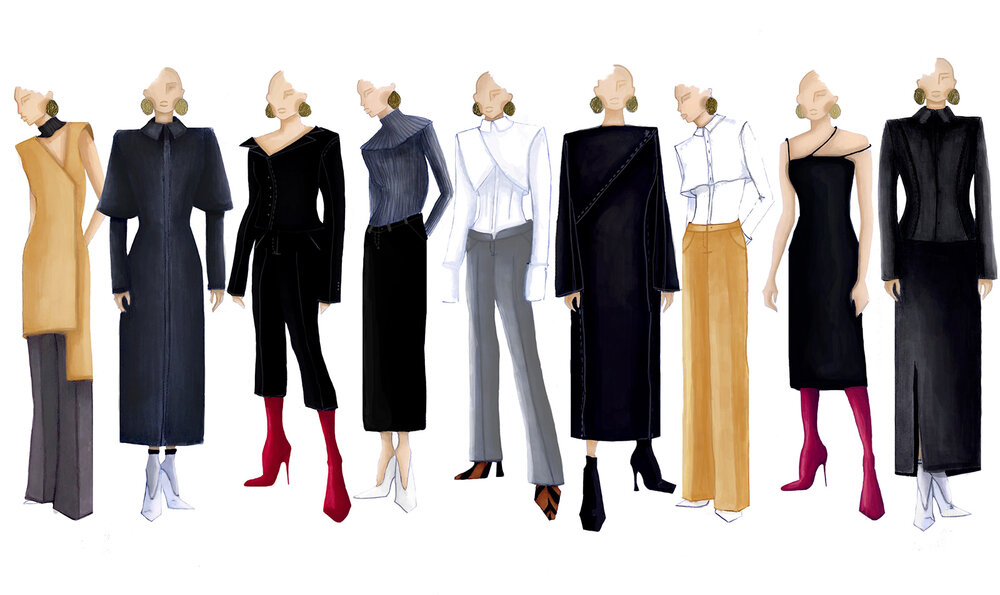
Storytelling Through Collections: Building Emotional Connections
Each collection a fashion designer creates is a chapter in the brand’s ongoing story. Designers are adept at weaving narratives, drawing inspiration from themes that resonate with their target audience or articulate a particular societal mood. A collection might tell a story of escapism, empowerment, nostalgia, or innovation. This narrative approach transforms clothing from mere functional items into vessels of meaning, enabling consumers to connect with the brand on a deeper, emotional level. Marketing teams then leverage these stories to create compelling campaigns, but the initial narrative seed is almost always sown by the designer. This ability to imbue products with meaning is a powerful branding tool, differentiating a brand in a crowded market and building a community around shared values and aspirations.
Collaborations and Brand Extensions: Expanding the Brand Universe
Fashion designers often lead or participate in strategic collaborations that expand a brand’s reach and introduce it to new demographics. Partnering with artists, other designers, celebrities, or even technology companies can inject fresh energy into a brand, showcasing its versatility and willingness to innovate. These collaborations are carefully chosen to align with the brand’s existing identity while simultaneously pushing its boundaries. Similarly, designers contribute to brand extensions, venturing into categories like accessories, homeware, or beauty products. These extensions are not random; they are strategic moves designed to leverage the brand’s established aesthetic and reputation, offering consumers more ways to engage with the brand’s universe and strengthening its overall market presence and financial viability.
The Designer’s Brand: Personal Identity and Market Impact
In an industry heavily influenced by personality and perception, the fashion designer themselves often becomes a powerful brand. Whether working for a major fashion house or leading their independent label, a designer’s personal identity, signature style, and reputation significantly impact their brand’s market standing and influence.
Cultivating a Signature Style: The Designer as a Brand Avatar
Many successful fashion designers cultivate a distinct signature style that becomes synonymous with their personal brand and, by extension, the brands they represent. Think of Vivienne Westwood’s punk aesthetic, Rei Kawakubo’s deconstructive approach, or Giorgio Armani’s understated elegance. This signature style is not just about clothing; it encompasses a philosophical approach to design, an attitude, and a consistent aesthetic vision. The designer acts as the avatar of this style, embodying the brand’s values and vision. This personal branding makes them recognizable figures, drawing consumers who resonate with their particular aesthetic worldview. For independent labels, the designer’s personal brand is often the primary driver of initial interest and loyalty.
Building Industry Reputation: Networking and Influence
A fashion designer’s reputation within the industry is a critical asset. This reputation is built not only on creative talent but also on professionalism, reliability, and the ability to consistently deliver impactful collections. Networking with buyers, editors, stylists, manufacturers, and other industry professionals is crucial. Attending fashion weeks, participating in industry events, and engaging with media all contribute to building a strong professional network and reputation. A well-regarded designer can influence trends, attract top talent, secure valuable partnerships, and garner positive media attention, all of which directly benefit the brand they are associated with. Their influence extends beyond the design studio, making them key opinion leaders in the broader fashion ecosystem.
The Power of Personal Branding in a Competitive Landscape
In today’s highly competitive and increasingly digital landscape, a fashion designer’s personal brand has become more potent than ever. Social media platforms allow designers to directly share their creative process, inspirations, and personal insights with a global audience, fostering a deeper connection with consumers. This direct engagement builds a community around the designer’s vision, generating buzz and driving sales. For burgeoning designers, a strong personal brand can open doors to funding, mentorship, and opportunities that might otherwise be inaccessible. It allows them to tell their own story authentically, positioning them not just as creators of products but as influential voices and personalities within the fashion world, ultimately reinforcing the market strength and appeal of their associated brands.
Navigating the Market: Marketing, Trends, and Brand Relevance
Fashion designers play a crucial, often underestimated, role in the marketing and commercial success of a brand. Their insights into aesthetics, consumer behavior, and industry trends are indispensable for crafting effective marketing strategies and ensuring the brand remains relevant and desirable in a constantly shifting market.
Trend Forecasting and Adaptation: Keeping the Brand Current
A fundamental aspect of a fashion designer’s job is to forecast upcoming trends and strategically adapt them for their brand. This isn’t about blindly following fads but understanding the underlying cultural shifts that give rise to trends. Designers use their expertise to interpret these trends through the lens of their brand’s identity, ensuring that collections feel fresh and current without abandoning the brand’s core aesthetic. They identify which trends align with the brand’s values and target audience, translating them into designs that will resonate. This ability to balance innovation with brand consistency is vital for maintaining market relevance and preventing the brand from becoming stagnant or outdated, thus safeguarding its long-term appeal and commercial viability.
Presentation and Merchandising: Communicating Brand Value
Designers are often deeply involved in how their collections are presented to the world, influencing everything from runway show styling to in-store merchandising. They work closely with stylists, photographers, and visual merchandisers to ensure that the garments are showcased in a way that accurately conveys the collection’s narrative and the brand’s desired image. This includes selecting models, guiding photo shoots, and even advising on window displays. The goal is to create a cohesive and aspirational visual experience that communicates the brand’s value proposition and entices consumers. An expertly styled fashion show or a thoughtfully merchandised retail space can significantly amplify a collection’s impact and reinforce the brand’s luxury or lifestyle positioning.
Digital Presence and E-commerce: Expanding Brand Reach
In the digital age, fashion designers are increasingly involved in shaping a brand’s online presence, which is crucial for expanding its reach and market footprint. They often provide creative direction for e-commerce visuals, social media content, and digital marketing campaigns. Ensuring that the brand’s online aesthetic is consistent with its physical presence and brand identity is paramount. Designers contribute to creating engaging digital stories, perhaps through behind-the-scenes content or conceptual lookbooks tailored for online consumption. Their understanding of visual appeal and brand storytelling translates directly into effective digital merchandising and marketing, helping brands connect with a global audience, drive online sales, and reinforce their position in the competitive e-commerce landscape. This digital engagement is vital for sustained growth and relevance in contemporary fashion.

Conclusion
The question “what do fashion designers do?” unravels into a tapestry of creative, strategic, and influential roles, all profoundly impacting the “Brand” category. From the initial spark of an idea to the final product on a shelf, designers are not merely garment makers; they are the strategic visionaries who imbue brands with identity, narrative, and aesthetic appeal. They orchestrate the core creative process, meticulously translate concepts into tangible assets, and act as architects of brand identity. Furthermore, their personal brand and industry reputation wield significant market influence, while their keen understanding of trends and marketing ensures a brand’s sustained relevance and expansion.
Ultimately, fashion designers are central to shaping how brands are perceived, experienced, and desired by consumers. Their work is a testament to the power of design as a fundamental pillar of brand strategy, making them indispensable drivers of innovation, cultural expression, and commercial success in the global fashion industry. Without their multifaceted contributions, the intricate world of fashion branding would simply cease to exist.
aViewFromTheCave is a participant in the Amazon Services LLC Associates Program, an affiliate advertising program designed to provide a means for sites to earn advertising fees by advertising and linking to Amazon.com. Amazon, the Amazon logo, AmazonSupply, and the AmazonSupply logo are trademarks of Amazon.com, Inc. or its affiliates. As an Amazon Associate we earn affiliate commissions from qualifying purchases.