
In the highly competitive landscape of fast-casual dining, few brands have managed to cultivate a loyal following as effectively as Chipotle Mexican Grill. Central to this success is the brand’s ability to innovate its menu while remaining steadfast in its core philosophy of “Food with Integrity.” When Chipotle introduced “Sofritas” to its permanent menu in 2014, it wasn’t merely adding a vegan protein option; it was executing a masterclass in brand strategy.
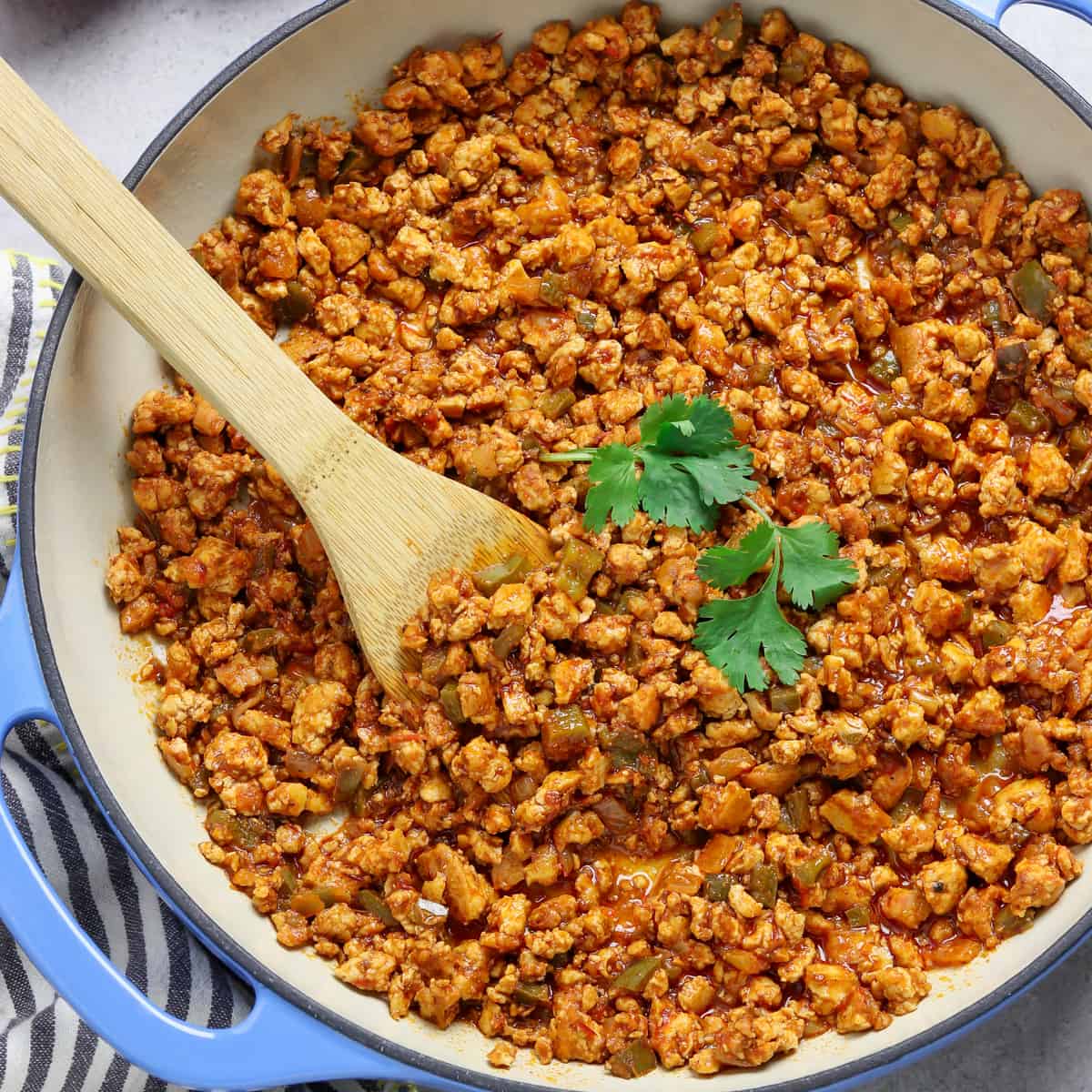
What is a Sofritas? On a technical level, it is organic, non-GMO tofu braised with poblano peppers, cumin, and a blend of aromatic spices. However, from a brand perspective, Sofritas represents a strategic pivot toward inclusivity, sustainability, and a sophisticated understanding of modern consumer psychology. By examining the brand mechanics behind this product, we can uncover how Chipotle leveraged a niche dietary requirement to solidify its position as a market leader in the conscious-consumption era.
The Engineering of a Trademark: Defining the Sofritas Brand Identity
The name “Sofritas” is a proprietary term that serves a specific marketing function. In the early 2010s, tofu carried a significant “brand baggage” in the United States, often perceived by mainstream meat-eaters as bland, spongy, or unappealing. Chipotle’s decision to avoid the word “tofu” in the product’s primary name was a calculated move in brand linguistics.
The Power of Linguistic Branding
By naming the product “Sofritas”—derived from the Spanish culinary term sofreeto—Chipotle successfully recontextualized the ingredient. The name evokes heat, spice, and authentic Mexican cooking techniques. This linguistic shift allowed the brand to bypass the negative stereotypes associated with soy products and instead frame the item as a flavorful, artisan-crafted protein. In the world of branding, naming is the first step in perception management. Chipotle didn’t sell tofu; they sold a “braised protein experience,” making it palatable even to those who typically wouldn’t consider a plant-based diet.
Sensory Branding and the Visual Experience
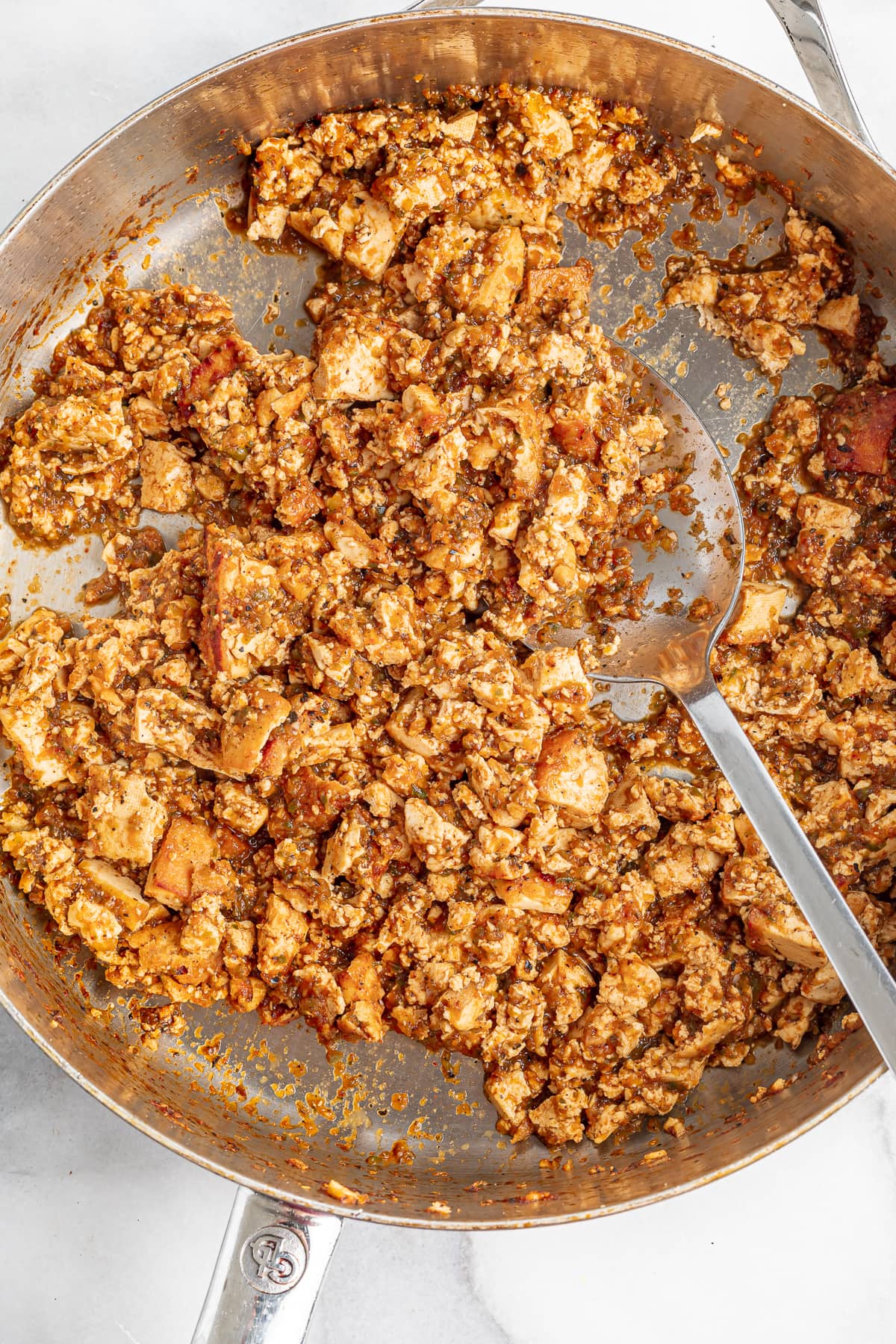
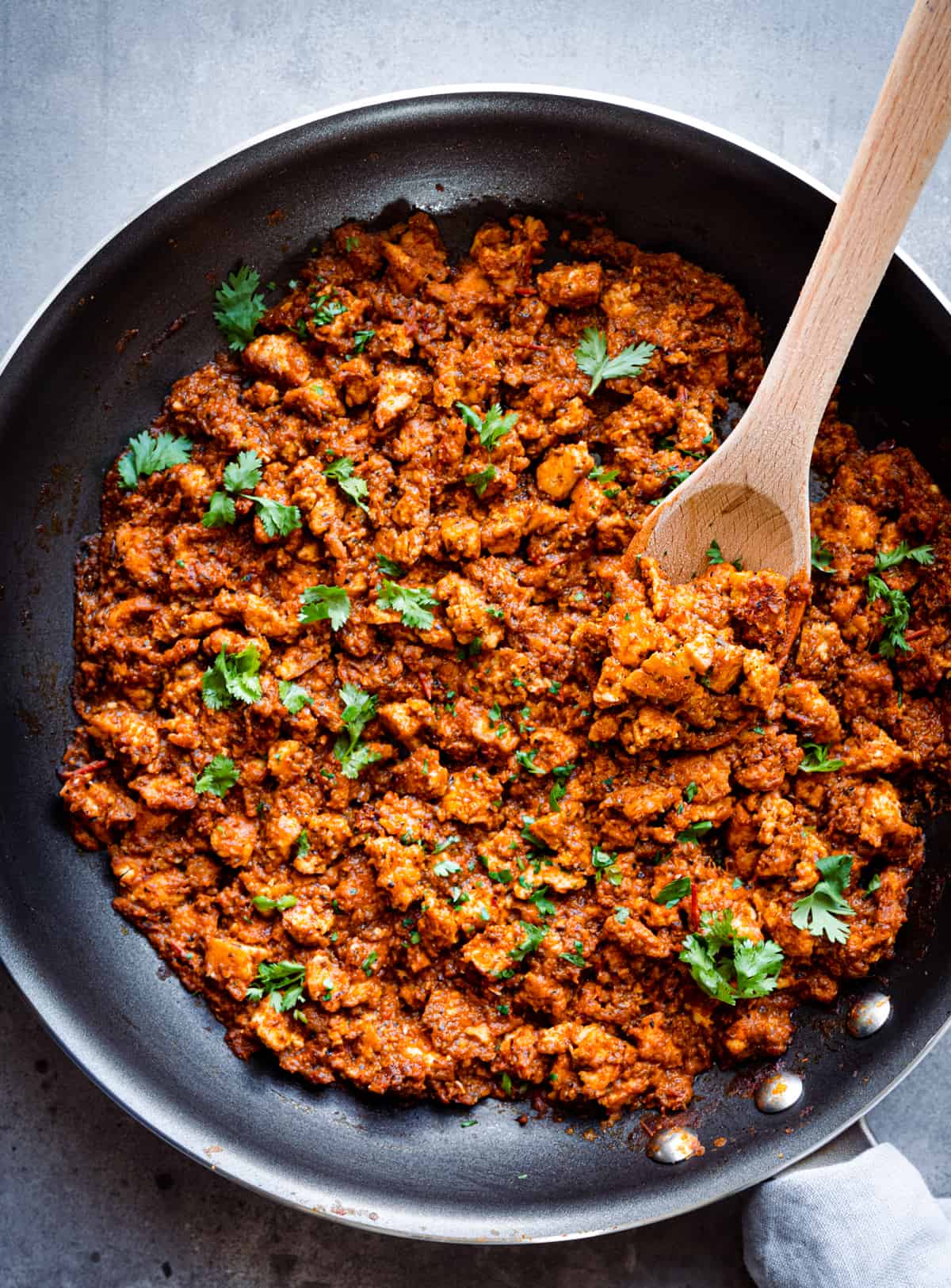
Chipotle’s brand is built on transparency—the open kitchen, the visible assembly line, and the raw ingredients. Sofritas was designed to fit this visual narrative. Unlike the ultra-processed, “bleeding” plant-based burgers that would follow years later, Sofritas looks like real food. Its crumbled texture and deep, earthy red hue (from the adobo and peppers) mirror the appearance of chorizo or shredded beef. This visual consistency ensures that the product doesn’t feel like an “outsider” on the menu board, reinforcing the brand’s commitment to culinary harmony and authenticity.
Targeted Marketing: Capturing the Conscious Consumer
The introduction of Sofritas was a strategic response to the shifting demographics of the American diner. With the rise of the “flexitarian” and the ethically motivated consumer, Chipotle recognized an opportunity to capture a segment of the market that was underserved by traditional fast-food outlets.
The Ethical Brand Promise
Chipotle’s brand equity is heavily tied to its sourcing. By using organic, non-GMO tofu sourced from Hodo Foods—a reputable artisanal producer—Chipotle reinforced its “Food with Integrity” mission. This was not just a menu addition; it was a PR vehicle. The brand used Sofritas to tell a story about animal welfare and environmental sustainability. By providing a low-carbon-footprint protein, Chipotle positioned itself as a brand that shares the values of its Gen Z and Millennial customer base. This alignment of values is the cornerstone of modern brand loyalty.
Solving the “Veto Vote”
In marketing strategy, the “veto vote” refers to the one person in a group who dictates where everyone eats because of specific dietary restrictions. Before Sofritas, a group of friends might avoid Chipotle if one member was a strict vegan who didn’t want a “bean-only” burrito. By branding a high-quality, flavorful vegan protein, Chipotle eliminated the veto vote. This strategic move didn’t just bring in vegans; it brought in the groups of five or six people who accompanied them. From a brand management standpoint, Sofritas turned a potential weakness into a significant competitive advantage.
Product Innovation as a Competitive Advantage
Innovation in the food industry is often fleeting, with seasonal “LTOs” (Limited Time Offers) dominating the landscape. However, Chipotle’s approach to Sofritas was different. It was designed for longevity, serving as a pillar of their permanent menu and a benchmark for their innovation pipeline.
Supply Chain as Brand Equity
One of the most impressive aspects of the Sofritas launch was the integration of supply chain transparency into the brand story. Chipotle didn’t hide where their tofu came from; they celebrated it. By partnering with Hodo Foods, they leveraged the supplier’s reputation for quality to bolster their own. This “co-branding” of ingredients (similar to how Intel markets its processors inside other computers) builds trust with the consumer. In an era where “greenwashing” is a common brand risk, Chipotle’s tangible, traceable supply chain for Sofritas provided a layer of authenticity that competitors struggled to replicate.
Maintaining Brand Premiumization
Chipotle has always occupied the “premium” end of the fast-casual spectrum. The brand avoids the “dollar menu” race to the bottom, focusing instead on perceived value. Sofritas was priced similarly to its chicken and carnitas counterparts, which was a bold branding move. By not discounting the plant-based option, Chipotle signaled to the market that Sofritas was equal in culinary value to meat. This pricing strategy reinforced the brand’s identity as a place for high-quality food, regardless of dietary preference, and helped maintain the company’s industry-leading margins.
The Long-Term Impact: Evolution and Cultural Relevance
A decade after its launch, Sofritas remains a staple of the Chipotle experience. Its success has served as a blueprint for how the brand handles subsequent innovations, such as Plant-Based Chorizo or Cauliflower Rice.
From Niche Option to Menu Mainstay
The longevity of Sofritas proves that it was more than a trend; it was a successful brand extension. It allowed Chipotle to experiment with “lifestyle bowls” (Whole30, Keto, Vegan), which categorized their existing ingredients into branded health solutions. Sofritas is the heart of the “Vegan Bowl,” a product that caters to the algorithmic nature of modern food delivery apps. By having a branded protein that fits these categories, Chipotle ensures it remains at the top of search results for “healthy” or “vegan” food options in the digital marketplace.
Lessons in Brand Resilience
The story of Sofritas also highlights the resilience of the Chipotle brand. During various food safety crises in the mid-2010s, the brand leaned heavily on its “Food with Integrity” pillars to regain consumer trust. Sofritas, with its organic certification and clean ingredient profile, served as a “halo product.” It reminded consumers of the brand’s high standards at a time when its reputation was under fire. This illustrates the importance of having “anchor products” that embody the brand’s highest ideals.
Conclusion: The Strategic Legacy of the Sofritas Brand
What is a Sofritas? It is far more than a scoop of seasoned tofu. It is a strategic asset that allowed Chipotle to redefine what fast-casual dining looks like in the 21st century. Through clever naming, ethical sourcing, and a deep understanding of the “veto vote,” Chipotle transformed a simple ingredient into a powerful brand differentiator.
For brand strategists and marketing professionals, Sofritas serves as a reminder that successful product innovation is not just about what is being sold, but how it is framed within the larger brand narrative. Chipotle didn’t just follow the plant-based trend; they anticipated it, branded it, and integrated it so seamlessly into their corporate identity that it now feels inseparable from the Chipotle experience. In doing so, they secured a loyal customer base, protected their premium pricing, and set a standard for “integrity-led” marketing that continues to influence the industry today.
aViewFromTheCave is a participant in the Amazon Services LLC Associates Program, an affiliate advertising program designed to provide a means for sites to earn advertising fees by advertising and linking to Amazon.com. Amazon, the Amazon logo, AmazonSupply, and the AmazonSupply logo are trademarks of Amazon.com, Inc. or its affiliates. As an Amazon Associate we earn affiliate commissions from qualifying purchases.