
In the modern attention economy, celebrity relationships have evolved beyond mere personal unions; they have become sophisticated joint ventures and high-stakes branding exercises. The public trajectory of Colson Baker (Machine Gun Kelly) and Megan Fox serves as a definitive case study in personal brand synergy, visual identity alignment, and crisis management. When we ask “what happened” with MGK and Megan Fox, we are not just observing a narrative of romance—we are analyzing a strategic masterclass in brand positioning and the inevitable volatility of high-intensity public personas.
By examining their journey through the lens of brand strategy, we can extract vital lessons on how modern icons build, maintain, and occasionally dismantle their public identities to remain relevant in a saturated digital landscape.
The Strategic Launch of the “Twin Flame” Brand Identity
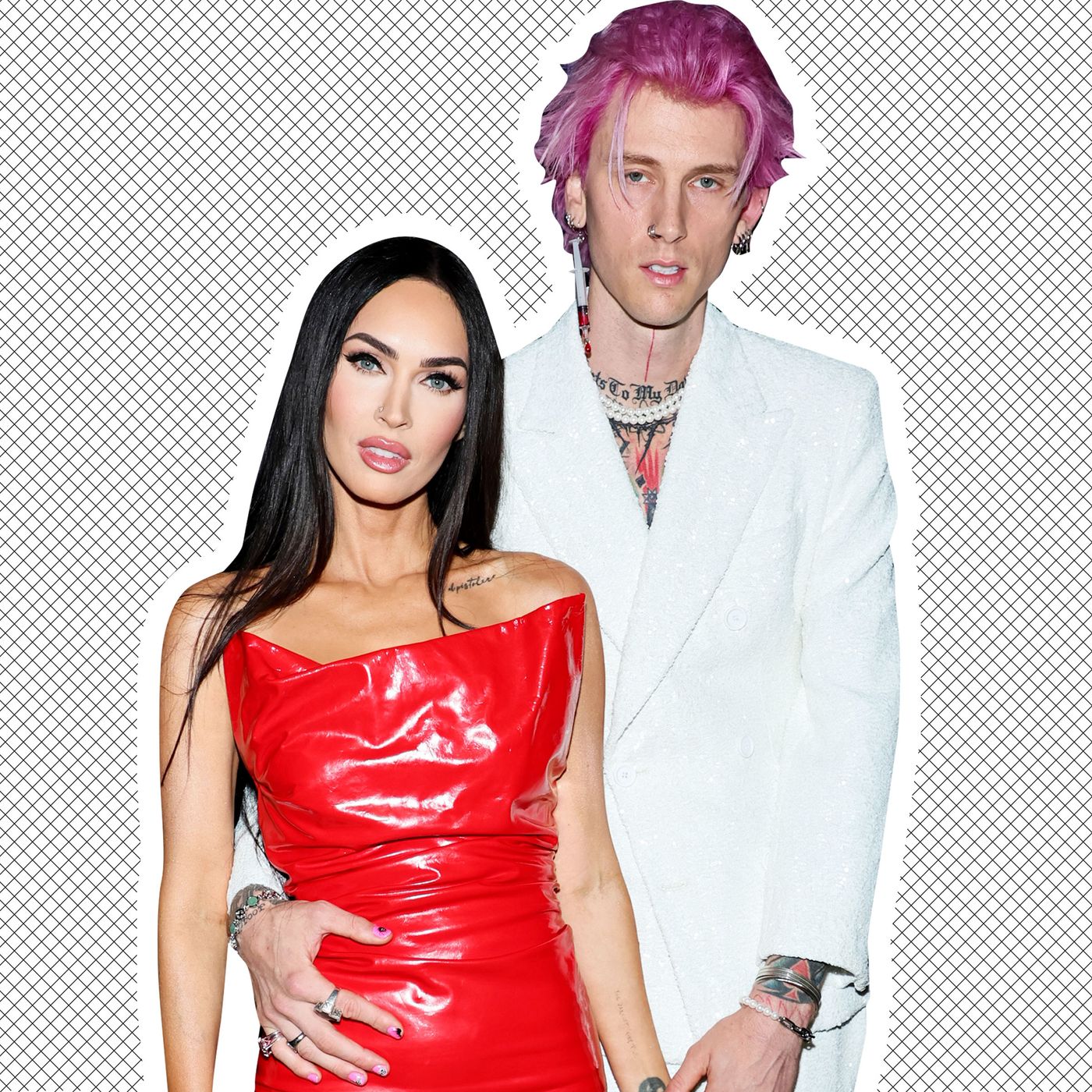
Every successful brand requires a unique selling proposition (USP). For MGK and Megan Fox, their “brand launch” as a couple was characterized by a distinct, gothic-romantic aesthetic that separated them from the polished, cookie-cutter image of Hollywood peers. They didn’t just date; they merged their visual languages to create a singular, recognizable entity.
Defining the Gothic Aesthetic as a Market Differentiator
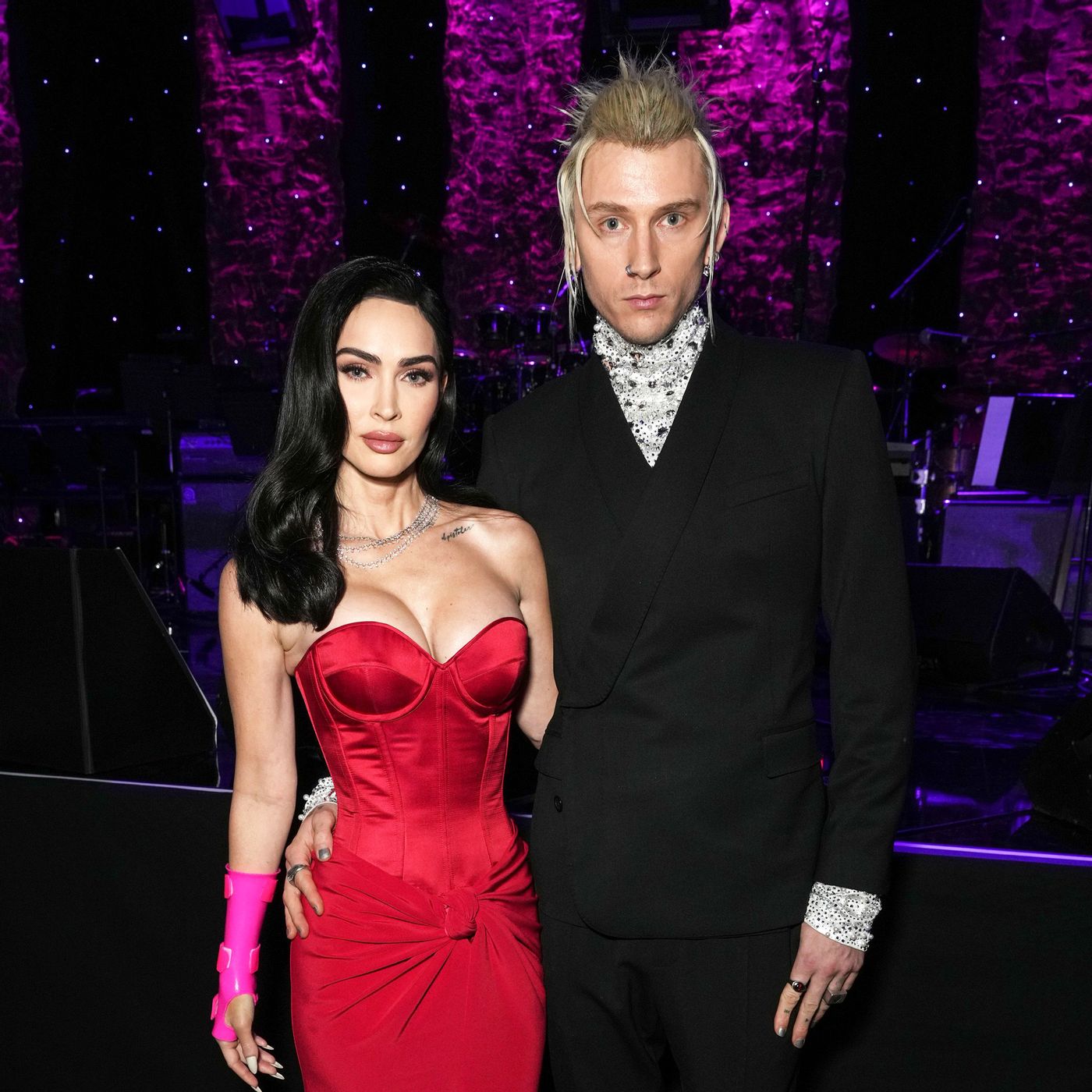
From their first public appearances, it was clear that Fox and MGK were utilizing a high-concept visual strategy. By leaning into “dark romance” motifs—vials of blood, thorny engagement rings, and coordinated punk-rock fashion—they tapped into an underserved market niche. While many celebrities aim for broad, mass-market appeal, the MGK-Fox brand targeted the “alternative” demographic, positioning themselves as the modern heirs to the edgy celebrity archetypes of the 90s. This specific market positioning allowed them to dominate headlines by providing a stark visual contrast to the “clean girl” aesthetic prevalent on social media.
Consistency and Public Synchronicity
A brand is only as strong as its consistency. For nearly three years, the pair maintained a perfect “brand voice.” Whether on a red carpet or in a candid Instagram post, their messaging was synchronized. This level of coordination is rarely accidental; it reflects a deep understanding of personal branding. By appearing as a monolithic unit, they doubled their reach, cross-pollinating MGK’s music audience with Megan Fox’s established film and fashion fanbase.
The “Blood Bond” as a Marketing Hook
While polarizing, the more extreme elements of their relationship—such as the drinking of each other’s blood or the “thorns” on the engagement ring designed to hurt if removed—served as powerful narrative hooks. In the world of branding, controversy can be a tool for engagement. These details ensured that the brand stayed “top of mind” for the media, driving search engine traffic and social media mentions through shock value, which in turn kept their individual projects (music tours and film releases) in the public eye.
Personal Brand Dilution vs. Expansion: The Impact on Individual Equity
A significant risk in “Power Couple” branding is the potential for individual identities to become subsumed by the joint venture. For both Fox and MGK, the partnership acted as a catalyst for significant rebranding efforts, though it carried the inherent risk of brand dilution if the relationship were to falter.
Megan Fox’s Career Resurgence and Rebranding
Before her relationship with MGK, Megan Fox’s brand had been somewhat dormant in the mainstream consciousness. Her association with the high-energy, tabloid-friendly world of MGK facilitated a massive “brand refresh.” She transitioned from being viewed through the lens of 2000s nostalgia to being a contemporary fashion icon and a symbol of “female reclamation.” This pivot allowed her to secure high-profile partnerships and editorial features, proving that a strategic romantic alignment can serve as a powerful tool for brand revitalization.
Machine Gun Kelly’s Transition from Rap to Pop-Punk
For MGK, the relationship coincided with his most significant professional pivot: the transition from a mid-tier rapper to a chart-topping pop-punk artist. The “Megan Fox era” of his career provided the visual and narrative backdrop necessary for this genre shift. Her presence in his music videos and at his shows lent him a “rock star” credibility that resonated with a younger, Gen Z audience. This synergy between his personal life and his artistic output is a textbook example of brand alignment.

The Risks of Brand Co-dependency
The primary danger of building a brand around a relationship is co-dependency. When two individuals become a singular brand, any fracture in the relationship threatens the equity of both parties. As rumors of instability began to surface, the “MGK-Fox” brand faced a crisis of confidence. For audiences who had invested in the “Twin Flame” narrative, signs of a breakup weren’t just personal news; they were a disruption of the “product” they had been consuming.
Crisis Management and the Strategy of Volatility
The recent shifts in the MGK and Megan Fox narrative—marked by deleted Instagram posts, cryptic captions, and public silences—reveal the complexities of crisis management in the digital age. In personal branding, “what happened” is often less important than “how it is communicated.”
The Instagram Wipe as a Strategic Reset
When Megan Fox deleted her Instagram or posted cryptic lyrics, it wasn’t just an emotional reaction; it was a management of digital assets. In the world of personal branding, a “social media wipe” is a standard tactic used to signal a transition or a new era. By removing the evidence of the previous brand state, a celebrity can regain control over the narrative, forcing the media to speculate rather than report on old data. This creates a “scarcity of information” that actually increases brand value through heightened interest.
Authenticity vs. Performance in Brand Narrative
One of the greatest challenges for high-profile brands is maintaining the illusion of authenticity. When a couple’s brand is built on “intense, eternal love,” any sign of a normal human conflict can feel like a brand failure. The “what happened” phase of their relationship forced a shift from a “perfectionist” brand to a “vulnerable” brand. By acknowledging struggles or seeking therapy in the public eye, they attempted to pivot toward a more relatable, though still edgy, narrative of “working through it.”
Handling Public Fatigue and Overexposure
One of the reasons brands pivot is to combat “brand fatigue.” After several years of high-intensity public displays, the MGK-Fox brand risked becoming a caricature. The recent “cooling off” period in the media could be interpreted as a strategic withdrawal. By reducing their public frequency, they allow the audience’s palate to reset, making their next appearance or project announcement more impactful. This is a classic “pull” strategy in marketing—withdrawing to create demand.
Lessons for Personal Branding in the Digital Age
The MGK and Megan Fox saga offers profound insights for influencers, executives, and corporate entities alike. It demonstrates that a brand is not a static object but a living narrative that must be nurtured and, occasionally, pruned.
The Importance of a Modular Personal Identity
The most critical lesson is the need for a “modular” brand. While joint ventures (like the MGK-Fox partnership) can offer exponential growth, individuals must maintain a “core brand” that can survive the dissolution of the partnership. Megan Fox’s recent focus on her book of poetry and individual fashion ventures suggests a move toward re-establishing her independent brand equity, ensuring that she remains a viable entity regardless of her relationship status.
Emotional Engagement and the Attention Economy
Brands today do not compete solely on quality; they compete on emotional engagement. MGK and Megan Fox succeeded because they made people feel something—whether it was admiration, confusion, or disdain. In the attention economy, indifference is the only true failure. By leaning into a polarizing identity, they guaranteed long-term brand salience.
Navigating the “Post-Relationship” Brand
As the narrative of MGK and Megan Fox continues to evolve, the final stage of their current brand cycle is the “post-coupling” or “redefined coupling” phase. Whether they remain together or move apart, the way they handle the transition will define their brand legacy. Successful brands know how to “pivot with grace,” turning a potential PR disaster into a story of personal growth and resilience.
In conclusion, “what happened” with MGK and Megan Fox is a complex interplay of personal life and professional brand management. They transformed a relationship into a cultural phenomenon by utilizing sophisticated visual storytelling, strategic market positioning, and calculated volatility. For observers of brand strategy, their story remains one of the most compelling examples of how to build and navigate a high-impact identity in the 21st century. Regardless of the personal outcome, the “MGK x Megan Fox” case study will remain a blueprint for how celebrity brands can dominate the cultural conversation through intentionality and aesthetic rigor.
aViewFromTheCave is a participant in the Amazon Services LLC Associates Program, an affiliate advertising program designed to provide a means for sites to earn advertising fees by advertising and linking to Amazon.com. Amazon, the Amazon logo, AmazonSupply, and the AmazonSupply logo are trademarks of Amazon.com, Inc. or its affiliates. As an Amazon Associate we earn affiliate commissions from qualifying purchases.