
In the modern geopolitical landscape, the Director of National Intelligence (DNI) serves as the primary advisor to the President, the National Security Council, and the Homeland Security Council for intelligence matters related to national security. However, in the 21st century, the definition of “national security” has shifted from traditional borders and physical espionage to the digital realm. Today, the DNI is effectively the “Chief Technology and Data Officer” of the United States’ defense apparatus, overseeing an enterprise where software, artificial intelligence, and digital security are the primary weapons of choice.

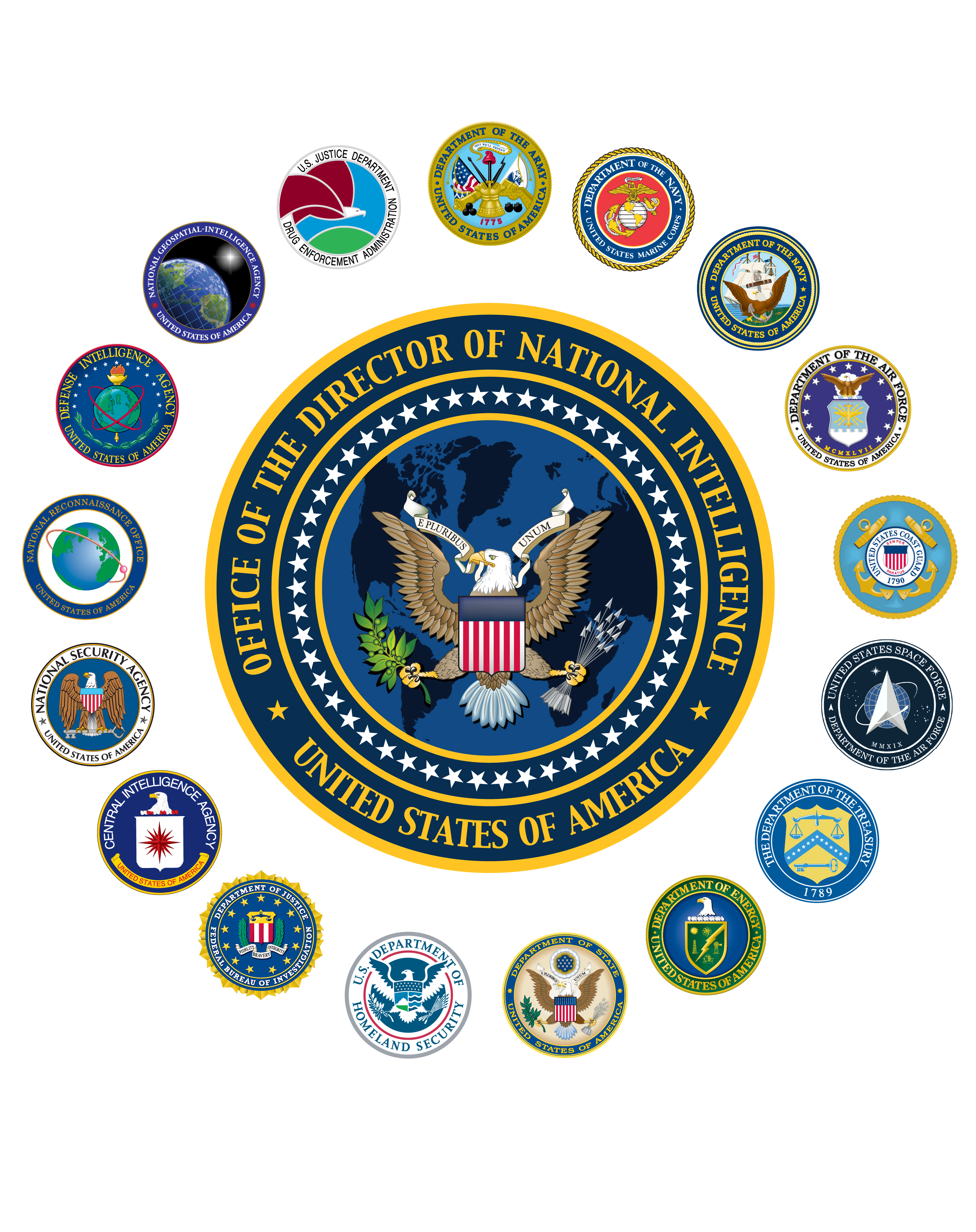
The DNI oversees the Intelligence Community (IC), a complex ecosystem of 18 separate agencies, including the CIA, NSA, and FBI. The core mission is to synchronize these entities into a cohesive, data-driven force capable of identifying threats before they manifest. As the world moves deeper into the digital age, the DNI’s responsibilities have evolved to focus heavily on the intersection of cutting-edge technology and global stability.
The Architect of the Digital Shield: Overseeing National Cybersecurity
The DNI’s most critical modern function is acting as the central architect for the nation’s digital defense. In an era where a single line of malicious code can cripple a power grid or compromise democratic processes, the DNI must ensure that the IC is equipped with the most advanced digital security protocols.
Integrating 18 Agencies into a Unified Data Network
Historically, the various branches of the U.S. intelligence apparatus operated in “silos,” where information was rarely shared due to technical incompatibilities or institutional friction. One of the DNI’s primary technological mandates is to break down these silos through the implementation of unified data standards. By overseeing the Intelligence Community Information Technology Enterprise (IC ITE), the DNI ensures that agencies can share high-side (classified) data seamlessly. This involves managing massive cloud-based architectures that allow a field agent in an embassy to access the same real-time analytics as a data scientist at the NSA.
Real-Time Threat Intelligence and Cyber Defense
The DNI is responsible for the National Intelligence Management Council, which identifies cyber threats ranging from state-sponsored hacking to decentralized ransomware groups. Under the DNI’s guidance, the IC utilizes sophisticated intrusion detection systems that leverage behavioral analytics to identify anomalies in network traffic. This proactive digital security posture is designed to move beyond “patch-and-remediate” strategies, instead focusing on “defend forward” initiatives—using software tools to neutralize threats within adversary networks before they reach domestic infrastructure.
Harnessing Artificial Intelligence and Big Data for Global Security
The volume of data collected by the modern intelligence community is staggering. From satellite imagery and signals intelligence to open-source social media feeds, the amount of information exceeds human processing capacity. Under the DNI’s leadership, the IC has pivoted toward Artificial Intelligence (AI) and Machine Learning (ML) as the primary tools for sense-making.
Machine Learning in Signal Intelligence (SIGINT)
Signal Intelligence involves the interception of electronic signals and communications. The DNI oversees the integration of ML algorithms that can sift through petabytes of encrypted data to identify patterns indicative of a pending threat. These AI tools are trained to recognize “electronic signatures” and translate foreign languages in real-time, allowing human analysts to focus on high-level strategic decision-making rather than manual data entry. This shift represents a fundamental change in the DNI’s role—from managing people to managing the algorithms that empower people.
Ethical AI Frameworks and Automated Analysis
As the DNI implements AI tools across the IC, a significant portion of the role involves establishing the ethical and technical guardrails for these technologies. This includes addressing “algorithmic bias” and ensuring that AI-driven insights are verifiable and transparent to oversight bodies. The DNI’s office works closely with tech industry leaders to develop “explainable AI” (XAI) models. These models ensure that when an automated system flags a potential threat, the DNI can explain the “why” behind the software’s conclusion, maintaining a human-in-the-loop requirement for critical national security decisions.

The Tech Infrastructure of the Intelligence Community
Beyond data and algorithms, the DNI is responsible for the physical and virtual infrastructure that keeps the nation’s secrets safe. This involves a massive investment in hardware, specialized software, and emerging fields of physics that will define the next century of intelligence.
Cloud Computing and IC ITE
The transition to the cloud is perhaps the most significant technological shift overseen by the DNI in the last decade. By moving the IC to a multi-cloud environment (utilizing providers like AWS, Microsoft Azure, and Google Cloud under specialized government contracts), the DNI has provided the community with unprecedented scalability. This infrastructure allows for “edge computing,” where data is processed locally on devices—such as drones or tactical sensors—rather than being sent back to a central server, drastically reducing latency and increasing the speed of intelligence delivery.
Quantum Computing: The Next Frontier of National Defense
Perhaps the most daunting technological challenge facing the DNI today is the advent of quantum computing. A functional quantum computer could, in theory, break almost all existing forms of public-key encryption. The DNI is currently leading the charge in “Post-Quantum Cryptography” (PQC). This involves overseeing the development and deployment of new encryption software that is resistant to quantum attacks. The DNI’s role here is both defensive—protecting U.S. secrets—and offensive, ensuring that the U.S. remains at the forefront of quantum research to maintain a competitive edge in global signals intelligence.
Modernizing the Workforce: Skills and Software Innovation
A director is only as effective as their team, and for the DNI, that team is increasingly composed of software engineers, data scientists, and cybersecurity experts. The DNI is tasked with transforming the IC from a traditional bureaucratic entity into a tech-forward organization that can compete with Silicon Valley for talent.
From Paper to Code: The Digital Transformation of Intelligence
The DNI oversees the “Digital Transformation” of the intelligence workflow. This isn’t just about using computers; it’s about shifting the entire intelligence lifecycle—collection, analysis, and dissemination—into a digital-first model. This includes the use of collaborative software platforms that allow for “crowdsourced” analysis within the IC, where experts from different agencies can annotate a single digital document in real-time, much like a classified version of Google Docs. This speed and agility are vital in a world where digital threats move at the speed of light.
Developing Proprietary Analysis Tools for the IC
While the DNI utilizes commercial off-the-shelf (COTS) technology where possible, many of the threats faced by the nation require bespoke software solutions. The DNI facilitates the creation of proprietary analysis tools through organizations like IARPA (Intelligence Advanced Research Projects Activity). These tools include advanced geospatial modeling software that can predict troop movements based on environmental data, or sentiment analysis tools that track the spread of foreign disinformation campaigns across digital platforms. By funding and directing these technological moonshots, the DNI ensures that the IC stays one step ahead of adversaries who are also leveraging the latest tech trends.
The Future of the DNI: Navigating the “Internet of Everything”
As we look toward the future, the DNI’s role will continue to expand alongside the “Internet of Things” (IoT) and the proliferation of 5G/6G networks. With billions of devices connected to the internet, the surface area for both intelligence collection and cyber-attacks is expanding exponentially.
The DNI is now tasked with managing the security implications of this “Internet of Everything.” This includes securing the supply chains for the semiconductors and hardware that power these networks. In this capacity, the DNI acts as a bridge between the tech industry and the executive branch, advising on which technologies are safe for national infrastructure and which pose a “digital backdoor” risk.
Ultimately, the Director of National Intelligence is no longer just a manager of spies and satellites. They are the chief steward of the nation’s digital sovereignty. In a world defined by data, the DNI’s ability to master the tools of technology—AI, quantum computing, and high-speed networks—is what ensures the safety and security of the physical world. Through the strategic application of software and digital security, the DNI transforms raw, chaotic data into the actionable intelligence that protects the modern world.
aViewFromTheCave is a participant in the Amazon Services LLC Associates Program, an affiliate advertising program designed to provide a means for sites to earn advertising fees by advertising and linking to Amazon.com. Amazon, the Amazon logo, AmazonSupply, and the AmazonSupply logo are trademarks of Amazon.com, Inc. or its affiliates. As an Amazon Associate we earn affiliate commissions from qualifying purchases.