
In the modern era of medicine, the intersection of technology and female biology has revolutionized how conditions are identified, monitored, and treated. While the physical manifestation of conditions like hemorrhoids remains a biological reality, the way a woman discovers, visualizes, and understands these symptoms is now mediated almost entirely through a digital framework. From AI-driven symptom checkers to high-definition endoscopic imaging, the question of “what do hemorrhoids look like” is being answered by a sophisticated suite of technological tools designed to provide clarity, privacy, and precision.
The Evolution of Diagnostic Imaging and Computer Vision
The primary way technology answers the question of visual identification is through advanced imaging software. In the past, diagnosis relied solely on physical examinations, but today, computer vision (CV) and high-resolution digital optics have transformed the clinical landscape. For a woman seeking to understand her symptoms, the “look” of a condition is no longer a mystery but a data point processed by high-end tech.

AI-Driven Visual Recognition and Symptom Analysis
Artificial Intelligence has made significant strides in dermatological and internal imaging. Modern health apps now utilize machine learning algorithms trained on vast datasets of medical imagery. These AI models can differentiate between various types of tissue inflammation, such as internal versus external hemorrhoids, by analyzing pixel patterns, coloration, and structural anomalies. For the user, this means that a smartphone camera, combined with a secure AI interface, can provide a preliminary visual analysis that was once only possible in a specialist’s office. This technology uses “Deep Learning” to filter out noise and focus on vascular patterns, providing an objective visual assessment.
High-Resolution Endoscopic and Proctoscopic Tech
When a patient moves from home-based tech to a clinical setting, the “look” of the condition is captured by state-of-the-art hardware. High-definition (HD) digital proctoscopes and anorectal manometry tools use fiber-optic sensors and CMOS (Complementary Metal-Oxide-Semiconductor) imaging chips. These gadgets allow physicians to see microscopic details of the mucosal lining in real-time on 4K monitors. This level of visual clarity is essential for distinguishing hemorrhoids from other similar-looking conditions, such as polyps or fissures, ensuring that the technological “view” leads to a precise digital health record.
Digital Health Platforms: Bridging the Gap with Telehealth
The rise of digital health platforms has changed the “user journey” for women experiencing pelvic health issues. Technology acts as the bridge between the private observation of symptoms and professional medical intervention. Through UX/UI design tailored for sensitive health topics, these platforms provide visual education that empowers patients.
The Rise of Telehealth Platforms for Women
Telehealth has become a cornerstone of modern medical tech. For sensitive issues like hemorrhoids, many women prefer an initial digital consultation. These platforms utilize secure video conferencing tools with specialized filters and lighting adjustments to allow for remote visual assessments. Tech companies specializing in “FemTech” have optimized these interfaces to be intuitive, ensuring that the exchange of visual information is seamless. The integration of high-bandwidth streaming ensures that a doctor can see the “look” of the condition with enough detail to make an informed referral or prescription.
Patient-Facing Interfaces and Visual Education
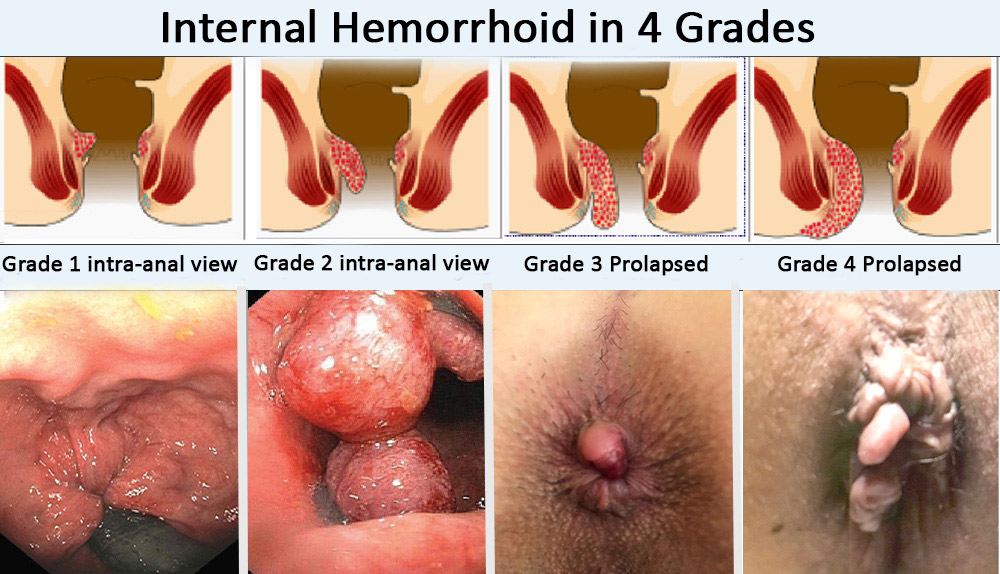
Beyond direct consultation, the technology of “Visual Education” is a powerful tool. Interactive 3D modeling software allows women to explore anatomical structures via a tablet or smartphone. Instead of looking at clinical, often frightening photos, users can interact with digital twins—virtual 3D representations of the human body. These software tools use AR (Augmented Reality) to show where internal hemorrhoids are located and how they progress. This shift from static images to interactive tech helps patients understand the “look” of their condition in a clinical, non-threatening digital environment.
Data Privacy and Digital Security in Sensitive Diagnostics
As the visualization of women’s health becomes increasingly digital, the importance of tech-side security cannot be overstated. When a woman uses an app to identify a physical condition, she is generating sensitive biometric data. The “look” of a medical condition is now a digital asset that must be protected by rigorous software architecture.
Protecting Visual Data in Digital Medical Records
Electronic Health Records (EHR) have evolved to handle high-resolution imagery with end-to-end encryption. When a digital image of a hemorrhoid is captured, it is encrypted using protocols like AES-256 before being stored in the cloud. Tech providers in the medical space must comply with HIPAA (Health Insurance Portability and Accountability Act) in the US or GDPR in Europe. This means the software is built with “Privacy by Design,” ensuring that visual data is only accessible to authorized personnel through multi-factor authentication (MFA) and biometric locks.
Blockchain and Encrypted Communication in Proctology
The latest trend in digital security for health tech is the use of blockchain for data integrity. By using a decentralized ledger, medical tech companies can ensure that a patient’s visual diagnostic history cannot be tampered with or accessed via centralized hacks. Furthermore, secure messaging protocols—similar to those used in high-level fintech—allow women to send images or descriptions of their symptoms to their doctors without the risk of interception. This layer of digital security is what makes the modern “visual” diagnosis possible and ethical.
The Future of Wearables and Bio-Sensing in Chronic Condition Management
The next frontier in how we “see” and monitor conditions like hemorrhoids lies in wearable tech and bio-sensing. We are moving away from reactive “looking” toward proactive, data-driven monitoring. Technology is shifting the focus from what a condition looks like to how it behaves over time.
Beyond Visuals: Smart Sensors and Early Detection
Future gadgets in the pelvic health space may include smart clothing or wearable patches equipped with infrared sensors and micro-thermistors. These sensors can detect changes in blood flow and localized temperature—indicators of inflammation and hemorrhoidal flare-ups—long before they are visually apparent to the naked eye. This data is then synced to a smartphone app, providing a “heat map” of the patient’s health. This is a transition from visual diagnostics to “predictive analytics,” where the software alerts the user to a potential issue based on bio-feedback rather than visual confirmation.
Integration with the Internet of Medical Things (IoMT)
The Internet of Medical Things (IoMT) connects diagnostic tools directly to a woman’s broader health ecosystem. For example, a smart bidet equipped with optical sensors could automatically track the progression of hemorrhoids and send the data to a specialist’s dashboard. While this sounds like science fiction, the technology for optical sensing in sanitation hardware is already in the prototyping phase. This integration ensures that the “visual” monitoring of the condition is automated, objective, and integrated into the user’s daily tech routine.

Conclusion: The Digital Transformation of the Female Patient Experience
In conclusion, when we ask what hemorrhoids “look like” on a woman today, the answer is found in the high-definition pixels of a proctoscope, the algorithmic classifications of an AI, and the secure blocks of an encrypted medical database. Technology has stripped away the ambiguity and stigma of physical diagnosis, replacing it with a suite of tools that offer precision and privacy.
From the computer vision that assists in early detection to the telehealth platforms that provide immediate access to care, the “look” of women’s health is now a digital-first experience. As AI continues to evolve and wearable sensors become more discreet, the diagnostic journey will become even more seamless. For the tech-savvy woman, managing her health is no longer just about physical observation—it is about leveraging a powerful technological ecosystem to ensure her body is understood, protected, and treated with the highest level of digital sophistication.
aViewFromTheCave is a participant in the Amazon Services LLC Associates Program, an affiliate advertising program designed to provide a means for sites to earn advertising fees by advertising and linking to Amazon.com. Amazon, the Amazon logo, AmazonSupply, and the AmazonSupply logo are trademarks of Amazon.com, Inc. or its affiliates. As an Amazon Associate we earn affiliate commissions from qualifying purchases.