
In the world of high-performance athletics, the 100-meter dash is more than a test of human physiology; it is the ultimate showcase for personal brand development. While the stopwatch records the milliseconds that separate the elite from the legendary, the global marketplace records the influence, equity, and commercial viability of the individuals who occupy the top 10 spots in history. To be among the fastest human beings to ever live is to possess a unique brand asset: the undisputed claim of being the “fastest.” This title is a universal value proposition that transcends language, culture, and industry.

This analysis explores the top 10 fastest 100-meter runners through the lens of brand strategy, examining how these athletes have transformed raw speed into corporate identity, multi-million dollar endorsements, and lasting personal legacies.
The Anatomy of a Speed Brand: Why the 100-Meter Dash is the Ultimate Marketing Platform
The 100-meter sprint is often referred to as the “Blue Ribbon” event of the Olympic Games. From a brand perspective, its appeal lies in its simplicity and its definitive nature. Unlike team sports, where success is distributed among a roster, or technical sports, where scoring can be subjective, the 100-meter dash offers a binary outcome: you are either the fastest, or you are not.
The “World’s Fastest Man” Moniker as a Value Proposition
In marketing terms, a “Value Proposition” is the core benefit that makes a product or person attractive to a customer or sponsor. For the top 10 fastest runners, their value proposition is absolute. The title of “World’s Fastest Man” is one of the most powerful “Unique Selling Points” (USPs) in the history of sports marketing. When a brand like Puma or Nike signs a top-three sprinter, they aren’t just buying an athlete; they are buying the association with peak human efficiency. This association allows a brand to claim that their technology—be it footwear or apparel—is the choice of the fastest person on Earth.
Speed as a Universal Language in Corporate Messaging
Speed is a primary KPI (Key Performance Indicator) for almost every modern industry, from logistics and telecommunications to fintech and software development. Consequently, the individuals who dominate the 100-meter rankings become ideal brand ambassadors for corporations looking to signal efficiency and rapid growth. A sprinter’s brand is built on the pillars of precision, explosive power, and the “start-to-finish” mentality, making them perfect symbols for corporate turnaround stories or product launches that emphasize “lightning-fast” performance.
Analysis of the Elite 10: From Pure Performance to Powerhouse Personal Brands
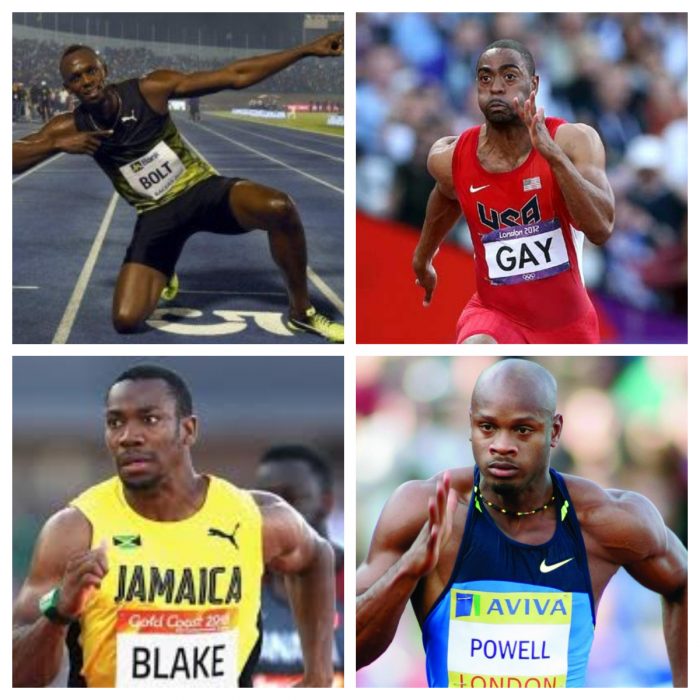
When we look at the list of the fastest men in history—names like Usain Bolt, Tyson Gay, Yohan Blake, Asafa Powell, and Justin Gatlin—we see a spectrum of brand archetypes. Some have leveraged their speed into global superstardom, while others have maintained a more functional, performance-oriented brand identity.
Usain Bolt: The Gold Standard of Athletic Branding
Usain Bolt, the world record holder at 9.58 seconds, is the undisputed king of personal branding in track and field. Before Bolt, sprinters were often marketed as stoic, intense, and intimidating. Bolt disrupted this brand category by introducing “The Archer” pose and a persona defined by joy and charisma. By humanizing the “superhuman,” Bolt created a brand that was approachable yet aspirational. His partnership with Puma remains one of the most successful brand-athlete synergies in history, turning a third-place sportswear company into a legitimate rival to Nike during the peak of his career. Bolt didn’t just sell shoes; he sold a lifestyle of effortless excellence.
Tyson Gay and Yohan Blake: Navigating the “Challenger Brand” Position
Tyson Gay (9.69s) and Yohan Blake (9.69s) represent the “Challenger Brand” archetype. In a market dominated by a singular giant (Bolt), these athletes had to define themselves by their technical mastery and their persistence. Yohan Blake, nicknamed “The Beast,” leaned into a brand identity of raw intensity and relentless work ethic. This “Beast” persona allowed him to carve out a niche for fans and sponsors who valued grit over showmanship. Tyson Gay’s brand was built on the “Quiet Professional” image—letting the times on the clock speak for themselves—which resonated with legacy brands looking for stability and understated excellence.
The Modern Era: Noah Lyles and the Shift Toward Personality-Driven Marketing
As we look at the current top-tier sprinters like Noah Lyles (who recently entered the upper echelons of the all-time list with his 2024 Olympic performance), we see a shift toward “Creator Economy” branding. Lyles understands that in the digital age, speed is the entry fee, but personality is the currency. By engaging in high-fashion collaborations, vocalizing his ambitions, and leaning into “Main Character” energy, Lyles is evolving the sprinter brand from a quadrennial Olympic hero to a year-round cultural influencer.
Strategic Monetization: How Top Sprinters Leverage Speed into Corporate Identity
The transition from a fast time to a high net worth requires a sophisticated monetization strategy. For the top 10 fastest runners, revenue streams are divided into three primary tiers: performance-based earnings, core endorsements, and lifestyle brand extensions.
Footwear Partnerships: The Engine of Sprint Branding
For every athlete in the top 10, the footwear contract is the cornerstone of their financial house. Companies like Nike, Adidas, Puma, and New Balance invest millions into these athletes because they serve as the ultimate “Proof of Concept” for their R&D departments. When a sprinter breaks 9.8 seconds, they are validating the “Carbon Plate” technology or the aerodynamic fabric of the brand. This is B2B (Business to Business) marketing disguised as B2C (Business to Consumer) entertainment; the brands are selling the idea of speed to millions of amateur runners through the feet of the elite few.
Beyond the Track: Lifestyle and Luxury Brand Alignment
The most successful sprinter brands—those that survive long after the athlete has hung up their spikes—are those that successfully transition into the luxury and lifestyle sectors. Usain Bolt’s alignment with Hublot (luxury watches) and Mumm (champagne) is a masterclass in brand elevation. These partnerships move the athlete away from the “sweat and grit” of the track and into the “success and status” of the boardroom and the gala. This shift is essential for brand longevity, as it decouples the athlete’s value from their current physical performance and attaches it to their historical status and personal taste.
The Future of the Sprint Brand: Digital Transformation and Fan Engagement
As we look toward the 2028 Los Angeles Olympics and beyond, the way the fastest runners in the world build their brands is undergoing a digital transformation. The “top 10” is no longer just a list of names in a record book; it is a list of digital platforms with global reach.
Building Community Through Social Media and Content Creation
Modern sprinters are no longer waiting for traditional media (NBC, BBC, ESPN) to tell their stories. They are becoming their own media houses. By using YouTube, Instagram, and TikTok to show the “behind-the-scenes” of their training, their diet, and their fashion choices, they are building “Brand Community.” This direct-to-consumer relationship makes them more valuable to sponsors because they offer a guaranteed audience and a level of engagement that traditional commercials cannot match. A runner with 2 million engaged followers is often more valuable to a brand than a slightly faster runner with no digital presence.
The Longevity of the Brand Post-Retirement
The ultimate test of a brand’s strength is its “Half-Life”—how long it remains relevant after the product (the athlete’s speed) is no longer available. Asafa Powell (9.72s) has remained a significant figure in track and field culture by transitioning into coaching, commentary, and community building. By repositioning himself as an “Elder Statesman” of speed, he has maintained his brand equity. The lesson for today’s top 10 is clear: use the years of peak performance to build a narrative that can be monetized for decades.
In conclusion, the top 10 fastest 100-meter runners represent the pinnacle of human achievement, but they also represent a masterclass in brand strategy. From the charisma-led dominance of Usain Bolt to the technical professionalism of the chasing pack, these athletes demonstrate that while speed might be the product, the brand is what truly lasts. In the high-stakes race for market share, being the fastest is just the beginning; the real victory lies in how you define that speed to the rest of the world.
aViewFromTheCave is a participant in the Amazon Services LLC Associates Program, an affiliate advertising program designed to provide a means for sites to earn advertising fees by advertising and linking to Amazon.com. Amazon, the Amazon logo, AmazonSupply, and the AmazonSupply logo are trademarks of Amazon.com, Inc. or its affiliates. As an Amazon Associate we earn affiliate commissions from qualifying purchases.