
In the landscape of global marketing, dates are more than mere points on a calendar; they are cultural anchors that hold immense psychological and economic weight. For brand strategists, July 4 represents one of the most significant periods of the year. While the average consumer views the Fourth of July as a day of fireworks, family gatherings, and reflection on national independence, for a brand, the day is a complex exercise in identity, storytelling, and emotional resonance.
What July 4 means in the context of branding is the intersection of tradition and modern consumerism. It is a moment when “Brand America” is at its peak, and every corporate entity—from local startups to multinational conglomerates—must decide how to align its own values with the powerful themes of freedom, heritage, and community. Understanding this intersection is vital for any brand looking to build a lasting legacy that transcends simple seasonal promotions.
The Symbolic Power of July 4 in Brand Identity
At its core, branding is the process of attaching meaning to a product or service. July 4 offers a pre-packaged set of meanings that are deeply ingrained in the public consciousness. For a brand, the holiday acts as a mirror, reflecting the values that the company wishes to project back to its audience.
Tapping into Collective Heritage
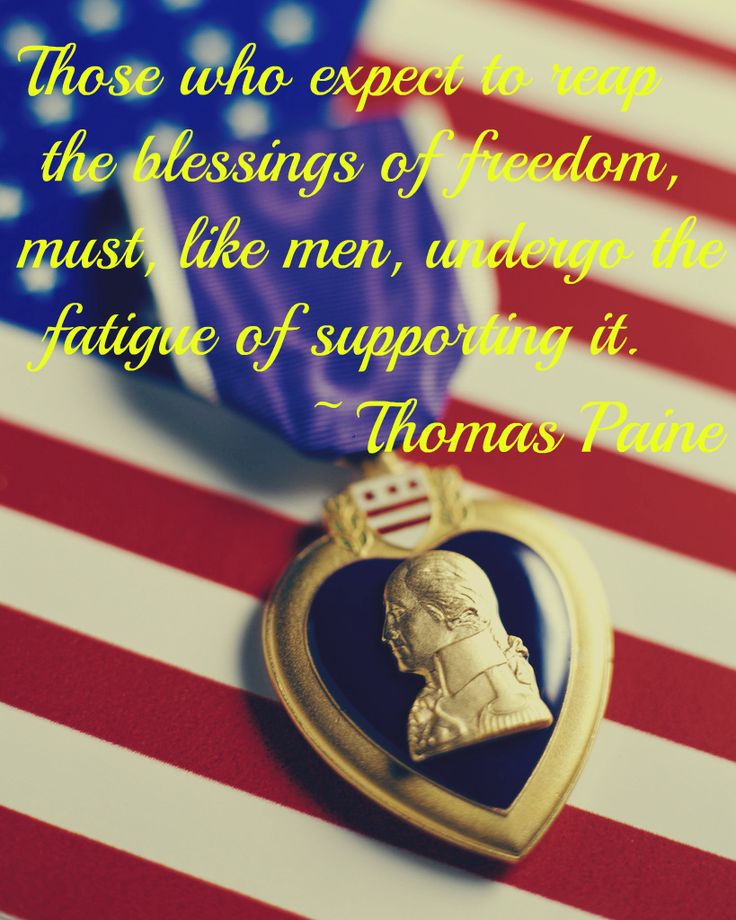
July 4 is synonymous with history and shared narratives. When a brand engages with this holiday, it is often attempting to tap into a sense of “collective heritage.” Brands that have been around for decades use this time to emphasize their longevity and their place in the American story. By positioning themselves as a staple of the American summer, they transition from being a mere vendor to being a part of the consumer’s personal history.
This strategy is not limited to heritage brands. Newer brands often use the Fourth of July to align themselves with the spirit of the holiday—innovation, revolution, and the breaking of old molds. By framing their brand story as an “independent” alternative to the status quo, they leverage the historical weight of the day to bolster their modern identity.
The “Made in USA” Premium
One of the most tangible ways the meaning of July 4 manifests in branding is through the “Made in USA” label. In the current globalized economy, domestic manufacturing has become a powerful branding tool. July 4 serves as the annual peak for this narrative. For brands that manufacture locally, the holiday is an opportunity to highlight their commitment to the local economy and craft.
This isn’t just about geography; it’s about the “premium” of perceived quality and ethics. Research consistently shows that consumers are willing to pay more for products they perceive as supporting their local community or adhering to domestic labor standards. On July 4, this sentiment is amplified. A brand that can authentically claim its roots are firmly planted in domestic soil gains a significant competitive advantage in terms of trust and loyalty.
Navigating Patriotic Marketing: Authenticity vs. Opportunism
While the Fourth of July offers a wealth of opportunities, it also presents a strategic minefield. Consumers are increasingly savvy and can quickly distinguish between a brand that genuinely shares their values and one that is simply using patriotic imagery to drive a quick sale.
Avoiding the “Flag-Waving” Cliche
The most common mistake in holiday branding is “flag-waving”—the superficial use of red, white, and blue imagery without any deeper connection to the brand’s mission. In the world of brand strategy, this is often viewed as low-effort marketing that can actually dilute a brand’s equity. If a luxury tech brand suddenly adopts a rustic, folk-art aesthetic for July 4, it risks confusing its audience and appearing inauthentic.
To avoid this, brands must find a “conceptual bridge.” This means identifying a specific aspect of the holiday—such as the concept of “freedom of choice” or the “spirit of exploration”—that aligns with their existing brand pillars. An outdoor apparel brand, for instance, doesn’t need to wrap its logo in a flag; it can celebrate the holiday by highlighting the freedom of the American wilderness, which is a much more authentic extension of its brand identity.
Case Studies in Effective Holiday Alignment
Several brands have mastered the art of July 4 branding by moving beyond the obvious. Consider how beverage brands like Budweiser or Coca-Cola have historically managed this. They don’t just sell a drink; they sell the “American Summer.” Their July 4 campaigns focus on the shared experience of the barbecue, the beach, and the community. By inserting their product into the ritual of the holiday, they become a permanent fixture of the celebration.
Conversely, we see brands like Jeep or Harley-Davidson, which have integrated the American identity into their core brand DNA. For these companies, July 4 isn’t a seasonal pivot; it’s a reinforcement of who they are 365 days a year. Their strategy is one of “radical consistency,” ensuring that when the Fourth of July arrives, their message feels like a natural crescendo rather than a forced advertisement.
Seasonal Branding and the Consumer Psychology of Celebration
Beyond identity and heritage, July 4 is a masterclass in the psychology of celebration. Brands that understand the emotional state of their consumers during this period can craft messages that resonate on a much deeper level than a standard discount code.
Creating Emotional Connections Through Shared Experience
The Fourth of July is fundamentally about togetherness. Whether it’s a small family gathering or a massive city-wide fireworks display, the day is defined by shared experiences. Brands that focus their strategy on “facilitating” these experiences often see the highest engagement.
A brand might position itself as the “facilitator of the perfect cookout” or the “provider of the ultimate road trip playlist.” By focusing on the utility of the brand in the context of the holiday’s social rituals, the brand moves from being a commodity to being an essential component of the consumer’s joy. This creates an emotional “high” that is then associated with the brand long after the fireworks have faded.
The Visual Language of Independence Day
Design plays a crucial role in how the meaning of July 4 is communicated. The visual language of the holiday—bold typography, a specific color palette, and symbols of Americana—is powerful but must be handled with care. A sophisticated brand strategy involves “elevating” these symbols.
Instead of literal interpretations, high-end brands often use subtle nods to the holiday. They might use a specific shade of navy, or focus on themes of “clarity and light” (referencing fireworks) to create a campaign that feels seasonal yet remains true to their premium aesthetic. This visual subtlety signals to the consumer that the brand is sophisticated enough to participate in the culture without being consumed by it.
Digital Strategy and Real-Time Engagement
In the digital age, what July 4 means for a brand has shifted from static billboards to real-time conversation. The holiday offers a unique window for brands to engage with their audience in a way that is personal and immediate.
Social Media Storytelling on the Fourth
Social media is the modern-day “town square” for the Fourth of July. Brands use these platforms not just to broadcast advertisements, but to tell stories. User-generated content (UGC) becomes a vital tool during this time. Brands that encourage their followers to share their own Fourth of July moments—using a branded hashtag or a specific theme—are effectively outsourcing their content creation to their most loyal advocates.
This creates a sense of “community branding.” When a consumer sees other people like them using a product during a holiday celebration, it provides social proof that is far more powerful than any corporate-produced video. The strategy here is to be a participant in the conversation, not just the host of it.
Measuring the ROI of Holiday Campaigns
For a brand strategist, the success of a July 4 campaign isn’t just measured in likes or shares; it’s measured in long-term brand health and conversion. Because July 4 often kicks off the peak summer season, it serves as a “lead-in” for the rest of Q3.
Effective brands use the holiday to build their data pools. Through holiday-themed contests, early-access signups, or interactive digital experiences, they gather valuable consumer insights that inform their strategy for the months to follow. In this sense, July 4 is a strategic “launchpad.” It provides the high-traffic environment necessary to test new brand messaging and see what truly resonates with the modern audience.

Conclusion: The Lasting Meaning of the Fourth
Ultimately, July 4 is a test of a brand’s cultural relevance. It is a day that demands a brand know exactly who it is and what it stands for. For some, it is a day to celebrate tradition and “Made in USA” craftsmanship; for others, it is an opportunity to champion the spirit of independence and innovation.
What July 4 truly means for a brand is the opportunity to be human. In an era of automation and AI, the Fourth of July remains a deeply human holiday centered on values, emotions, and shared stories. Brands that can navigate this day with authenticity, strategic insight, and a genuine respect for their audience’s values will find that the impact of their July 4 efforts lasts far beyond the single day of celebration. They won’t just be a name on a package; they will be a part of the American cultural fabric.
aViewFromTheCave is a participant in the Amazon Services LLC Associates Program, an affiliate advertising program designed to provide a means for sites to earn advertising fees by advertising and linking to Amazon.com. Amazon, the Amazon logo, AmazonSupply, and the AmazonSupply logo are trademarks of Amazon.com, Inc. or its affiliates. As an Amazon Associate we earn affiliate commissions from qualifying purchases.