
In the landscape of modern commerce, the term “CEO” is synonymous with power, strategy, and ultimate accountability. Standing for Chief Executive Officer, this role represents the highest-ranking individual in a company’s hierarchy. While the acronym is ubiquitous, its implications for business finance, investor relations, and wealth creation are profound. Understanding what a CEO does is not merely an exercise in vocabulary; it is an exploration of how leadership translates into financial value and how strategic decision-making drives the bottom line of global economies.
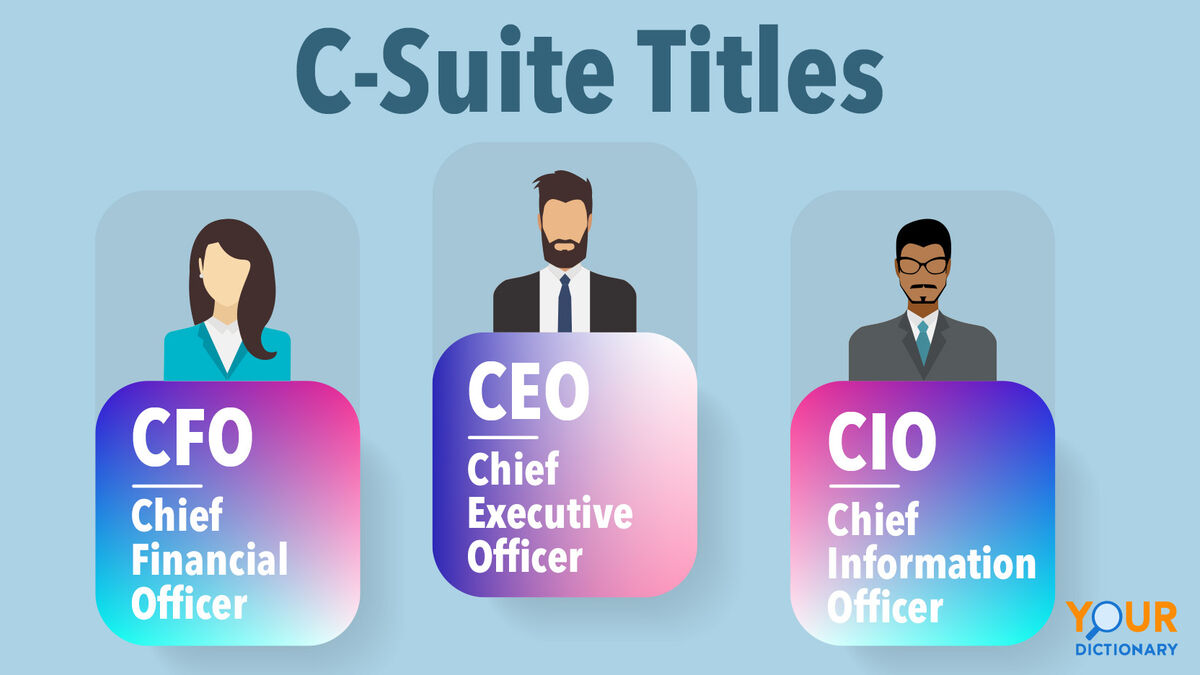
For investors, entrepreneurs, and finance professionals, the CEO is the primary architect of a company’s fiscal health. They are the bridge between the visionary goals of a brand and the cold, hard numbers of a balance sheet.
Defining the Chief Executive Officer: The Architect of Corporate Value
At its core, the CEO is the commander-in-chief of a legal and financial entity. Whether it is a small-cap startup or a Fortune 500 conglomerate, the CEO is responsible for the overall success of the organization and for making top-level managerial decisions.
The Legal and Financial Mandate
The CEO’s role is defined by a fiduciary duty to the company’s stakeholders. In the world of business finance, “fiduciary duty” means the CEO is legally and ethically bound to act in the best interests of the shareholders. This involves protecting the company’s assets, ensuring compliance with financial regulations (such as those set by the SEC), and maintaining the integrity of the firm’s financial reporting. When a CEO signs off on an annual report, they are putting their professional and often legal reputation on the line, confirming that the financial health of the company is transparent and accurate.
Reporting to the Board and Shareholders
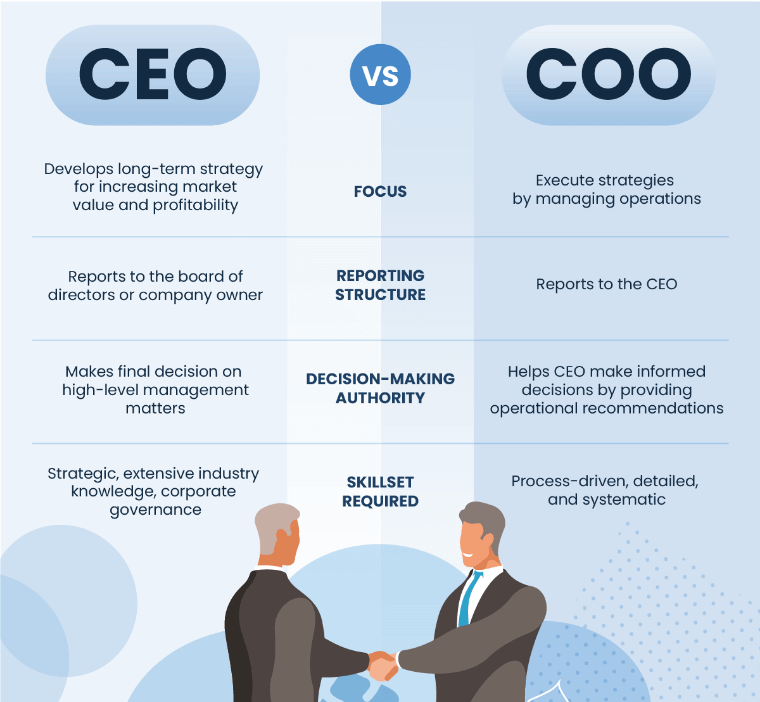
While the CEO is the highest-ranking officer, they do not answer to no one. They report directly to the Board of Directors. The board represents the owners—the shareholders—and evaluates the CEO based on the company’s financial performance. This dynamic is the heartbeat of corporate finance. If the CEO fails to deliver a sufficient Return on Investment (ROI), the board has the authority to replace them. This creates a high-stakes environment where the CEO must constantly balance short-term quarterly earnings with long-term capital appreciation.
The Financial Impact of the CEO on Modern Enterprise
The true measure of a CEO’s effectiveness is often found in the “CEO Premium”—the intangible value that a leader’s reputation adds to a company’s market capitalization. When a respected CEO is hired, stock prices often surge, reflecting investor confidence in that individual’s ability to generate profit.
Driving Shareholder Value
The primary objective of a CEO in a for-profit business is to maximize shareholder value. This is achieved through various financial levers: increasing revenue, optimizing operational efficiency to boost margins, and effectively managing the company’s debt-to-equity ratio. A CEO’s vision must be grounded in fiscal reality; they decide whether to reinvest profits into Research and Development (R&D), pay out dividends to shareholders, or initiate stock buybacks to increase the value of remaining shares.
Managing Risk and Capital Allocation
Capital allocation is arguably the most critical financial task of a CEO. It involves deciding how to deploy the company’s limited resources to the most productive uses. Should the company acquire a competitor? Should it expand into a new international market? Or should it retire high-interest debt? Each of these decisions carries significant financial risk. A successful CEO understands the “Cost of Capital” and ensures that any investment the company makes earns a return higher than the cost of the money used to fund it.
CEO Compensation and the Economics of Executive Leadership

The conversation around what a CEO stands for often turns to the significant financial rewards associated with the position. CEO compensation is a complex field of study within business finance, designed to align the executive’s personal wealth with the performance of the company.
Decoding the Pay Structure
A CEO’s “paycheck” is rarely just a salary. In fact, for most top-tier CEOs, the base salary is a small fraction of their total compensation. The bulk of their income comes from:
-
Performance Bonuses: Cash rewards tied to meeting specific financial targets, such as EBITDA (Earnings Before Interest, Taxes, Depreciation, and Amortization) goals.
-
Stock Options: The right to buy company stock at a set price. This incentivizes the CEO to drive the stock price up.
-
Restricted Stock Units (RSUs): Shares that vest over time, ensuring the CEO remains committed to the company’s long-term growth.
This structure is a tool of financial engineering, designed to ensure that the CEO only gets wealthy if the shareholders get wealthy first.
The “CEO Premium” and Market Perception
In the world of investing, the person in the CEO chair can drastically change the “Multiple” at which a stock trades. A visionary CEO like Satya Nadella at Microsoft can pivot a company’s entire financial model—moving from software licenses to cloud-based recurring revenue—resulting in trillions of dollars in added market value. This is why companies are willing to pay tens of millions in compensation; the financial ROI of a great leader far outweighs their cost.
Scalable Business Models: The CEO’s Role in Financial Expansion
For those interested in “Online Income” or “Side Hustles” that scale into full-scale businesses, the transition to the CEO mindset is the turning point between owning a job and owning an asset.
From Founder to CEO: Managing Funding Rounds
In the startup world, a founder must eventually become a CEO to attract venture capital. Investors aren’t just looking for a good product; they are looking for a CEO who understands the “Burn Rate” (how fast the company spends its cash) and the “Runway” (how long the company can survive before needing more investment). As the business grows through Seed, Series A, and Series B funding rounds, the CEO’s role shifts from product development to financial scaling and organizational design.
Strategic Mergers and Acquisitions (M&A)
As a company matures, the CEO often looks to M&A as a tool for financial growth. By acquiring other businesses, a CEO can achieve “Synergy”—a state where the combined financial performance of two companies is greater than the sum of its parts. This requires a deep understanding of valuation, due diligence, and the nuances of integrating different financial systems. A CEO must decide if it is cheaper to “build or buy” a new revenue stream, a decision that can make or break a company’s financial future.
Financial Literacy for Aspiring CEOs
You do not need to be at the helm of a multinational corporation to apply the financial principles of a CEO. Whether you are managing personal finances or a small business, adopting a CEO’s perspective on money is a catalyst for wealth building.
Mastering the Balance Sheet and P&L Statements
A CEO must be fluent in the language of finance. This means more than just looking at the bank balance. It involves analyzing the Balance Sheet (what you own vs. what you owe) and the Profit and Loss (P&L) Statement (how much you made vs. how much you spent). For an individual, your “Personal Net Worth” is your balance sheet. For a CEO, the “Enterprise Value” is the ultimate scorecard. Learning to read these documents allows you to identify “leaks” in cash flow and opportunities for investment.
Long-term Wealth Building through Corporate Equity
The most significant lesson a CEO offers regarding money is the power of equity. While employees trade time for money (wages), a CEO builds wealth through equity (ownership). True financial independence comes from owning assets that produce income or appreciate in value. By understanding what a CEO stands for—accountability, strategic capital allocation, and value creation—anyone can begin to manage their personal finances with the rigor of a corporate executive.
In conclusion, a CEO stands for much more than a title in a business hierarchy. They represent the peak of financial responsibility and the primary engine of corporate growth. By focusing on capital efficiency, shareholder value, and strategic expansion, the CEO ensures that a business is not just a place of work, but a robust financial vehicle capable of generating wealth for years to come. Whether you are an investor evaluating a stock or an entrepreneur building your first brand, the principles of the CEO office remain the gold standard for financial success.
aViewFromTheCave is a participant in the Amazon Services LLC Associates Program, an affiliate advertising program designed to provide a means for sites to earn advertising fees by advertising and linking to Amazon.com. Amazon, the Amazon logo, AmazonSupply, and the AmazonSupply logo are trademarks of Amazon.com, Inc. or its affiliates. As an Amazon Associate we earn affiliate commissions from qualifying purchases.