
In the traditional sense, when we ask “what does a song mean,” we are often searching for the lyrical intent of the songwriter or the emotional narrative of the melody. However, in the hyper-competitive landscape of modern business, the meaning of a song has shifted from a purely artistic inquiry to a vital strategic asset. For a brand, a song is not just background noise; it is a vehicle for values, a shorthand for identity, and a psychological anchor that connects a consumer to a corporate persona.
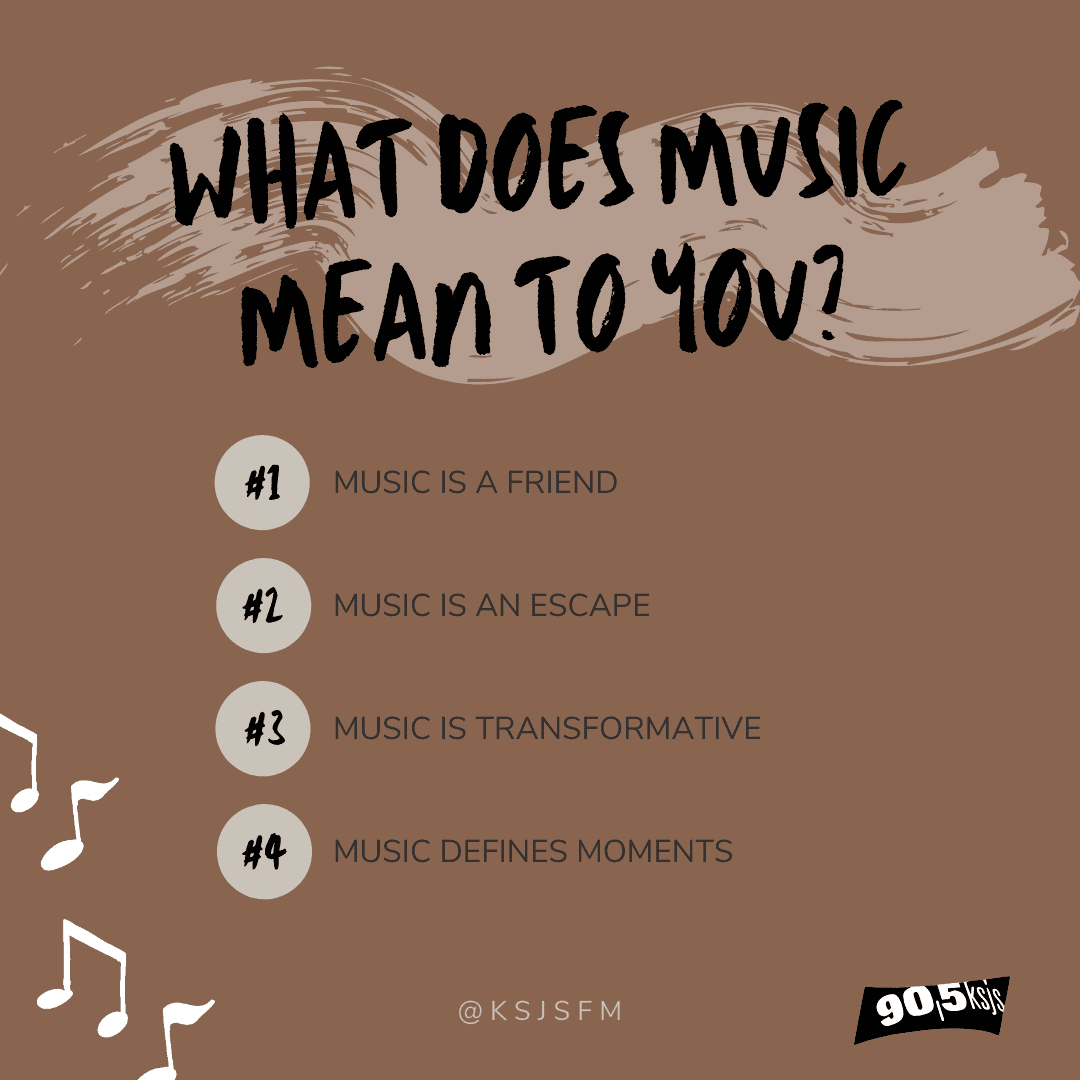
The “meaning” of a song in a branding context is defined by the intersection of cultural semiotics, psychological resonance, and strategic alignment. When a brand selects a track for a campaign or develops a custom sonic logo, they are participating in a complex process of meaning-making that goes far beyond aesthetic preference.
The Semiotics of Sound: How Brands Infuse Meaning into Music
Semiotics is the study of signs and symbols and how they communicate meaning. In the world of brand strategy, music functions as a powerful semiotic signifier. Every instrument, tempo, and vocal texture carries a pre-existing cultural weight that a brand can leverage to communicate its identity without saying a single word.
Sensory Association and Memory
The human brain processes sound in the amygdala, the same region responsible for emotions and long-term memory. This is why a specific song can instantly transport an individual back to a childhood memory or a specific time in their life. Brands utilize this “sensory shortcut” to bypass the skeptical, logical mind of the consumer.
When a financial institution uses a steady, mid-tempo piano arrangement, the song “means” stability, heritage, and trust. Conversely, when a tech startup utilizes glitchy, fast-paced electronic beats, the song “means” disruption, speed, and the future. The meaning is not inherent in the notes themselves, but in the associations the audience has built with those sounds over decades of cultural exposure.
Cultural Context and Archetypal Soundscapes
The meaning of a song is also heavily dictated by its cultural genre. A brand aiming to project “rugged individualism” and “authenticity” might lean toward Americana or Folk—genres historically associated with the working class and the great outdoors. This is a common strategy for brands like Jeep or Levi’s.
By selecting music that fits a specific archetype—the Rebel, the Sage, the Innocent—a brand inherits the values of that genre. The song acts as a bridge, transferring the “cool factor” or “reliability” of a musical movement directly onto the product. In this light, a song means whatever its cultural history dictates, and the brand strategist’s job is to ensure that history aligns with the brand’s mission statement.
Sonic Branding: Turning Meaning into a Corporate Asset
While licensed popular music is a powerful tool, many brands are moving toward the creation of proprietary “Sonic Identities.” This is the practice of distilling a brand’s entire philosophy into a few seconds of sound or a dedicated musical style.
The Audio Logo (Mnemonic)
What does the “Tudum” sound of Netflix mean? It signifies the start of a curated experience; it is the “hush” in a movie theater before the film starts. What does the Intel chime mean? It signifies precision and internal power.
These audio mnemonics are the ultimate distillation of a song’s meaning. They are designed to be “earworms” that trigger immediate brand recognition. A successful audio logo communicates the brand’s essence in less than three seconds. The meaning here is purely functional: it is a signature that verifies the brand’s presence in a cluttered digital environment.
Brand Voice and Musical Consistency
Beyond the logo, a comprehensive brand strategy involves a “Sonic Style Guide.” This ensures that every touchpoint—from the music played in retail stores to the “on-hold” music on customer service lines—conveys the same meaning.
Consistency is the key to building brand equity. If a luxury brand uses classical music in its advertisements but switches to generic Top 40 pop in its physical boutiques, the “meaning” of the brand becomes fractured. The consumer experiences a cognitive dissonance that weakens the brand’s perceived authority. A song, in this context, means “continuity.” It is the invisible thread that holds different facets of a brand together.
The Psychology of Consumer Resonance
To understand what a song means to a consumer, one must look at the psychological impact of audio on decision-making. Music does more than set a mood; it alters the perception of time, value, and quality.
Emotional Priming and Purchase Intent
Professional marketers use music for “emotional priming.” This is the act of using a stimulus (a song) to influence a person’s response to a subsequent stimulus (a product). If a song evokes a sense of nostalgia or warmth, the consumer is more likely to view the product through that same warm lens.
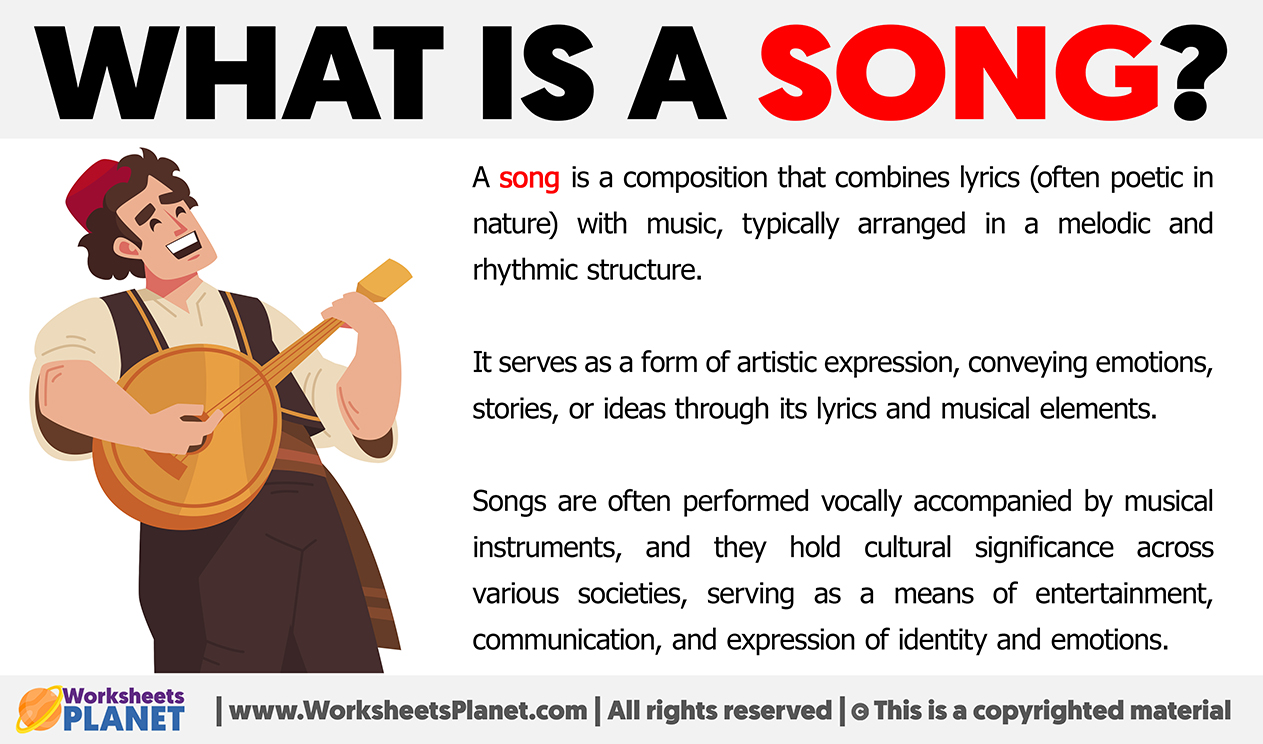
Studies in consumer psychology have shown that when background music in a wine shop is French, customers are more likely to buy French wine. In this scenario, the song “means” origin and authenticity. It subtly directs the consumer’s brain to prioritize certain information over others. The meaning of the song effectively becomes the “vibe” of the purchasing environment, directly impacting the bottom line.
Music as a Bridge for Brand Loyalty
In the age of the “experience economy,” consumers are looking for brands that reflect their personal identities. When a brand consistently uses music that resonates with a specific subculture, it fosters a sense of belonging.
For example, a brand that aligns itself with underground indie music is signaling that it understands and values the same things its audience does. The song becomes a “shibboleth”—a signifier that distinguishes “those who know” from “those who don’t.” Here, the song’s meaning is “community.” It transforms a transactional relationship into an emotional one, which is the cornerstone of long-term brand loyalty.
Case Studies: When a Song Defines a Brand
To see these theories in practice, we can look at several global brands that have successfully mastered the art of sonic meaning.
Apple and the Indie-Alternative Aesthetic
In the early 2000s, Apple’s iPod commercials were iconic for their use of silhouette dancers and upbeat, then-obscure indie tracks (such as Jet’s “Are You Gonna Be My Girl” or Feist’s “1234”). Apple wasn’t just selling a MP3 player; they were selling a lifestyle of creativity and curation.
The “meaning” of these songs was “the new cool.” By choosing artists that were just on the verge of breaking out, Apple positioned itself as a tastemaker. For the consumer, owning an Apple product meant you were part of the creative vanguard. The music was the primary driver of this perception.
McDonald’s and the Global Earworm
The “I’m Lovin’ It” jingle is one of the most successful examples of sonic branding in history. Originally written as a full-length song featuring Justin Timberlake, it was eventually distilled into a five-note motif.
What does those five notes mean? They mean convenience, satisfaction, and universal accessibility. The genius of the campaign was that the “meaning” was linguistically flexible; the jingle remained the same across different languages and cultures, providing a unified global identity for a brand that serves millions of different people every day.
Implementing a Sonic Strategy in the Digital Age
As we look toward the future, the way brands use songs is evolving alongside technology. The rise of short-form video and personalized algorithms has changed the landscape of sonic meaning.
Social Media and the “TikTokification” of Sound
On platforms like TikTok and Instagram Reels, songs often take on new, crowdsourced meanings. A brand can no longer strictly “dictate” what a song means; instead, they must participate in the cultural conversation.
When a brand uses a “trending audio,” they are signaling that they are “plugged in” and relevant. However, the risk is high: using a song that has been reclaimed by a specific online community for a different purpose can lead to brand embarrassment. In the digital age, a song’s meaning is fluid, and brand managers must be agile enough to navigate these shifting cultural tides.
Personal Branding through Curated Playlists
It isn’t just corporations that utilize the meaning of songs; personal brands do as well. Influencers and thought leaders often share curated Spotify playlists to give their followers a deeper look into their “brand DNA.”
A curated playlist tells a story about who a person is, what they value, and how they think. It is an act of digital curation that adds layers of depth to a personal brand. In this context, a song is a tool for intimacy—a way to bridge the gap between a digital persona and a human audience.

Conclusion
So, what does a song mean? In the world of branding and strategy, a song is far more than a collection of notes; it is a sophisticated tool for communication. It is a signifier of values, an anchor for memory, and a psychological catalyst for consumer behavior.
For a brand to succeed today, it must look beyond the visual and embrace the sonic. By understanding the semiotics, psychology, and cultural context of music, a brand can harness the power of sound to create a meaningful, lasting connection with its audience. In the end, a song means whatever you want your brand to stand for—provided you have the strategy to back it up.
aViewFromTheCave is a participant in the Amazon Services LLC Associates Program, an affiliate advertising program designed to provide a means for sites to earn advertising fees by advertising and linking to Amazon.com. Amazon, the Amazon logo, AmazonSupply, and the AmazonSupply logo are trademarks of Amazon.com, Inc. or its affiliates. As an Amazon Associate we earn affiliate commissions from qualifying purchases.