
In the contemporary business landscape, the question “what does design mean?” often yields a variety of superficial answers. To the casual observer, design might simply refer to the color of a logo or the layout of a website. However, within the sphere of professional brand strategy, design is a profound, multi-dimensional discipline that serves as the bridge between a company’s core values and its audience’s perception.
Design is not merely an aesthetic choice; it is a strategic tool used to solve problems, communicate complex ideas, and build lasting emotional connections. When we ask what design means today, we are asking how a brand manifests its identity in a crowded marketplace to ensure it is not only seen but understood and remembered.
Beyond Aesthetics: Defining Design as a Strategic Asset
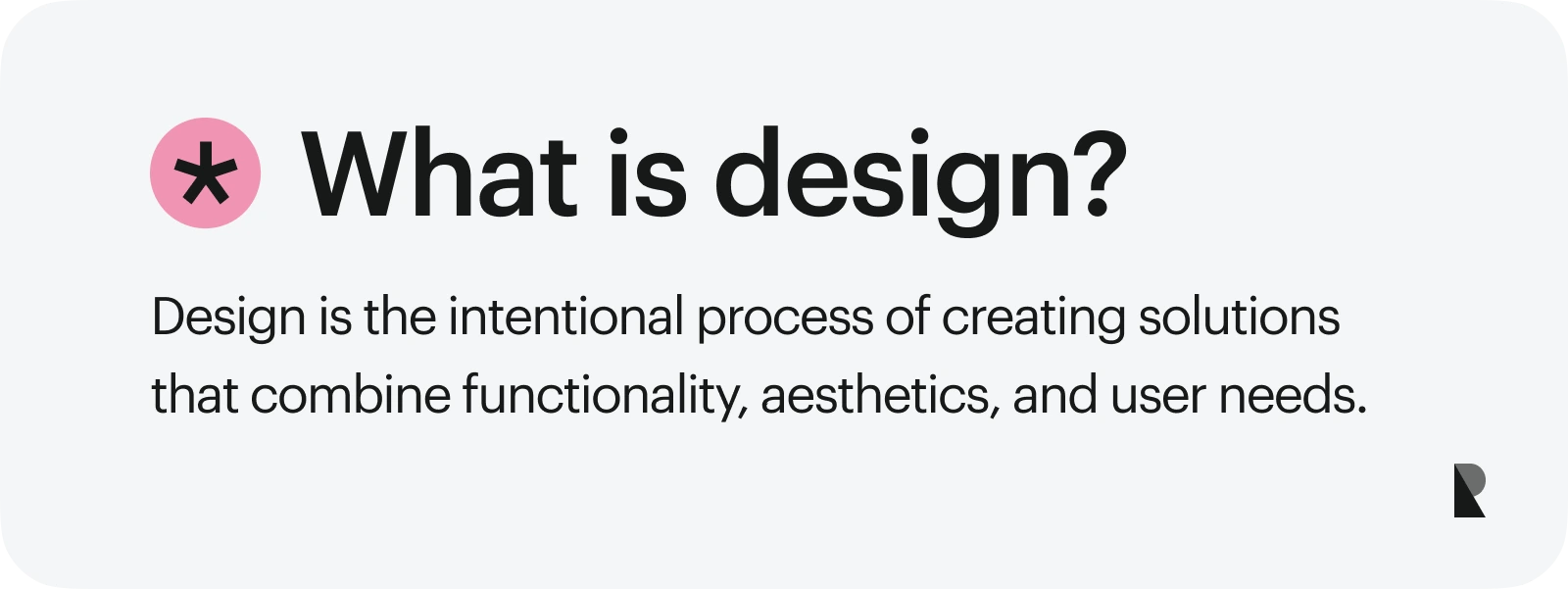
To understand the meaning of design, one must first dismantle the myth that it is synonymous with “decoration.” Decoration is the act of making something look better after it has been built. Design, conversely, is the intentional process of planning how something functions and communicates from the ground up.
The Shift from Decoration to Communication
In brand strategy, design is the primary vehicle for communication. Every visual element—from the whitespace on a business card to the navigation menu of an app—tells a story. If a brand claims to be “innovative and fast” but utilizes a cluttered, archaic design, the visual communication contradicts the verbal promise. Design means alignment; it is the physical manifestation of a brand’s DNA. When design is treated as a strategic asset, it ensures that every touchpoint a customer encounters reinforces the same message, creating a coherent and reliable brand narrative.
Design as the Visual Language of Brand Values
Every brand possesses a set of values, whether they are explicitly stated or implicitly understood. Design is the language used to translate these abstract values into a format that the human brain can process instantly. For example, a brand that values sustainability might use earthy tones, recycled textures, and organic shapes to communicate its commitment to the environment without saying a single word. In this context, design means the silent transmission of ethics and purpose. It allows a brand to “speak” to its target demographic through intuition and psychological triggers rather than relying solely on copy.
The Components of a Design-Driven Brand Identity
When we look at successful global brands, we see a masterclass in what design truly means. It is a holistic system where various components work in harmony to create a recognizable “vibe” or “personality.” A brand identity is the sum of its parts, and each part must be designed with precision.
Visual Consistency and Brand Recognition
Design means consistency. The human brain is wired to recognize patterns. When a brand maintains a consistent visual language across social media, physical packaging, and corporate reports, it builds “brand equity.” This consistency creates a sense of familiarity, which eventually leads to trust. If a brand changes its “look” too frequently or inconsistently, it loses its identity and confuses the consumer. Strategic design ensures that regardless of the medium, the brand is immediately identifiable.
Typography and Color Psychology
The choice of a typeface or a color palette is never arbitrary in professional branding. Typography carries weight and personality; a serif font might evoke tradition and reliability, while a bold sans-serif suggests modernity and efficiency. Similarly, color psychology plays a pivotal role in how a brand is perceived. Blue is often associated with security and professionalism (common in finance), while orange evokes energy and playfulness. Design means leveraging these psychological associations to influence consumer behavior and set the desired emotional tone.
Logo Design vs. Brand System
A common misconception is that design means “creating a logo.” While a logo is a vital anchor, it is only one component of a larger brand system. A comprehensive design strategy includes iconography, photographic styles, grid systems, and even motion graphics. The “meaning” of design in this context is the creation of a flexible toolkit that allows the brand to express itself in various environments—from a tiny mobile screen to a massive billboard—while maintaining a unified soul.
Design Thinking: Solving Business Problems through Brand Experience

One of the most powerful interpretations of design in the modern era is “Design Thinking.” This is a methodology that moves design from the art studio into the boardroom, focusing on human-centric solutions to business challenges.
Empathy as the Foundation of User-Centric Branding
Design means empathy. Before a single line is drawn, brand designers must understand the pain points, desires, and behaviors of the target audience. By putting the user at the center of the process, design becomes a tool for solving problems. If a customer finds a checkout process frustrating, that is a design failure. If a brand’s messaging is confusing, that is a design failure. Strategic design seeks to remove friction from the customer journey, making the brand experience as seamless and rewarding as possible.
Prototyping the Brand Narrative
Design thinking involves an iterative process of ideation and prototyping. In branding, this means testing how different visual and strategic directions resonate with the market. It allows a brand to evolve based on feedback rather than ego. This approach ensures that the design is not just “beautiful” but “effective.” When design is used to solve problems—such as how to stand out in a saturated market or how to simplify a complex product offering—it becomes an indispensable driver of business success.
The Economic Impact of High-Quality Design
For a brand to thrive, it must justify its existence in economic terms. Design is often the differentiator that allows a company to command a higher price point or capture a larger market share.
Building Trust and Credibility in Crowded Markets
In an era of endless options, consumers are skeptical. Professional design acts as a badge of credibility. A well-designed brand signals that a company is established, detail-oriented, and invested in its own quality. Conversely, poor design can make even a legitimate company look like a “fly-by-night” operation. In this sense, design means the construction of professional legitimacy. It reduces the perceived risk for the consumer, making the path to purchase much smoother.
Premium Positioning and Value Perception
There is a direct correlation between the quality of design and the perceived value of a product. Brands like Apple or Bang & Olufsen use design to justify premium pricing. Their design language—characterized by minimalism, high-quality materials, and intuitive interfaces—communicates “luxury” and “superiority.” When a brand invests in high-level design, it is investing in its ability to move away from commodity pricing and toward value-based pricing. Design means the ability to transform a functional object into a status symbol or a coveted experience.
Future-Proofing the Brand through Evolution
Finally, design means adaptability. A brand that stands still in a rapidly changing world will eventually become obsolete. Design provides the framework for a brand to grow and pivot without losing its core identity.
Scalability and Adaptability in Digital Environments
Modern brands must exist in a multitude of digital spaces. Design ensures that a brand is scalable—that its identity works just as well on a smartwatch as it does in a virtual reality environment. This requires a modular approach to design, where elements can be rearranged and adapted to suit new technologies. Strategic design is forward-looking; it anticipates where the audience will be in five years and ensures the brand is prepared to meet them there.
The Role of Minimalism in Modern Corporate Identity
We are currently seeing a global trend toward “debranding” or minimalism. Many legacy brands are stripping away complex gradients and 3D effects in favor of flat, simple designs. This is not just a trend; it is a response to the “attention economy.” In a world of information overload, simplicity is a relief. Design now means “editing”—the process of removing everything that is unnecessary to focus on the core essence of the brand. By embracing minimalism, brands can achieve a timeless quality that transcends fleeting fads.

Conclusion
So, what does design mean? In the world of branding, it means everything. It is the visual, emotional, and functional manifestation of a company’s strategy. It is the difference between a product that is merely used and a brand that is truly loved. By viewing design as a strategic discipline rather than a cosmetic one, businesses can create identities that are not only aesthetically pleasing but are also powerful engines for growth, trust, and long-term loyalty. Design is the silent ambassador of your brand, and when executed with intention, it is the most potent tool a business has at its disposal.
aViewFromTheCave is a participant in the Amazon Services LLC Associates Program, an affiliate advertising program designed to provide a means for sites to earn advertising fees by advertising and linking to Amazon.com. Amazon, the Amazon logo, AmazonSupply, and the AmazonSupply logo are trademarks of Amazon.com, Inc. or its affiliates. As an Amazon Associate we earn affiliate commissions from qualifying purchases.