
Intermittent fasting (IF) has transcended its origins as a mere health trend to become a cornerstone of the modern “biohacking” movement—a movement deeply intertwined with high-performance productivity and financial optimization. When we ask “what can be eaten during intermittent fasting,” we are not just discussing biological fuel; we are discussing the allocation of capital. For the professional, the investor, or the entrepreneur, the food consumed during a feeding window represents a strategic investment in cognitive longevity and budgetary efficiency.
In the realm of personal finance, the “input” (what you eat) directly correlates to your “output” (earning potential). This guide examines the dietary choices of intermittent fasting through the lens of cost-effectiveness, market value, and the long-term ROI of nutritional density.

Budgetary Optimization: The Cost-Effectiveness of High-Protein Breaking Foods
The most critical financial decision in an intermittent fasting protocol is determining what to eat to “break” the fast. From a personal finance perspective, the goal is to maximize the nutrient-to-dollar ratio. When the feeding window is restricted, every calorie must perform double duty.
The ROI of High-Value Macronutrients
In the world of business finance, we look for assets that provide the highest yield. In nutrition, protein is that asset. Breaking a fast with high-quality proteins—such as eggs, lean meats, or legumes—offers a superior “Return on Ingestion.” These foods have a high thermic effect, meaning the body burns more energy processing them, and they provide the satiety required to prevent expensive, impulsive spending on low-value snacks later in the day.
For the budget-conscious professional, eggs represent perhaps the greatest financial hack in nutrition. They are a low-cost, high-yield investment containing essential choline for brain function, which directly impacts daily productivity and decision-making capabilities.
Bulk Purchasing and Meal Prep Economics
Intermittent fasting naturally lends itself to a “Lean Manufacturing” approach to personal life. By reducing the number of meals eaten daily, a consumer can redirect their food budget toward higher-quality, bulk-purchased ingredients. Buying grass-fed beef or organic greens in bulk reduces the per-unit cost while ensuring that the limited window of eating is filled with premium fuel. This shift from “quantity” to “quality” is a classic move in financial portfolio management, where one seeks to consolidate assets into high-performing holdings rather than spreading capital across diluted, low-performing options.
The ‘Zero-Calorie’ Market: Analyzing the Financial Trap of Fasting Supplements
While the fasting window is technically a period of zero consumption, the global market has responded with a flood of “fasting-safe” products. For the savvy individual, it is essential to distinguish between a necessary investment and a “sunk cost.”
Assessing the Cost-Benefit of Electrolytes and Exogenous Ketones
The supplement industry is a multi-billion dollar sector that thrives on the “optimization” anxiety of consumers. When considering what can be consumed during the fasting window (such as electrolytes or exogenous ketones), one must perform a rigorous cost-benefit analysis. While electrolytes are vital for maintaining focus during a 16-hour fast, many “fasting-branded” electrolyte powders carry a premium markup of 300% or more.
A financially literate faster understands that sea salt and potassium chloride purchased in bulk provide the same physiological benefit as branded packets for a fraction of the cost. Exogenous ketones, while popular in the “Biohacking” niche, often represent a high-cost expenditure with diminishing returns for anyone not performing at an elite athletic or cognitive level.

Premium Coffee and Tea: Wise Investment or Sunk Cost?
Black coffee and plain green tea are the “blue-chip” staples of the fasting window. They suppress appetite and enhance metabolic rate. However, the financial trap lies in the “latte factor” applied to fasting. Spending $6 on a “nitro cold brew” daily can hemorrhage nearly $2,000 annually from a potential investment account. By shifting to high-quality home-brewed beans, the practitioner maintains the metabolic benefit while recapturing capital for their brokerage account. In this context, what you don’t eat (or buy) is just as important as what you do.
Longevity as an Asset Class: The Fiscal Benefits of Nutrient-Dense Eating
In personal finance, we often discuss the power of compounding interest. Nutritional choices during intermittent fasting function in much the same way. What can be eaten during the feeding window today dictates the “health taxes” you will pay in the form of medical bills twenty years from now.
Nutritive Density as a Hedge Against Medical Inflation
Choosing nutrient-dense foods—such as cruciferous vegetables, wild-caught fish, and healthy fats like avocados—is an act of defensive investing. Chronic illnesses, many of which are exacerbated by poor dietary choices during non-fasting periods, are the single greatest threat to a retirement portfolio. By focusing on anti-inflammatory foods during the feeding window, an individual is effectively hedging against the rising costs of healthcare and insurance premiums.
The Hidden Costs of Processed ‘Break-Fast’ Foods
It is a common financial mistake to assume that because one has fasted for 18 hours, they have “earned” the right to consume low-cost, high-sugar processed foods. From a business finance perspective, this is akin to a company cutting costs in production only to waste the surplus on inefficient administrative overhead. Processed sugars and trans fats cause energy crashes that result in “present-value” losses—specifically, lost billable hours and decreased mental acuity. The true cost of a cheap, sugary meal to break a fast is not the price on the receipt; it is the lost productivity and the future cost of metabolic repair.
Navigating the Business of Biohacking: Market Trends in Intermittent Fasting
The question of “what can be eaten” has spawned a massive industry, offering lucrative opportunities for entrepreneurs and investors. Understanding the “Fasting Economy” is essential for anyone looking to monetize the health and wellness niche.
The Rise of Fasting-Specific Consumer Packaged Goods (CPG)
We are currently seeing a surge in “IF-optimized” products, from bone broths specifically designed for breaking fasts to apps that track insulin responses to specific foods. For the investor, this represents a growth sector within the “Wellness Economy.” As more people adopt fasting to manage their weight and focus, the demand for transparently labeled, low-glycemic foods will continue to rise. Companies that provide “convenience without compromise” for the fasting community are positioned for significant market share.
Affiliate Marketing and Personal Branding in the Fasting Niche
For those seeking online income or side hustles, the “what to eat” query is a goldmine for content creation. Personal branding around the fasting lifestyle—sharing meal plans, grocery hauls, and “ROI-focused” recipes—allows individuals to tap into affiliate marketing for kitchen tools, meal delivery services, and health trackers. The monetization of the fasting experience is a testament to the value people place on time-saving and health-optimizing information.
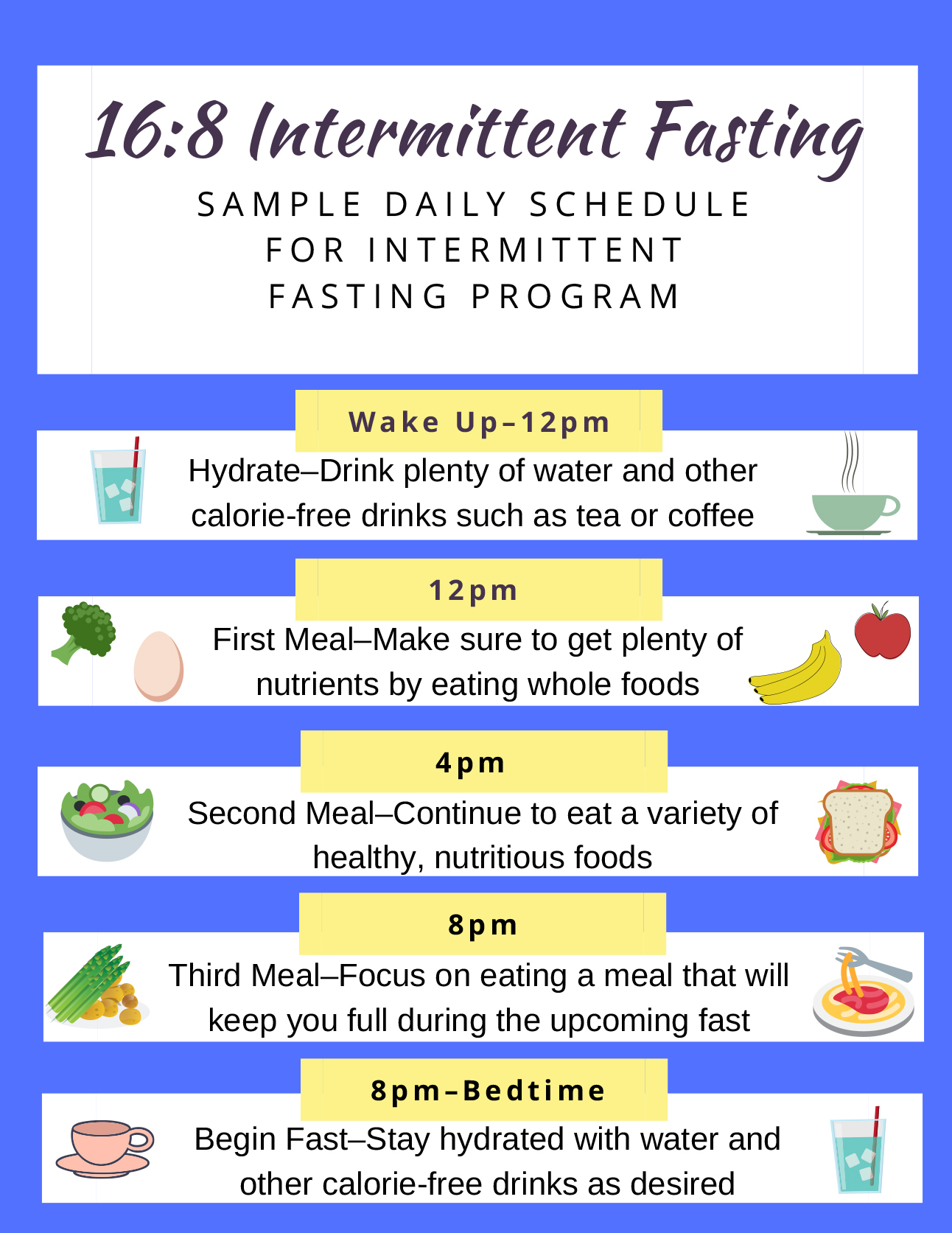
Conclusion: The Final Accounting of the Fasting Table
Ultimately, the question of what can be eaten during intermittent fasting is a question of resource management. To the financially minded, the feeding window is not just a time to satisfy hunger; it is a time to reinvest in the body’s most important asset: its ability to function, think, and produce.
By prioritizing high-protein, nutrient-dense whole foods and avoiding the high-margin traps of the supplement industry, you optimize both your physical biology and your financial ledger. Whether you are looking to save on your monthly grocery bill or you are looking for the next big investment in the longevity market, intermittent fasting provides a framework for discipline that pays dividends in every area of life. In the intersection of health and money, the most successful individuals are those who treat their calories with the same scrutiny they treat their capital.
aViewFromTheCave is a participant in the Amazon Services LLC Associates Program, an affiliate advertising program designed to provide a means for sites to earn advertising fees by advertising and linking to Amazon.com. Amazon, the Amazon logo, AmazonSupply, and the AmazonSupply logo are trademarks of Amazon.com, Inc. or its affiliates. As an Amazon Associate we earn affiliate commissions from qualifying purchases.