
In the complex ecosystem of personal and business finance, few entities command as much attention and caution as the tax collector. For the average citizen or business owner, “tax season” is a period of intense documentation, financial calculation, and often, significant stress. However, to master one’s financial destiny, it is essential to look beyond the forms and understand the underlying machinery of the state. To answer the fundamental question—which branch of government collects taxes—one must look toward the Executive Branch.
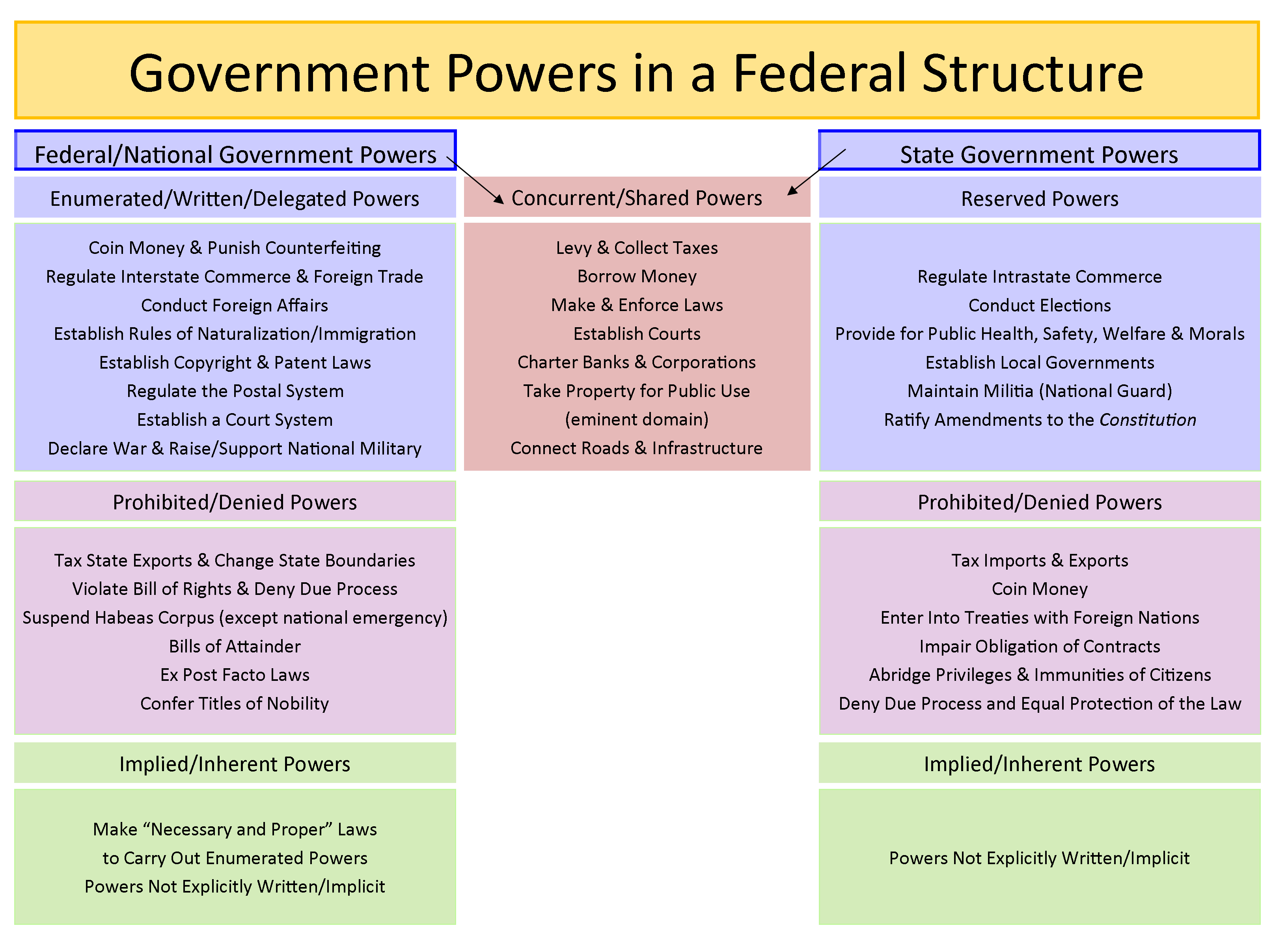
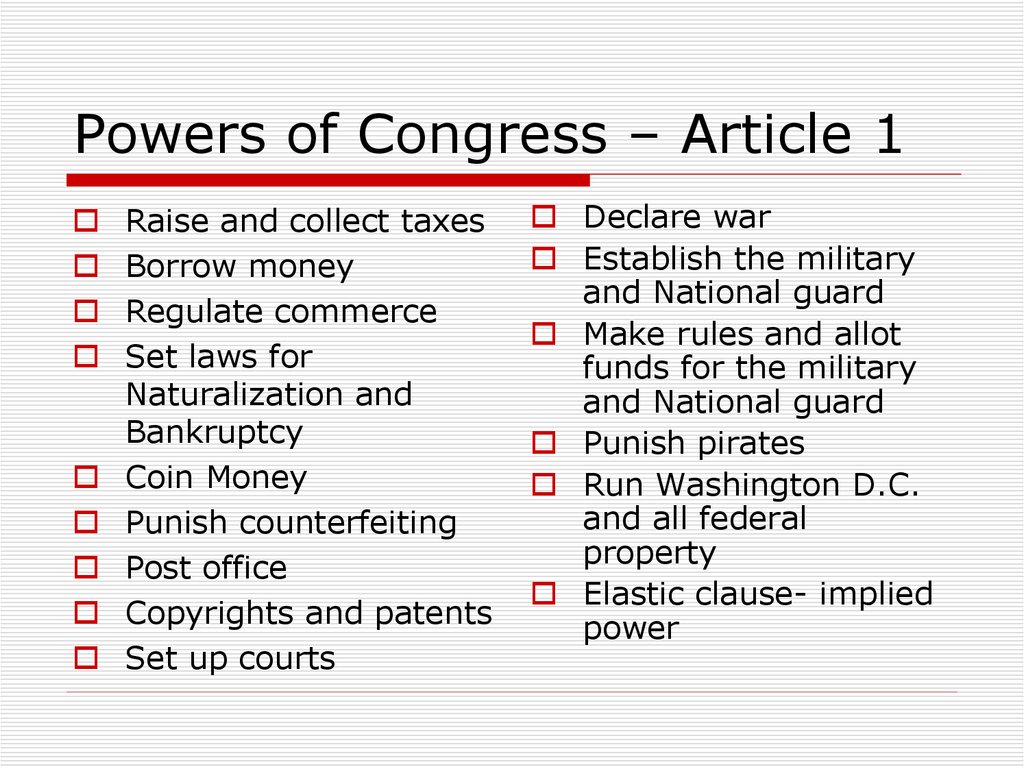
While the Legislative Branch (Congress) possesses the “power of the purse” to write tax laws and determine rates, and the Judicial Branch interprets those laws in the event of a dispute, it is the Executive Branch that carries out the actual labor of collection, enforcement, and administration. Understanding this distinction is not merely a civics lesson; it is a foundational requirement for anyone navigating the realms of personal finance, corporate strategy, and long-term investment.
The Executive Branch: The Engine of Financial Enforcement
The Executive Branch of the United States government is responsible for the daily administration of the state. Within this branch, the responsibility for the nation’s liquid assets and revenue falls under the Department of the Treasury. This department serves as the primary financial steward of the federal government, ensuring that the wheels of the economy remain greased by a steady flow of revenue.
The Role of the Treasury Department
Established in 1789, the Department of the Treasury is one of the oldest and most vital institutions in the country. Led by the Secretary of the Treasury—a cabinet-level official—this department manages federal finances, collects all taxes, and pays all bills of the United States. From a money management perspective, the Treasury is the ultimate macro-manager. It doesn’t just collect money; it manages the national debt, issues bonds that serve as a cornerstone for global investment portfolios, and supervises national banks.
The Internal Revenue Service (IRS): The Collection Arm
Nested within the Department of the Treasury is the Internal Revenue Service (IRS). This is the specific agency that individuals and corporations interact with most frequently. The IRS is the operational arm tasked with the actual collection of federal income taxes, payroll taxes, and corporate taxes. Its primary purpose is to provide America’s taxpayers top-quality service by helping them understand and meet their tax responsibilities and enforce the law with integrity and fairness to all.
For the savvy investor or business owner, the IRS represents the largest “silent partner” in every transaction. Understanding that the IRS operates under the Executive Branch helps clarify why tax policy can shift significantly between different presidential administrations. While the law (statute) stays the same until Congress changes it, the enforcement priorities and administrative interpretations can change based on the executive’s directives.
How Tax Collection Fuels the National Economy
Taxation is the lifeblood of a functioning society, but from a “Money” niche perspective, it is also the primary driver of fiscal policy. When the Executive Branch collects taxes, it isn’t just taking money out of the private sector; it is redistributing capital to facilitate a stable environment where businesses can thrive and individuals can find financial security.
Funding Public Infrastructure and Services
The revenue collected by the IRS is channeled into public goods that provide an indirect return on investment for all citizens. This includes national defense, interstate highways, public education, and scientific research. For a business, this infrastructure is essential for the movement of goods and the development of a skilled workforce. For the individual, these services provide a safety net and the basic requirements for social mobility.

The Macroeconomic Impact of Tax Revenue
The volume of taxes collected and the efficiency of that collection have a direct impact on inflation, interest rates, and the strength of the currency. When the Executive Branch successfully manages the collection of trillions of dollars annually, it allows the government to meet its obligations without relying solely on debt. For investors, the stability of this revenue stream is what makes U.S. Treasury bonds some of the safest assets in the world. The reliability of tax collection is, ironically, the bedrock of the very financial markets that people use to grow their wealth.
Navigating the Modern Tax Landscape for Businesses and Individuals
In the world of business finance and personal wealth management, knowing who collects the taxes is only half the battle. One must also understand the mechanics of compliance and the strategic advantages of proper tax planning. Because the Executive Branch is tasked with enforcement, the IRS maintains a rigorous system of audits and reporting requirements designed to ensure that the “Money” flows as intended by law.
Compliance and the Cost of Non-Compliance
For entrepreneurs and high-net-worth individuals, compliance is not just a legal obligation; it is a financial strategy. The Executive Branch has significant power to levy penalties, seize assets, and impose interest on unpaid debts. The cost of non-compliance—ranging from late fees to the devastating impact of a full financial audit—can wipe out years of investment gains. Therefore, professional financial management often centers on ensuring that the IRS receives exactly what is owed—no more, no less—through meticulous bookkeeping and adherence to the tax code.
Strategic Tax Planning and Financial Efficiency
Tax planning is the art of arranging your financial affairs to minimize tax liability within the bounds of the law. Since the Executive Branch administers various incentives—such as tax credits for green energy or deductions for business expenses—taxpayers can align their personal financial goals with government priorities. Whether it is utilizing a 401(k) for retirement savings or leveraging Depreciation in real estate investing, understanding the administrative rules set by the IRS allows for greater capital retention. This “saved” money can then be reinvested into the markets, accelerating the process of compounding wealth.
The Future of Revenue Collection: Digitization and Automation
As we move further into the 21st century, the way the Executive Branch collects taxes is undergoing a radical transformation. The intersection of “Money” and technology is redefining the relationship between the taxpayer and the tax collector. The IRS is currently in the midst of a multi-year modernization plan, funded by billions of dollars, aimed at digitizing the entire collection process.
AI and Enhanced Audit Selection
The Executive Branch is increasingly turning to artificial intelligence and machine learning to analyze financial data. For the taxpayer, this means that the days of “random” audits are slowly fading, replaced by data-driven models that can identify discrepancies with surgical precision. While this increases the pressure on businesses to maintain perfect records, it also promises a more efficient system where honest taxpayers are less likely to be burdened by unnecessary inquiries.
The Global Shift Toward Financial Transparency
Tax collection is no longer a purely domestic affair. The Executive Branch, through the Treasury, participates in international agreements such as the Foreign Account Tax Compliance Act (FATCA). This requires foreign financial institutions to report on the holdings of U.S. taxpayers. In the realm of “Online Income” and “Side Hustles,” this global reach means that offshore accounts and digital assets (like cryptocurrency) are increasingly visible to the IRS. For those seeking to build global wealth, transparency and proactive reporting are becoming the only viable financial strategies.
Conclusion: The Financial Literacy of Governance
To answer the question “what branch collects taxes” is to acknowledge the immense power of the Executive Branch over our personal and professional finances. The Treasury Department and the IRS are not merely bureaucratic hurdles; they are the regulators of the nation’s financial health. By understanding their role, individuals and business owners can transition from a defensive posture—viewing taxes as a burden—to a strategic one—viewing the tax system as a framework within which they must operate to build sustainable wealth.
Effective money management requires a deep respect for the mechanics of the state. By staying informed about the Executive Branch’s enforcement priorities, leveraging available tax incentives, and embracing the digital future of financial reporting, you can ensure that your financial journey is one of growth rather than friction. In the end, the money you keep is just as important as the money you earn, and navigating the halls of the tax collector is the first step in mastering the art of wealth retention.
aViewFromTheCave is a participant in the Amazon Services LLC Associates Program, an affiliate advertising program designed to provide a means for sites to earn advertising fees by advertising and linking to Amazon.com. Amazon, the Amazon logo, AmazonSupply, and the AmazonSupply logo are trademarks of Amazon.com, Inc. or its affiliates. As an Amazon Associate we earn affiliate commissions from qualifying purchases.