
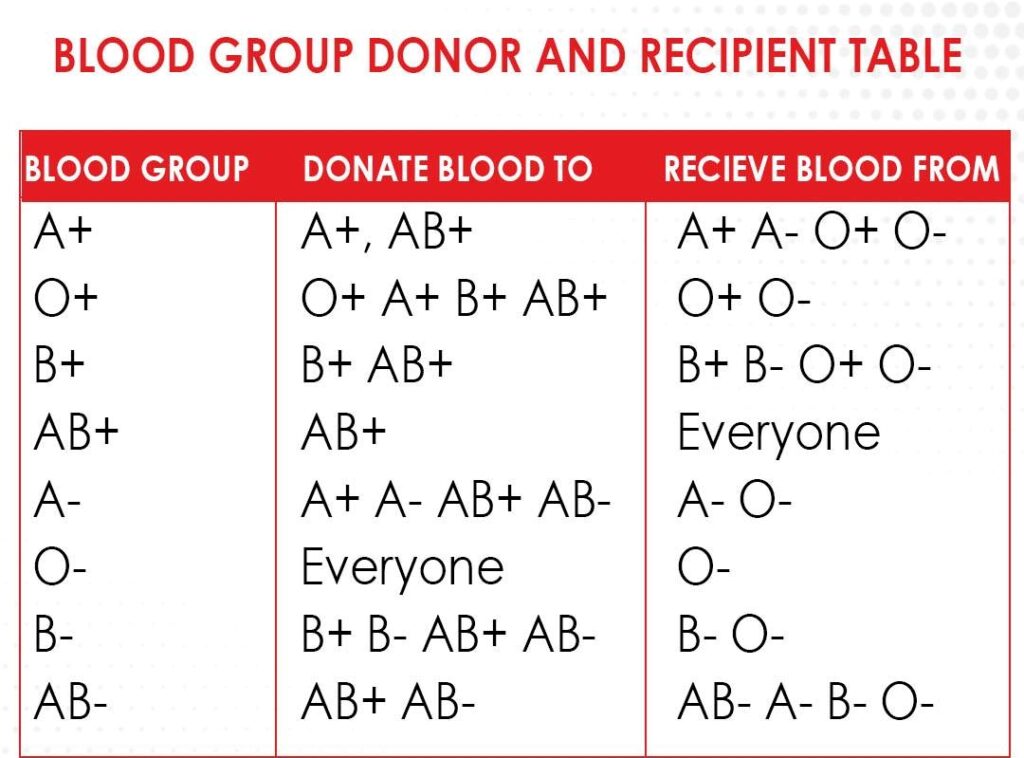
In the realm of biological science, the designation of the “universal recipient” is held by the AB positive (AB+) blood type. While this fact is a staple of high school biology, the technological infrastructure required to manage, identify, and leverage this unique biological status has evolved into a sophisticated field of HealthTech and biotechnology. Understanding the universal recipient is no longer just about understanding antigens and antibodies; it is about the digital systems, automated laboratory technologies, and data-driven logistics that ensure the right blood reaches the right patient at the right time.
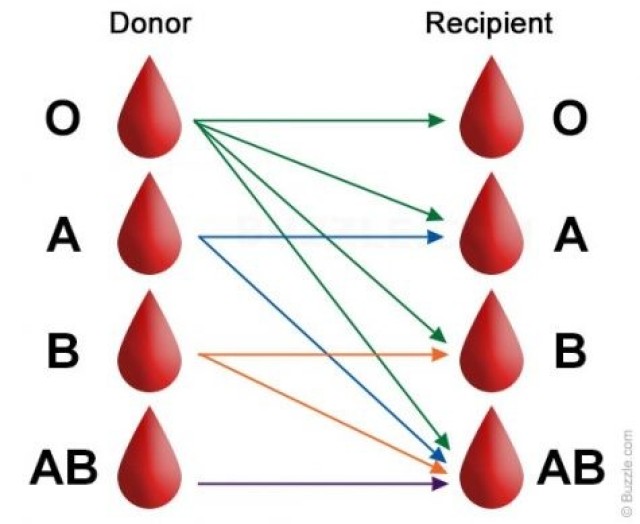
The concept of a “universal recipient” serves as a foundational pillar for modern transfusion medicine. However, in the 21st century, the focus has shifted toward how technology can replicate or enhance these natural biological occurrences. From AI-driven cross-matching to the development of synthetic “universal” blood products, the intersection of hematology and technology is redefining the boundaries of what is possible in emergency medicine and chronic care.
The Digital Evolution of Hematology: Identifying the Universal Recipient
The identification of AB positive blood as the universal recipient is predicated on the presence of both A and B antigens on the red blood cells and the absence of anti-A or anti-B antibodies in the plasma. Historically, identifying this type was a manual, labor-intensive process prone to human error. Today, the technology used to determine blood types has moved into the realm of high-throughput automation and molecular diagnostics.
Automation in Blood Typing and Cross-Matching
Modern clinical laboratories utilize fully automated systems to perform ABO and Rh typing. These platforms use advanced robotics and optical sensors to detect agglutination or the absence thereof with far greater precision than the human eye. Technologies such as Column Agglutination Technology (CAT) and Solid Phase Red Cell Adherence (SPRCA) assays allow for standardized testing.
These machines are integrated with Laboratory Information Systems (LIS) that automatically flag a patient as a “universal recipient.” This digital identification is crucial in emergency departments where every second counts. By utilizing barcode scanning and automated verification, the tech stack reduces the risk of “wrong blood in tube” (WBIT) errors, which remain one of the leading causes of transfusion-related fatalities.
Molecular Diagnostics and Next-Generation Sequencing (NGS)
While serological testing is the standard, Next-Generation Sequencing (NGS) is the new frontier in blood group phenotyping. NGS allows technologists to look at the genetic level to identify rare variants within the AB positive spectrum. This is particularly important for patients who require frequent transfusions, such as those with sickle cell anemia. By using genomic data, software can predict blood types with nearly 100% accuracy, ensuring that even within the “universal recipient” category, the most compatible and lowest-risk units are selected.
Blockchain and the Global Blood Supply Chain
The management of blood products—specifically the rare AB positive types and the universally needed O negative types—is a massive logistical challenge. Technology has stepped in to transform the “blood bank” from a local refrigerator into a global, transparent supply chain.
Traceability and Security through Decentralized Ledgers
One of the most promising applications of technology in this niche is the use of blockchain for blood tracking. Because blood is a perishable resource with a strict shelf life, maintaining a “cold chain” is essential. Blockchain technology provides an immutable record of a blood unit’s journey from the donor’s arm to the recipient’s bedside.
For a universal recipient, who can technically receive any blood type, the challenge isn’t finding any blood, but finding the safest blood. Blockchain ensures that the data associated with a unit—including its temperature during transport, its infectious disease screening results, and its age—is transparent and tamper-proof. This “Digital Twin” of the blood bag allows hospital systems to optimize their inventory using real-time data.
IoT and Smart Inventory Management
Internet of Things (IoT) devices are now integrated into blood storage units. Smart refrigerators equipped with RFID (Radio Frequency Identification) tags can automatically inventory blood bags. If a hospital’s supply of AB positive blood is low, or if they have an excess of O negative (the universal donor) that is nearing its expiration date, AI-driven algorithms can suggest transfers between hospitals. This ensures that the biological “universal recipient” is supported by a “universal supply chain” that minimizes waste and maximizes availability.

The “Universal Recipient” Metaphor in Software Architecture
In the tech industry, the term “universal recipient” has transcended biology to become a metaphor for data interoperability and system architecture. Just as an AB positive patient can accept any blood type without an adverse reaction, modern software systems strive to be “universal recipients” of data.
API-First Design and Data Ingestion
In the ecosystem of SaaS (Software as a Service), a “universal recipient” platform is one designed with robust APIs (Application Programming Interfaces) that can ingest data from any source—regardless of the format. Whether the data is coming from a legacy SQL database, a modern NoSQL stream, or an unstructured JSON file, the system’s architecture must be “compatible” with all inputs.
This mirrors the biological AB positive type’s lack of antibodies. In tech, “antibodies” are rigid schemas or proprietary formats that reject external data. A “universal recipient” architecture uses middleware and transformation layers to neutralize these conflicts, allowing for seamless integration across the enterprise.
Interoperability Standards and FHIR
Specifically within HealthTech, the “universal recipient” concept is embodied by the HL7 FHIR (Fast Healthcare Interoperability Resources) standard. FHIR acts as the universal translator for healthcare data. It allows different Electronic Health Records (EHR) systems to talk to one another. When a patient who is a universal recipient moves from one hospital system to another, FHIR ensures their blood type, medical history, and allergy data move with them instantly. The goal of modern HealthTech is to create a digital environment where every system is a universal recipient of information, eliminating silos that can lead to medical errors.
Emerging Tech: Synthesizing Universal Blood and Enzymatic Conversion
Perhaps the most exciting tech trend related to blood types is the effort to create a “universal recipient” environment via biotechnology. If the world has a shortage of O negative blood but an abundance of A or B, can technology change the blood type?
CRISPR and Gene Editing in Hematology
CRISPR-Cas9 technology is being explored to edit the antigens on red blood cells. Researchers are looking into “silencing” the genes that produce A and B antigens in donor blood. By using gene-editing tools, scientists aim to convert any blood type into a universal donor type (O negative). Conversely, they are researching ways to make the recipient’s immune system more “accepting,” effectively mimicking the AB positive “universal recipient” trait in patients with other blood types to prevent organ transplant rejection.
Enzymatic Conversion Technology
Another breakthrough tech involves using bacterial enzymes to “strip” the sugar molecules (antigens) off the surface of A and B blood cells. This process, often referred to as “enzymatic conversion,” effectively turns any blood into the universal O type. From a tech perspective, this involves the development of specialized bioreactors and high-precision chemical monitoring systems that ensure the enzymes are removed before the blood is transfused. This technology could eventually make the distinction of “universal recipient” less critical, as the supply of “universal donor” blood would become virtually unlimited.
The Future of Hematological Technology
As we look toward the future, the concept of the “universal recipient” will continue to be a focal point for technological innovation. We are moving toward a period of “Precision Medicine” where the broad categories of ABO blood types are just the starting point.
Artificial Intelligence is already being used to predict how a universal recipient might react to specific sub-phenotypes of blood, moving beyond the A, B, and Rh markers to consider hundreds of other minor antigens. Wearable tech may soon allow for real-time monitoring of blood gasses and compatibility during a transfusion, sending alerts to a clinician’s smartphone at the first sign of a mismatch.
The intersection of biology and technology ensures that the status of being a “universal recipient” is not just a lucky genetic draw, but a medically managed state supported by the most advanced digital and mechanical tools available. As software becomes more integrative and biotechnology becomes more precise, the lessons we learn from the AB positive blood type continue to inform how we build more resilient, “universal” systems in every sector of technology.
aViewFromTheCave is a participant in the Amazon Services LLC Associates Program, an affiliate advertising program designed to provide a means for sites to earn advertising fees by advertising and linking to Amazon.com. Amazon, the Amazon logo, AmazonSupply, and the AmazonSupply logo are trademarks of Amazon.com, Inc. or its affiliates. As an Amazon Associate we earn affiliate commissions from qualifying purchases.