
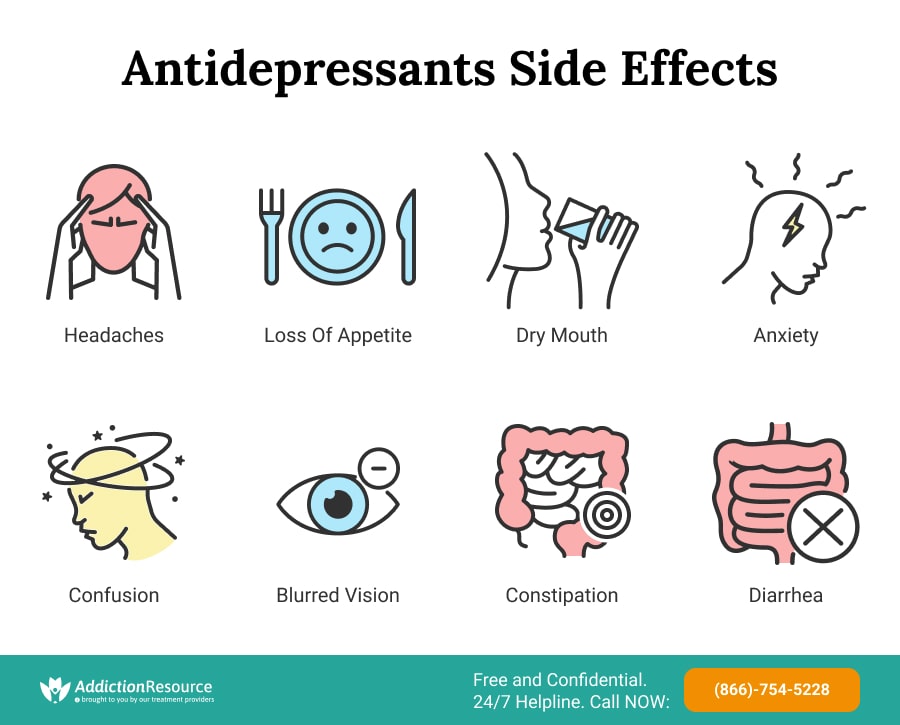
In the world of global commerce, few sectors command as much psychological real estate as the pharmaceutical industry. When we discuss “Paxil,” we aren’t just discussing a chemical compound known as paroxetine; we are analyzing a multi-billion dollar brand asset that redefined how mental health is marketed to the masses. However, every powerful brand carries “side effects”—unintended consequences of market positioning, legal challenges, and shifts in public perception.
For brand strategists and corporate identity experts, the trajectory of Paxil offers a profound case study. It demonstrates how a product can transition from a revolutionary market leader to a cautionary tale of brand dilution and reputational risk. Understanding the “side effects” of Paxil from a branding perspective requires an exploration of how GlaxoSmithKline (GSK) built a household name and how that identity weathered the storms of controversy.
The Anatomy of a Power Brand: How Paxil Defined the SSRI Market
The launch of Paxil in the early 1990s was not merely a medical event; it was a masterstroke of brand strategy. At the time, the Selective Serotonin Reuptake Inhibitor (SSRI) market was dominated by Prozac, a brand so successful it had become a cultural shorthand for antidepressants. To compete, Paxil’s brand managers had to differentiate the product through strategic positioning and niche dominance.
Strategic Naming and Visual Identity
The name “Paxil” was engineered for specific psychological resonance. Derived from the Latin root pax, meaning peace, the name itself promised a brand outcome: tranquility. In the pharmaceutical world, branding often precedes the clinical experience. By naming the product Paxil, the brand identity immediately communicated a sense of calm and stability, distinguishing it from the more “energetic” connotations associated with its competitors.
The visual identity followed suit. Pharmaceutical branding relies heavily on color psychology. Paxil’s marketing collateral and packaging often utilized soft blues and purples—colors associated with trust, serenity, and professional reliability. This cohesive identity helped the brand gain rapid traction among both prescribing physicians and the end-user: the patient.
Market Creation vs. Market Fulfillment
One of the most significant brand strategies employed by Paxil was “market creation.” Rather than simply competing for existing depression patients, the brand effectively “branded” new conditions. Paxil became the first antidepressant FDA-approved for Social Anxiety Disorder (SAD) and Generalized Anxiety Disorder (GAD).
By launching massive direct-to-consumer (DTC) advertising campaigns that highlighted these conditions, the brand didn’t just sell a pill; it sold a label for a set of symptoms many people previously felt were just personality traits. This expanded the Paxil brand footprint exponentially. From a branding perspective, this was a move from being a commodity (a medicine) to being a lifestyle essential—a “solution” for the modern, high-stress social environment.
Negative Brand Equity: Navigating the “Side Effects” of Litigation and Public Perception
In the lexicon of brand management, “Negative Brand Equity” occurs when the brand name itself becomes a liability rather than an asset. For Paxil, the “side effects” of its aggressive market expansion eventually manifested as a series of high-profile legal and ethical crises that threatened the very core of its corporate identity.
The Hidden Costs of Transparency Gaps
A brand is essentially a promise of quality and honesty. When Paxil faced allegations regarding the suppression of clinical trial data—specifically concerning the efficacy and safety of the drug in adolescents—the brand promise was broken. The “side effect” for the brand was a massive erosion of trust.
In 2012, GSK reached a historic $3 billion settlement with the U.S. government, part of which addressed the mispromotion of Paxil. For a corporate brand, a settlement of this magnitude is more than a financial hit; it is a permanent stain on the corporate identity. It shifted the Paxil narrative from one of “bringing peace” to one of “corporate negligence.” This serves as a vital lesson for modern brand managers: in an era of radical transparency, what you hide will eventually define your brand more than what you promote.
Brand Dilution through Legal Turmoil
As the brand faced “black box” warnings from the FDA—the most serious type of warning for prescription drugs—the visual and emotional associations of the Paxil brand shifted. The soft blues and promises of “peace” were replaced in the public consciousness by news headlines regarding withdrawal symptoms and litigation.
This is a classic case of brand dilution. When the negative associations (the literal side effects of the drug) began to outweigh the positive brand attributes (the peace of mind), the brand’s value plummeted. This forced the brand into a defensive posture, where marketing budgets were redirected toward legal defense and crisis communications rather than innovation or market growth.
Rebranding the Narrative: GSK’s Strategy in the Post-Patent Era
When a blockbuster drug loses its patent protection, it enters the “generic” phase, where the brand name must fight to remain relevant against cheaper alternatives. For Paxil, this transition was particularly complex due to the baggage the brand had accumulated.
Transitioning from Blockbuster to Generic
As paroxetine (the generic version) entered the market, the Paxil brand had to pivot. GSK’s brand strategy moved toward maintaining a “premium” legacy identity. Even today, some patients insist on the brand-name Paxil despite the existence of identical generics. This is a testament to the power of original branding; the “Paxil” name still carries a perceived reliability for a specific demographic that generics cannot easily replicate.
However, the “side effect” of this transition was the loss of the brand’s cultural zeitgeist. Paxil moved from being a revolutionary leader to a legacy product. The brand strategy shifted from aggressive acquisition to “customer retention”—focusing on the existing user base rather than trying to capture new market segments that were now being targeted by newer, “cleaner” brands.
The Role of Corporate Social Responsibility (CSR)
In the wake of the Paxil controversies, GSK underwent a massive corporate rebranding effort. They moved toward a more transparent, patient-centric model, which included changes to how they compensated sales reps and how they released trial data.
This was a “brand side effect” in a positive sense. The failures of the Paxil era forced a systemic change in the corporate identity of one of the world’s largest companies. The brand learned that long-term survival in the healthcare sector requires an identity built on ethical foundations, not just clever marketing. Today, GSK’s brand identity is much more focused on global health equity and R&D transparency, a direct response to the lessons learned during the Paxil years.
Lessons for Modern Brand Managers: Balancing Profit and Purpose
The story of Paxil provides a roadmap for brand managers across all industries on how to handle the delicate balance between aggressive growth and ethical brand stewardship. The “side effects” of Paxil’s brand journey offer several key takeaways for building a resilient corporate identity.
Ethical Marketing as a Long-term Asset
The most significant “side effect” of Paxil’s marketing strategy was the eventual backlash against “disease mongering”—the practice of expanding the boundaries of treatable illness to expand markets. For modern brands, especially in tech and finance, the lesson is clear: if your brand growth relies on exploiting consumer vulnerabilities, that growth is unsustainable.
True brand equity is built on solving genuine problems. When Paxil focused on treating severe clinical depression, its brand was at its strongest. When it pivoted toward medicalizing everyday social discomfort, it opened itself up to the criticisms that eventually damaged its reputation. Ethical marketing isn’t just a moral choice; it is a strategic one that protects the brand from future litigation and public outcry.

Building Resilient Brand Architecture
A brand must be able to withstand the failure of a single product. GSK’s corporate identity was strong enough to survive the Paxil crisis because it had a diversified brand architecture. However, the Paxil name itself was not as resilient.
When building a brand, one must consider the “exit strategy” for a crisis. If the brand identity is too closely tied to a single, controversial attribute, it becomes brittle. Resilient brands build an identity around values—such as “Innovation,” “Reliability,” or “Empowerment”—rather than just a product feature. If Paxil had been branded more around the concept of “Mental Health Support” and less as a “Magic Peace Pill,” it might have navigated its clinical challenges with more grace.
In conclusion, the side effects of Paxil extend far beyond the pharmacy counter. They serve as a permanent record of the power and peril of pharmaceutical branding. By studying how Paxil rose to dominance and how its brand equity was challenged, modern strategists can learn to build brands that are not only profitable but also principled and enduring. The ultimate side effect of a well-managed brand is trust—and as Paxil proved, once that trust is compromised, no amount of marketing can easily buy it back.
aViewFromTheCave is a participant in the Amazon Services LLC Associates Program, an affiliate advertising program designed to provide a means for sites to earn advertising fees by advertising and linking to Amazon.com. Amazon, the Amazon logo, AmazonSupply, and the AmazonSupply logo are trademarks of Amazon.com, Inc. or its affiliates. As an Amazon Associate we earn affiliate commissions from qualifying purchases.