
In the modern era of medicine, the intersection of pharmacology and technology has created a paradigm shift in how we manage chronic conditions. Hydrochlorothiazide, a widely prescribed diuretic used to treat hypertension and edema, serves as a primary example of a medication that benefits from this digital transformation. While the drug is highly effective, the “side effects of hydrochlorothiazide”—ranging from electrolyte imbalances to glucose intolerance—have historically been managed through reactive, analog methods. Today, the “Tech” sector is redefining this experience, moving from reactive care to proactive, tech-driven oversight.
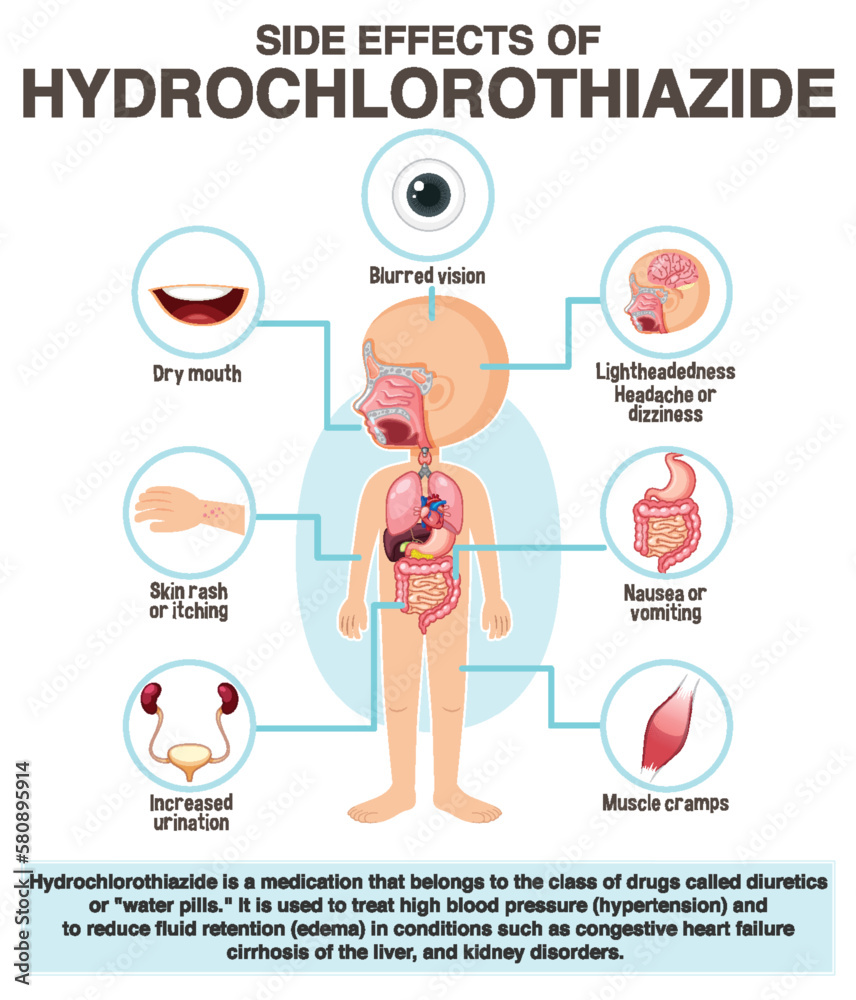
This article explores how advanced software, Artificial Intelligence (AI), and wearable technology are being utilized to monitor, predict, and mitigate the side effects of traditional medications, ensuring a safer and more data-driven patient experience.
AI-Driven Predictive Analytics in Pharmacovigilance
The first line of defense in managing medication side effects is no longer a printed warning label; it is the power of predictive algorithms. Artificial Intelligence has revolutionized pharmacovigilance—the science of detecting, assessing, and preventing adverse effects.
Deep Learning and Molecular Interaction Modeling
Before a patient even experiences a side effect of hydrochlorothiazide, such as orthostatic hypotension or photosensitivity, tech companies are using deep learning models to predict these outcomes. By simulating molecular interactions in silico, software can identify how hydrochlorothiazide might interact with specific proteins or other medications a patient is taking. These AI models analyze massive datasets of chemical structures to flag potential adverse reactions, allowing tech-enabled pharmacies to issue personalized warnings to clinicians.
Real-Time Data Analytics for Patient Safety
The integration of Big Data in healthcare allows for the monitoring of side effects across millions of users simultaneously. Tech platforms now aggregate anonymized electronic health records (EHRs) to identify patterns that might be missed in smaller clinical trials. For instance, if a specific demographic begins reporting higher instances of hyperuricemia (a common side effect of hydrochlorothiazide) in a particular region, AI-driven surveillance systems can alert local healthcare providers instantly. This proactive stance transforms “side effects” from a list of possibilities into a manageable stream of data.
Smart Monitoring: Wearables and IoT in Blood Pressure Management
The “Internet of Things” (IoT) has brought medical monitoring out of the doctor’s office and directly onto the patient’s wrist. For those taking diuretics like hydrochlorothiazide, the ability to monitor physiological changes in real-time is a game-changer.
Continuous Monitoring vs. Snapshot Data
Traditional management of hypertension relied on “snapshot” data—occasional blood pressure readings taken at a clinic. However, hydrochlorothiazide can cause fluctuations in blood pressure and hydration levels that a snapshot might miss. Modern wearables, such as smartwatches with FDA-cleared ECG and blood pressure capabilities, provide continuous data streams. This allows tech-savvy patients to see exactly how their body reacts to the medication throughout the day, identifying the exact moment side effects like dizziness occur and correlating them with activity levels or hydration.
Integrating IoT with Telehealth Platforms
The true power of these gadgets lies in their connectivity. Modern health tech ecosystems allow wearable data to be synced directly with telehealth platforms. If a patient’s wearable detects a significant drop in blood pressure (hypotension) or an irregular heart rhythm (which could indicate a potassium imbalance caused by the diuretic), the software can automatically trigger a notification to their physician. This seamless integration of hardware and software ensures that the side effects of hydrochlorothiazide are addressed before they escalate into emergencies.
Digital Therapeutics (DTx) and Enhanced Medication Adherence
Medication adherence is one of the biggest challenges in treating chronic hypertension. Many patients discontinue hydrochlorothiazide because they find the side effects—such as frequent urination or fatigue—disruptive. Digital Therapeutics (DTx) are software-based interventions designed to prevent and manage these issues.

App-Based Management for Side Effect Tracking
Sophisticated mobile applications have moved beyond simple pill reminders. Modern DTx apps use symptom-tracking logs where patients can input their daily experiences. By using natural language processing (NLP), these apps can categorize patient feedback and provide immediate, automated advice. For example, if a user logs a headache or dry mouth, the app might use its logic engine to suggest increased water intake or provide a summary of the data to share at the next virtual consultation.
Gamification and Behavioral Tech
To combat the psychological friction of dealing with side effects, tech developers are incorporating gamification into health apps. By rewarding users for consistent logging and adherence to hydration protocols, these platforms use behavioral psychology to improve patient outcomes. The tech isn’t just tracking the drug; it’s coaching the patient on how to live with the medication, effectively reducing the perceived burden of side effects through positive reinforcement and educational content delivered in bite-sized, engaging formats.
Blockchain and Transparency in Side Effect Reporting
As we move toward a more decentralized healthcare model, the need for secure, transparent data regarding drug safety has never been higher. Blockchain technology is emerging as a critical tool in managing the complex data surrounding medication adverse effects.
Decentralized Health Records
One of the primary tech hurdles in managing side effects is the fragmentation of medical records. A patient might see a specialist for a side effect but fail to inform their primary care physician. Blockchain-based health records provide a “single source of truth.” This decentralized ledger ensures that every side effect reported, every dosage change, and every laboratory result (like electrolyte levels) is securely stored and accessible to the entire authorized care team. This prevents dangerous drug-drug interactions that could exacerbate the side effects of hydrochlorothiazide.
Global Safety Databases and Smart Contracts
Beyond the individual level, blockchain is being used to create global, immutable databases for side effect reporting. Using smart contracts, pharmaceutical tech companies can automate the reporting of adverse events to regulatory bodies like the FDA. This increases the speed of safety signals and ensures that the data is tamper-proof. In an era where digital security is paramount, leveraging blockchain to protect sensitive health data while improving drug safety protocols represents the pinnacle of modern health-tech strategy.
The Future of Precision Tech: Genomics and Software-Led Personalization
The ultimate goal of health technology is to move away from “one-size-fits-all” medicine toward precision care. The most exciting frontier in managing the side effects of hydrochlorothiazide lies in the marriage of genomics and software.
Pharmacogenomics Software
Not everyone processes hydrochlorothiazide the same way. Genetic variations can influence how a person’s kidneys respond to the drug and how likely they are to experience side effects. New software platforms now analyze a patient’s genetic profile (pharmacogenomics) to predict their drug response. Clinicians can use these digital tools to determine the optimal starting dose, significantly reducing the “trial and error” phase of medication and minimizing the risk of adverse reactions from the start.
Software-Led Dosage Optimization
In the near future, we may see “closed-loop” systems for medication. Just as insulin pumps adjust doses based on glucose levels, tech researchers are exploring software that can recommend dosage adjustments for blood pressure medications in real-time. By analyzing data from wearables, labs, and genetic profiles, these algorithms could suggest the minimal effective dose of hydrochlorothiazide needed to control blood pressure while keeping the side effect profile as low as possible.

Conclusion: A Tech-Forward Approach to Pharmacology
The “side effects of hydrochlorothiazide” no longer need to be an unpredictable hurdle for patients. Through the lens of technology, we are now equipped with the tools to predict, monitor, and manage these challenges with unprecedented precision. From AI algorithms that scan for molecular risks to blockchain ledgers that ensure data integrity, the tech industry is providing the infrastructure for a safer pharmaceutical future.
As we continue to integrate AI, IoT, and personalized software into the healthcare ecosystem, the focus shifts from simply treating a condition to optimizing the human experience of medicine. In this digital age, technology is not just a tool for convenience; it is the primary driver of safety, transparency, and efficacy in modern medicine. By embracing these tech trends, both providers and patients can manage medications like hydrochlorothiazide with greater confidence, transforming the “side effect” into a data point that leads to better, more personalized care.
aViewFromTheCave is a participant in the Amazon Services LLC Associates Program, an affiliate advertising program designed to provide a means for sites to earn advertising fees by advertising and linking to Amazon.com. Amazon, the Amazon logo, AmazonSupply, and the AmazonSupply logo are trademarks of Amazon.com, Inc. or its affiliates. As an Amazon Associate we earn affiliate commissions from qualifying purchases.