
Suboxone, a combination medication consisting of buprenorphine and naloxone, has become a cornerstone in the treatment of opioid use disorder. As a partial opioid agonist, it effectively manages withdrawal symptoms and cravings, offering a pharmacological pathway to stability for many patients. However, like any medication that interacts with the body’s neurochemistry, Suboxone carries a spectrum of potential side effects. Understanding these effects is not merely a matter of health literacy; for those managing personal health expenses or navigating the cost of long-term recovery, it is a critical component of financial planning and lifestyle management.
When individuals commit to a Suboxone maintenance program, they are often entering into a long-term financial engagement. Integrating this into one’s personal finance strategy requires a clear-eyed view of what the treatment entails, including potential productivity impacts, ongoing clinical costs, and the physiological toll that might necessitate supplemental support or adjustments.
The Financial Implications of Physiological Side Effects
Managing a health condition often involves an indirect financial burden associated with side effects. When side effects from Suboxone arise, they can impact your ability to work, your investment in wellness products, and your overall budget for recurring medical costs.
Productivity and Workplace Performance
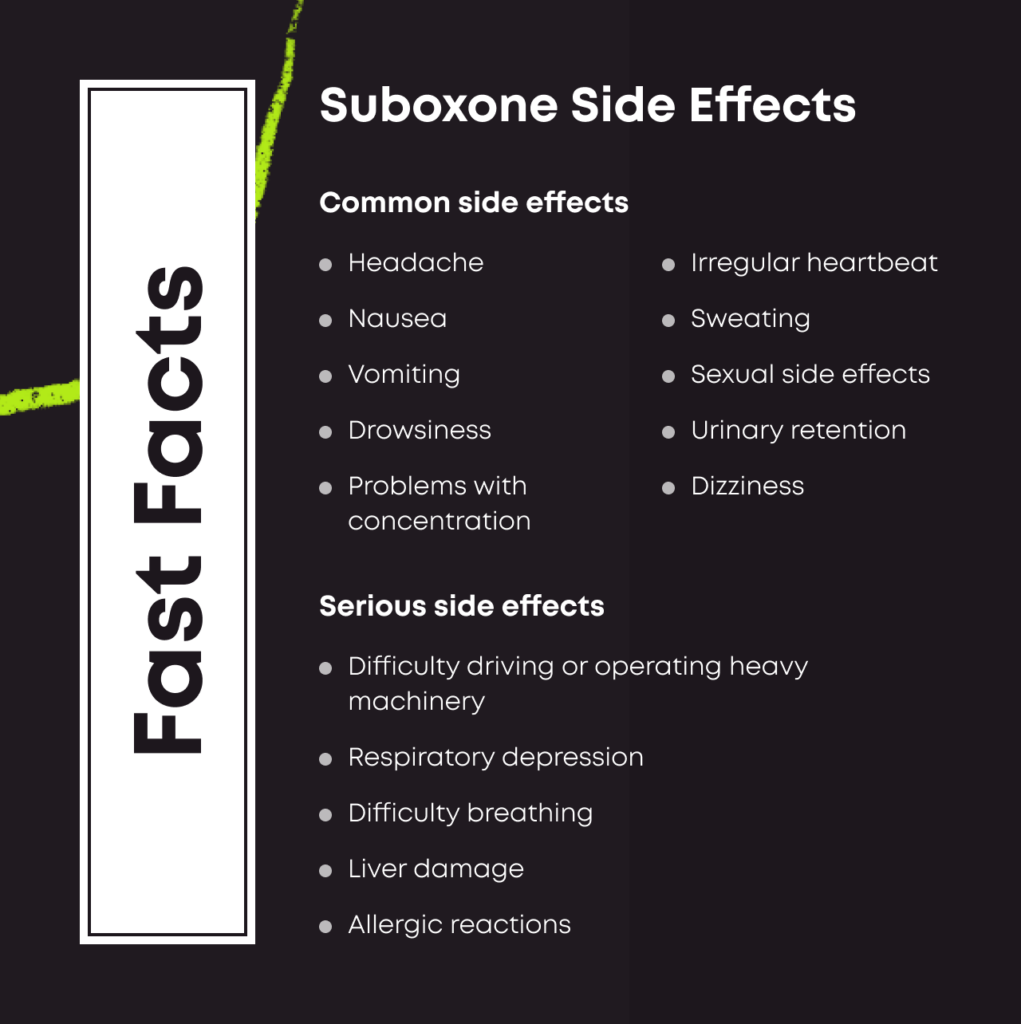
Many common side effects of Suboxone—such as fatigue, dizziness, or difficulty concentrating—can interfere with peak professional performance. If your primary source of income relies on high-level cognitive function or physical precision, these side effects may inadvertently affect your earnings or career trajectory. For those in high-stakes roles, budgeting for potential downtime or additional medical check-ups to adjust dosages is a prudent financial practice.
Long-Term Healthcare Expenditures
Beyond the cost of the prescription itself, some users find that they need to invest in additional support to mitigate side effects. This might include nutritional supplements, over-the-counter aids for digestive health, or increased visits to primary care physicians to monitor blood pressure and liver enzymes. When forecasting your personal annual medical budget, it is essential to account for these “hidden” costs associated with maintaining stability while on medication.
Common Physiological Side Effects and Risk Management
To maintain a stable financial and personal life, understanding the most frequent physical responses to Suboxone is essential. These symptoms are generally categorized as common, though the severity can vary significantly between individuals.
Gastrointestinal Responses
The most commonly reported side effects involve the digestive system. Nausea, constipation, and vomiting are prevalent, especially during the induction phase of treatment. From a practical standpoint, this can lead to increased spending on fiber supplements, stool softeners, or prescription-grade digestive aids. Consistent monitoring of these symptoms is vital to prevent long-term issues that could lead to more expensive hospital interventions.
Neuro-Cognitive and Sleep Patterns
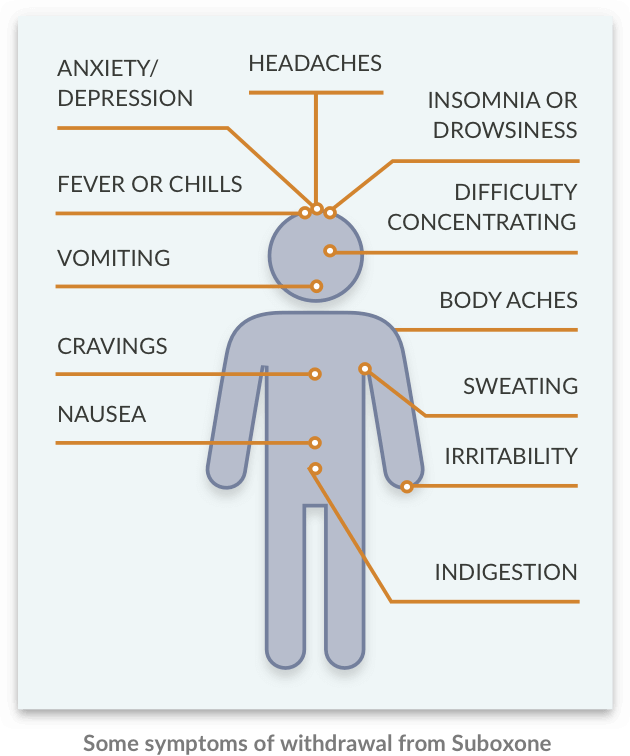
Suboxone can influence sleep cycles, leading to insomnia or, conversely, excessive daytime sleepiness. For the working professional, sleep quality is directly tied to the ability to generate income. Investing in sleep hygiene—such as high-quality bedding, darkening curtains, or therapy sessions—can be viewed as a necessary business expense to protect your professional output.

Headaches and Body Aches
Chronic headaches and muscular pain are frequently cited side effects. These physical distractions can lower morale and reduce focus. For those managing a business or a demanding career, these physical barriers can impede goal setting and long-term financial planning. Treating these symptoms promptly is necessary to ensure that your physical health does not become a liability to your financial growth.
Strategic Planning for Long-Term Maintenance
Treating opioid use disorder is often a multi-year commitment. Successful long-term recovery requires a robust financial strategy that accounts for the continuity of care.
Budgeting for Consistent Medical Supervision
The price of the medication is only one line item in the budget of recovery. Effective management of Suboxone requires regular follow-ups with specialists. Neglecting these check-ups to save money is a false economy. If the medication is causing severe side effects, regular monitoring ensures that dosage adjustments are made safely, preventing potential emergencies that would carry a much higher financial cost than a standard office visit.
Evaluating Insurance and Benefit Packages
If you are employed, reviewing your health insurance plan’s coverage for Suboxone maintenance and associated side-effect management is a critical financial step. High-deductible health plans (HDHPs) might require you to pay out-of-pocket for specialist care, whereas PPO plans might offer broader coverage for counseling or supplemental physical therapy. Understanding your plan’s “out-of-pocket maximum” allows you to forecast your medical expenses for the year, providing stability for your broader personal finance strategy.
Balancing Recovery Costs with Financial Stability
The goal of utilizing Suboxone is to achieve a level of stability that allows for personal and professional growth. To ensure this financial stability remains intact, one must adopt a proactive approach to side-effect management.
The Return on Investment of Health
View your investment in Suboxone and its side-effect management as a high-return asset. By stabilizing your health, you are protecting your future earning potential. The cost of untreated opioid use disorder is catastrophic—not just physically, but financially. By contrast, the costs associated with managing side effects are manageable, predictable, and necessary expenses that facilitate long-term wealth accumulation and career stability.
The Role of Preventive Lifestyle Choices
Financial planning includes reducing the necessity for medical interventions. Incorporating healthy lifestyle choices—such as a balanced diet, regular exercise, and stress management techniques—can mitigate many of the common side effects of Suboxone. By reducing your reliance on auxiliary medications and emergency doctor visits, you optimize your medical budget.
Conclusion: Sustaining Stability Through Informed Choices
Suboxone provides a path toward functional stability for those in recovery. While the side effects—ranging from gastrointestinal distress to sleep disturbances—are a reality of the treatment, they are not insurmountable obstacles. By integrating the costs and management of these side effects into your personal financial framework, you transform a potential hurdle into a calculated, manageable part of your life. Consistent medical oversight, coupled with strategic budget planning for health-related expenses, allows you to focus on what matters most: long-term recovery and the pursuit of your professional and financial goals.
As you navigate this journey, remember that your health is the foundational asset upon which all other financial success is built. Prioritize your well-being, stay informed about how your medication affects your daily function, and treat the management of your recovery as a critical pillar of your overall personal finance strategy. By taking control of the physical aspects of your treatment, you secure your ability to thrive both personally and economically.
aViewFromTheCave is a participant in the Amazon Services LLC Associates Program, an affiliate advertising program designed to provide a means for sites to earn advertising fees by advertising and linking to Amazon.com. Amazon, the Amazon logo, AmazonSupply, and the AmazonSupply logo are trademarks of Amazon.com, Inc. or its affiliates. As an Amazon Associate we earn affiliate commissions from qualifying purchases.