
The pharmaceutical industry, a realm of profound scientific discovery and immense financial stakes, is a landscape shaped by blockbuster drugs. These medications, often the result of decades of research and billions in investment, not only transform patient lives but also reshape the economic contours of the global healthcare system. Atorvastatin, better known by its brand name Lipitor, stands as a quintessential example. As one of the best-selling drugs in history, its journey from laboratory breakthrough to market dominance and eventual genericization presents a compelling case study in the financial “side effects” that reverberate through corporate balance sheets, investment portfolios, and the pockets of healthcare consumers.
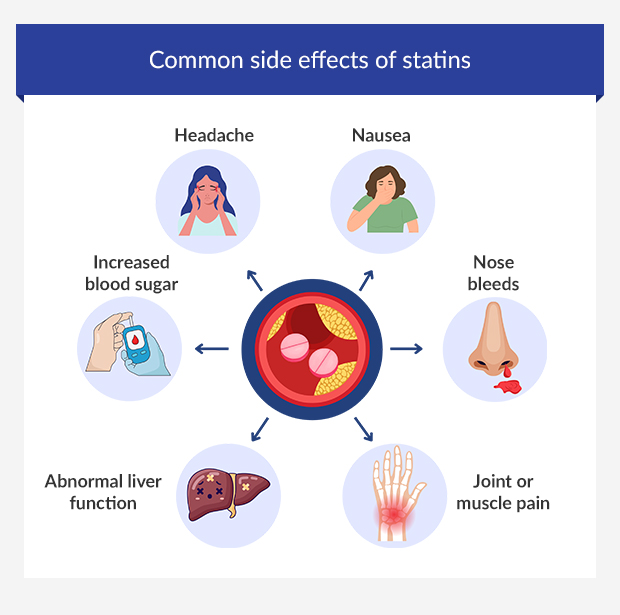
This article delves into the multi-faceted financial implications of atorvastatin, examining the astronomical costs of innovation, the seismic shifts caused by patent expiry, the economic ripple effects on various stakeholders, and the lessons it offers for future investment in pharmaceutical development. We move beyond the clinical efficacy and medical side effects to explore the profound economic currents that underscore the life of a pharmaceutical giant.
The High Stakes of Pharmaceutical Innovation: Unpacking Atorvastatin’s Genesis
Developing a new drug is an endeavor fraught with risk and monumental capital requirements. The path from a promising molecule to a market-ready medication is long, arduous, and paved with scientific hurdles and regulatory complexities. Atorvastatin’s story perfectly illustrates the financial commitment necessary to bring a blockbuster drug to fruition.
The Mammoth Investment in Research and Development
The initial “side effect” of any pharmaceutical breakthrough is the colossal investment in Research and Development (R&D). For a drug like atorvastatin, which was discovered by Parke-Davis (later acquired by Pfizer), the R&D phase spanned years and consumed billions of dollars. This investment isn’t just for the active compound; it includes extensive preclinical testing, multiple phases of human clinical trials, toxicology studies, manufacturing process development, and regulatory submissions. The vast majority of experimental compounds never make it to market, meaning the costs of these failures are effectively subsidized by the successful drugs. This “portfolio effect” dictates that the revenue generated by a few blockbusters must cover the R&D expenses of many unsuccessful candidates, creating immense financial pressure and driving the need for premium pricing upon market entry. Investors pour capital into pharmaceutical companies, betting on their ability to consistently identify and commercialize these high-value innovations.
Market Entry and Pricing Strategies: Recouping Billions
Once approved by regulatory bodies like the FDA, the financial “side effects” shift to market strategy and pricing. Pharmaceutical companies invest heavily in marketing and sales infrastructure to ensure widespread adoption. For atorvastatin, Pfizer launched a massive marketing campaign that cemented Lipitor’s brand recognition globally. The pricing strategy for new, patented drugs reflects not only the R&D costs but also the perceived value to patients and the market exclusivity granted by patents. During its patent-protected period, Lipitor commanded a premium price, a deliberate financial decision aimed at recouping the billions invested and generating substantial profits. This profit-generating capacity is crucial for attracting further investment and funding the next generation of drug discoveries. The pricing model for these innovative drugs thus becomes a critical financial lever, impacting sales volumes, market share, and ultimately, shareholder returns.
The Blockbuster Model: A Double-Edged Financial Sword
Atorvastatin epitomized the “blockbuster model,” a strategy where pharmaceutical companies focus on developing drugs with broad appeal and high sales potential. This model, while incredibly lucrative when successful, carries inherent financial risks. On one hand, a blockbuster like Lipitor can generate tens of billions in annual revenue, fueling corporate growth, R&D pipelines, and investor confidence. The sheer scale of sales meant that even incremental changes in market share had significant financial consequences. On the other hand, an over-reliance on a few blockbuster drugs can leave a company financially vulnerable to patent expiry, clinical trial failures, or competitive threats. The success of atorvastatin, therefore, created both enormous financial returns and the strategic challenge of how to sustain growth once its patent protection inevitably waned.
The Patent Cliff: An Economic Tsunami for Pharmaceutical Giants
The most dramatic financial “side effect” in the life cycle of a blockbuster drug is the “patent cliff” – the precipitous drop in revenue that occurs once a drug’s patent expires and cheaper generic versions flood the market. For atorvastatin, this event represented a multi-billion-dollar turning point, sending shockwaves through Pfizer’s financial statements and the broader pharmaceutical landscape.
Atorvastatin’s Exclusivity Period: Peak Revenue and Market Dominance
For nearly 15 years, Lipitor enjoyed market exclusivity, a period during which it achieved unparalleled commercial success. Its annual sales peaked at over $12 billion, making it the best-selling pharmaceutical in history for a significant duration. This extended period of dominance allowed Pfizer to amass tremendous profits, which were reinvested into new drug development, mergers and acquisitions, and shareholder dividends. The financial stability and growth provided by Lipitor during this period were instrumental in shaping Pfizer’s corporate strategy and market valuation. Investors saw Lipitor as a cash cow, providing reliable revenue streams that bolstered the company’s financial resilience and market leadership. The sheer scale of its sales created a significant economic presence, influencing healthcare budgets and prescribing practices globally.
The Inevitable Fall: Generics’ Ascent and Revenue Erosion
However, all good things in the pharmaceutical world come to an end, particularly patent protection. In November 2011, Lipitor’s U.S. patent expired, opening the floodgates for generic manufacturers. The financial “side effect” was immediate and brutal. Within months, generic versions of atorvastatin captured a significant portion of the market, offering the same active ingredient at a fraction of the price. Pfizer’s revenue from atorvastatin plummeted by billions of dollars annually, illustrating the swift and devastating impact of generic competition. This event, often termed the “patent cliff,” highlights the precarious financial position of pharmaceutical companies heavily reliant on a single drug or a handful of blockbusters. The erosion of revenue from Lipitor was a major financial challenge for Pfizer, forcing significant strategic adjustments and cost-cutting measures.
Strategic Responses to Patent Expiry: Diversification and M&A

The impending patent cliff for atorvastatin spurred Pfizer and other pharmaceutical companies to proactively develop financial and business strategies to mitigate the impact. These “side effect management” strategies included aggressive mergers and acquisitions (M&A) to acquire new drug pipelines or diversify product portfolios. For instance, Pfizer’s acquisition of Wyeth was partly aimed at bolstering its pipeline ahead of the Lipitor patent expiration. Companies also focused on developing new indications for existing drugs, investing in specialty pharmaceuticals with smaller but more sustainable markets, and exploring biosimilars. From an investment perspective, this period necessitated careful portfolio rebalancing and a shift in focus from mature blockbuster drugs to companies with robust early-stage pipelines or diversified revenue streams. The patent cliff thus became a catalyst for significant financial restructuring and strategic reorientation within the pharmaceutical industry.
Ripple Effects Across the Healthcare Ecosystem: From Payer to Patient
The financial “side effects” of atorvastatin’s journey extend far beyond the pharmaceutical company’s balance sheet, impacting various stakeholders throughout the healthcare ecosystem. Payers, patients, and even other businesses within the supply chain experience significant shifts driven by the drug’s market dynamics.
The Financial Burden on Healthcare Systems and Insurers
During its patent-protected era, the high cost of brand-name Lipitor represented a substantial financial burden on healthcare systems and private insurers. Reimbursement for billions of dollars in annual sales meant a significant allocation of healthcare budgets towards cholesterol management. This cost pressure often translated into higher premiums, co-pays, and deductibles for consumers, or difficult decisions for national healthcare providers regarding drug formularies. The high price point of branded drugs, while generating profits for manufacturers, often strains the financial sustainability of healthcare providers and insurance companies. This “side effect” is a constant point of tension in healthcare economics, balancing innovation incentives with affordability.
Consumer Savings and Access: The Generic Dividend
Conversely, the patent expiry of atorvastatin brought a considerable positive financial “side effect” for consumers and healthcare systems: massive cost savings. The availability of generic atorvastatin dramatically reduced treatment costs for millions of patients managing high cholesterol. For individuals, this meant lower out-of-pocket expenses, making essential medication more affordable and accessible. For healthcare systems and insurers, the shift to generics translated into billions of dollars in annual savings, which could be reallocated to other healthcare priorities or passed on to consumers through lower premiums. This generic dividend is a cornerstone of pharmaceutical cost containment strategies and represents a significant financial benefit to the broader public, directly impacting personal finance for millions globally. The economic value of generic drugs in improving public health access cannot be overstated.
Impact on Pharmacy Business Models and Supply Chains
The financial implications also extend to pharmacies and the entire pharmaceutical supply chain. During Lipitor’s brand exclusivity, pharmacies benefited from higher margins on the brand-name drug. With generic entry, while sales volume often increased due to lower prices, the per-unit profit margin for pharmacies typically decreased. This necessitated adjustments in their business models, focusing on volume, efficient inventory management, and other service offerings to maintain profitability. Wholesalers and distributors also experienced shifts in their financial models, adapting to the increased volume of lower-priced generics. The transition highlighted the interconnectedness of the pharmaceutical financial ecosystem, where a single drug’s patent status can alter revenue streams and operational strategies across multiple business entities.
Investing in Tomorrow: Navigating the Post-Blockbuster Landscape
The financial journey of atorvastatin offers invaluable lessons for investors and pharmaceutical companies alike, shaping future R&D strategies and investment decisions in a world increasingly moving beyond the traditional blockbuster model.
Shifting R&D Focus: From Primary Care to Specialty Drugs
One of the key financial “side effects” of the atorvastatin era’s conclusion is a strategic shift in pharmaceutical R&D investment. Companies are increasingly moving away from developing “me-too” drugs for large primary care markets, which are highly susceptible to generic competition. Instead, there’s a growing financial focus on specialty drugs—medications for rare diseases, complex conditions, or highly targeted therapies (e.g., biologics, gene therapies). These drugs often serve smaller patient populations but command premium prices due to their specialized nature, high R&D complexity, and often, less robust generic competition landscape. From an investment perspective, this shift means evaluating pharmaceutical companies based on the strength of their specialty pipeline, their capabilities in precision medicine, and their ability to demonstrate value in niche markets. This reorientation is a direct financial response to the patent cliff phenomenon.
The Venture Capital Perspective: Funding the Next Wave of Innovation
Venture capital (VC) plays a critical role in funding early-stage biotech and pharmaceutical innovation. The financial successes and challenges demonstrated by drugs like atorvastatin influence VC investment strategies. VCs are keen to identify and fund companies developing genuinely novel therapies with strong intellectual property protection and clear market pathways. They are looking for the next game-changing drug, understanding the potential for exponential financial returns if successful, but also acutely aware of the high attrition rates in drug development. The “side effects” of the blockbuster era’s end mean VCs are now more discerning, often favoring platforms over single assets, and looking for robust scientific foundations that can withstand market scrutiny and potential competitive pressures. This impacts which therapeutic areas receive funding and how companies are structured for future financial success.

Strategic Partnerships and Digital Transformation: New Avenues for Growth
In the post-blockbuster era, pharmaceutical companies are increasingly exploring strategic partnerships and embracing digital transformation as new avenues for financial growth and efficiency. Collaborations with academic institutions, smaller biotech firms, and technology companies are becoming common, allowing for shared R&D costs and diversified risk. Investment in digital health tools, AI for drug discovery, and real-world evidence generation platforms are financial bets aimed at improving R&D productivity, enhancing commercialization, and demonstrating the economic value of new therapies. These are the new “side effects” of a maturing industry, where financial viability is not just about inventing a great pill, but also about innovating across the entire value chain, leveraging technology, and forging strategic alliances to navigate a complex, cost-conscious, and highly regulated market.
In conclusion, the journey of atorvastatin is a vivid illustration of the profound financial “side effects” that characterize the pharmaceutical industry. From the colossal R&D investments and the strategic pricing that define its patent-protected zenith to the dramatic revenue erosion post-patent expiry, and the subsequent ripple effects across the entire healthcare ecosystem, atorvastatin’s story offers a rich tapestry of economic lessons. It underscores the high-stakes nature of drug development, the relentless pressure of market forces, and the continuous need for financial agility and strategic foresight in a sector where innovation, investment, and patient access must constantly find a precarious balance. The enduring financial legacy of atorvastatin continues to shape how pharmaceutical companies operate, how investors allocate capital, and ultimately, how healthcare is financed and delivered globally.
aViewFromTheCave is a participant in the Amazon Services LLC Associates Program, an affiliate advertising program designed to provide a means for sites to earn advertising fees by advertising and linking to Amazon.com. Amazon, the Amazon logo, AmazonSupply, and the AmazonSupply logo are trademarks of Amazon.com, Inc. or its affiliates. As an Amazon Associate we earn affiliate commissions from qualifying purchases.