
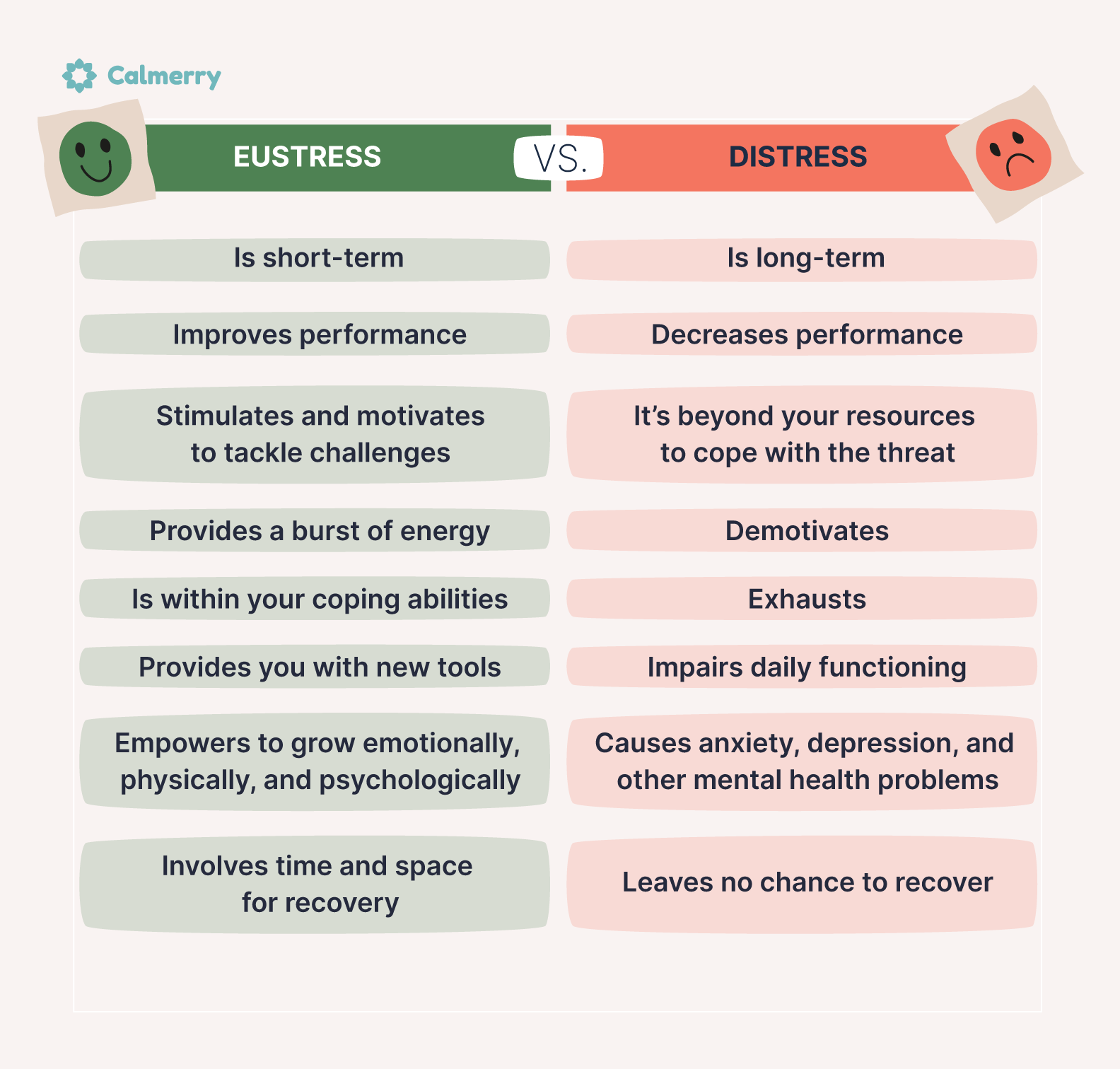
In the world of personal finance and investment, stress is often characterized as the enemy. We are told that market volatility causes panic, that debt leads to sleepless nights, and that the pressure to perform in a high-stakes career can lead to burnout. However, this perspective ignores a fundamental psychological and economic principle: the concept of “Eustress.”
Eustress, or positive stress, is the mild tension that pushes an individual toward peak performance. When applied to the niche of money—encompassing investing, personal finance, and business management—mild stress acts as a powerful catalyst. It transforms complacency into vigilance and hesitation into calculated action. By understanding the positive effects of mild stress, investors and professionals can leverage their internal pressures to achieve superior financial outcomes and long-term wealth stability.
Harnessing Eustress: The Psychological Engine of Financial Growth
The relationship between stress and performance is best described by the Yerkes-Dodson Law, which suggests that performance increases with physiological or mental arousal, but only up to a point. In the realm of money, being “too relaxed” often leads to financial stagnation, missed opportunities, and a lack of due diligence.
Redefining Stress in a Monetary Context
For most people, financial stress is viewed as a binary: either you are stressed because you lack funds, or you are relaxed because you have them. However, the most successful wealth builders occupy a middle ground. They maintain a level of “controlled urgency.” This mild stress ensures that they are constantly reviewing their asset allocations, looking for tax efficiencies, and staying informed about macroeconomic shifts. Without this mild discomfort, an investor might leave significant capital in low-yield savings accounts, losing purchasing power to inflation simply because they lacked the “stress” required to seek out a better vehicle for their money.
The Yerkes-Dodson Law and Your Portfolio
Applying the Yerkes-Dodson Law to portfolio management reveals that a “stress-free” portfolio is often a sub-optimal one. A portfolio with zero risk (and thus zero stress) generally yields returns that barely keep pace with inflation. Conversely, extreme stress—caused by over-leveraging or speculative gambling—leads to irrational decision-making and catastrophic loss. The “sweet spot” is mild stress: the discomfort felt when taking on calculated risks, such as investing in equities or real estate. This level of tension keeps the investor engaged and disciplined, ensuring they perform the necessary research before committing capital.
Market Volatility as a Positive Stressor for Investors
Market volatility is the primary source of stress for the average investor. When the red numbers appear on the screen, the natural human response is “fight or flight.” However, mild stress during market downturns can be a transformative tool for building financial resilience and identifying undervalued assets.
Building Resilience through Market Fluctuations
Every time an investor experiences a market correction and resists the urge to panic-sell, they are building “financial scar tissue.” This mild stress serves as a training ground. Much like a muscle that grows stronger after being subjected to the stress of weightlifting, an investor’s emotional intelligence grows stronger with every market dip. This resilience is a form of intangible capital. It allows an investor to stay the course during major crashes, a trait that separates the wealthy from those who perpetually buy high and sell low.
The Benefit of Strategic Discomfort in Diversification
Mild stress often acts as a warning system that leads to better diversification. When an investor feels a slight “twinge” of anxiety because one particular stock or sector has grown to represent 40% of their portfolio, that stress is a positive signal. It is the brain’s way of identifying a lack of balance. By acting on this mild stress, the investor is prompted to rebalance, locking in gains and spreading risk across different asset classes. In this way, the stress of “having too many eggs in one basket” directly leads to a more robust and protected financial future.

The Entrepreneurial Edge: Using Mild Stress to Fuel Side Hustles
In the pursuit of online income and side hustles, mild stress is often the only thing that separates a hobbyist from a professional. For those looking to transition from a traditional 9-to-5 to a self-sustaining business, the pressure of deadlines and financial targets is essential for growth.
Deadlines as Drivers of Efficiency
Parkinson’s Law states that “work expands so as to fill the time available for its completion.” Without the mild stress of a deadline or a financial goal, productivity often plummets. In the context of building a side hustle—whether it’s affiliate marketing, consulting, or e-commerce—the stress of a self-imposed “launch date” forces the entrepreneur to prioritize high-impact tasks. This pressure eliminates the “analysis paralysis” that plagues many aspiring business owners. The stress of having to generate a specific amount of ROI by the end of the quarter creates a lean, efficient operation that focuses strictly on what generates revenue.
Risk Management and the “Skin in the Game” Motivation
There is a unique kind of mild stress that comes from having “skin in the game.” When you invest your own hard-earned money into a business venture, the stress of potentially losing that capital sharpens your decision-making. This isn’t the paralyzing fear of bankruptcy, but rather the focused attention of a steward. This positive stress ensures that every dollar spent on marketing or software is scrutinized for its potential return. It fosters a culture of fiscal responsibility that is often missing in venture-capital-funded startups where the “burn rate” is someone else’s problem.
Cognitive Performance and Better Financial Decision-Making
The biological response to mild stress involves the release of hormones like adrenaline and cortisol in small amounts, which can actually improve cognitive function. In high-stakes financial environments, this heightened state can be the difference between a mediocre decision and a brilliant one.
Sharpening Focus During Complex Tax and Estate Planning
Financial planning is often tedious and complex. Calculating capital gains tax, navigating inheritance laws, or optimizing estate transfers requires deep concentration. Mild stress—the feeling of “getting it right because the stakes are high”—facilitates a state of “flow.” It narrows the focus, allowing the individual to spot errors in spreadsheets or identify obscure tax deductions that a more “relaxed” person might overlook. This focused attention directly translates to “found money,” as small optimizations in tax and fee structures compound into massive sums over decades.
Avoiding the Pitfalls of Chronic Stress vs. Mild Alertness
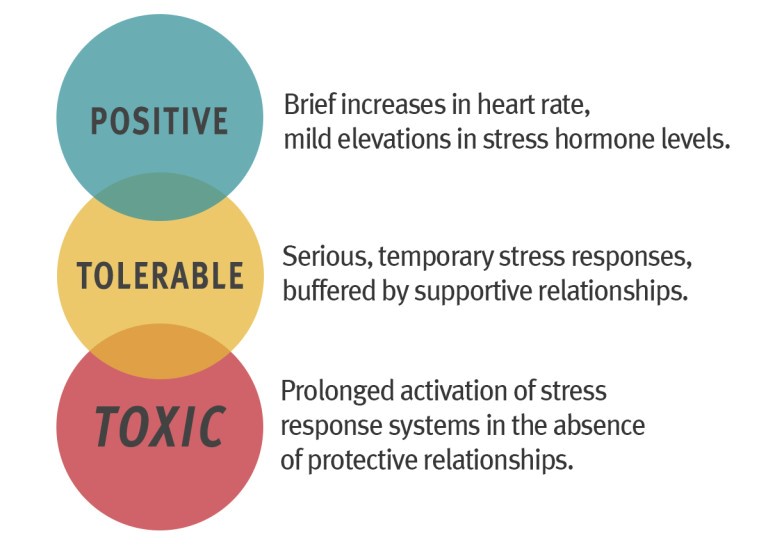
It is crucial to distinguish between the positive effects of mild stress and the debilitating nature of chronic financial stress. While mild stress acts as a performance enhancer, chronic stress—often caused by living beyond one’s means or excessive debt—clogs the prefrontal cortex and leads to “present bias,” where individuals make poor long-term choices for short-term relief. The goal of a sophisticated wealth builder is to eliminate chronic stress through automated savings and debt reduction, while intentionally maintaining a level of mild “financial alertness.” This alertness keeps one’s “financial eyes” open to new trends in AI-driven investing, shifts in interest rates, or emerging side hustle niches.
Conclusion: Integrating Stress Management into Your Financial Blueprint
The secret to long-term financial success is not the elimination of stress, but the optimization of it. By viewing mild stress as a signal rather than a threat, you can use it to drive your investment discipline, fuel your entrepreneurial ventures, and sharpen your financial focus.
Wealth building is a marathon, and like any long-distance runner, the “stress” on your muscles is what provides the power to move forward. If you are too comfortable, you are likely not growing. If you are overwhelmed, you are likely to crash. The objective is to find that middle ground where the mild pressure of your goals, the volatility of the markets, and the risks of your ventures act as the wind at your back. Embrace the discomfort of the “new,” the “calculated,” and the “urgent.” In the world of money, mild stress isn’t just a side effect of growth—it is the very engine that powers it.
aViewFromTheCave is a participant in the Amazon Services LLC Associates Program, an affiliate advertising program designed to provide a means for sites to earn advertising fees by advertising and linking to Amazon.com. Amazon, the Amazon logo, AmazonSupply, and the AmazonSupply logo are trademarks of Amazon.com, Inc. or its affiliates. As an Amazon Associate we earn affiliate commissions from qualifying purchases.