
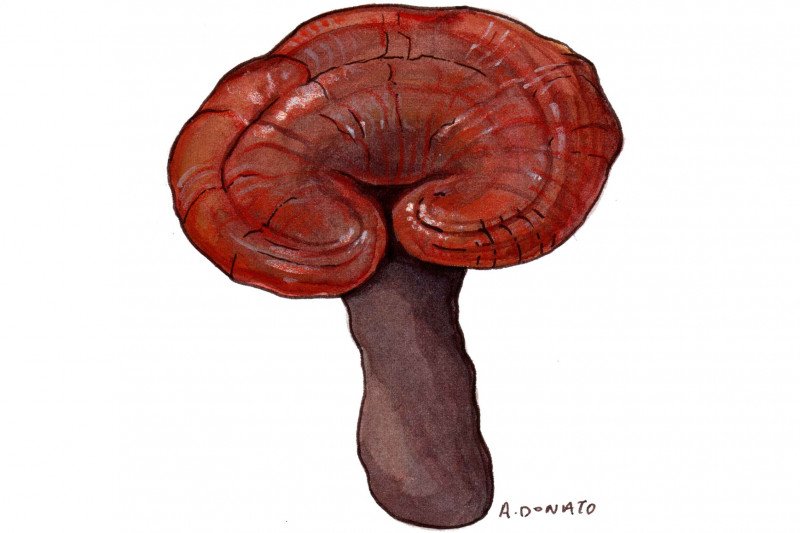
The global wellness industry is undergoing a paradigm shift, moving away from reactive healthcare toward proactive, preventative lifestyle choices. At the center of this multi-billion-dollar transformation is the functional mushroom market, with Reishi (Ganoderma lucidum) leading the charge as a premier asset class. Often referred to as the “Mushroom of Immortality,” Reishi is no longer just a staple of traditional Eastern medicine; it has become a cornerstone of the modern “Longevity Economy.” For investors, entrepreneurs, and finance professionals, understanding what Reishi mushrooms are “good for” requires looking past the biology and focusing on the massive economic tailwinds driving this sector.
The Global Boom of the Functional Mushroom Market
The functional mushroom market is currently one of the most high-growth segments within the broader nutraceutical industry. Analysts have projected the global market for functional fungi to reach over $50 billion by 2030, with Reishi accounting for a significant percentage of that valuation. This growth is not accidental; it is the result of a convergence of consumer behavioral shifts and institutional capital flow.
Market Projections and Consumer Demand
Consumer demand for Reishi has skyrocketed as a direct response to the global mental health and burnout crisis. As professionals seek ways to mitigate the high-stress environments of the modern economy, adaptogens—substances that help the body manage stress—have become a high-priority purchase. Reishi is the “Gold Standard” adaptogen. From a financial perspective, this represents “sticky” demand; consumers who find relief from stress and improved sleep through Reishi supplements tend to become recurring revenue sources, providing high lifetime value (LTV) for businesses in the space.
From Ancient Medicine to Modern Commodity
Historically, Reishi was a rare, wild-harvested luxury reserved for royalty. Today, advances in agricultural technology have commoditized the production of Ganoderma lucidum, allowing it to be scaled for mass-market consumption. However, despite increased supply, prices have remained resilient due to the premium branding associated with the mushroom. This creates a unique market dynamic: a commodity with the profit margins of a luxury good. For the astute investor, this signals a healthy “moat” around the industry, where demand continues to outpace high-quality supply.
Why Reishi is a Strategic Asset for the Wellness Portfolio
When evaluating the wellness sector, investors look for products with cross-generational appeal and diverse application methods. Reishi mushrooms excel in both categories, making them a versatile component of a diversified investment portfolio or a business product line.
Diversification in the Wellness Portfolio
Reishi is unique because its utility spans multiple industries. It is utilized in the food and beverage sector (mushroom coffee and tea), the cosmetic industry (anti-aging serums), and the pharmaceutical world (as an adjunct to traditional treatments). This versatility means that a business focused on Reishi can pivot between different market segments depending on economic conditions. If the supplement market becomes saturated, a company can reallocate resources to “beauty-from-within” skincare products, maintaining revenue stability through diversification.
Regulatory Trends and Mainstream Acceptance
One of the biggest hurdles for any health-related investment is the regulatory landscape. Reishi mushrooms enjoy a favorable position because they are generally recognized as safe (GRAS) by various international health bodies. Unlike the legal complexities surrounding CBD or psilocybin, Reishi faces few legal barriers to entry. This regulatory clarity reduces the risk premium for investors, making it easier for companies to secure traditional bank financing and venture capital. As institutional players look for ways to enter the “psychedelic-adjacent” space without the legal headaches, functional mushrooms like Reishi serve as the perfect entry point.

Lucrative Business Opportunities in the Reishi Sector
For those looking to generate online income or start a side hustle, the Reishi market offers several entry points ranging from low-capital digital ventures to high-intensity agricultural operations.
Scaling Cultivation: From Boutique to Industrial
Small-scale cultivation of Reishi has become a viable side hustle for many entrepreneurs. Because Reishi can be grown on logs or sawdust substrates in controlled environments, it requires less acreage than traditional crops. On the industrial scale, the focus shifts to mycelium-on-grain versus fruiting body extraction. Investors are increasingly funding high-tech vertical farming operations that can produce high-potency Reishi extract with surgical precision. The ROI on these facilities is bolstered by the high price per kilogram of Reishi extract compared to common culinary mushrooms like Agaricus bisporus (white button mushrooms).
The White-Label and Private-Label Model
Perhaps the most accessible way to capitalize on the Reishi trend is through e-commerce and private labeling. Many entrepreneurs are leveraging third-party manufacturers to create custom Reishi-infused blends—such as “focus” blends or “sleep” aids. By focusing on brand strategy and digital marketing rather than manufacturing, these businesses can operate with lean overhead and high scalability. The key to success in this niche is identifying a specific sub-demographic, such as high-performing tech workers or “biohackers,” and tailoring the Reishi product to meet their specific lifestyle needs.
Risk Management and Long-term Financial Outlook
No investment is without risk, and the functional mushroom space is subject to specific market pressures that require careful navigation. Understanding what Reishi is good for also involves understanding the “health” of the market itself.
Supply Chain Volatility and Quality Control
As demand surges, the market risks being flooded with low-quality products. Many “Reishi” supplements on the market contain high levels of starch and fillers with little to no active beta-glucans (the compounds responsible for the mushroom’s benefits). From a business finance perspective, this creates a reputation risk. Companies that fail to invest in rigorous third-party testing may face long-term brand erosion. For investors, the play is to back companies that own their supply chain or have exclusive contracts with certified organic growers, ensuring product integrity and price stability.
Identifying “Pump and Dump” Wellness Trends
Is Reishi a fad or a fixture? To answer this, we must look at historical consumption patterns. Reishi has been used for over 2,000 years; it is not a “new” discovery but a “rediscovered” asset. Unlike synthetic supplements that may be banned or fall out of fashion, Reishi’s deep roots in traditional medicine provide a level of cultural permanence. However, investors should be wary of companies claiming Reishi is a “miracle cure-all.” The most sustainable financial models in this space are those that position Reishi as a functional ingredient within a broader holistic lifestyle brand, rather than a standalone magic bullet.

Conclusion: The ROI of Longevity
In conclusion, when we ask what Reishi mushrooms are good for, the answer from a financial perspective is clear: they are good for the bottom line of the burgeoning longevity industry. Reishi represents a rare intersection of low regulatory risk, high consumer demand, and versatile application.
As the “Silver Tsunami” (the aging Boomer population) continues to seek out ways to extend their healthspan, and as younger generations look for natural ways to manage the stresses of an increasingly digital world, the market for Reishi is poised for sustained growth. Whether through direct investment in public equities, the development of a private-label brand, or the implementation of mushroom-tech in agriculture, Reishi offers a fertile ground for capital appreciation. The “Mushroom of Immortality” may not literally grant eternal life, but for the savvy investor, it offers the next best thing: a resilient, high-margin asset in the most important industry of the 21st century—human health.
aViewFromTheCave is a participant in the Amazon Services LLC Associates Program, an affiliate advertising program designed to provide a means for sites to earn advertising fees by advertising and linking to Amazon.com. Amazon, the Amazon logo, AmazonSupply, and the AmazonSupply logo are trademarks of Amazon.com, Inc. or its affiliates. As an Amazon Associate we earn affiliate commissions from qualifying purchases.