
The demographic landscape is shifting under the feet of modern marketers. While many brands are still grappling with the nuances of Gen Z’s preference for short-form video and social activism, a new, even more influential cohort is emerging: Generation Alpha. Born between 2010 and 2024, Gen Alpha is not just a younger version of those who came before; they are the first generation to be entirely shaped by the 21st century’s most disruptive technologies. For brand strategists and corporate leaders, understanding the Gen Alpha years is no longer an academic exercise—it is a survival requirement.
Defining the Gen Alpha Years: The Birth of the First Post-Millennial Generation
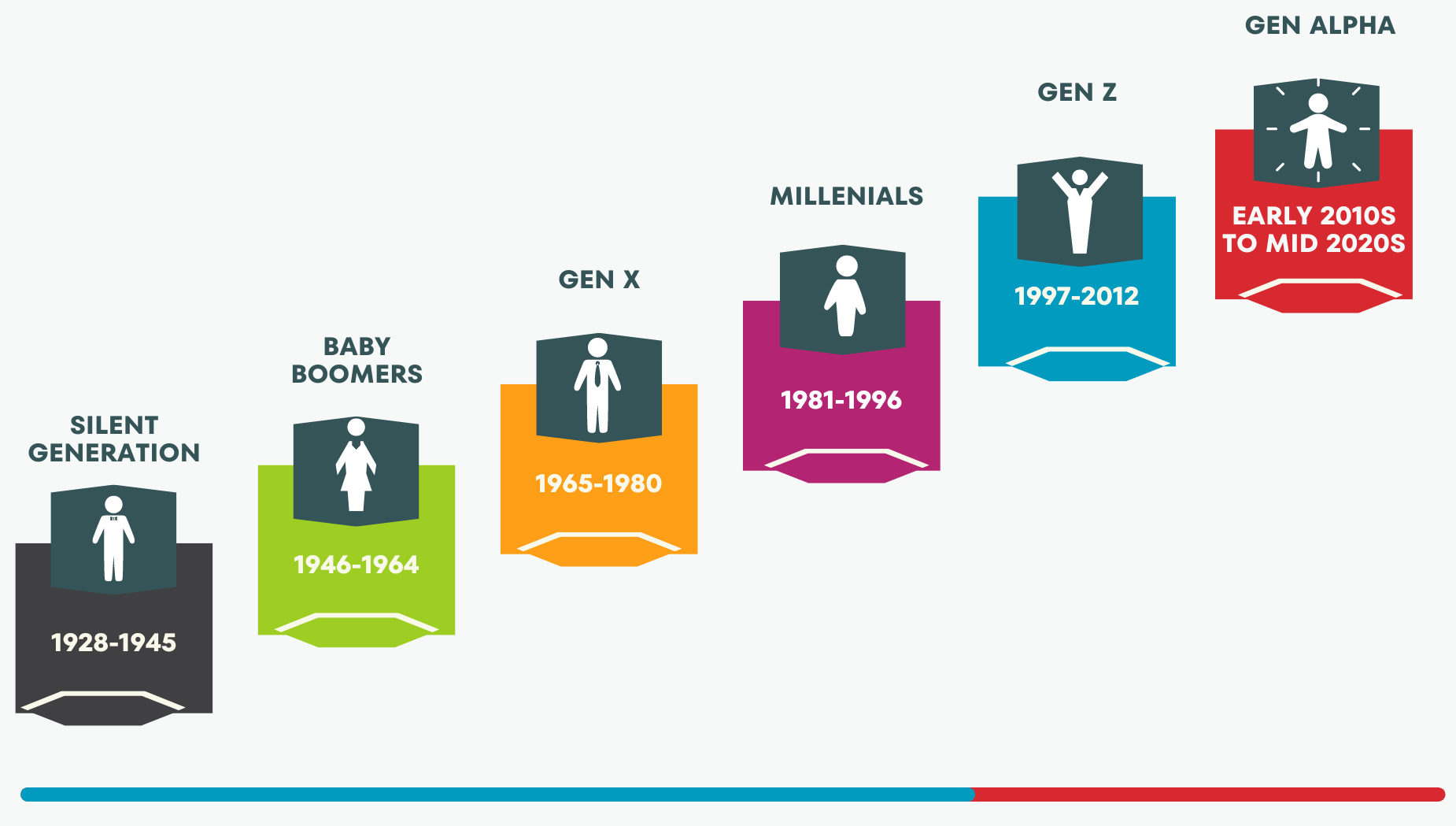
To build a brand that resonates, one must first understand the chronological and sociological boundaries of the audience. The term “Generation Alpha” was coined by social researcher Mark McCrindle to describe the demographic cohort succeeding Gen Z. This group begins with those born in 2010—the same year the iPad was launched and Instagram was founded—and extends through the end of 2024.
The Timeline: From 2010 to 2024
By the time the final members of this cohort are born in late 2024, Generation Alpha will number more than two billion globally, making it the largest generation in history. Unlike their predecessors, Gen Alpha members are primarily the children of Millennials. This “Millennial-Alpha” connection is vital for brand strategy, as the values of the parents—sustainability, digital fluency, and social consciousness—are being passed down and amplified in the children.
From a brand perspective, the “years” of Gen Alpha represent a window of unprecedented digital immersion. These individuals have never known a world without ubiquitous high-speed internet, artificial intelligence, or the gig economy. Consequently, their expectations for brand responsiveness and personalization are significantly higher than any previous demographic.
Why the Transition Matters for Brand Longevity
Brands that fail to recognize the end of the Gen Z cycle and the rise of Alpha risk becoming obsolete within the next decade. Generation Alpha is already exerting significant “pester power” over household purchasing decisions, from tech gadgets to travel destinations and grocery choices. Because they are growing up in a period of rapid global change—including a pandemic that reshaped their early education and social interactions—their brand loyalty is not earned through traditional commercials, but through integrated experiences.
The Consumer Psychology of a Digitally Native Generation
Understanding Gen Alpha years requires a deep dive into a psyche that is “AI-native.” While Gen Z was “mobile-first,” Gen Alpha is “AI-integrated.” This shift fundamentally alters how they perceive brands, advertisements, and the concept of ownership.
The Death of Traditional Advertising
For Gen Alpha, the line between content and commerce is non-existent. They do not distinguish between a YouTube tutorial, a video game environment, and a brand advertisement. Traditional “push” marketing—where a brand broadcasts a message to a passive audience—is largely ineffective here. Instead, Gen Alpha consumes information through “pull” dynamics. They seek out content that entertains or solves a problem, and they expect brands to be participants in their digital ecosystems rather than interruptions.
Authentic Engagement and Value-Based Shopping
Even at a young age, Gen Alpha is showing signs of being highly discerning consumers. Influenced by their Millennial parents’ skepticism toward corporate “greenwashing,” Alpha consumers gravitate toward brands that demonstrate a clear purpose. They are hyper-aware of environmental issues and social equity. A brand strategy for the Gen Alpha years must be built on a foundation of radical transparency. If a brand claims to be sustainable, Gen Alpha will use the tools at their disposal to verify that claim in seconds.
Strategic Imperatives for Modern Brands
As Gen Alpha moves toward their teenage years, the frameworks of brand strategy must evolve from static identity to fluid engagement. To capture this market, brands must pivot from being “service providers” to “platform participants.”
Building Community Through Gamification
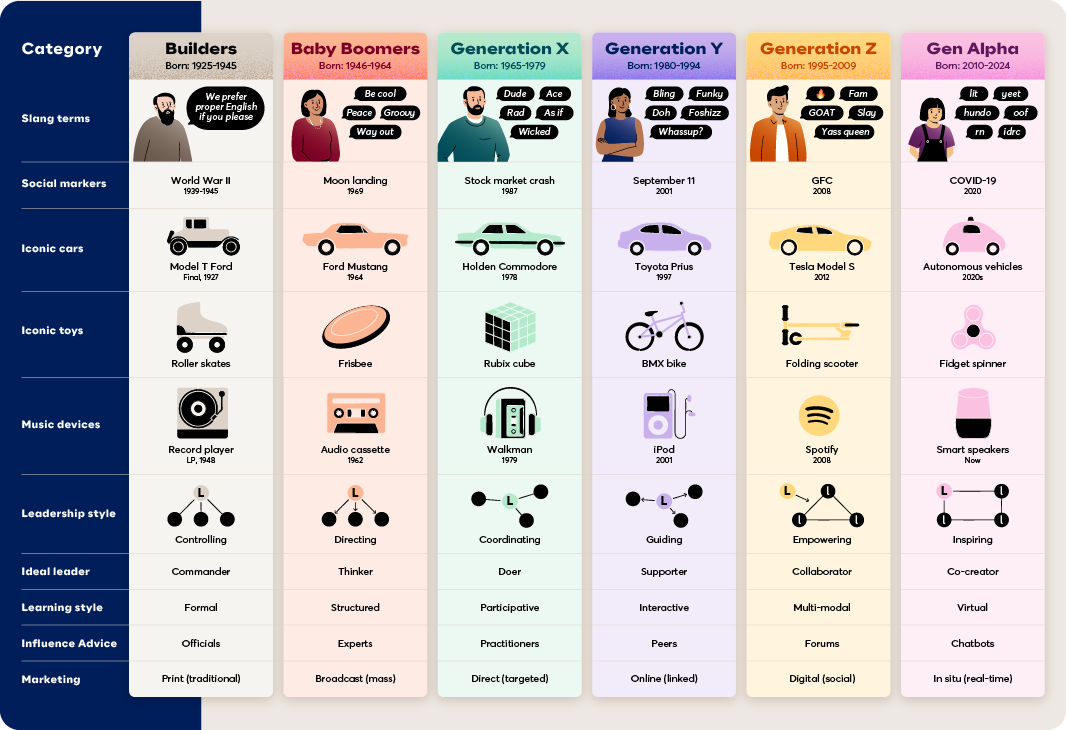
One of the most significant shifts in the Gen Alpha years is the move from social media to “social gaming.” Platforms like Roblox, Minecraft, and Fortnite are the new malls and playgrounds. For a brand, being “on” Roblox is not just about placing a digital billboard; it is about creating an interactive experience.
Successful brand strategy now involves “gamifying” the brand experience. This could mean creating digital wearables (skins) for avatars or developing branded challenges that reward creativity. Brands like Nike and Gucci have already pioneered this, creating digital worlds where Gen Alpha can interact with the brand’s DNA in a low-stakes, highly engaging environment.
The “Glass Box” Brand Strategy: Transparency and Ethics
In the past, brands operated like “black boxes”—the internal culture and supply chains were hidden, and only the polished marketing image was visible. In the Gen Alpha era, brands must operate as “glass boxes.” Every internal decision, from labor practices to carbon footprints, is potentially visible to the public.
For brand strategists, this means that corporate identity is no longer just about logos and color palettes; it is about corporate behavior. Gen Alpha is likely to boycott brands that do not align with their evolving ethical standards. Therefore, a long-term brand strategy must integrate Corporate Social Responsibility (CSR) into the core product offering, rather than treating it as a peripheral marketing tactic.
Navigating the Multi-Platform Influence of Gen Alpha
The way Gen Alpha discovers brands is fundamentally fragmented. They are the first generation to move seamlessly between the physical world, augmented reality (AR), and virtual reality (VR).
The Rise of the Kid-Influencer and Peer-to-Peer Recommendations
While celebrity endorsements still hold some weight, Gen Alpha places more trust in “people like them.” The “unboxing” phenomenon and the rise of child influencers on YouTube and TikTok have created a new tier of brand ambassadors. These influencers provide a sense of authenticity and relatability that professional actors cannot replicate.
However, brand managers must be cautious. Gen Alpha is also highly sensitive to “selling out.” The most effective influencer strategies for this cohort involve long-term partnerships where the influencer has genuine creative input, ensuring the brand message feels organic to their channel’s ecosystem.
Integrating Into the Metaverse and Gaming Ecosystems
As the Metaverse continues to evolve, it will become the primary touchpoint for Gen Alpha. This is where they will socialize, learn, and eventually work. Brands need to consider how their physical products translate into the digital realm. This “phygital” approach—where a physical purchase unlocks a digital benefit, or vice versa—is becoming a standard expectation.
For example, a brand might sell a physical pair of sneakers that comes with a unique code to wear those same sneakers in a virtual world. This creates a dual-value proposition that appeals to Gen Alpha’s lived reality, which spans multiple dimensions simultaneously.

Preparing for the 2030 Consumer
By the year 2030, the oldest members of Generation Alpha will be entering the workforce and gaining significant independent purchasing power. The brand strategies implemented today are the seeds for that future.
To successfully navigate the Gen Alpha years, brands must move away from the “disruption” model of marketing and toward a “contribution” model. This means asking: “How does our brand contribute to the digital or physical world this consumer inhabits?” Whether through providing educational content, enhancing a gaming experience, or taking a stand on global issues, brands must prove their utility.
The Gen Alpha years represent a period of high complexity but also immense opportunity. This generation is creative, connected, and conscious. They are not just passive recipients of brand messages; they are active co-creators of brand meaning. For companies willing to listen, adapt, and operate with integrity, Gen Alpha offers a chance to build the most loyal and engaged consumer base in history. The transition has already begun; the brands that thrive will be those that stop looking at Gen Alpha as “children” and start seeing them as the sophisticated, tech-empowered architects of the future global economy.
aViewFromTheCave is a participant in the Amazon Services LLC Associates Program, an affiliate advertising program designed to provide a means for sites to earn advertising fees by advertising and linking to Amazon.com. Amazon, the Amazon logo, AmazonSupply, and the AmazonSupply logo are trademarks of Amazon.com, Inc. or its affiliates. As an Amazon Associate we earn affiliate commissions from qualifying purchases.