
The automotive market has undergone a radical transformation over the last few years. For over a decade, consumers enjoyed historically low interest rates that made financing a vehicle relatively inexpensive. However, a combination of global inflationary pressures, shifts in monetary policy, and supply chain volatility has fundamentally altered the landscape of personal finance. Today, understanding “what are current car loan interest rates” is not just about looking up a single percentage; it is about understanding a complex ecosystem of credit tiers, economic indicators, and lending institutional nuances.

As of the current fiscal quarter, car loan interest rates have stabilized at their highest levels in more than a decade. For the average consumer, this means that the cost of borrowing has become a primary factor in the total cost of ownership—sometimes even outweighing the importance of the vehicle’s sticker price.
Understanding the Landscape of Current Car Loan Interest Rates
To understand where rates sit today, one must first look at the macroeconomic environment. Car loan rates are not set in a vacuum; they are heavily influenced by the Federal Funds Rate. When the central bank adjusts rates to combat inflation, the cost for banks to borrow money rises, and these costs are invariably passed down to the consumer in the form of higher APRs (Annual Percentage Rates).
The Impact of Federal Reserve Policies on Auto Financing
While the Federal Reserve does not directly set car loan rates, its influence is absolute. Over the past 18 to 24 months, we have seen a series of rate hikes designed to cool an overheating economy. This has pushed the “floor” for auto loans significantly higher. Where a “prime” borrower might have secured a 2.9% APR in 2021, that same borrower is now looking at rates between 6% and 8%. Understanding this macro trend helps consumers realize that a “high” rate today might actually be a competitive rate in the current market context.
New vs. Used Car Rates: The Persistent Gap
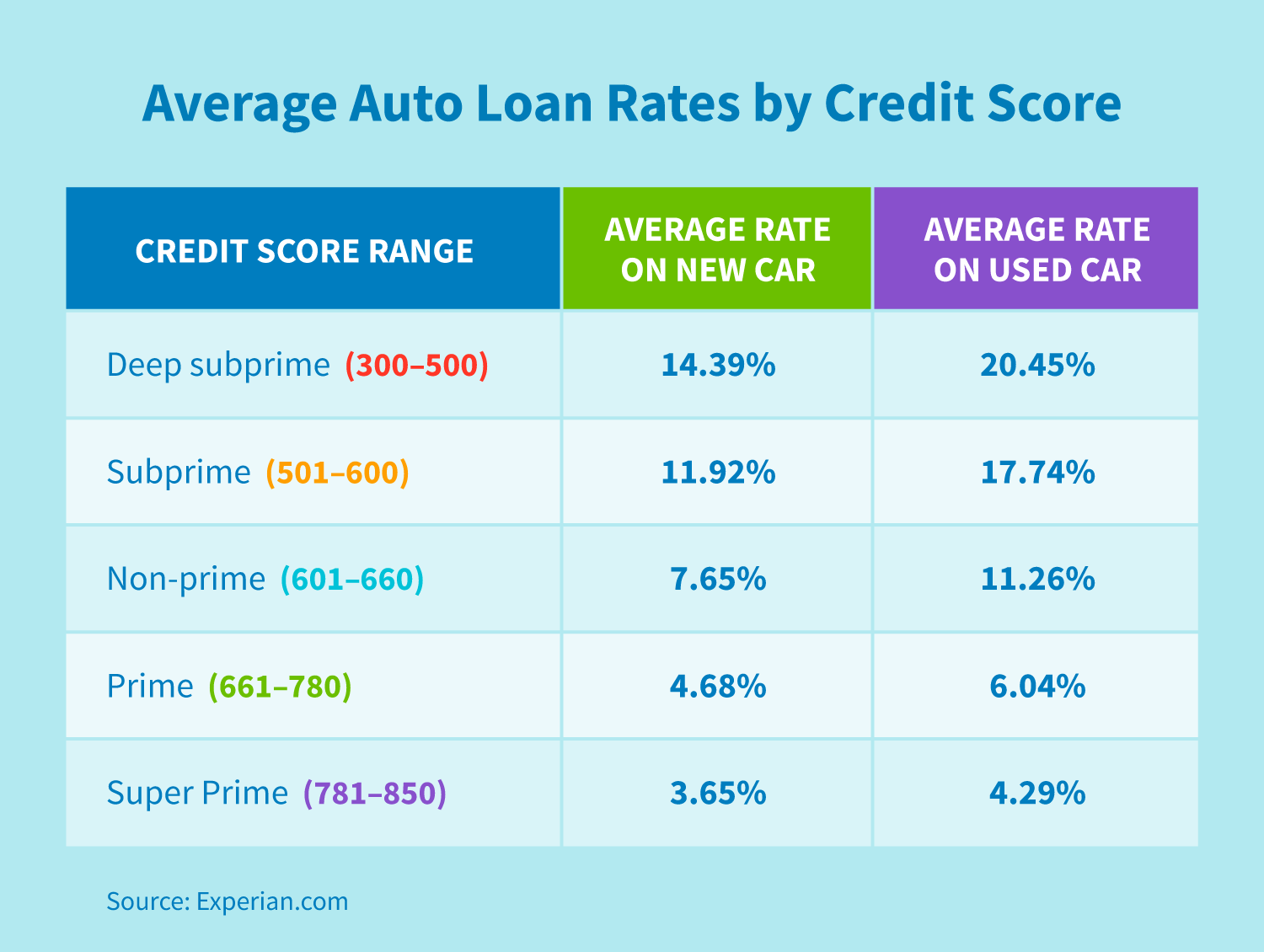
A critical distinction in the current market is the discrepancy between new and used car financing. Generally, new car loans offer lower interest rates. This is because new vehicles have a more predictable resale value, making them lower-risk collateral for the lender. Currently, new car rates often range from 6.5% to 9% for average credit scores. Used car rates, conversely, typically sit 3% to 5% higher, often ranging from 10% to 14% for the same credit profile. Lenders view older vehicles as higher risk due to potential mechanical failures and faster depreciation.
Average Benchmarks Across Credit Tiers
To provide a clear picture of the current market, one must look at the averages based on creditworthiness. For “Super Prime” borrowers (781–850), rates are currently averaging around 5.5% to 6.5% for new cars. “Prime” borrowers (661–780) are seeing rates between 7% and 9%. Once you move into “Non-prime” (601–660) and “Subprime” (501–600) categories, rates can skyrocket into the 11% to 20% range. These benchmarks serve as a vital reality check for anyone entering a dealership today.
Factors Determining Your Individual Interest Rate
While market averages provide a baseline, your specific interest rate is a reflection of your individual financial “risk profile.” Lenders use a variety of metrics to determine how likely you are to repay the loan, and each metric acts as a lever that can move your interest rate up or down.
The Role of Credit Scores and Credit History
The FICO score remains the most dominant factor in auto lending. However, it isn’t just the three-digit number that matters. Lenders look at your “Auto Enhanced” FICO score, which places more weight on your previous history with vehicle-specific loans. A consumer might have a high overall score due to a clean credit card history but could face higher car loan rates if they have never successfully managed a large installment loan before. Maintenance of a low credit utilization ratio and a history of on-time payments are the most effective ways to drive down a quoted interest rate.
Loan Term Length and Its Hidden Costs
In an effort to make monthly payments more affordable as car prices rise, many consumers are opting for longer loan terms, such as 72 or 84 months. While this lowers the immediate monthly burden, it almost always results in a higher interest rate. Lenders charge a premium for longer terms because the risk of “negative equity”—where you owe more than the car is worth—increases significantly over time. Currently, the “sweet spot” for the best interest rates is typically a 48-month or 60-month term. Extending beyond that can add 1% to 2% to your APR.
Down Payments and Loan-to-Value (LTV) Ratios
The amount of “skin in the game” you have matters to a lender. The Loan-to-Value ratio represents the amount you are borrowing compared to the actual value of the vehicle. If you provide a 20% down payment, you lower the LTV, which decreases the lender’s risk. Consequently, many lenders offer tiered pricing where a significant down payment can trigger a lower interest rate bracket. In today’s high-rate environment, a larger down payment doesn’t just lower the principal; it lowers the cost of the money itself.
Strategic Ways to Secure the Lowest Possible Rate
Securing a favorable car loan today requires more than just showing up at a dealership and signing papers. It requires a proactive, multi-channel approach to financing that treats the loan with as much importance as the vehicle selection.
Credit Unions vs. Traditional Banks vs. Dealership Financing
The source of your loan is one of the biggest variables in the rate you receive.
-
Credit Unions: Often offer the lowest rates because they are member-owned, non-profit entities. They frequently beat large national banks by 1% to 2%.
-
Traditional Banks: Useful for those with existing deep relationships, but their “off-the-shelf” rates are often higher than credit unions.
-
Dealership Financing: Dealers act as intermediaries and often add a “markup” to the interest rate provided by the actual lender. However, for those with excellent credit, manufacturer-subsidized “captive” financing (e.g., Ford Credit or Toyota Financial Services) may offer promotional rates (like 0% or 1.9%) that no bank can match.
The Power of Pre-approval and Rate Shopping
The most effective tool a buyer has is the pre-approval letter. By obtaining a pre-approval from a credit union or online lender before visiting the dealership, you set a “ceiling” on your interest rate. If the dealer wants you to use their financing, they must beat your pre-approved rate. Furthermore, the Consumer Financial Protection Bureau (CFPB) notes that multiple inquiries for an auto loan within a 14-to-45-day window are generally treated as a single inquiry for credit score purposes, allowing you to shop around without damaging your credit.
Timing the Market and Refinancing Options
If you are forced to buy a car when rates are high, you are not necessarily “stuck” for the duration of the loan. Financial experts recommend monitoring the market for “Refi” opportunities. If your credit score improves significantly after 12 months, or if the Federal Reserve begins a rate-cutting cycle, you can refinance your auto loan with a different lender. This can lower your rate and save thousands of dollars in interest over the remaining life of the loan.
Navigating the Total Cost of Financing
When discussing interest rates, it is easy to get lost in the percentages and forget the actual dollar impact. A professional approach to car buying involves looking at the “Total Cost of Borrowing” rather than just the monthly payment.
APR vs. Interest Rate: Knowing the Difference
Many consumers use these terms interchangeably, but they are different. The interest rate is the basic cost of borrowing the principal. The APR (Annual Percentage Rate) includes the interest rate plus any additional fees, such as origination fees or documentation charges. Always compare loans based on the APR, as this provides a true “apples-to-apples” comparison of the total cost of the credit.
Avoiding “Predatory” Lending and Add-ons
In a high-interest environment, some lenders and dealerships attempt to mask high rates by focusing the conversation on the monthly payment. They may include high-interest “add-ons” like GAP insurance, extended warranties, or window etching directly into the financed amount. Because these items are financed at your current interest rate, a $2,000 warranty could end up costing $3,500 over the life of the loan. Evaluating these items as separate cash purchases is a more sound financial strategy.

Conclusion: The Path Forward in Auto Finance
Current car loan interest rates are undoubtedly more challenging than they were in the previous decade. However, by understanding the interplay between credit scores, loan terms, and lending institutions, consumers can still navigate this market effectively. The key to financial success in today’s climate is transparency and preparation. By securing pre-approvals, maximizing down payments, and focusing on the APR rather than the monthly payment, you can ensure that your vehicle purchase remains a functional tool for your life rather than a burden on your long-term financial health. As the economy continues to evolve, staying informed on these metrics will be the difference between a high-interest trap and a manageable, strategic investment.
aViewFromTheCave is a participant in the Amazon Services LLC Associates Program, an affiliate advertising program designed to provide a means for sites to earn advertising fees by advertising and linking to Amazon.com. Amazon, the Amazon logo, AmazonSupply, and the AmazonSupply logo are trademarks of Amazon.com, Inc. or its affiliates. As an Amazon Associate we earn affiliate commissions from qualifying purchases.