
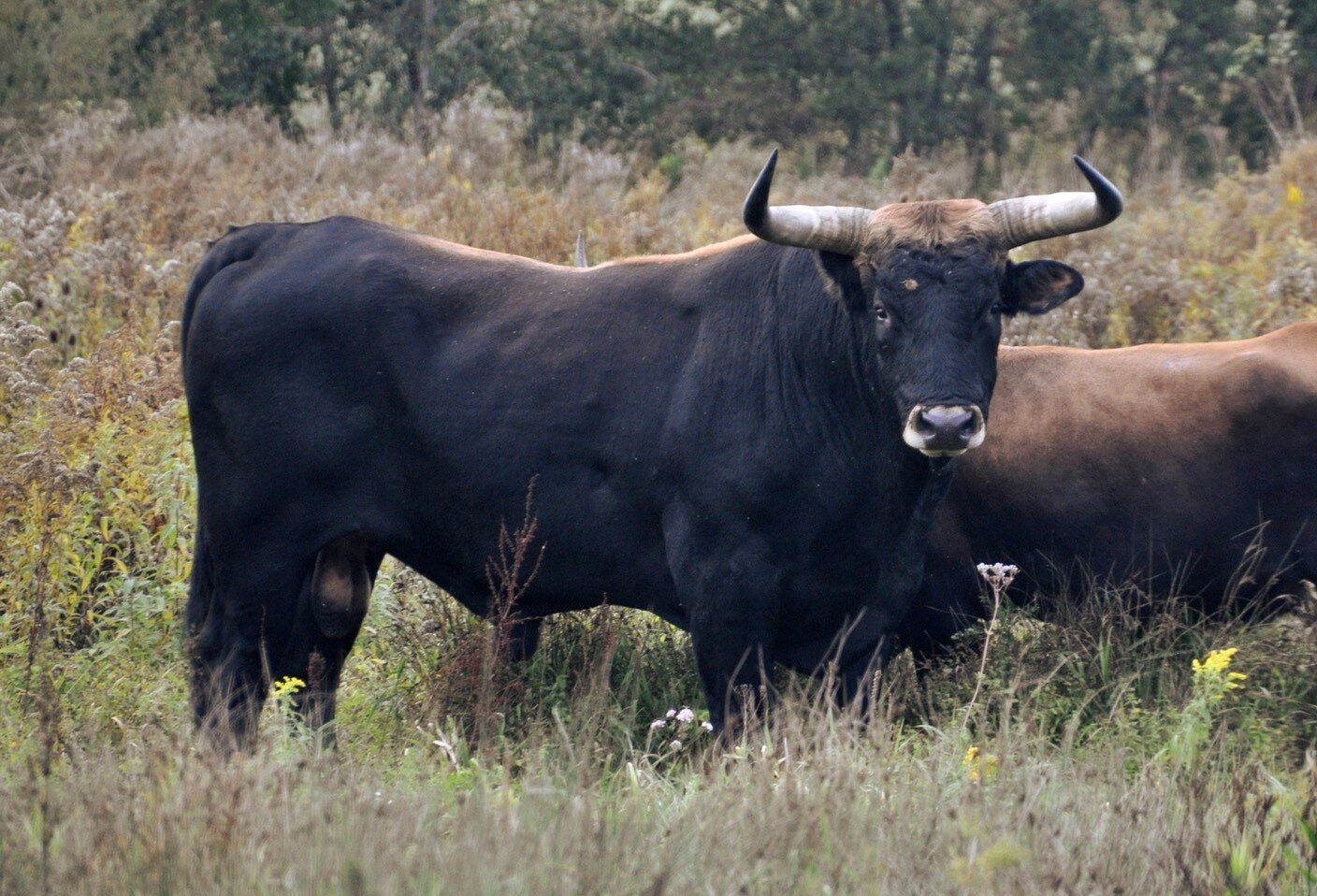
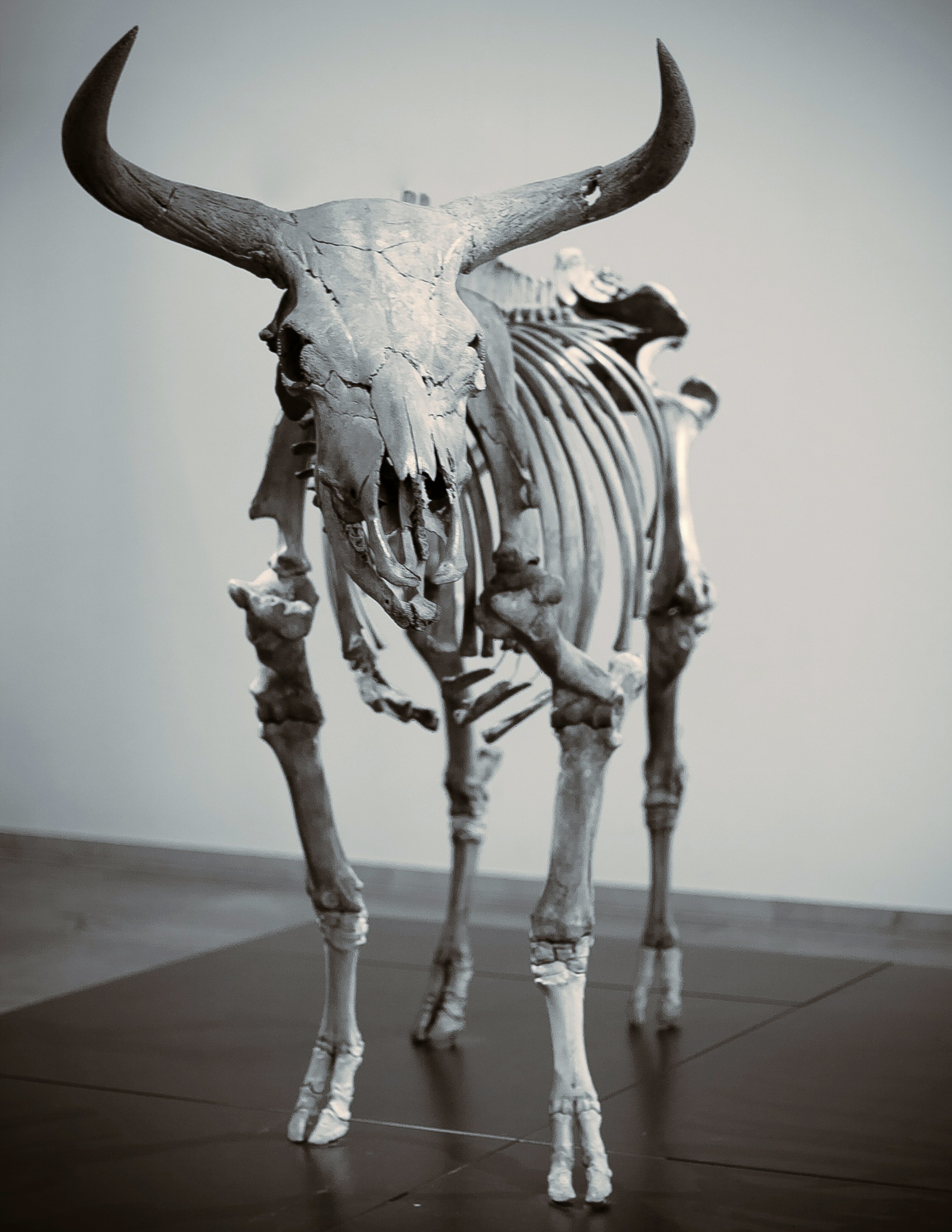
The term “Aurochs” once referred exclusively to the formidable, wild ancestors of modern domestic cattle—beasts that roamed the European wilderness for millennia before their extinction in 1627. However, in the 21st century, the question “What are Aurochs?” has evolved from a paleontological query into a high-stakes discussion about deep tech, synthetic biology, and computational genomics.
Today, the Aurochs represents the ultimate “proof of concept” for de-extinction technology. Through the convergence of CRISPR gene editing, high-throughput sequencing, and advanced AI-driven phenotyping, the Aurochs is being digitally and biologically reconstructed. This article explores the technological ecosystem surrounding the resurrection of this species, examining how modern tech stacks are being used to rewrite the biological history of our planet.
1. The Genetic Blueprint: How AI and Big Data are Resurrecting the Past
The first step in understanding the modern Aurochs is understanding the data behind it. Unlike modern software development, where source code is written from scratch, de-extinction tech requires “reverse engineering” an extinct genome. This is a massive data science challenge that relies heavily on the latest advancements in bioinformatics.
Decoding Ancient DNA (aDNA) with High-Throughput Sequencing
The process begins with the extraction of ancient DNA from bone fragments and teeth of Aurochs specimens found in archaeological sites. This DNA is often degraded, fragmented, and contaminated with microbial sequences. To solve this, researchers utilize Next-Generation Sequencing (NGS) platforms, such as those developed by Illumina or Pacific Biosciences. These tools allow for the massive parallel sequencing of millions of DNA fragments. The “tech” here lies in the library preparation and the specialized algorithms used to filter out noise, ensuring that the resulting digital sequence is as close to the original “source code” as possible.
Machine Learning in Genomic Assembly
Once the DNA is sequenced, the fragments must be pieced together—a task often compared to a billion-piece jigsaw puzzle where many pieces are missing. This is where Machine Learning (ML) becomes indispensable. Advanced algorithms, such as those used in “De Novo Assembly,” compare the fragmented Aurochs data against a reference genome (usually a modern cow like the Heck cattle or the Highland steer).
Neural networks are trained to predict where gaps in the genetic sequence should be filled. By analyzing patterns in the bovine genome, AI can determine which genetic markers are responsible for the Aurochs’ distinct traits—such as their massive size, specific horn curvature, and aggressive temperament—allowing scientists to create a high-fidelity digital map of the extinct species.
2. CRISPR and Beyond: The Tools of Molecular Engineering
Once the digital blueprint of the Aurochs is finalized, the focus shifts from software to hardware—or rather, “wetware.” The goal is no longer just to understand the Aurochs but to manufacture its genetic traits in living organisms.
Precise Gene Editing and “Back-Breeding” Tech
The primary tool in this phase is CRISPR-Cas9, the revolutionary gene-editing technology that allows for surgical precision in altering DNA. In the “Tauros Project” and similar initiatives, scientists use CRISPR to identify specific sequences in modern cattle that differ from the ancient Aurochs data. By editing these sequences, they can “program” modern embryos to express the phenotypic traits of their ancestors.
This is not just traditional breeding; it is a tech-driven optimization process. Software platforms now allow geneticists to simulate the results of specific gene edits before they are ever performed in a lab. These simulations predict how changing a single nucleotide might affect the animal’s muscle density, hide color, or even its ability to digest specific types of wild vegetation.
Bio-foundries and Synthetic Biology
The scale of this task has led to the rise of “bio-foundries”—automated laboratories where robots handle the repetitive tasks of cell culture and genetic testing. These facilities use liquid-handling robots and high-speed imaging to monitor the development of edited cells. By integrating IoT sensors into the incubation process, researchers can gather real-time data on the viability of these “proto-Aurochs” cells. This high-tech infrastructure reduces human error and accelerates the timeline of bringing a species back from the digital graveyard into the physical world.

3. The Digital Ecology: Managing the Data of Reintroduced Species
A resurrected Aurochs is not merely a biological curiosity; it is a functional component of an ecosystem. As these animals are reintroduced into “rewilding” zones across Europe, they are integrated into a sophisticated technological monitoring network.
IoT Monitoring and Bio-Telemetry
To ensure the success of the de-extinction project, each animal is equipped with a suite of IoT (Internet of Things) devices. GPS collars provide real-time location tracking, while internal biometric sensors monitor heart rate, body temperature, and digestive health. This data is transmitted via LoRaWAN (Long Range Wide Area Network) or satellite links to central servers.
For the tech teams managing these projects, the Aurochs becomes a mobile data point. By analyzing the movement patterns of these animals, data scientists can determine how the reintroduction of a large herbivore affects local biodiversity. This “precision conservation” allows for rapid intervention if the animal’s health fluctuates or if they stray outside of designated zones.
Predictive Ecosystem Modeling
The impact of the Aurochs on the environment is also managed through Digital Twins. A Digital Twin is a virtual replica of a physical ecosystem. By feeding real-time data from the field into these models, scientists can run simulations on how a herd of Aurochs will influence carbon sequestration, plant growth, and the populations of other species over the next 50 years. This predictive capability is essential for securing regulatory approval and public trust, proving that “de-extinction” is a controlled, tech-managed process rather than a chaotic experiment.
4. Ethical Frameworks and the Tech-Driven Conservation Frontier
The existence of the modern Aurochs raises profound questions that the tech industry is uniquely positioned to address. When we use AI and CRISPR to recreate a species, we are moving beyond conservation and into the realm of biological engineering.
The Responsibility of “Open Source” Biology
One of the major discussions in the biotech community is the “Open Source” nature of these genetic blueprints. Should the reconstructed Aurochs genome be proprietary software owned by the biotech firm that created it, or should it be a public utility? As we develop the capability to “code” life, the tech industry must establish ethical protocols for data sharing and intellectual property. High-tech registries, potentially using blockchain technology, are being proposed to track the lineage and genetic modifications of de-extinct species, ensuring transparency and accountability.
Future Implications for Biodiversity Tech
The Aurochs is just the beginning. The technology stack developed for this project—from the AI that assembles ancient genomes to the IoT networks that monitor the herds—is highly scalable. The same pipeline is already being adapted for the Woolly Mammoth and the Passenger Pigeon.
We are entering an era where “extinction” may no longer be a permanent state, but rather a data-loss event that can be recovered through advanced backups and biological reconstruction. The tech behind the Aurochs represents a shift in our relationship with nature; we are moving from being passive observers of the natural world to active developers of its biological diversity.
Conclusion: The Aurochs as a Tech Icon
So, what are Aurochs? In the modern context, they are the first successful “v1.0” of a new era of biotechnology. They are a fusion of ancient biological heritage and cutting-edge digital innovation. The project to bring back the Aurochs serves as a masterclass in how AI, CRISPR, and big data can be leveraged to solve one of the most complex challenges in history: the restoration of lost life.
As we continue to refine the tools of genomic engineering and ecological monitoring, the Aurochs stands as a testament to human ingenuity. It proves that the boundary between “tech” and “nature” is increasingly porous. In the coming decades, the lessons learned from the Aurochs project will likely define the future of the biotech industry, transforming how we view conservation, genetics, and the very definition of life in the digital age.
aViewFromTheCave is a participant in the Amazon Services LLC Associates Program, an affiliate advertising program designed to provide a means for sites to earn advertising fees by advertising and linking to Amazon.com. Amazon, the Amazon logo, AmazonSupply, and the AmazonSupply logo are trademarks of Amazon.com, Inc. or its affiliates. As an Amazon Associate we earn affiliate commissions from qualifying purchases.