
Navigating the legal landscape is often as much a financial challenge as it is a procedural one. Whether you are an entrepreneur launching a startup, a homeowner dealing with a property dispute, or an individual seeking personal justice, the question of “what are attorney fees” is central to your financial strategy. Understanding how legal professionals charge for their services is not just about knowing the price tag; it is about managing cash flow, assessing risk, and ensuring that the pursuit of a legal outcome does not result in financial ruin.
In the world of finance, legal expenses are classified as necessary overhead or transactional costs. However, unlike a standard subscription service or a retail product, the cost of legal counsel can be fluid, complex, and highly dependent on the nature of the case. This guide explores the various structures of attorney fees through a financial lens, providing you with the insights needed to budget effectively for legal representation.
The Financial Architecture of Legal Billing
Attorney fees represent the compensation paid to a lawyer or law firm for legal services performed on behalf of a client. From a business finance perspective, these fees are structured to reflect the complexity of the task, the level of expertise required, and the degree of risk assumed by the attorney. There is no one-size-fits-all model, and the structure chosen can significantly impact your bottom line.
Hourly Rates and the Billable Hour
The most traditional form of legal billing is the hourly rate. Under this model, the client is charged for every increment of time—often in blocks of six or ten minutes—that an attorney spends working on the file. This includes research, drafting documents, phone calls, and court appearances.
From a financial planning standpoint, hourly billing is the most difficult to predict. Costs can escalate quickly if a case becomes contentious or if the discovery phase of litigation unearths unexpected complexities. High-stakes corporate attorneys in major financial hubs may charge upwards of $1,000 per hour, while solo practitioners in smaller markets may charge significantly less. When engaging an attorney on an hourly basis, it is crucial to request a budget estimate to avoid “sticker shock” when the monthly invoice arrives.
Retainer Agreements as Financial Security
A retainer is essentially an upfront deposit paid by the client into a dedicated trust account. As the attorney performs work and bills hours, they “draw down” from this account to pay themselves. For the client, the retainer represents a liquid reserve dedicated to legal expenses.
In many jurisdictions, these funds must remain the property of the client until the work is actually performed. If the case concludes and there is money left in the retainer account, that balance should be returned to the client. Retainers serve as a form of financial security for the law firm, ensuring that funds are available to cover the costs of ongoing representation.
Flat Fees for Predictable Budgeting
For routine legal tasks—such as drafting a simple will, filing a basic trademark, or forming an LLC—many firms offer flat-fee arrangements. This model is highly favored by small business owners and individuals because it provides absolute price certainty. You pay a predetermined amount for a specific deliverable, regardless of how many hours the attorney actually spends on the task. This allows for precise budgeting and eliminates the anxiety associated with the ticking clock of hourly billing.
Strategic Fee Structures: Contingency and Shared Risk
In certain types of legal matters, particularly personal injury or employment law, the financial barrier to entry can be high. If a client has been wronged but lacks the liquid capital to pay an hourly rate, a contingency fee structure provides an alternative path to justice.
How Contingency Fees Work
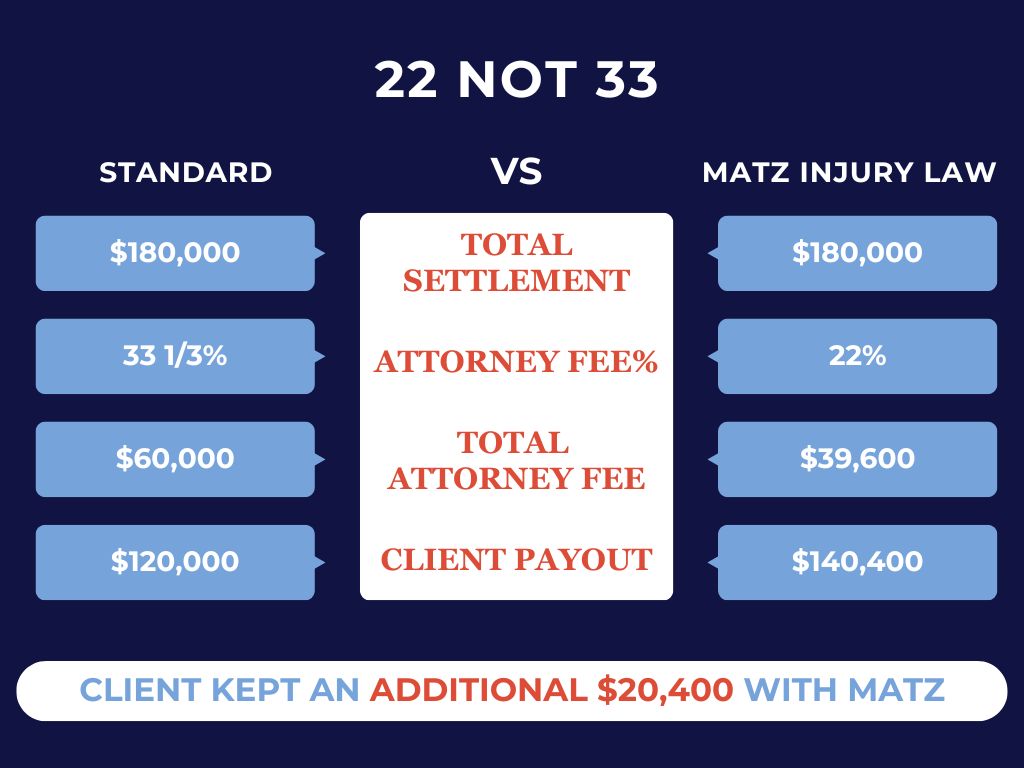
A contingency fee is a “no-win, no-fee” arrangement. The attorney agrees to represent the client in exchange for a percentage of the final settlement or court award—typically ranging from 33% to 40%. This model shifts the financial risk from the client to the law firm. If the case is lost, the client owes the attorney nothing in fees (though they may still be responsible for administrative costs).
From an investment perspective, the attorney is essentially investing their time and labor into the case as a form of equity. This aligns the interests of the attorney and the client; both parties are incentivized to maximize the financial recovery. However, clients should be aware that if a case settles quickly for a large sum, the effective hourly rate of the attorney could be exceptionally high.
Statutory and Court-Awarded Fees
In specific legal scenarios, such as civil rights litigation or certain consumer protection cases, the law may allow for “statutory fees.” This means that if the plaintiff wins, the losing party is ordered by the court to pay the winner’s attorney fees. This mechanism is designed to encourage attorneys to take on cases that serve the public interest, even if the individual client cannot afford to pay. For the client, this can significantly reduce the net cost of litigation, though it is never a guarantee until the judge signs the order.
Hidden Costs: Looking Beyond the Professional Fee
When budgeting for legal matters, it is a common mistake to assume that the “attorney fee” is the total cost. In reality, legal representation involves a variety of disbursements and “out-of-pocket” expenses that can add 10% to 50% to the total bill.
Court Costs and Filing Fees
Every time a document is filed with the court, or a new lawsuit is initiated, the government charges a fee. These can range from a few hundred to several thousand dollars depending on the jurisdiction and the nature of the filing. Furthermore, “service of process”—the act of legally notifying the opposing party of a lawsuit—incurs costs for professional process servers or investigators.
Expert Witnesses and Investigation
In complex financial or medical cases, an attorney’s testimony isn’t enough; you need experts. Whether it is a forensic accountant to trace hidden assets or a medical professional to testify about an injury, these experts charge their own fees, which are often comparable to or higher than the attorney’s hourly rate. For a business involved in a patent dispute or a high-value merger, the cost of expert consultants is a major line item that must be accounted for in the litigation budget.
Administrative and Technology Expenses
Many firms pass on the costs of overhead to the client. This includes charges for long-distance travel, extensive photocopying, specialized legal research software (like Westlaw or LexisNexis), and even postage. While these may seem like minor expenses, in a multi-year litigation battle, they can accumulate into a significant financial burden. Always ask for an itemized list of what expenses are billed versus what is included in the base fee.
Optimizing Legal Spend: Negotiation and Efficiency
Just as you would negotiate a contract with a vendor or a salary with an employee, attorney fees are often negotiable. Sophisticated clients treat legal services as a procurement category, looking for the best “value” rather than simply the lowest price.
Negotiating the Fee Agreement
Before signing a representation agreement (often called a “Letter of Engagement”), review the fee structure thoroughly. You can often negotiate the hourly rate, cap the total amount of fees for a specific phase of the case, or request a hybrid arrangement (e.g., a lower hourly rate combined with a small success fee). For businesses, asking for a “volume discount” if you provide the firm with multiple cases can lead to significant savings.
The Rise of Alternative Fee Arrangements (AFAs)
As the legal market becomes more competitive, many firms are moving away from the billable hour in favor of Alternative Fee Arrangements. These might include “Value-Based Billing,” where the fee is determined by the importance of the outcome to the client rather than the hours worked. Another model is “Stage-Based Billing,” where the client pays a fixed amount for each phase of a case (e.g., $10,000 for the discovery phase, $20,000 for the trial phase). AFAs provide better financial transparency and allow for more accurate corporate financial forecasting.
Auditing and Reviewing Legal Bills
To maintain financial discipline, it is essential to review every legal invoice with scrutiny. Look for “block billing,” where multiple tasks are lumped into a single time entry, making it impossible to see how much time was spent on each. Ensure you aren’t being billed for “administrative tasks” (like filing or scheduling) at an attorney’s high hourly rate; these should typically be handled by paralegals or included in overhead.

Conclusion: The ROI of Legal Representation
In the realm of personal and business finance, attorney fees should be viewed through the lens of Return on Investment (ROI). While the cost of a skilled attorney may seem high, the cost of a poorly drafted contract, a lost lawsuit, or a failed regulatory filing is almost always higher.
By understanding the different fee structures—from hourly rates and retainers to contingency and flat fees—you can make informed decisions that protect your assets and support your long-term financial health. Effective management of legal costs requires proactive communication, a clear understanding of the “extras” involved in litigation, and a willingness to negotiate for a fee structure that aligns with your specific financial goals. Ultimately, clarity on attorney fees allows you to focus on the legal outcome without the distraction of financial uncertainty.
aViewFromTheCave is a participant in the Amazon Services LLC Associates Program, an affiliate advertising program designed to provide a means for sites to earn advertising fees by advertising and linking to Amazon.com. Amazon, the Amazon logo, AmazonSupply, and the AmazonSupply logo are trademarks of Amazon.com, Inc. or its affiliates. As an Amazon Associate we earn affiliate commissions from qualifying purchases.