
The concept of a “Bill of Rights” has historically served as a foundational shield, protecting individuals from the overreach of powerful institutions. In the 18th century, the focus was on limiting the power of the state. However, as we navigate the complexities of the 21st century, the theater of power has shifted from physical town squares to digital ecosystems. Today, the purpose of a Bill of Rights is being reimagined within the technology sector. It is no longer just about preventing government tyranny; it is about establishing a framework of digital sovereignty, data ethics, and algorithmic transparency.
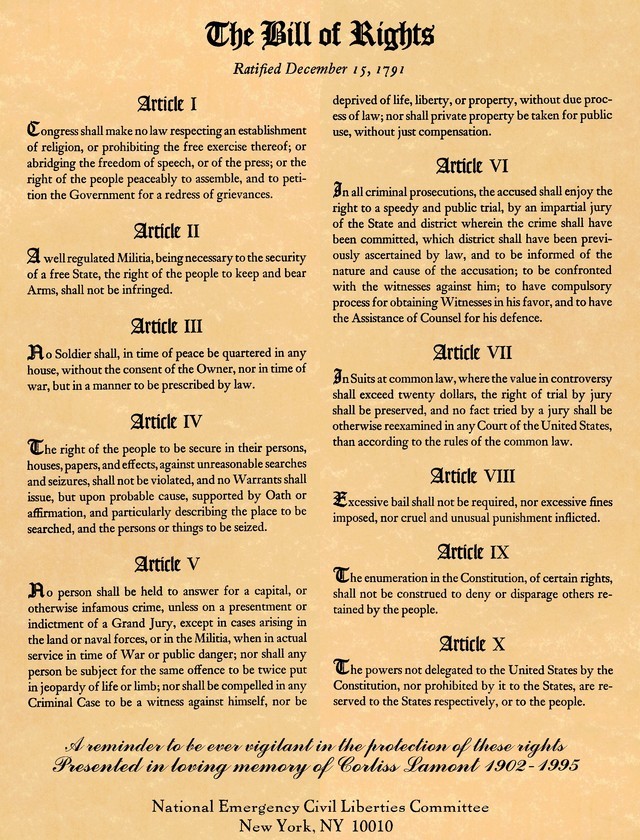
In this digital-first world, “code is law.” The software we use, the algorithms that curate our information, and the platforms where we conduct our lives exert immense influence over our choices and freedoms. Consequently, the modern purpose of a digital Bill of Rights is to ensure that technology serves humanity, rather than the other way around. This article explores why this charter is essential for the tech landscape and how it is being defined in the era of Artificial Intelligence and big data.
Defining the Digital Bill of Rights: Why Modern Tech Needs a Charter
The rapid evolution of technology has outpaced traditional legal frameworks, creating a vacuum where user rights are often secondary to corporate profit or state surveillance. The purpose of a Bill of Rights in this context is to re-establish the human being as the primary stakeholder in the technological ecosystem.
From Individual Liberty to Data Sovereignty
In the physical world, liberty is the ability to move and speak freely. In the tech world, liberty translates to data sovereignty. This is the principle that individuals should have ownership and control over the data they generate. A digital Bill of Rights establishes that your digital footprint—your location history, your browsing habits, and your biometric data—is an extension of your personhood. The purpose here is to shift the power dynamic back to the user, ensuring that data is not harvested without informed, granular consent.
The Shift from Hardware to Human-Centric Software
For decades, the tech industry focused on “what” we could build—faster processors, thinner laptops, and more expansive networks. We are now in a phase where the focus must shift to “how” that tech affects the human experience. A tech-focused Bill of Rights serves as a design philosophy for developers. It mandates that software must be inclusive, accessible, and respectful of cognitive boundaries. By embedding rights into the software development lifecycle, we ensure that digital tools enhance human capability without infringing on psychological well-being.
Safeguarding Privacy in an Era of Persistent Surveillance
The most cited purpose for a modern Bill of Rights is the protection of privacy. In an era where “always-on” devices and IoT sensors permeate our homes and workplaces, the traditional definition of a private sphere has collapsed. A digital Bill of Rights seeks to rebuild these walls using technological and legal safeguards.
Deciphering the Right to Encryption
Encryption is often called the “mathematical backbone” of digital rights. The purpose of advocating for strong, end-to-end encryption in a tech charter is to guarantee that private communications remain private. Without this right, the digital world becomes a panopticon where every message is subject to interception. A robust Bill of Rights asserts that the right to use cryptographic tools is fundamental to maintaining a free and open society, preventing both corporate data mining and unauthorized state intrusion.
Protecting Personal Identifiable Information (PII)
In the modern tech economy, PII is the new oil. However, the unchecked extraction of this resource leads to massive security vulnerabilities and identity theft. The purpose of a Bill of Rights here is to mandate “privacy by design.” This means tech companies must limit data collection to the minimum necessary for a service to function (data minimization). Furthermore, it grants users the “right to be forgotten,” allowing them to demand the permanent deletion of their data. These rights serve as a check against the indefinite storage and potential weaponization of personal information.
AI and Algorithmic Accountability: The New Frontier
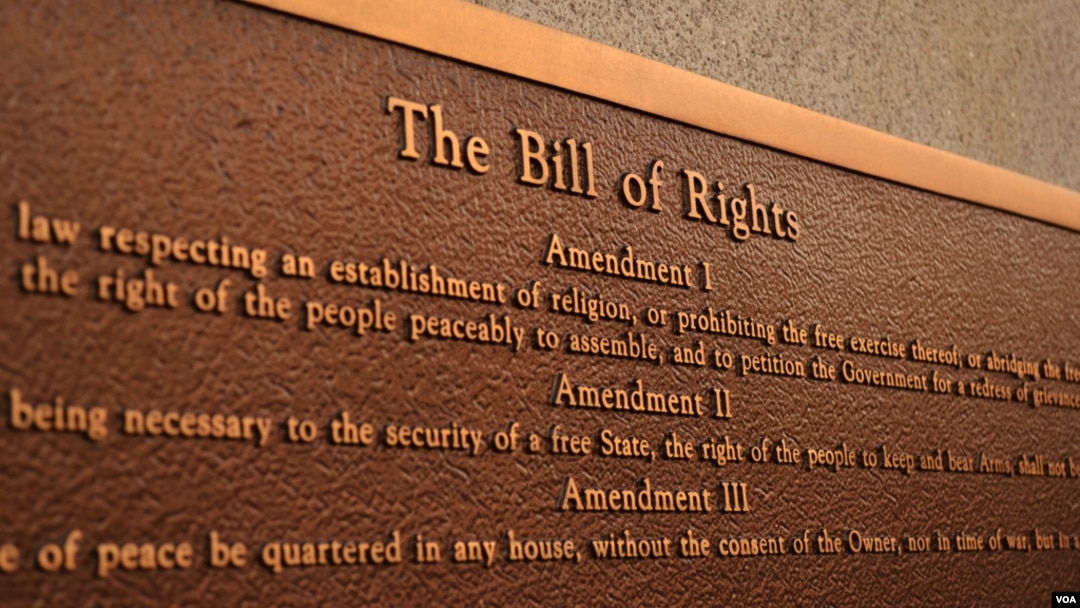
As Artificial Intelligence (AI) becomes integrated into everything from hiring processes to judicial sentencing, the need for an “AI Bill of Rights” has become urgent. The purpose of such a document is to ensure that automated systems are fair, transparent, and accountable.
Ensuring Transparency in Automated Decision-Making
One of the greatest dangers of modern tech is the “black box” algorithm—systems that make life-altering decisions without explaining how or why. A digital Bill of Rights asserts the “right to an explanation.” If an AI denies a user a loan or filters their resume, the user has a right to understand the logic behind that decision. Transparency is not just a technical requirement; it is a fundamental right that prevents the dehumanization of users by cold, unfeeling code.
Mitigating Bias in Machine Learning Models
Technology is not neutral; it reflects the biases of its creators and the data it is trained on. The purpose of a tech Bill of Rights is to enforce algorithmic fairness. This requires developers to rigorously audit their models for racial, gender, or socioeconomic bias. By codifying the right to non-discriminatory technology, we ensure that AI does not perpetuate historical injustices under the guise of “objective” data. This proactive stance is essential for maintaining social equity in an automated world.
Digital Inclusion and the Right to Connectivity
In the 21st century, access to the internet is no longer a luxury; it is a prerequisite for participating in the economy, education, and democracy. Therefore, a modern Bill of Rights must address the infrastructure of connectivity itself.
Bridging the Global Digital Divide
The purpose of a digital Bill of Rights includes the right to access. If rights only apply to those who can afford high-speed fiber or the latest gadgets, they are not universal rights—they are privileges. A tech charter advocates for policies and technologies that bridge the digital divide, ensuring that marginalized communities are not left behind in the digital transformation. This involves supporting community networks, satellite internet initiatives, and affordable hardware.
Net Neutrality as a Fundamental Utility
For a Bill of Rights to be effective, the “pipes” of the internet must remain neutral. Net neutrality is the principle that internet service providers (ISPs) must treat all data on the internet the same, without discriminating or charging differently by user, content, or platform. The purpose of enshrining net neutrality in a digital Bill of Rights is to protect the open internet from being carved into “fast lanes” for the wealthy and “slow lanes” for everyone else. This ensures that a startup’s innovative software has the same chance to reach users as a giant corporation’s platform.
Implementing the Tech Bill of Rights: Challenges and Future Outlook
While the purpose of a digital Bill of Rights is clear—to protect and empower the user—implementing it remains a significant challenge. The decentralized nature of the internet and the global reach of tech companies make enforcement complex.
Regulatory Frameworks vs. Self-Governance
There is an ongoing debate about whether these rights should be enforced through government regulation (like the EU’s GDPR or the White House Blueprint for an AI Bill of Rights) or through corporate self-governance. While regulation provides legal teeth, it often moves too slowly for the tech sector. On the other hand, self-governance is often criticized as “ethics washing.” The most effective implementation likely involves a hybrid approach: clear legal baselines supplemented by industry-led ethical standards and open-source transparency.

The Role of Decentralized Technologies
Interestingly, technology itself may provide the solution to enforcing a Bill of Rights. Decentralized technologies, such as blockchain and federated social networks (like Mastodon), aim to bake these rights into the architecture of the web. In a decentralized system, there is no central authority to censor speech or monetize data without permission. The purpose of these “Web3” technologies is to create a self-enforcing Bill of Rights, where the code itself prevents the violations that a written document can only decry.
In conclusion, the purpose of a Bill of Rights in the technology sector is to safeguard the human spirit in a digital environment. It serves as a compass for developers, a shield for users, and a mandate for regulators. As we integrate technology more deeply into our lives, our bodies, and our societies, these rights will be the difference between a future of digital empowerment and one of technological subjugation. The conversation surrounding the digital Bill of Rights is not just about “tech”—it is about the enduring values of privacy, fairness, and freedom in a brand-new world.
aViewFromTheCave is a participant in the Amazon Services LLC Associates Program, an affiliate advertising program designed to provide a means for sites to earn advertising fees by advertising and linking to Amazon.com. Amazon, the Amazon logo, AmazonSupply, and the AmazonSupply logo are trademarks of Amazon.com, Inc. or its affiliates. As an Amazon Associate we earn affiliate commissions from qualifying purchases.