
In the annals of history, few eras offer as much data for the modern brand strategist as the Hellenistic Period. Stretching from the death of Alexander the Great in 323 BCE to the emergence of the Roman Empire in 31 BCE, this era was defined by an unprecedented expansion of Greek culture across the Mediterranean and Near East. However, viewed through a modern lens, the Hellenistic Period was not merely a series of military conquests; it was the world’s first successful experiment in global brand scaling.
For the modern marketer or corporate strategist, the Hellenistic Period represents a fundamental shift from localized, “boutique” operations (the independent Greek city-states) to a massive, multi-continental conglomerate. It was an age where “Hellenism” became a lifestyle brand, exported through meticulous visual identity, standardized communication, and a revolutionary approach to cultural fusion.

1. The Blueprint of Global Expansion: Alexander’s Brand Identity
The Hellenistic Period began with a leadership vacuum that forced a radical re-evaluation of brand identity. Alexander the Great didn’t just conquer territories; he established a visual and ideological framework that survived long after his death. This was the “Minimum Viable Product” (MVP) of Western civilization, scaled at a speed that would make a Silicon Valley unicorn envious.
Standardizing the Visual Identity through Coinage
In the ancient world, currency was the primary touchpoint between a ruler and the populace—the equivalent of a mobile app or a social media feed today. The Hellenistic kings understood that for a brand to be global, its “logo” had to be ubiquitous. They standardized the coinage, featuring the idealized image of Alexander or themselves with divine attributes. This wasn’t just money; it was a mobile advertisement. By maintaining a consistent aesthetic—large eyes, flowing hair, and symbols of power—they created a recognizable “Brand UI” that communicated stability and authority from Macedonia to the borders of India.
Localization vs. Standardization: The Syncretism Strategy
A common mistake in modern brand strategy is “over-standardization,” where a global brand fails to resonate with local markets. The Hellenistic rulers avoided this through religious and cultural syncretism. They didn’t replace local gods; they rebranded them. In Egypt, the Greek god Zeus and the Egyptian god Amun became Zeus-Ammon. This is the historical equivalent of “Glocalization”—keeping the core brand values (Greek administrative efficiency) while adapting the packaging (religious iconography) to fit the local consumer’s existing beliefs.
2. Cultural Synthesis as a Market Entry Strategy
When we ask “what was the Hellenistic period,” we are essentially asking how a specific culture achieves market dominance in a crowded field. The answer lies in the strategic synthesis of Greek intellectual property (IP) with Eastern resources. This wasn’t a hostile takeover that erased the competition; it was a strategic merger that created a new, more powerful entity.
Breaking Geographic Barriers: The Silk Road of Branding
The Hellenistic Period saw the expansion of trade routes that acted as the “fiber optic cables” of the ancient world. Brand “Hellenism” traveled along these routes, carrying not just goods but ideas, philosophies, and languages. For a brand to scale, it requires infrastructure. The Hellenistic kings built roads, harbors, and trade hubs that ensured their “product”—Greek law, theater, and science—could be delivered to the furthest reaches of the known world. This focus on logistics is a reminder that even the most beautiful brand strategy will fail without a robust distribution network.
Influence over Authority: Soft Power in Brand Equity
The Hellenistic period was the era of “Soft Power.” While the initial expansion was military, the long-term dominance was cultural. Even after the military might of the Greek kingdoms faded, the “Brand Equity” of Greek thought remained the gold standard. Modern brands like Apple or Nike operate on a similar principle; they don’t force consumers to buy their products through monopoly, but rather through an aspirational identity. The Hellenistic period taught us that if you can win the “mindshare” of a population through art, philosophy, and lifestyle, your brand becomes an indestructible part of the cultural fabric.

3. The Architecture of the Brand Experience
In branding, the environment in which a customer interacts with a product is known as the “Brand Experience.” The Hellenistic Period revolutionized this through urban planning and the creation of “Flagship Cities.” These cities were not just places to live; they were immersive environments designed to reinforce the brand of the ruling dynasty.
Alexandria: The Flagship City as a Brand Hub
Alexandria, Egypt, was the “Apple Park” or “Googleplex” of its day. It was a planned city designed to showcase the pinnacle of Hellenistic achievement. With its massive lighthouse (the Pharos) and its wide, grid-based streets, it offered a user experience (UX) that was lightyears ahead of the cramped, chaotic cities of the past. For a modern corporation, Alexandria serves as a reminder that your physical (or digital) headquarters should be a living embodiment of your brand’s mission statement.
Intellectual Capital as a Competitive Advantage: The Library
The Great Library of Alexandria was the ultimate R&D department. By attempting to collect all the world’s knowledge, the Ptolemaic dynasty wasn’t just being academic; they were cornering the market on intellectual capital. In the Hellenistic period, knowledge was the most valuable commodity. By positioning themselves as the curators of global wisdom, they ensured that every scholar, scientist, and strategist had to “subscribe” to their ecosystem. This is a direct ancestor to modern “Content Marketing”—providing immense value to the community to establish authority and trust.
4. Legacy and Longevity: Managing the Brand after the Founder’s Exit
The most difficult challenge in brand strategy is the “Founder’s Exit.” When Alexander died, he left no clear successor, leading to the division of his empire among his generals (the Diadochi). This period of history provides a fascinating case study in brand fragmentation and the creation of “sub-brands.”
Managing the Brand after the Visionary’s Exit
The Diadochi (Ptolemy, Seleucus, Antigonus) were effectively the senior VPs who took over different divisions of “Alexander Inc.” Each had to decide how much of the original “Alexander Brand” to keep and how much to innovate. The Ptolemies in Egypt focused on the “Legacy” brand, portraying themselves as the true heirs to Alexander’s vision. The Seleucids in Asia focused on “Diversification,” managing a massive, multicultural portfolio. This illustrates a key corporate lesson: when a visionary leader leaves, the remaining leadership must balance the preservation of core brand values with the need for aggressive adaptation to new market realities.
Lessons for Modern Corporate Identity
The Hellenistic Period eventually ended when it was “acquired” by a larger, more disciplined competitor: Rome. However, the acquisition was more of a “merger of equals” in terms of culture. The Romans adopted Greek art, philosophy, and education, leading to the famous quote by the poet Horace: “Captive Greece took captive her savage conqueror.”
For modern brands, the lesson is clear: if your brand identity is strong enough, it can survive even the death of your company. The “Hellenistic” approach to branding—defined by openness, intellectual rigor, and cultural synthesis—became the operating system for the Roman Empire and, eventually, Western civilization.
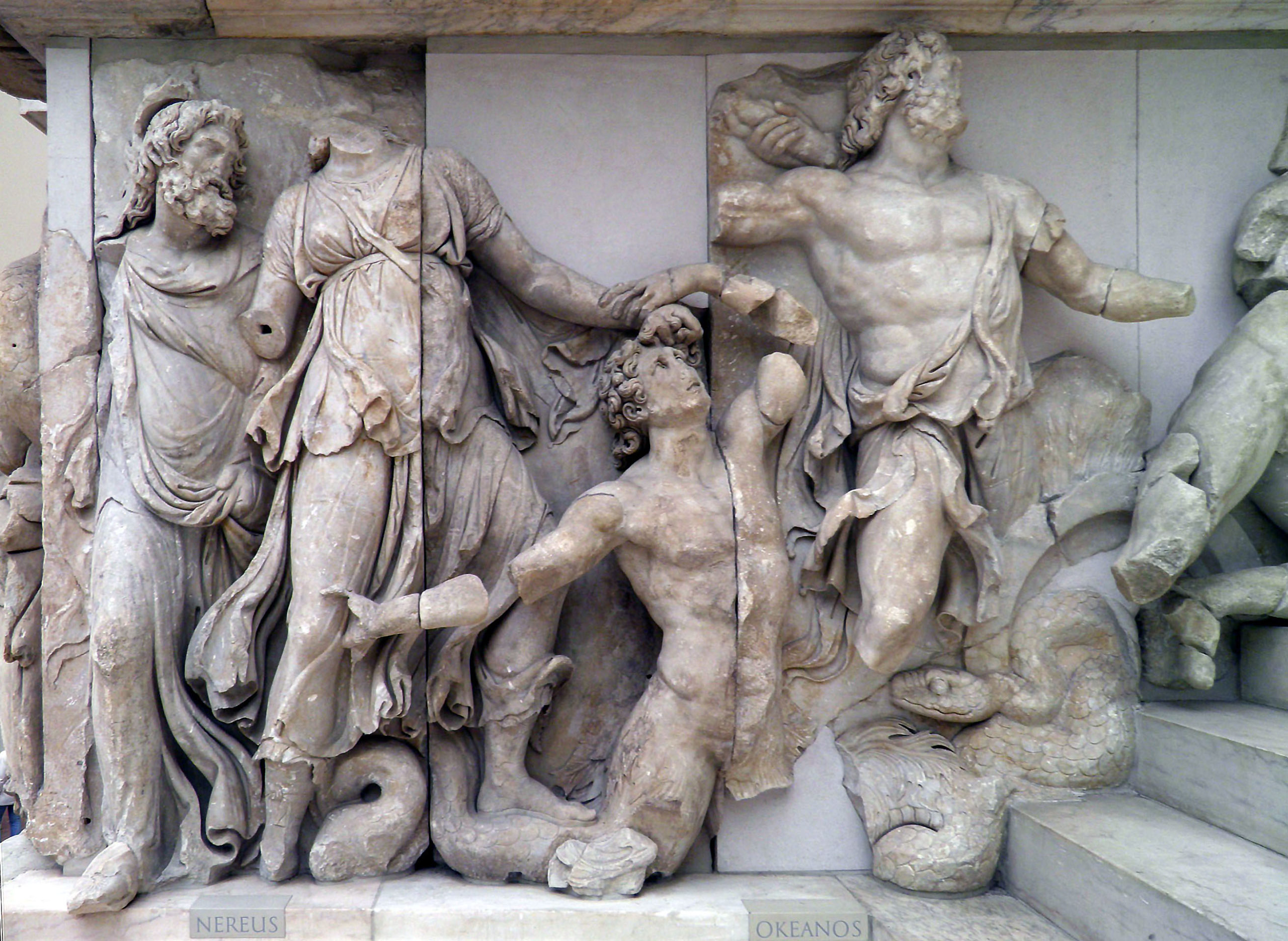
5. Conclusion: Navigating the New Hellenistic Age of Branding
What was the Hellenistic Period? It was the birth of the globalized market. It was an era where borders became porous, and a single cultural “language” allowed for the exchange of ideas and goods across thousands of miles.
In today’s digital economy, we are living through a new Hellenistic Age. The internet has created a “Global Agora” where brands must compete not just on price, but on their ability to integrate into diverse cultures while maintaining a clear, recognizable identity. Whether you are a startup looking to scale or a multinational looking to localize, the Hellenistic period offers the ultimate playbook. It teaches us that true brand power doesn’t come from total control, but from the ability to synthesize, adapt, and provide a superior “lifestyle” that transcends geography. By studying the successes and failures of the Hellenistic kings, modern strategists can learn how to build brands that don’t just last for a fiscal quarter, but for an eternity.
aViewFromTheCave is a participant in the Amazon Services LLC Associates Program, an affiliate advertising program designed to provide a means for sites to earn advertising fees by advertising and linking to Amazon.com. Amazon, the Amazon logo, AmazonSupply, and the AmazonSupply logo are trademarks of Amazon.com, Inc. or its affiliates. As an Amazon Associate we earn affiliate commissions from qualifying purchases.