
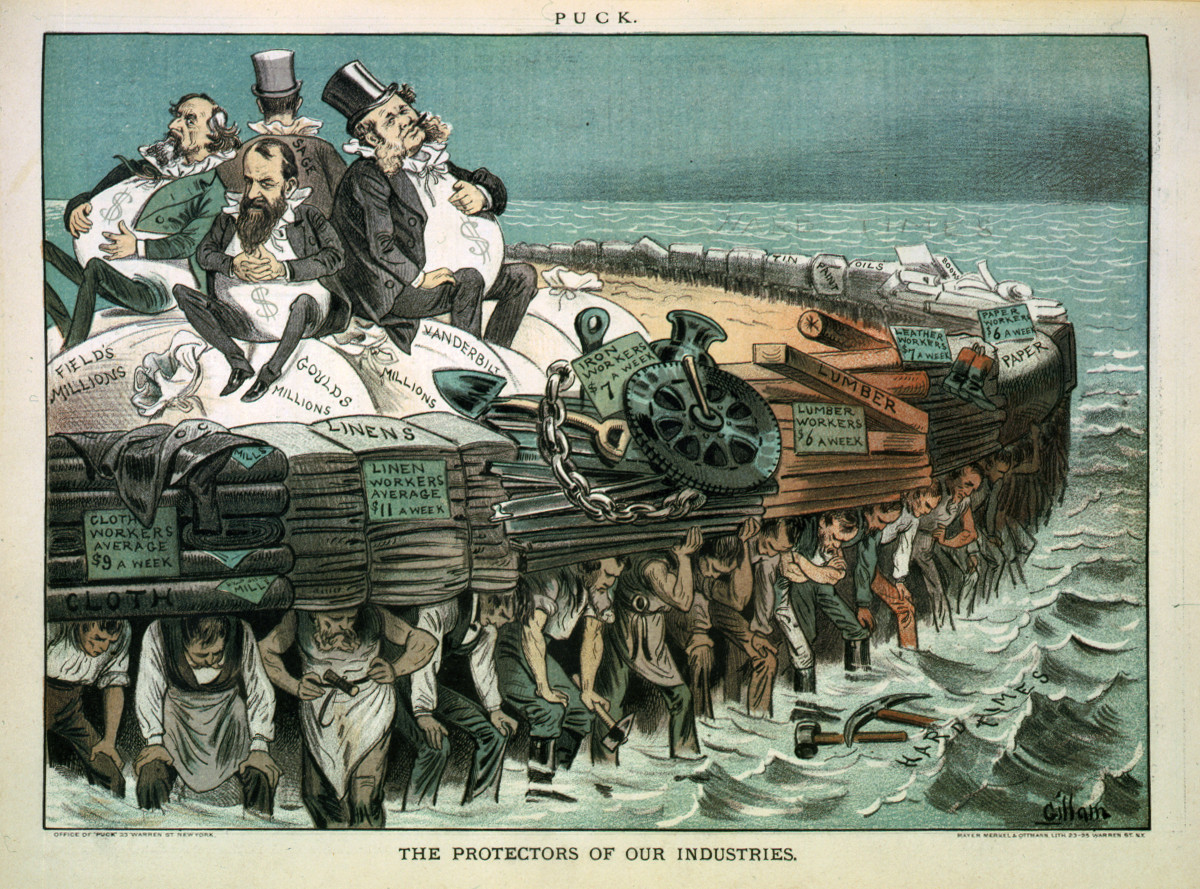
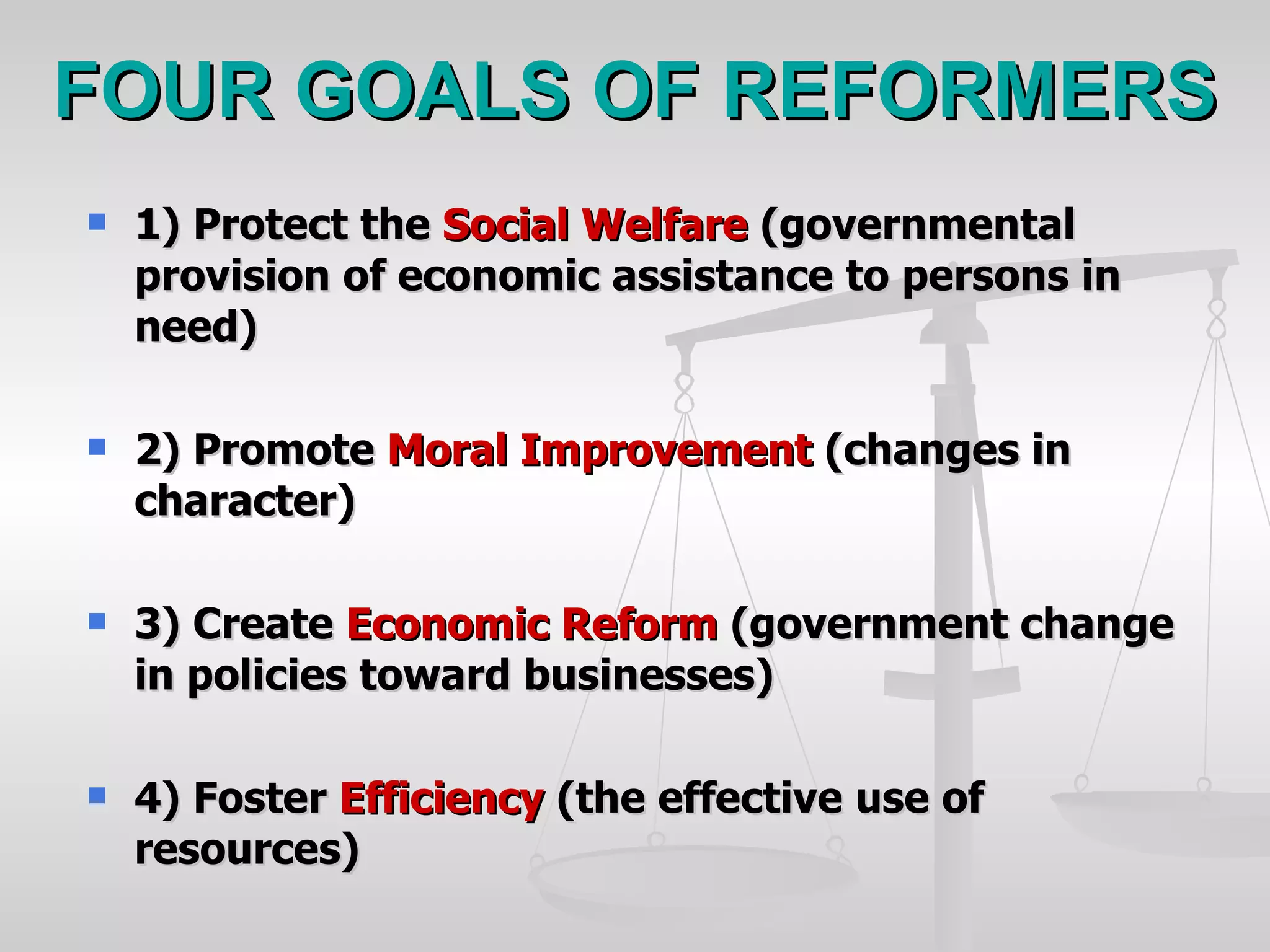
In the annals of economic history, the “Progressive Era” refers to a period of intense social activism and political reform in the United States that spanned from the 1890s to the 1920s. However, when we examine this era through the lens of modern finance and wealth management, we see that its goals—the elimination of corruption, the regulation of monopolies, and the protection of the individual consumer—are more relevant today than ever. We are currently entering a “New Progressive Era” in money, where technology, decentralization, and social consciousness are converging to redefine how wealth is created, managed, and distributed.

The primary goal of the original Progressive Era was to make the economic system work for the average citizen rather than just the industrial “robber barons.” Today, that same spirit drives the movement toward financial democratization, ethical investing, and the dismantling of traditional gatekeepers.
Democratizing the Engine of Wealth: Breaking Down Institutional Barriers
The hallmark of any progressive movement in finance is the removal of barriers to entry. In the early 20th century, this meant breaking up trusts like Standard Oil to allow for competitive markets. In the modern financial niche, the goal is to dismantle the “accredited investor” monopoly and allow the general public access to high-yield wealth-building tools that were previously reserved for the ultra-wealthy.
The Rise of Fractional Ownership and Retail Access
One of the most significant shifts in modern personal finance is the advent of fractional ownership. Historically, the goal of the progressive-minded investor was to own a piece of the American dream, but the “unit price” of that dream—be it a share of Berkshire Hathaway or a piece of prime real estate—was often prohibitively high.
Today, financial tools and apps have solved this through micro-investing. Whether it is owning 0.001% of a blue-chip stock or a fraction of a commercial apartment complex through crowdfunding platforms, the barrier to entry has vanished. This democratization aligns perfectly with the progressive goal of broad-based wealth accumulation, ensuring that market appreciation benefits the many rather than the few.
From Gatekeepers to Open Protocols
For decades, venture capital and private equity were the exclusive playgrounds of institutional giants. The modern progressive shift in money is characterized by the rise of “Equity Crowdfunding” and decentralized finance (DeFi). These tools allow startups to raise capital directly from their future customers and allow individuals to act as their own banks. By bypassing traditional intermediaries, investors can avoid the heavy fees that historically eroded the savings of the middle class, fulfilling the progressive mandate of financial efficiency and fairness.
Systemic Stability and the Digital Regulatory Frontier
A core tenet of the Progressive Era was the establishment of a “square deal” for every citizen. This required a regulatory framework that could withstand the volatility of the markets. Today, as we navigate the complexities of digital assets and algorithmic trading, the goal of financial progressivism is to create a transparent, stable system that protects the “retail” participant from systemic manipulation.
Transparency through Blockchain and Smart Contracts
If the goal of the original Progressive Era was to shine a light on the “smoke-filled rooms” of corporate backdealings, the modern goal is to achieve radical transparency through technology. Blockchain technology serves as a digital “muckraker,” providing an immutable ledger of transactions that cannot be tampered with by centralized authorities.
The implementation of smart contracts—self-executing contracts with the terms directly written into code—reduces the need for trust in a middleman. For the personal finance niche, this means lower transaction costs, faster settlements, and a reduction in the “hidden fees” that have long plagued traditional banking. The “New Progressive Era” in money uses code as a safeguard against the human error and greed that led to historical market crashes.
The Evolution of Consumer Financial Protection
The Progressive Era gave birth to the idea that the government has a role in protecting the consumer from predatory lending and fraudulent schemes. In the modern era, this has evolved into the “FinTech” movement’s focus on financial literacy and automated protection. Modern apps now use AI to monitor spending patterns, alert users to predatory subscription fees, and automatically route savings into high-interest accounts. This technological “guardian” approach fulfills the progressive goal of empowering the individual against complex institutional systems.
The Shift from Profit-Exclusivity to Purpose-Driven Capital
Perhaps the most profound goal of the Progressive Era was the moralization of the economy. It wasn’t enough for a business to be profitable; it had to be socially responsible. In the modern money niche, this has manifested as the explosion of ESG (Environmental, Social, and Governance) investing and the rise of the “Social Enterprise.”
Quantifying Social Impact in a Portfolio
For the modern investor, wealth is no longer just a number on a balance sheet; it is a reflection of values. The goal of “Progressive Finance” is to prove that ethical investing is not a sacrifice of returns, but a strategy for long-term sustainability.
By integrating ESG metrics, investors can identify companies that are better positioned to handle the challenges of the 21st century—such as climate change and labor relations. This aligns the financial goal of “alpha” (beating the market) with the social goal of progress. Wealth is being redirected from extractive industries toward those that provide “regenerative” value, creating a virtuous cycle where capital growth funds social improvement.
The Long-Term ROI of Ethical Governance
In the early 1900s, progressive reformers realized that companies with fair labor practices were more stable and profitable in the long run. Today’s brand of financial progressivism applies this to corporate governance. Data suggests that companies with diverse boards and transparent accounting practices tend to outperform their peers over ten-year cycles. For the personal financier, the “goal” is to shift the investment horizon from quarterly gains to multi-decadal wealth building, mirroring the Progressive Era’s focus on building a lasting foundation for the nation’s future.
Financial Independence in the Age of the “New Labor Movement”
The original Progressive Era was deeply intertwined with the rights of the worker. In the 2020s, the “labor movement” has shifted toward the “solopreneur” and the “gig economy.” The goal of this era is to provide the financial infrastructure necessary for individuals to achieve “financial independence” (FI) outside of the traditional 9-to-5 corporate structure.
Portable Benefits and the Micro-Business Economy
One of the greatest challenges of the modern worker is the decoupling of benefits from employment. A progressive financial goal for the current decade is the creation of “portable benefits” and fintech solutions that allow freelancers to manage their own healthcare, retirement (Solo 401ks), and tax withholding with the same ease as a Fortune 500 executive.
By building tools that treat the “individual as a business,” the financial industry is fulfilling the progressive dream of labor autonomy. When an individual can manage their own “Online Income” streams with the same professional rigor as a corporation, the power dynamic shifts from the employer to the creator.
Scaling Side Hustles into Sustainable Wealth
The goal of the modern progressive financier is to turn “side hustles” into “assets.” In the past, extra income was often used for immediate consumption. Today, the focus is on “Asset-Based Income.” Whether it is building a digital product, an e-commerce brand, or a dividend-growth portfolio, the objective is to create “passive” income that decouples time from money. This is the ultimate progressive reform: the liberation of human time through the intelligent application of capital.
Conclusion: The Perpetual Goal of Progress
What was the goal of the Progressive Era? It was the pursuit of a more equitable, transparent, and stable economic life for every citizen. In the context of modern money, that goal remains unchanged, though the tools have evolved. From AI-driven financial advisors to decentralized investment protocols and ESG-focused portfolios, the “New Progressive Era” is about moving away from the “Digital Gilded Age” of wealth concentration toward a future of “Mass Wealth Participation.”
As we look forward, the objective for any savvy participant in the financial world is to embrace these progressive shifts. By prioritizing transparency, seeking out democratized investment vehicles, and aligning one’s capital with one’s values, we don’t just grow our bank accounts—we fulfill the historic mission of creating an economy that serves the progress of all. The goal is clear: a financial system that is not just more efficient, but fundamentally more human.
aViewFromTheCave is a participant in the Amazon Services LLC Associates Program, an affiliate advertising program designed to provide a means for sites to earn advertising fees by advertising and linking to Amazon.com. Amazon, the Amazon logo, AmazonSupply, and the AmazonSupply logo are trademarks of Amazon.com, Inc. or its affiliates. As an Amazon Associate we earn affiliate commissions from qualifying purchases.