
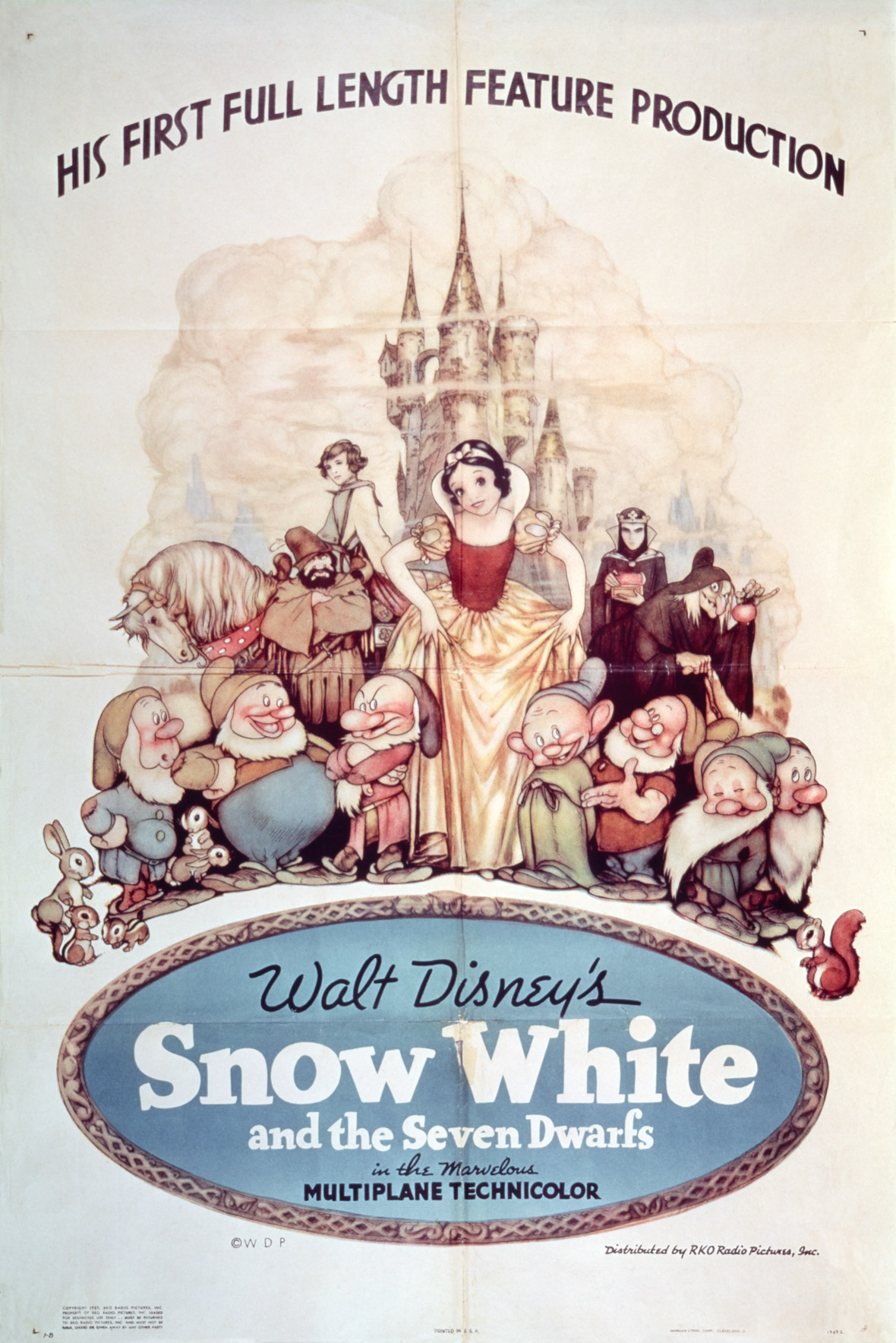
In the late 1930s, the concept of a full-length animated feature was not just unheard of; it was considered a financial and creative suicide mission. When Walt Disney announced his intention to produce Snow White and the Seven Dwarfs, the industry mockingly labeled it “Disney’s Folly.” However, what the critics failed to see was the birth of a brand strategy so potent that it would reshape the global entertainment landscape for the next century.
While Snow White and the Seven Dwarfs (1937) is technically the first Disney animated film, its significance far exceeds its place in a timeline. It serves as the foundational case study for corporate identity, brand resilience, and the power of emotional marketing. To understand the Disney brand today, one must look back at how this single film established the pillars of one of the most successful corporate identities in history.
Establishing the Core Identity: Why Snow White Was a Strategic Masterstroke
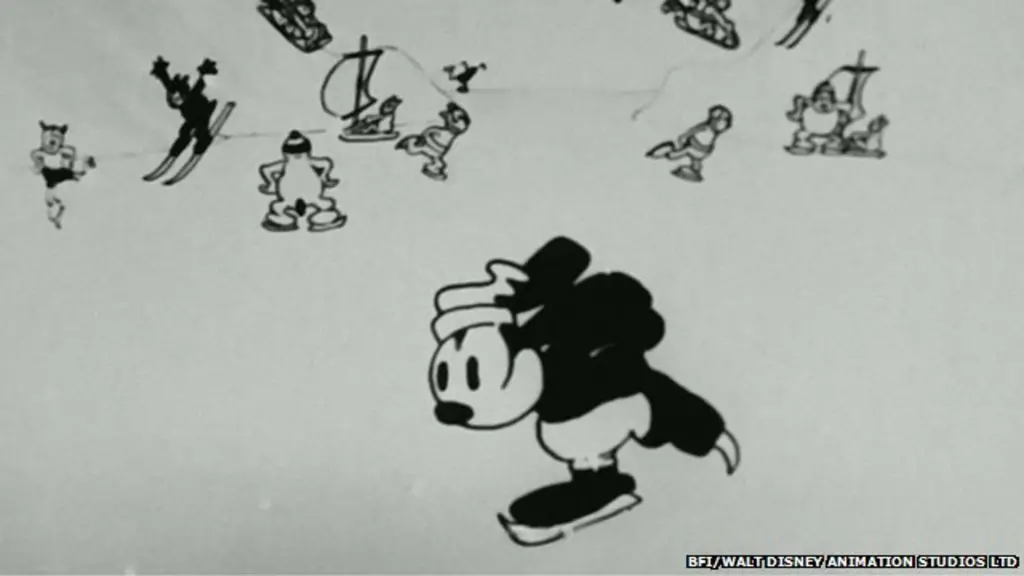
Before 1937, cartoons were primarily “shorts”—brief comedic distractions played before live-action films. They were disposable, low-budget, and lacked depth. Walt Disney’s decision to move into feature-length territory was a calculated pivot to elevate his brand from a producer of novelties to a purveyor of high-art storytelling.
Redefining the “Cartoon” into a Luxury Brand Experience
A key element of brand strategy is the ability to redefine a category. Disney didn’t just want to make a longer cartoon; he wanted to create an immersive experience that rivaled the prestige of live-action cinema. By investing then-unprecedented amounts of capital into character development and artistic detail, Disney positioned his brand as the gold standard of quality. This “quality-first” identity became the hallmark of the Disney Brand, ensuring that audiences associated the name not just with humor, but with excellence.
The Importance of Emotional Resonance in Brand Building
Effective brands do more than sell products; they evoke feelings. Snow White was the first time an animated film successfully elicited deep emotional responses—fear, joy, and sorrow—from adult audiences. By moving beyond the “slapstick” of Mickey Mouse shorts, Disney anchored his brand in the concept of “Heart.” This emotional resonance became the “Secret Sauce” of the Disney brand strategy, creating a lifelong psychological bond with the consumer that begins in childhood and persists throughout adulthood.
Innovation as a Brand Pillar: Setting the Industry Standard for Visual Excellence
One cannot discuss the first Disney animated film without addressing the technical innovations that were marketed as brand differentiators. Disney understood that to command a premium in the market, he had to offer something no one else could replicate.
The Multiplane Camera and Visual Depth
One of the most significant technological investments during the production of Snow White was the development of the multiplane camera. This device allowed for layers of artwork to move at different speeds, creating an illusion of depth and three-dimensionality that was previously impossible in animation. From a branding perspective, this was a massive USP (Unique Selling Proposition). It signaled to the market that a “Disney Film” was a technologically superior product. This commitment to being at the “cutting edge” remains a core part of the Disney brand identity today, from their theme park animatronics to their acquisition of Pixar.
Visual Consistency and the “Disney Look”
With the production of Snow White, the studio established a specific aesthetic—the “Disney Look.” This involved a blend of European illustrative styles with fluid, lifelike character movements. By codifying this style, Disney created a visual brand language. Just as a consumer can recognize a Coca-Cola bottle by its silhouette, audiences began to recognize a Disney film by its specific artistic DNA. This consistency is vital in corporate identity, as it fosters brand recognition and trust across different media and decades.

Overcoming “Disney’s Folly”: Brand Resilience in the Face of Skepticism
The journey of the first Disney animated film is a masterclass in brand resilience. In 1934, when the project began, the company faced immense pressure from creditors and industry experts who believed that “nobody would sit through a 90-minute cartoon.”
Brand Resilience and Visionary Leadership
The narrative of “Disney’s Folly” actually served to strengthen the brand’s story. Strong brands often have a “hero’s journey” at their core. By risking his entire company—mortgaging his home and pushing his staff to the brink of exhaustion—Walt Disney embodied the “dreamer” archetype. This personal branding of Walt as a visionary risk-taker permeated the corporate culture, transforming Disney from a mere studio into a symbol of American ingenuity and the “nothing is impossible” spirit.
Strategic Marketing and the “Event” Premiere
The marketing of Snow White was as revolutionary as the film itself. Disney didn’t just release a movie; he created a cultural event. The premiere at the Carthay Circle Theatre was a star-studded affair, attended by Hollywood royalty like Charlie Chaplin and Judy Garland. By surrounding an animated film with the trappings of high-society glamour, Disney successfully rebranded animation as “prestige media.” This strategy of “event-based marketing” is still used by the company today, where every film release is treated as a global phenomenon rather than just another product on the shelf.
The Legacy Effect: How One Film Created a Multi-Generational Brand Ecosystem
The success of Snow White and the Seven Dwarfs provided the capital and the proof-of-concept for everything that followed. It was the “minimum viable product” that scaled into a multi-billion dollar empire.
Scaling the Brand through Merchandising and Experiences
Long before “synergy” was a corporate buzzword, Disney was practicing it. Snow White was one of the first films to have a coordinated merchandising campaign, ranging from toys to soundtracks. This taught the company a vital lesson in brand strategy: the movie is just the “top of the funnel.” The real brand value lies in the ecosystem of products and experiences that follow. The revenue from Snow White allowed Walt to purchase the land that would eventually become the headquarters in Burbank, and later, provided the blueprint for how characters could be translated into physical theme park attractions.
The Blueprint for Modern Franchise Management
Today, we see Disney managing massive franchises like Marvel and Star Wars, but the roots of this management style are found in the 1937 film. Disney learned how to protect the integrity of his characters, ensuring they weren’t overexposed or used in ways that contradicted the brand’s values. This “Brand Stewardship” is why Snow White, a character nearly a century old, still feels relevant and valuable today. The first film established the “Disney Vault” strategy—carefully controlling access to content to maintain high demand and “legendary” status.
Conclusion: The Enduring Power of the First Disney Feature
When we ask, “What was the first Disney animated film?” we aren’t just looking for a title. We are looking for the origin point of a global brand phenomenon. Snow White and the Seven Dwarfs was the spark that ignited the Disney empire, but its success was not an accident of history. It was the result of a meticulous brand strategy that prioritized quality, emotional connection, and technological innovation.
By turning “Disney’s Folly” into the world’s most successful animated film of its time, Walt Disney proved that a brand built on storytelling and imagination could transcend the boundaries of its medium. The principles established during the making of this film—category redefinition, visual consistency, and ecosystem thinking—continue to be the pillars upon which the Walt Disney Company stands. For modern brand strategists and marketers, the story of Snow White remains the ultimate tutorial on how to build a legacy that lasts for generations.
aViewFromTheCave is a participant in the Amazon Services LLC Associates Program, an affiliate advertising program designed to provide a means for sites to earn advertising fees by advertising and linking to Amazon.com. Amazon, the Amazon logo, AmazonSupply, and the AmazonSupply logo are trademarks of Amazon.com, Inc. or its affiliates. As an Amazon Associate we earn affiliate commissions from qualifying purchases.