
In the world of modern corporate strategy, a brand is defined as the sum of all perceptions held by its stakeholders. When we analyze history through the lens of brand management, the American Revolution emerges not just as a military conflict, but as one of the most significant brand failures in human history. At the center of this collapse was King George III.
While history often paints him as a distant tyrant or a misunderstood sovereign, from a brand strategy perspective, George III was the “Chief Executive Officer” of a global conglomerate—the British Empire. His role in the American Revolution provides a masterclass in how a failure to adapt a brand’s core values, a refusal to listen to a primary “customer base” (the colonists), and a rigid adherence to an outdated corporate identity can lead to a catastrophic loss of market share.
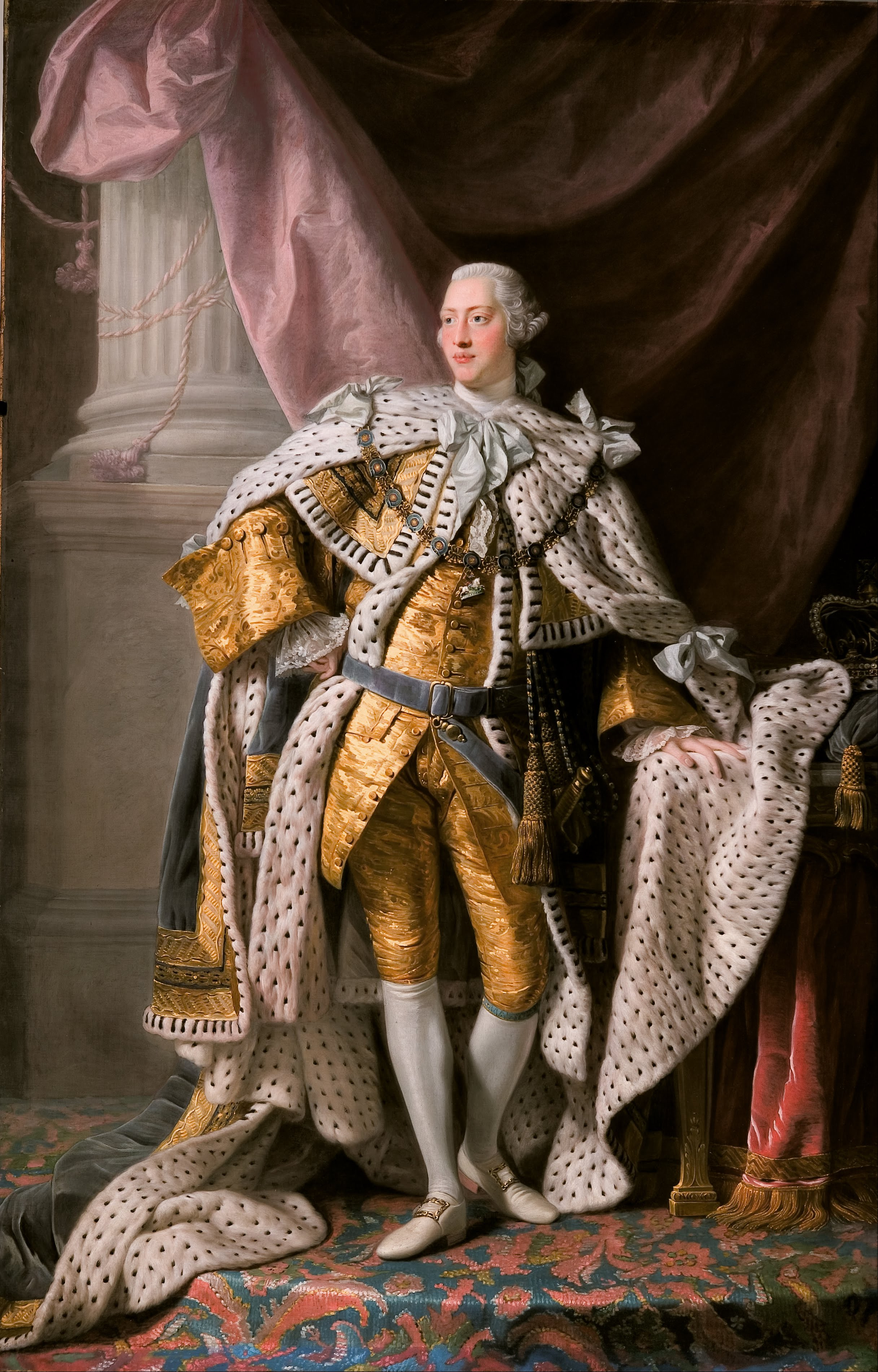
The Imperial Brand Identity: George III as the Face of the Monarchy
When George III ascended to the throne in 1760, he inherited a brand that was at its absolute peak. The British Empire was the premier global superpower, synonymous with naval dominance, trade excellence, and the “Pax Britannica.” George’s personal brand was intended to be one of stability, piety, and traditionalism. He was the first Hanoverian king to be born in England and speak English as his first language, which was a significant “rebrand” for a monarchy previously seen as foreign.
The Image of Absolute Authority
George III understood that the monarch was the visual anchor of the British brand. In an era before mass media, the King’s image—appearing on coins, stamps, and official portraits—represented the “Standard of Quality” for the law. His role was to embody the continuity of the state. However, this commitment to a “unified brand” meant there was very little room for regional customization. To George III, the American colonies were not a unique demographic with specific needs; they were a subsidiary of the parent company, expected to adhere strictly to the corporate manual.
Maintaining the “Great Britain” Brand Promise
Every strong brand makes a promise. The British brand promise was protection and economic stability in exchange for loyalty and revenue. Post-1763, following the Seven Years’ War, the “cost of goods sold” for maintaining this brand had skyrocketed. George III and his ministers believed that for the brand to remain solvent, the American stakeholders needed to increase their financial contributions. This was the logical decision of a CEO looking at a balance sheet, but it ignored the “brand sentiment” on the ground.
Strategic Missteps: Taxing the Consumer Base without Engagement
In brand strategy, if you change the terms of service without consulting your most loyal users, you risk a PR disaster. King George III’s support for the Stamp Act of 1765 and the subsequent Townshend Acts represented a fundamental failure in stakeholder engagement.
The Stamp Act: A Branding Nightmare
The Stamp Act was more than just a tax; it was a branding error. By requiring a physical stamp on all legal documents, newspapers, and playing cards, the Crown was essentially placing a “taxed by the King” logo on every aspect of daily life in the colonies. This was an intrusive brand touchpoint that served as a constant reminder of a perceived lack of agency. Instead of the brand representing “protection,” it began to represent “extraction.” George III’s role was to authorize these measures, signaling to the colonists that the “Parent Brand” was no longer interested in a two-way relationship.
Ignoring Customer Feedback: The Olive Branch Petition
One of the most critical moments in the brand’s collapse was the rejection of the Olive Branch Petition in 1775. This was the “final customer complaint” from the colonists, an attempt to remain within the brand ecosystem while requesting better terms. George III’s refusal to even read the petition was a catastrophic failure in “reputation management.” By declaring the colonies in open rebellion, he effectively “fired” his customers, forcing them to seek an alternative provider for their governance.

Competitive Positioning: The Rise of the “Liberty” Brand
As the British brand declined in the colonies, a new, disruptive competitor emerged: the concept of “American Liberty.” This was a lean, agile brand that focused on a powerful emotional value proposition. While George III represented the “Old Guard,” the Founders were savvy brand architects who knew how to pivot the narrative.
Thomas Paine and the Power of the “Pamphlet” Campaign
If the Revolution were a modern marketing campaign, Thomas Paine’s Common Sense would be the viral video that changed the conversation. Paine took the complex grievances of the elite and translated them into a “brand story” that the average person could buy into. He targeted George III specifically, deconstructing the “divine right” brand and replacing it with the “Natural Rights” brand. George III’s role in the Revolution was, inadvertently, to serve as the perfect “villain” for this new narrative—the face of the competition that needed to be disrupted.
The Declaration of Independence as a Mission Statement
The Declaration of Independence is perhaps the most successful brand mission statement ever written. It took the focus away from the King’s authority and placed it on the “User Experience” (Life, Liberty, and the Pursuit of Happiness). By listing 27 specific grievances against George III, the document performed a “competitive teardown” of the British brand. It wasn’t just a political document; it was a rebranding of the American people from “Subjects” to “Citizens.”
Loss of Market Share: The Geopolitical Consequences of Brand Rigidity
By the time the war reached its midpoint, King George III had become the “Sunk Cost” of the British Empire. His insistence on total victory was a strategic error that ignored the diminishing returns of the conflict. In business terms, he was over-leveraging the company’s resources on a project that the market had already rejected.
The Cost of Inflexibility
George III’s role was characterized by a lack of “Brand Agility.” Even as his generals advised that the war was becoming a quagmire and his ministers grew wary of the mounting debt, the King remained committed to the original “corporate vision.” This rigidity allowed competitors like France (the “Third-Party Investor”) to enter the market and support the American startup. The entry of France into the war was a direct result of the British brand’s inability to negotiate a settlement early on.
The Long-Term Impact on British Brand Globalism
While the loss of the American colonies was a massive hit to the British Empire’s “market share,” it forced a necessary pivot in the British brand. George III’s later reign saw the empire shift its “business model” toward India and the East, where a different administrative approach was applied. However, the American Revolution remained a permanent “case study” in the British archives on what happens when a brand fails to respect the autonomy of its subsidiaries.

Conclusion: Lessons from the Royal Rebrand
King George III’s role in the American Revolution was that of a traditionalist CEO in a rapidly changing market. He failed to understand that the “American Brand” had evolved past the need for British “Parenting.” His insistence on a centralized, top-down identity led to a total “brand divorce.”
For modern brand strategists, the story of George III and the American Revolution offers three vital takeaways:
-
Listen to the Stakeholders: A brand is a dialogue, not a monologue. Ignoring “customer” feedback leads to disruption.
-
Agility Over Tradition: Even the most established brands must be willing to pivot. A rigid adherence to “the way we’ve always done it” is a recipe for obsolescence.
-
The Leader is the Brand: George III’s personal reputation was inseparable from the Empire’s reputation. When the leader loses the “trust of the market,” the brand follows.
Ultimately, George III did not just lose a war; he lost a brand. The American Revolution was the moment the “British Empire” brand was forced to acknowledge that it could no longer dominate the global narrative through authority alone. It was the birth of a new era of competitive governance, where the “Product” (liberty) had to be as strong as the “Marketing” (the monarchy).
aViewFromTheCave is a participant in the Amazon Services LLC Associates Program, an affiliate advertising program designed to provide a means for sites to earn advertising fees by advertising and linking to Amazon.com. Amazon, the Amazon logo, AmazonSupply, and the AmazonSupply logo are trademarks of Amazon.com, Inc. or its affiliates. As an Amazon Associate we earn affiliate commissions from qualifying purchases.