
In the rapidly evolving landscape of digital finance, Cash App has transitioned from a simple peer-to-peer (P2P) payment service into a robust financial ecosystem. Owned by Block, Inc., the platform now serves as a central hub for personal banking, investing, and even cryptocurrency trading. For many, “getting money” on Cash App is not just about receiving a transfer from a friend; it involves leveraging the platform’s diverse features to save, earn, and grow wealth. This guide explores the multifaceted ways users can optimize Cash App to improve their financial standing, from immediate cash injections to long-term investment strategies.
Understanding the Core Functionality of Cash App for Personal Finance
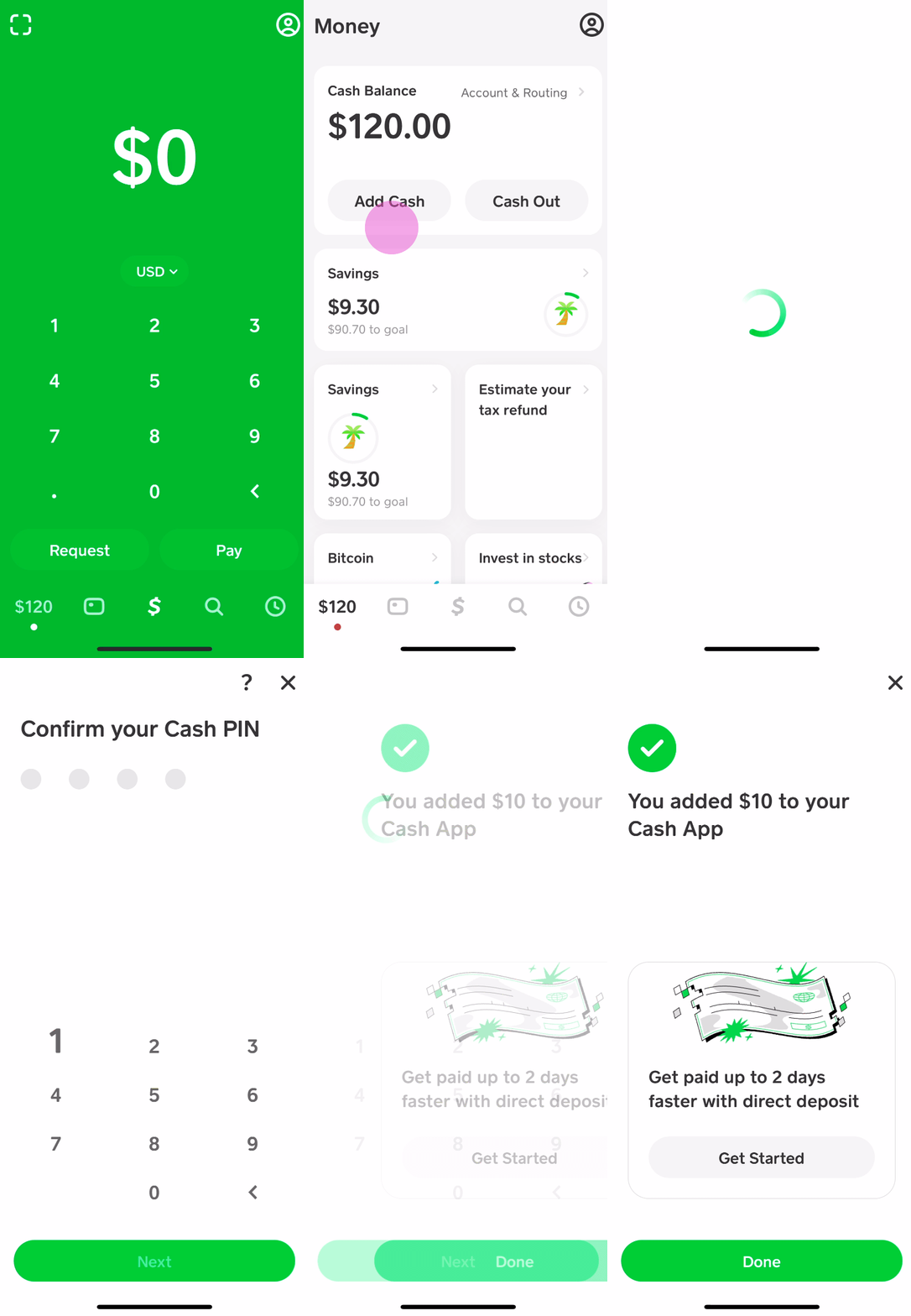
To effectively get money on Cash App, one must first understand its foundational role as a digital bank replacement. The platform provides users with a routing and account number, allowing it to function similarly to a traditional checking account but with the streamlined interface of a modern app.
Receiving Direct Payments and Peer-to-Peer Transfers
The most immediate way to get money on Cash App is through P2P transfers. By sharing your unique “Cashtag,” phone number, or email address, you can receive funds instantly from other users. This is particularly useful for splitting bills, receiving payments for freelance services, or collecting reimbursements. Unlike traditional bank transfers that may take several business days, Cash App transactions are usually instantaneous, providing immediate liquidity. For those managing a tight budget or a small business, this speed of capital movement is a significant financial advantage.
Setting Up Direct Deposit for Faster Paychecks
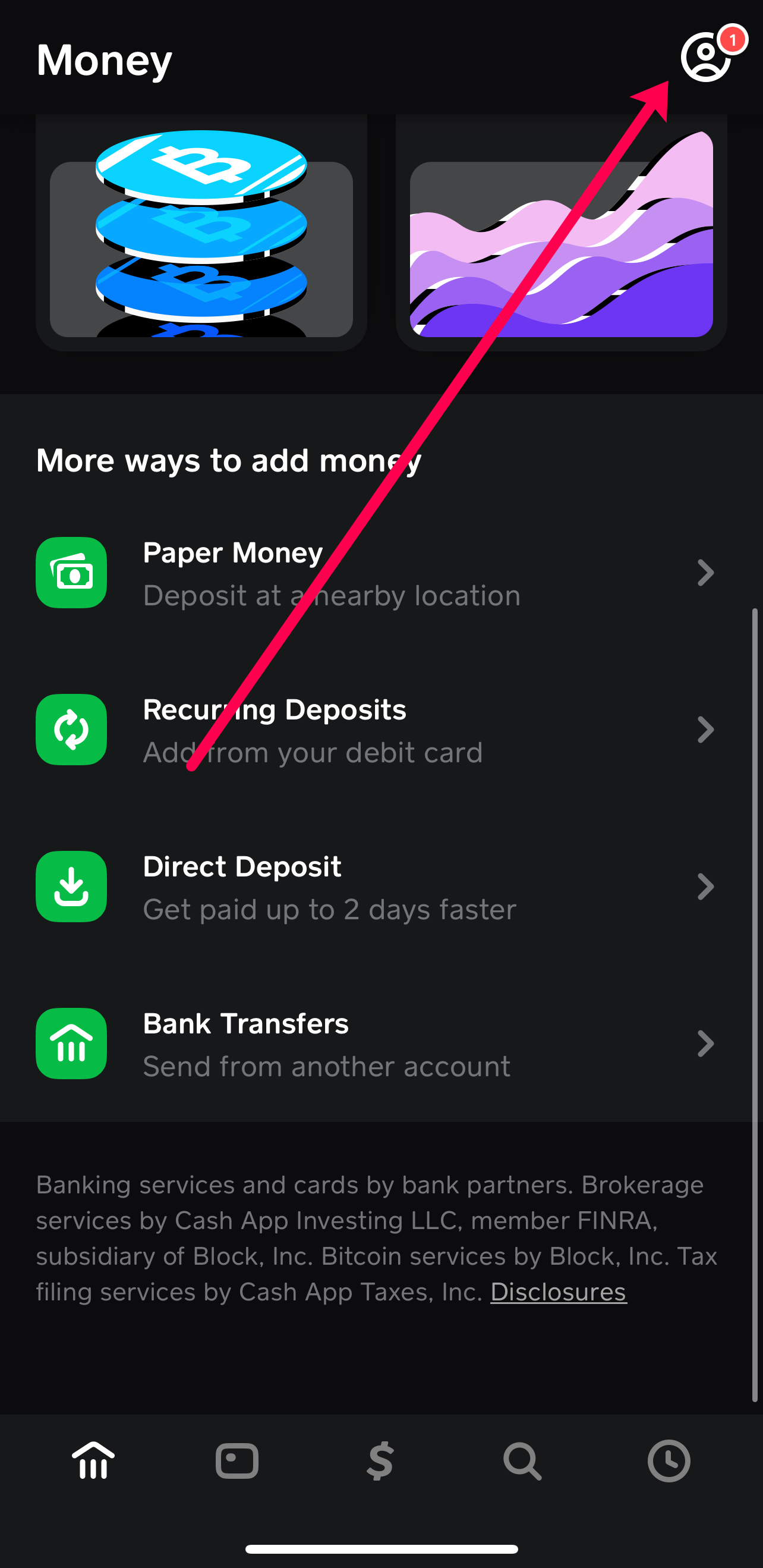
A strategic way to manage your income is by utilizing Cash App’s direct deposit feature. By routing your paycheck, tax refunds, or government stimulus payments directly into the app, you can often access your funds up to two days earlier than you would with a traditional bank. This early access to capital can be a crucial tool for avoiding late fees on bills or ensuring that funds are available for time-sensitive investment opportunities. Furthermore, having a consistent flow of direct deposits often unlocks higher limits and additional features within the app, such as the ability to borrow small amounts of cash against your next deposit.
Leveraging Built-in Rewards and Cash Back Opportunities
Beyond receiving external payments, Cash App provides several internal mechanisms to effectively “get” more money by reducing expenses and earning rewards on everyday transactions.
Utilizing Cash Card “Boosts” to Save on Everyday Spending
The Cash Card is a free, customizable Visa debit card linked to your Cash App balance. One of its most powerful financial tools is the “Boost” feature. Boosts are essentially instant cash-back rewards that apply when you use your card at specific retailers, restaurants, or service providers.
For example, a user might activate a 10% Boost for a specific coffee shop or a 5% Boost for grocery store purchases. Unlike traditional credit card rewards that accumulate points over a month, Boosts provide an immediate discount or an instant deposit back into your balance. By strategically selecting Boosts based on your necessary spending habits, you can effectively “earn” money by keeping more of your income in your pocket. This is a form of passive financial optimization that, over a year, can result in hundreds of dollars in savings.
The Referral Program: Turning Your Network into a Side Hustle
Cash App offers a structured referral program that incentivizes users to grow the network. When you invite a new user to join using your referral code, and they link a debit card and send a qualifying payment (usually $5 or more), both you and the new user receive a cash bonus. While the individual bonus amounts (typically ranging from $5 to $15) may seem small, active users who promote their referral link through social media or among professional networks can generate a steady stream of “found money.” In the context of a side hustle, this is a low-effort way to increase your account balance simply by advocating for a tool you already use.
Growing Your Wealth: Investing and Bitcoin Features
True financial health involves not just receiving money, but growing it. Cash App has democratized access to the financial markets, allowing users to move from “getting” money to “growing” it through its investing platform.
Fractional Stock Trading for Beginners
One of the most significant barriers to entry in the stock market has traditionally been the high price of individual shares. Cash App removes this barrier through fractional share trading. Users can purchase as little as $1 worth of stock in major companies like Apple, Amazon, or Tesla.
From a personal finance perspective, this allows for “dollar-cost averaging,” a strategy where you invest a fixed amount of money at regular intervals regardless of the share price. Over time, this can lead to significant wealth accumulation. Because the interface is simplified, it encourages users who might be intimidated by traditional brokerage platforms to begin their investing journey, turning small amounts of spare change into a diversified portfolio.
Navigating the Bitcoin Market within the App
Cash App was one of the first mainstream financial apps to fully integrate Bitcoin. Users can buy, sell, and even withdraw Bitcoin to external wallets. For those looking to diversify their assets, the “Auto-Invest” feature allows for recurring Bitcoin purchases. While cryptocurrency is a volatile asset class and should be approached with caution, it represents another avenue for potential capital appreciation. Cash App also features “Paid in Bitcoin,” where users can choose to have a percentage of their direct deposit automatically converted into Bitcoin, effectively automating their savings in a digital asset.
Strategies for Earning Extra Income via Cash App Integrations
For those looking to actively increase their income, Cash App serves as an excellent terminal for various gig economy and online earning platforms.
Connecting to Side Hustle Platforms and Gig Economy Apps
Many modern side hustles—such as selling items on marketplaces, completing online surveys, or participating in the gig economy (like Uber or DoorDash)—allow for payouts via debit card or direct deposit. By linking your Cash App account or using your Cash Card as the payout method, you centralize your side hustle income. This makes it easier to track your “extra” earnings separately from your primary income. Some platforms even offer “Instant Pay” features that work seamlessly with the Cash App debit card, allowing you to work a shift and have the money available in your Cash App balance within minutes.
Participating in Official Social Media Giveaways
Cash App is known for its aggressive and innovative marketing, particularly the “Cash App Fridays” or “Fortune420” campaigns on platforms like X (formerly Twitter) and Instagram. During these events, the official Cash App account gives away thousands of dollars to users who share their Cashtags. While this is not a guaranteed income stream, it is a unique, community-driven way to occasionally get money on the platform. It is vital, however, to ensure you are interacting only with verified accounts to avoid the myriad of scammers who impersonate the brand during these giveaways.
Protecting Your Digital Assets: Security and Financial Best Practices
As your Cash App balance grows, so does the importance of securing those funds. In the realm of personal finance, keeping your money is just as important as getting it.
Identifying and Avoiding Common Cash App Scams
Because Cash App transactions are instantaneous and generally irreversible, the platform is a frequent target for bad actors. Common scams include “cash flipping” (where someone promises to double your money), fake customer support representatives asking for your PIN, or “accidental” deposits where a stranger asks you to send money back.
To protect your money, always treat your Cash App balance like physical cash. Only send money to people you know and trust. Enable security features like “Security Lock,” which requires your PIN or Touch ID for every transaction, and “Notification” alerts so you are immediately aware of any account activity.
Managing Your Cash App Balance and Limits
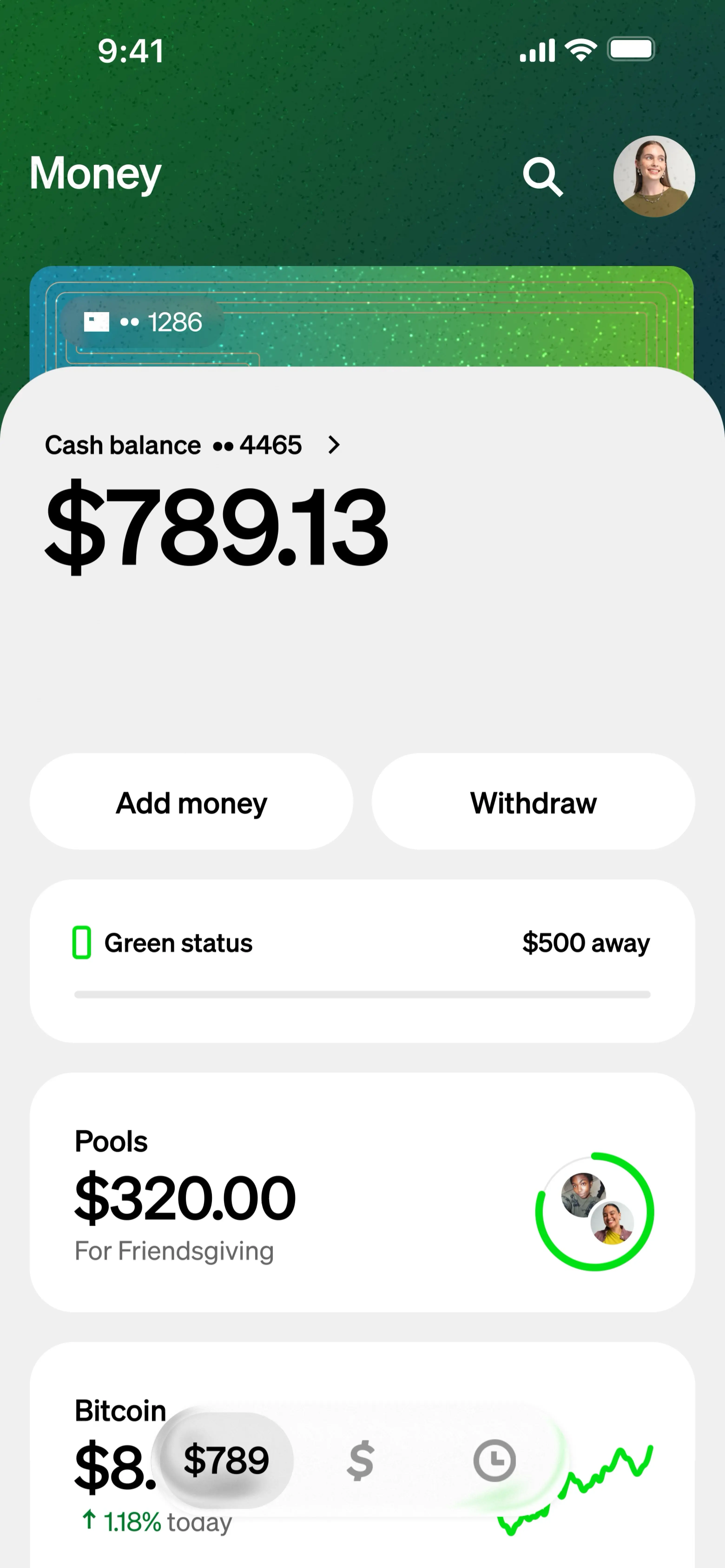
To use Cash App as a serious financial tool, you must be aware of its limits. Unverified accounts have lower sending and receiving limits. By verifying your identity with your full name, date of birth, and the last four digits of your SSN, you can significantly increase these limits. This is essential if you plan to use the app for larger transactions, such as paying rent or receiving a large freelance payment. Furthermore, it is a best practice to periodically “sweep” your Cash App balance into a high-yield savings account if you are not planning to use the funds for immediate spending or investing, ensuring that your money is always working for you in the most efficient environment possible.
In conclusion, getting money on Cash App is a multi-dimensional process. While it starts with simple P2P transfers, the real value lies in the platform’s ability to act as a comprehensive financial tool. By utilizing direct deposits, maximizing Cash Card Boosts, engaging in fractional investing, and maintaining rigorous security standards, users can transform Cash App from a simple utility into a powerful engine for personal financial growth.
aViewFromTheCave is a participant in the Amazon Services LLC Associates Program, an affiliate advertising program designed to provide a means for sites to earn advertising fees by advertising and linking to Amazon.com. Amazon, the Amazon logo, AmazonSupply, and the AmazonSupply logo are trademarks of Amazon.com, Inc. or its affiliates. As an Amazon Associate we earn affiliate commissions from qualifying purchases.