
In the world of biological classification, a fox is a small-to-medium-sized, omnivorous mammal belonging to several genera of the family Canidae. However, in the high-stakes ecosystem of global commerce, the question “what type of animal is a fox” yields a much more complex answer. In the context of brand strategy, the fox is not merely a biological entity; it is a sophisticated archetype representing agility, cleverness, and the ability to thrive in diverse environments.
For brand architects and marketing strategists, the fox serves as a powerful metaphor for a specific type of corporate identity—one that prioritizes speed over scale and intelligence over brute force. This article explores how the characteristics of the fox are translated into brand equity, visual identity, and strategic market positioning.
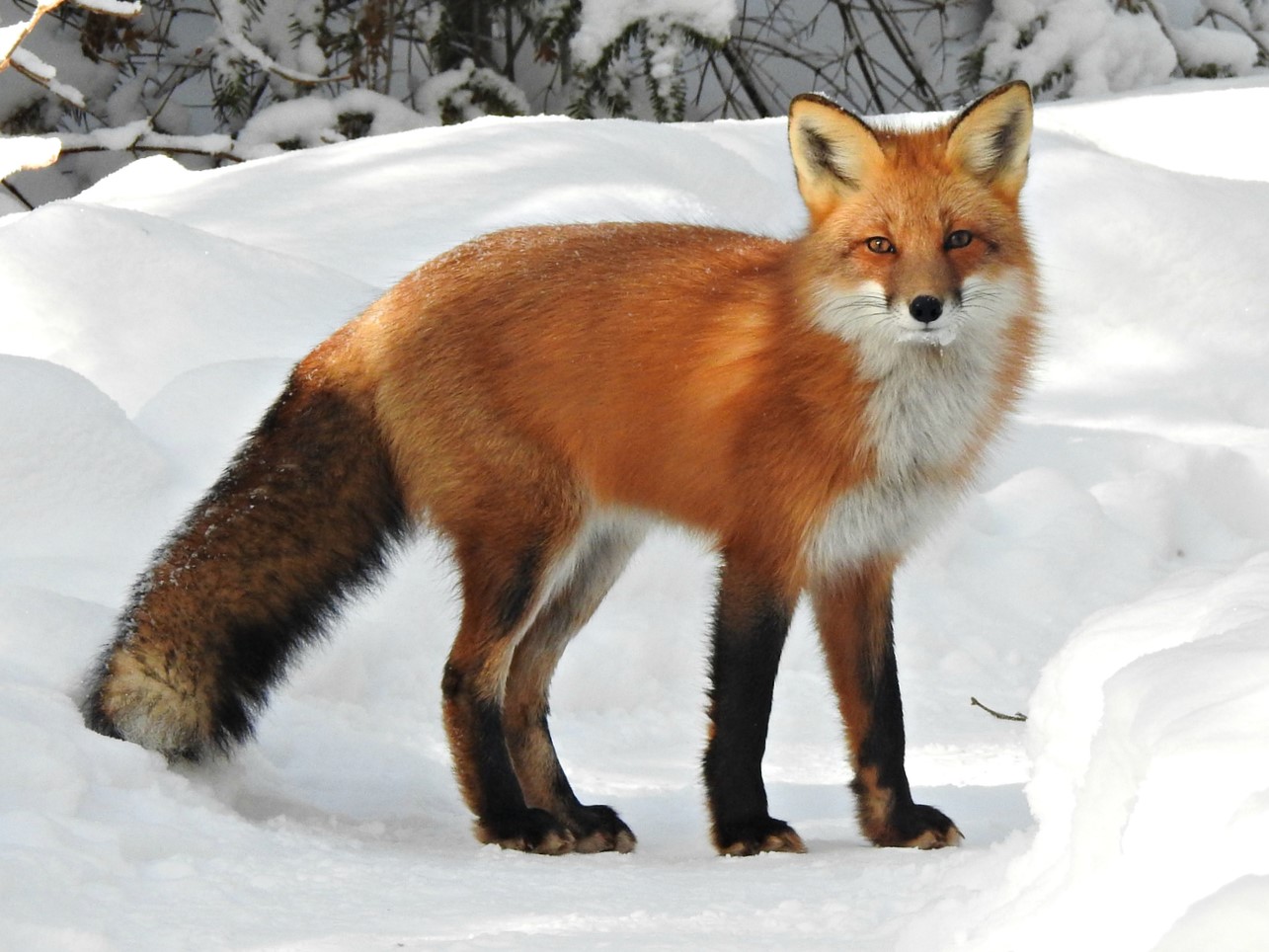
The Fox as a Symbolic Powerhouse in Corporate Identity
When a company asks what type of animal represents their soul, choosing the fox is a deliberate move toward a “Clever” or “Explorer” archetype. Unlike the lion, which represents dominant authority, or the owl, which signifies stagnant wisdom, the fox represents the intersection of intelligence and action.
Cleverness and Agility: The Core of the Fox Persona
In brand strategy, agility is the ability of a business to react to market fluctuations with grace and speed. A “fox-type” brand is never caught off guard by a shifting algorithm or a new competitor. Instead, these brands use their inherent cleverness to navigate around obstacles. This “cleverness” manifests as innovative marketing campaigns that “hack” traditional consumer behavior or product features that solve niche problems in ways that larger, more cumbersome “dinosaur” corporations cannot.
For a brand, being a fox means possessing an acute sense of timing. It is about knowing when to emerge into a new market (the nocturnal hunter strategy) and when to retreat and refine the product. This makes the fox the ideal mascot for startups and tech-adjacent brands that need to signal to investors and customers that they are lean, smart, and highly adaptable.
Visual Semiotics: Why Designers Choose the Fox
From a design perspective, the fox offers a rich palette of visual cues. The iconic orange, red, and white color schemes associated with foxes evoke feelings of energy, warmth, and visibility. The physical form of the fox—characterized by sharp ears, a pointed snout, and a flowing tail—lends itself to sleek, minimalist logo design.
The sharp angles suggest precision and technological edge, while the curved tail suggests fluidity and friendliness. When a brand chooses a fox for its visual identity, it is making a psychological promise to the consumer: “We are smart enough to solve your problems and fast enough to do it now.”
Case Studies: Brands That Successfully “Outfox” the Competition
To understand what type of animal the fox is in the commercial world, we must look at the entities that have successfully donned the vulpine mask. These brands have used the fox’s reputation for cunning to carve out significant market share.
Mozilla Firefox: The Global Symbol of Open Access
Perhaps the most famous “fox” in the digital world is Mozilla Firefox. When the browser was launched, it entered a market dominated by the “behemoth” of Microsoft’s Internet Explorer. By choosing the “Fire-fox” (a name for the red panda but visually depicted as a literal fox), Mozilla positioned itself as the agile, clever alternative to the bloated incumbent.
The brand strategy was clear: the fox represented a faster, more secure, and more customizable way to navigate the web. The logo, featuring a fox encircling the globe, communicated a sense of protection and global reach, proving that a small, community-driven “fox” could indeed outmaneuver a corporate giant.
GitLab: The Engineering Fox and Collaboration
GitLab, a major player in the DevOps space, uses a stylized fox head as its logo. In the highly technical world of software development, the fox represents the “smart worker.” GitLab’s branding focuses on the fox’s ability to work across different terrains—much like their platform allows for seamless collaboration across different stages of the software development lifecycle. By identifying as a fox, GitLab appeals to the intelligence of engineers, positioning their tool as the “clever” choice for those who want to optimize their workflow.
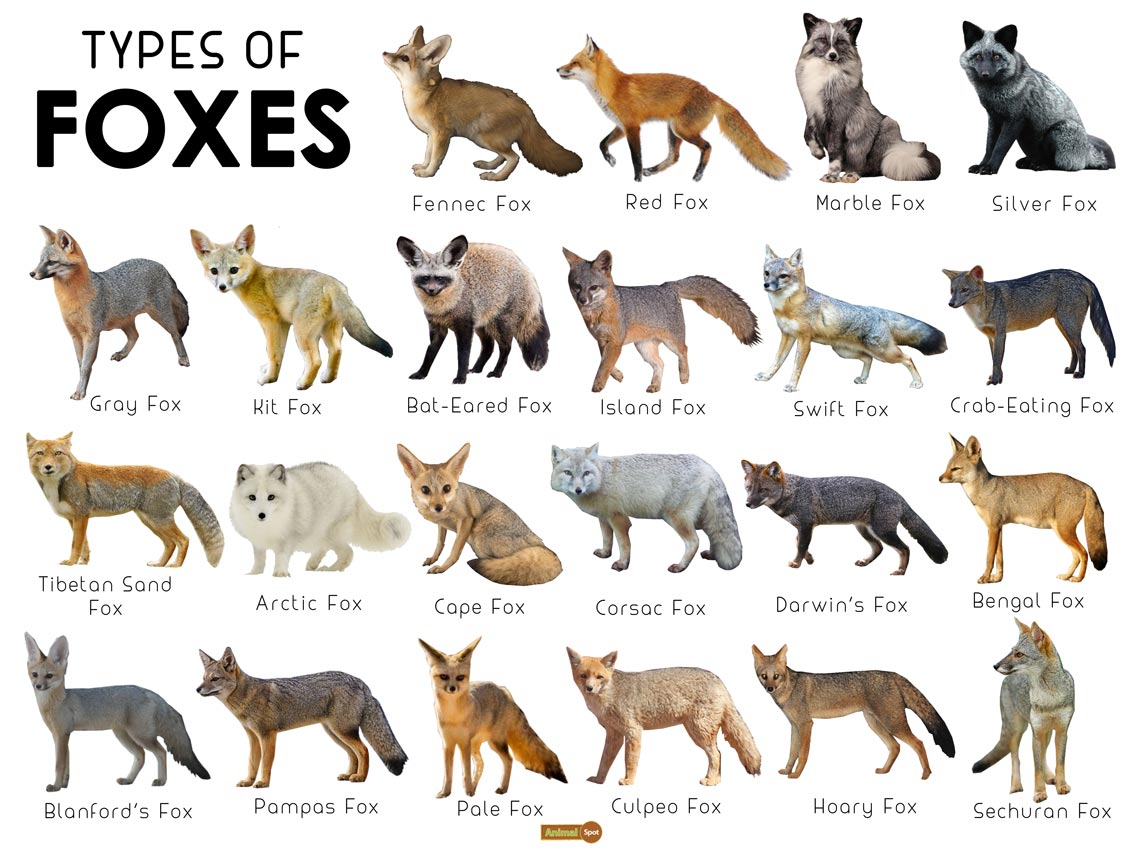
Lifestyle and Fashion: Elegance and Versatility
Beyond tech, brands like Maison Kitsuné (which literally translates to “House of the Fox” in French and Japanese) use the fox to represent versatility. Maison Kitsuné is not just a fashion label; it is a music label and a chain of coffee shops. The fox, known in Japanese folklore as a shapeshifter, perfectly encapsulates this brand’s ability to move between different industries without losing its core identity. In this context, the “fox” animal type is one of refined, multifaceted elegance.
Strategy and Execution: How to Build a “Fox-Type” Brand
Building a brand around the fox archetype requires more than just a clever logo. It requires a strategic commitment to the values that the animal represents. If your brand identifies as a fox, every touchpoint must reinforce the idea of intelligence and adaptability.
Niche Domination through Agility
Large brands often try to be everything to everyone, which can lead to a diluted brand identity. A fox-type brand, however, excels at “niche hunting.” This strategy involves identifying a specific, underserved segment of the market and dominating it through superior speed and specialized knowledge.
For example, a boutique financial consultancy might use fox-like branding to signal that they are more nimble and specialized than a “Big Four” firm. They aren’t trying to be the biggest; they are trying to be the smartest. This focus allows for higher profit margins and stronger brand loyalty among clients who value expertise over scale.
Developing a Clever Voice and Tone
The “voice” of a fox brand should be witty, insightful, and slightly provocative. It is the voice of the expert who doesn’t need to shout to be heard. In content marketing, this means producing high-value, “insider” information that makes the audience feel like they are part of a clever inner circle.
Social media provides the perfect “forest” for the fox brand. Through rapid-response marketing and participating in trending conversations with a sharp, unique perspective, a fox brand can gain massive visibility with a fraction of the budget of a larger competitor. This is the essence of “outfoxing” the market: using wit as a force multiplier.
The Risks of the Sly Persona: Maintaining Trust and Transparency
While the fox is admired for its cleverness, there is a historical connotation of the “sly” or “deceptive” fox that brand strategists must navigate carefully. If a brand leans too far into the “cunning” aspect of the fox, it risks losing consumer trust.
Balancing Wit with Reliability
To avoid being seen as “sneaky,” a fox brand must anchor its cleverness in transparency. The goal is to be perceived as “smart-reliable,” not “smart-deceptive.” This is achieved through consistent product delivery and clear communication. If a brand uses a clever marketing hook but fails to deliver on the promise, the “fox” persona quickly turns into a “trickster” persona, which is fatal for long-term brand equity.
Avoiding the “Trickster” Pitfall
In branding, the “trickster” is a company that uses fine print, hidden fees, or misleading claims to get ahead. While this may provide a short-term “win,” it violates the positive aspects of the fox archetype. A true fox brand uses its intelligence to create value for the customer in ways the customer hadn’t imagined, rather than using it to take advantage of the customer’s lack of knowledge. Integrity must be the backbone of any fox-based brand strategy to ensure that “clever” remains a compliment.

Conclusion: Embracing the Fox in the Digital Age
So, what type of animal is a fox? In the context of brand strategy, the fox is the ultimate survivor and the ultimate strategist. It is the archetype for the modern era—an era defined by rapid change, technological disruption, and the need for personalized, intelligent solutions.
By adopting the traits of the fox, brands can move away from the outdated models of industrial-age dominance and toward a more agile, responsive, and clever way of doing business. Whether you are a tech startup looking to disrupt an industry or an established brand looking to reinvent your identity, the fox offers a blueprint for success: stay sharp, stay fast, and always stay one step ahead of the pack. To be a fox in business is to understand that in the end, the smartest animal—not the strongest—wins the race.
aViewFromTheCave is a participant in the Amazon Services LLC Associates Program, an affiliate advertising program designed to provide a means for sites to earn advertising fees by advertising and linking to Amazon.com. Amazon, the Amazon logo, AmazonSupply, and the AmazonSupply logo are trademarks of Amazon.com, Inc. or its affiliates. As an Amazon Associate we earn affiliate commissions from qualifying purchases.