
In the traditional lexicon of Wall Street, investors are conditioned to think in binaries. You are either a bull, charging forward with optimism and driving prices higher, or you are a bear, hibernating through a downturn or swiping prices down with pessimistic fervor. However, seasoned traders and financial analysts often speak of a third, more frustrating creature that haunts the exchanges: the crab.
When asking “what type of animal is a crab” in a financial context, we are not discussing marine biology or decapod crustaceans. Instead, we are identifying a specific market condition—the sideways market. A “crab market” occurs when asset prices fluctuate within a tight range, moving horizontally without a clear trend toward the upper or lower bounds. For the modern investor, understanding the “crab” is essential for surviving periods of economic stagnation and learning how to extract value when the traditional “buy and hold” strategy seems to stall.

Understanding the Crab: The Anatomy of a Sideways Market
To understand what type of animal a crab is in the financial ecosystem, one must look at the price charts. While bulls create upward slopes and bears create downward slides, the crab creates a jagged, horizontal line. This phenomenon is often referred to as “consolidation” or a “range-bound market.”
Identifying the Horizontal Trend
A crab market is characterized by a lack of momentum. During these periods, the forces of supply and demand are in a state of relative equilibrium. Every time a stock or index reaches a certain “resistance” level, sellers step in to take profits, pushing the price back down. Conversely, every time it hits a “support” level, buyers see value and step in, pushing the price back up. The result is a lateral movement that can last for weeks, months, or even years. For an investor, this can be the most testing environment because it lacks the adrenaline of a bull run and the clear exit signals of a bear crash.
The Psychology of Stagnation
Psychologically, the crab market is an animal of indecision. It represents a period where market participants are waiting for a catalyst—be it an interest rate change, a major geopolitical event, or a shift in corporate earnings. Unlike the fear of a bear market or the greed of a bull market, the crab market is defined by apathy and frustration. Many retail investors lose money in crab markets not because of a crash, but because of “churn”—the act of overtrading in a narrow range and losing capital to fees and minor price fluctuations.
Why Markets Become “Crabs”: The Economic Drivers
No animal exists without an environment that sustains it. The crab market is usually the byproduct of specific macroeconomic conditions that prevent the market from committing to a singular direction.
Low Volatility and Interest Rate Equilibrium
One of the primary drivers of a sideways market is the stabilization of interest rates. When central banks, such as the Federal Reserve, pause their rate-hiking or rate-cutting cycles, the cost of borrowing becomes predictable. This predictability often leads to a decrease in market volatility. Without the shock of new monetary policy, investors lack the incentive to radically reallocate their portfolios, leading to the “sideways crawl” that defines the crab.
Corporate Earnings Stagnation and Valuation Gaps
A crab market often emerges when corporate earnings are “priced to perfection.” If companies are performing well but not exceeding expectations, and their valuations (Price-to-Earnings ratios) are already at historical highs, there is no fundamental reason for the stock to go up. However, if the economy is still healthy, there is no reason for the stock to go down. This creates a ceiling where the market waits for the next “big thing”—be it a technological breakthrough or a significant shift in consumer behavior—to break the horizontal pattern.
Strategies for Profiting in a Crab Market
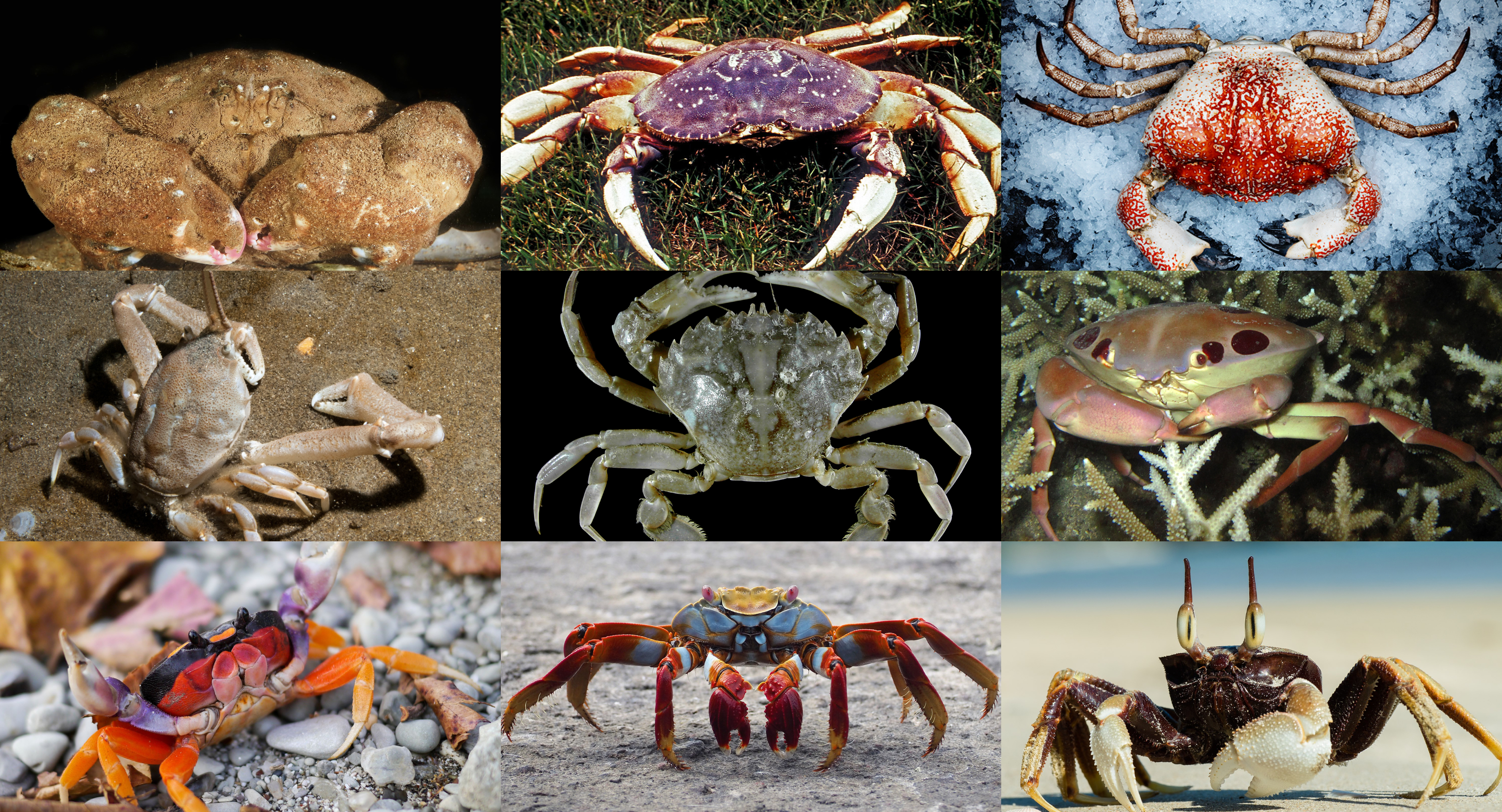
While the crab might seem like a stagnant animal, it offers unique opportunities for those who know how to navigate its sideways movement. In the world of “Money,” professional traders don’t wait for the market to move up; they adapt their strategies to the current environment.
Income Generation through Covered Calls and Options
In a sideways market, capital appreciation is limited. Therefore, savvy investors turn to “income-generating” strategies. The most popular of these is the Covered Call. By holding a stock and selling call options against it, an investor collects “premiums.” If the stock moves sideways (as crabs do), the option expires worthless for the buyer, and the investor keeps the premium as pure profit. This allows the investor to create a “synthetic dividend,” making money even when the share price hasn’t moved a cent.
Using the “Iron Condor” Strategy
For more advanced traders, the “Iron Condor” is the ultimate crab market tool. This strategy involves selling both a “put spread” and a “call spread” simultaneously. It is a bet that the underlying asset will stay within a specific price range. As long as the market continues to crawl sideways and stays between the two “wings” of the condor, the trader collects the maximum profit. It is a sophisticated way of saying, “I believe this animal is a crab, and I will profit from its refusal to run or hide.”
Value Investing and Dividend Reinvestment (DRIP)
For the long-term personal finance enthusiast, a crab market is a period of accumulation. When prices are moving sideways, dividends become the primary source of return. By utilizing a Dividend Reinvestment Plan (DRIP), investors can use their payouts to buy more shares at a stable price. Over time, this increases the total share count without requiring additional out-of-pocket capital, setting the stage for massive gains once the crab eventually turns back into a bull.
The Dangers of the “Crab Mentality” in Personal Finance
Beyond market movements, the “crab” represents a psychological trap in the world of business and wealth building. The term “crab mentality” (derived from the behavior of crabs in a bucket who pull down any crab that tries to escape) is a critical concept for anyone looking to improve their financial standing.
Avoiding the “Pull-Down” Effect in Entrepreneurship
When you begin a side hustle or start investing aggressively, you may encounter the “crab bucket” within your social or professional circles. As you attempt to climb toward financial independence, others who are stuck in the same “bucket” of debt or stagnant income may consciously or unconsciously discourage you. Understanding that this is a natural social dynamic allows you to protect your “Money” mindset. To build wealth, one must often distance themselves from the “crabs” who view another’s success as their own failure.
Building Resilient Financial Networks
To escape the crab bucket, you must seek out “bull” networks—groups of individuals focused on growth, expansion, and mutual elevation. In personal finance, your “net worth is your network.” Surrounding yourself with people who understand compounding interest, tax-advantaged investing, and asset allocation ensures that you are being pushed upward rather than pulled back into the horizontal crawl of mediocrity.
Future-Proofing Your Portfolio Against Stagnation
The final lesson in asking “what type of animal is a crab” is recognizing that no market condition lasts forever. The crab is often a transitionary phase between a bear and a bull.
Diversification Beyond Traditional Equities
If the stock market is behaving like a crab, it may be time to look at alternative assets. Real estate, private equity, or high-yield debt can often provide returns that are uncorrelated with the sideways movement of the S&P 500. By diversifying, you ensure that even if one part of your portfolio is crawling sideways, other parts are moving vertically.

Embracing Defensive Assets and Liquidity
In a crab market, “Cash is King” (or at least a very important prince). Maintaining a level of liquidity allows you to be ready for the moment the crab market ends. History shows that sideways markets usually resolve with a breakout. Having the “dry powder” (available cash) to invest when the market finally decides to charge upward is the hallmark of a disciplined and successful investor.
In conclusion, when we ask what type of animal a crab is in the niche of Money and Finance, we find a creature that represents patience, range-bound stability, and hidden opportunity. While it may not offer the excitement of a bull market, the crab market teaches us the importance of income-generating strategies, the necessity of avoiding negative social influences, and the value of a diversified, resilient portfolio. By mastering the sideways crawl, you ensure that your wealth continues to grow, no matter which way the market chooses to move.
aViewFromTheCave is a participant in the Amazon Services LLC Associates Program, an affiliate advertising program designed to provide a means for sites to earn advertising fees by advertising and linking to Amazon.com. Amazon, the Amazon logo, AmazonSupply, and the AmazonSupply logo are trademarks of Amazon.com, Inc. or its affiliates. As an Amazon Associate we earn affiliate commissions from qualifying purchases.