
In the current digital landscape, the question of “what to watch” in the realm of anime has transitioned from a casual inquiry among friends to a complex interaction with sophisticated technological ecosystems. Gone are the days of scanning television guides or browsing physical rental shelves. Today, the anime medium is at the forefront of the technological revolution in streaming, driven by high-level algorithms, advanced compression codecs, and global infrastructure that ensures high-definition content is delivered to millions of devices simultaneously. Understanding what to watch is now as much about the software behind the screen as it is about the stories themselves.

The Algorithm Era: How AI and Data Science Dictate Your Watchlist
The modern anime fan’s journey begins long before the “Play” button is pressed. It starts within the recommendation engines of major streaming platforms like Crunchyroll, Netflix, and Disney+. These systems are built on complex data science models designed to solve the “paradox of choice” for the user.
Machine Learning and Recommendation Engines
At the heart of “what to watch” are two primary types of algorithms: Collaborative Filtering and Content-Based Filtering. Collaborative filtering looks at user behavior patterns—if thousands of users who watched Jujutsu Kaisen also binged Chainsaw Man, the system identifies a statistical correlation. Content-based filtering, however, goes deeper into the metadata. Tech-heavy platforms tag anime based on visual style (shinkai-esque aesthetics), pacing, and narrative tropes (Isekai, Shonen). By utilizing Machine Learning (ML), these platforms build a “taste profile” for every subscriber, refining the suggestions in real-time as you skip an intro or finish a series in one sitting.
Personalization vs. Serendipity in Content Discovery
The technological challenge for developers is balancing “echo chambers” with “discovery.” If an algorithm only suggests what you have already seen, the user experience stagnates. Advanced AI models are now incorporating “exploratory” variables. These are bits of code designed to introduce “outlier” content—perhaps a niche “Slice of Life” drama to a die-hard “Mecha” fan—to gauge interest and expand the user’s data footprint. This intersection of human psychology and predictive analytics is the invisible hand guiding the global anime community’s viewing habits.
Streaming Infrastructure: The Engineering Behind Seamless Global Delivery
Once a user decides what to watch, the technical burden shifts from data science to network engineering. High-quality animation, particularly modern 4K productions with high frame rates, requires immense bandwidth and sophisticated delivery systems to prevent buffering and latency.
Content Delivery Networks (CDNs) and Latency Optimization
To deliver a seamless experience to a global audience, streaming giants utilize Content Delivery Networks (CDNs). A CDN is a geographically distributed group of servers that work together to provide fast delivery of Internet content. When a user in France decides to watch the latest episode of Demon Slayer, they aren’t pulling data from a server in Tokyo; they are accessing a cached version on a local server in Western Europe. This minimizes physical distance, reduces “hops” across the internet backbone, and ensures that the high-bitrate visual fidelity of the animation is maintained even during peak traffic hours.
The Shift to 4K, HDR, and Advanced Codecs
The aesthetic appeal of anime relies heavily on color accuracy and contrast. Technology has moved beyond the standard 1080p format. The industry is increasingly adopting High Dynamic Range (HDR) and 4K resolution. From a tech perspective, this is made possible by advanced video codecs like H.265 (HEVC) and the royalty-free AV1. These codecs use complex mathematical algorithms to compress video files without losing the crisp lines and vibrant colors characteristic of Japanese animation. This allows for “cinematic” viewing on home OLED screens, making the technical quality of the stream a deciding factor in what audiences choose to consume.
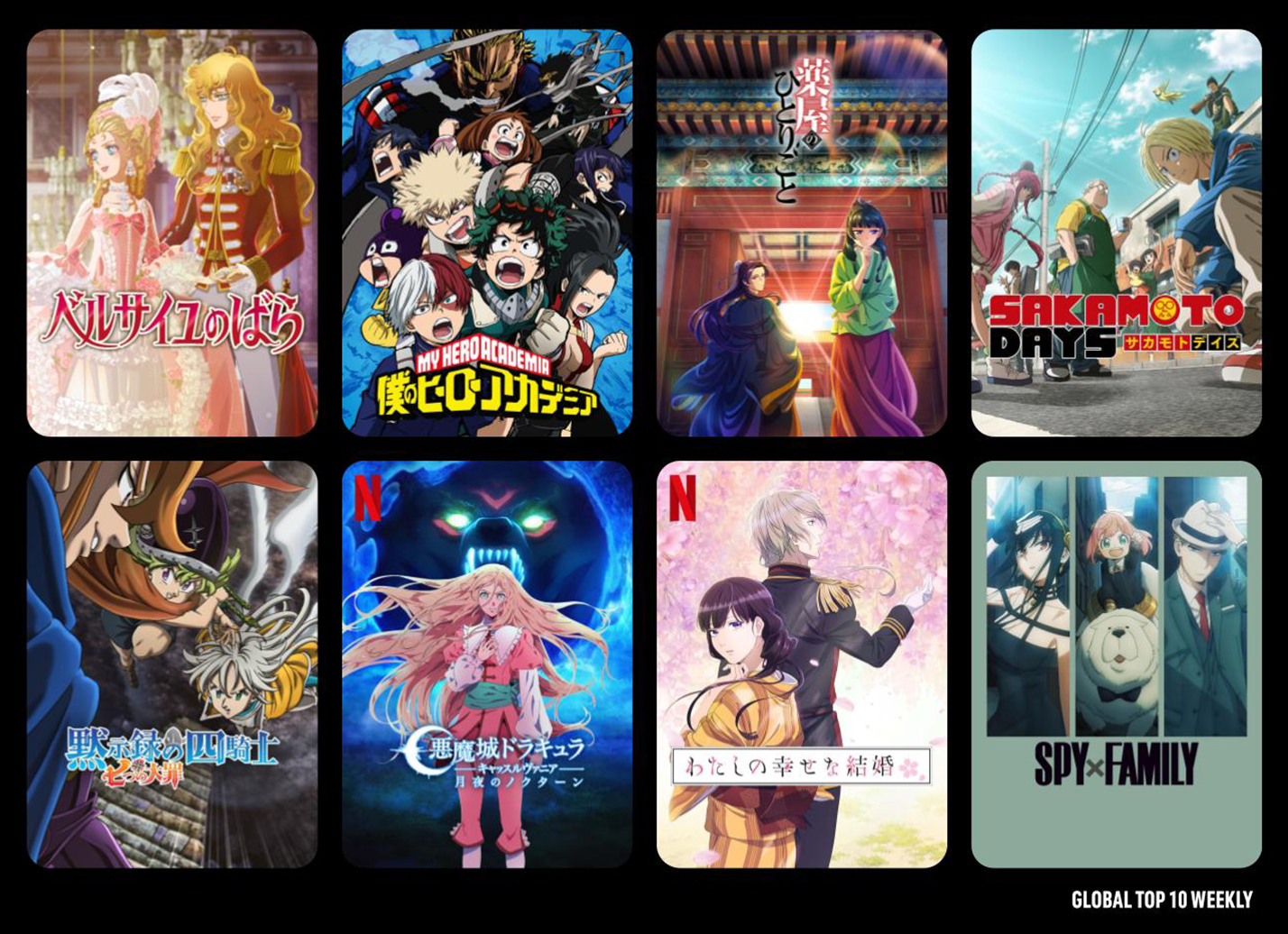
The Integration of Social Tech and Community Tracking Platforms
Deciding “what to watch” has also become a collaborative digital experience. Technology has enabled the rise of massive third-party databases and social tracking tools that integrate via API (Application Programming Interface) with the viewing experience.
Tracking Apps and API Ecosystems
Platforms like MyAnimeList (MAL) and AniList have become the “central nervous system” for the anime community. These aren’t just websites; they are sophisticated database management systems. Through the use of public APIs, developers have built mobile apps and browser extensions that automatically sync a user’s watch history. This creates a feedback loop: social data (user ratings and trending lists) feeds back into the platforms, influencing the “trending” sections that dictate what the broader public considers “must-watch” content.
Virtual Reality (VR) and the Future of Immersive Viewing
We are entering an era where “what to watch” might soon become “what to inhabit.” The development of Virtual Reality (VR) and Augmented Reality (AR) is beginning to intersect with anime. “VR Theaters” allow users to watch their favorite shows in a simulated cinema environment with friends from around the world. Tech companies are experimenting with 360-degree environments and interactive “spatial” anime experiences. While still in its infancy, the hardware evolution of VR headsets (like the Vision Pro or Quest 3) is providing a new medium for content delivery that goes beyond the traditional 2D screen.
Accessibility and Language Tech: Breaking the Global Barrier
One of the greatest technological achievements in the anime industry is the speed at which content is localized. The “simulcast”—releasing an episode globally within an hour of its Japanese broadcast—is a feat of digital logistics and AI-assisted translation.
AI-Driven Translation and Dubbing
While human translators remain essential for cultural nuance, the “What to Watch” landscape is being expanded by AI-driven subtitle synchronization and machine translation. Speech-to-text and natural language processing (NLP) models are used to create initial drafts and timing logs, drastically reducing the turnaround time for localization. Furthermore, advancements in “AI Dubbing” and voice synthesis are beginning to show promise in making anime accessible in hundreds of languages that were previously underserved by traditional dubbing studios due to cost constraints.
Digital Rights Management (DRM) and Global Access
A significant part of the “what to watch” equation is the tech behind Digital Rights Management (DRM). To ensure that creators are compensated and licenses are respected, streaming platforms utilize sophisticated encryption and geo-blocking technology. Widevine and FairPlay are DRM systems that work in the background to verify a user’s subscription and location. While often invisible to the user, this technology is the legal and technical framework that allows the global licensing of anime to exist, ensuring a steady stream of high-budget content for fans to discover.

Conclusion: The Tech-Driven Future of the Anime Experience
The question of “what to watch” in anime is no longer a simple matter of preference; it is the end result of a massive technological pipeline. From the AI that analyzes your subconscious viewing patterns to the CDNs that deliver 4K frames across oceans, and the social APIs that connect you with millions of other fans, technology is the silent protagonist of the anime industry.
As we look forward, the integration of generative AI in production, the expansion of 5G and 6G networks for mobile viewing, and the refinement of personalized discovery algorithms will continue to reshape the landscape. For the tech-savvy viewer, the “what to watch” experience is a testament to how software and hardware can harmonize to bring traditional art into a hyper-connected, digital future. The next time you find the perfect series on your “Recommended for You” list, remember: it wasn’t just luck—it was an extraordinary feat of modern technology.
aViewFromTheCave is a participant in the Amazon Services LLC Associates Program, an affiliate advertising program designed to provide a means for sites to earn advertising fees by advertising and linking to Amazon.com. Amazon, the Amazon logo, AmazonSupply, and the AmazonSupply logo are trademarks of Amazon.com, Inc. or its affiliates. As an Amazon Associate we earn affiliate commissions from qualifying purchases.