
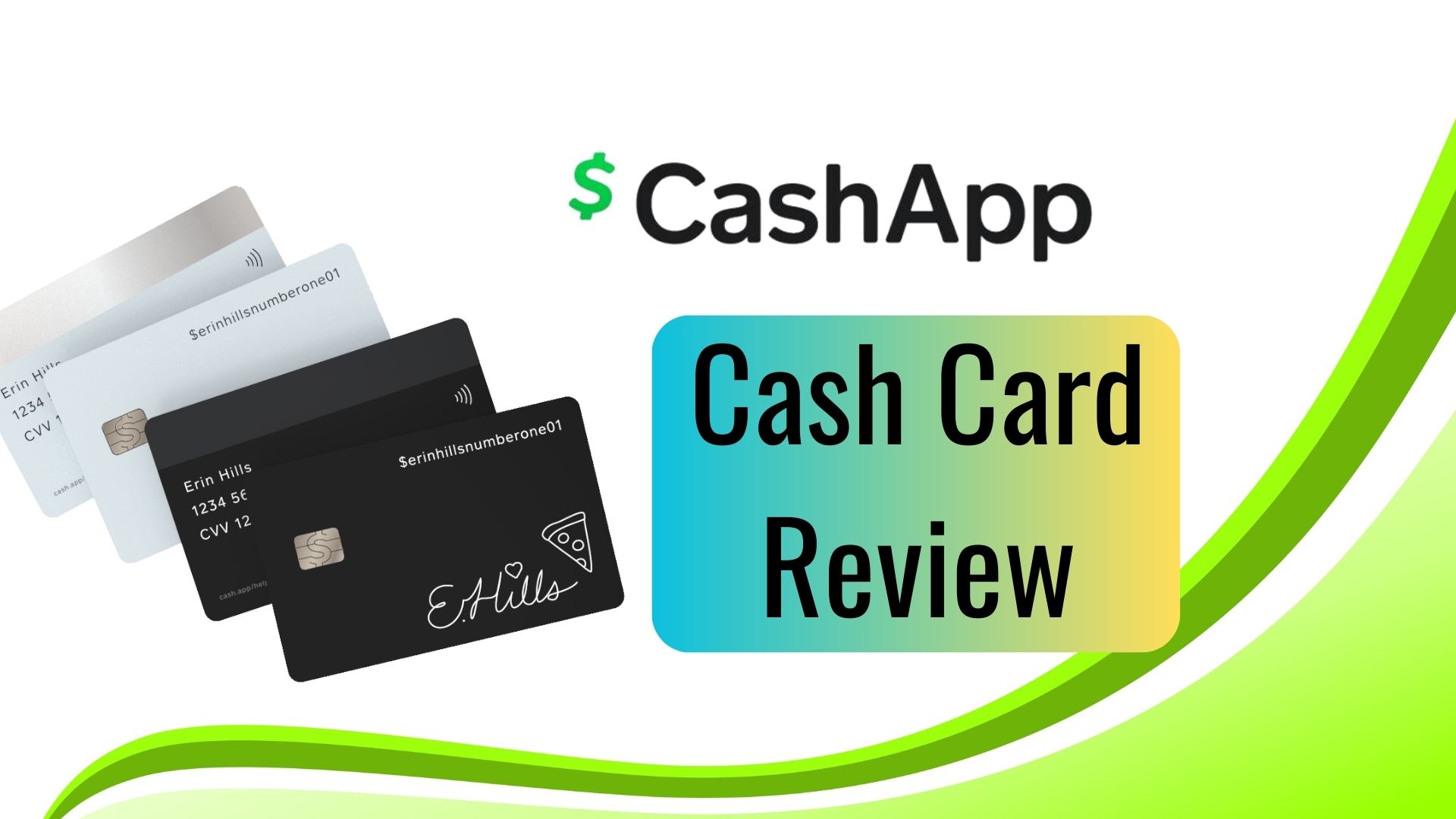
In the rapidly evolving landscape of personal finance, the boundary between traditional banking and digital liquidity is blurring. At the forefront of this transformation is Cash App, a platform that has transitioned from a simple peer-to-peer (P2P) payment service into a robust financial ecosystem. While the digital interface allows for seamless transfers, the physical “Cash Card”—a customizable Visa debit card—acts as the vital bridge between your digital balance and the tangible economy. Obtaining a Cash App Card is more than just a logistical step; it is a strategic move for anyone looking to modernize their financial toolkit and gain greater control over their spending.
Understanding the Cash Card: More Than Just a Plastic Accessory
Before diving into the acquisition process, it is essential to understand the underlying value proposition of the Cash Card. Unlike traditional debit cards issued by legacy banks, the Cash Card is designed for a mobile-first generation that prioritizes speed, transparency, and rewards.
Bridging the Gap Between Digital and Physical Finance
For many, digital wallets often feel like “siloed” money—funds that are useful for online shopping or sending money to friends but difficult to use at a local grocery store or a coffee shop without transferring them back to a traditional bank. The Cash Card eliminates this friction. By linking directly to your Cash App balance, the card allows you to spend your digital funds anywhere Visa is accepted. This effectively turns your Cash App account into a checking account alternative, providing a level of liquidity that was previously reserved for traditional financial institutions.
The Security Features of a Virtual-First Debit Card
Security is a paramount concern in the digital age, and the Cash Card addresses this through a “virtual-first” approach. Even before your physical card arrives in the mail, Cash App provides you with a virtual card number, expiration date, and CVV. This allows you to engage in secure online transactions immediately. Furthermore, the ability to “Lock” the card instantly from the app provides a layer of protection that traditional cards often lack. If you misplace your card, you don’t need to call a hotline and wait on hold; you simply toggle a switch in the app, rendering the card useless until you find it.
Step-by-Step Guide: How to Order and Activate Your Cash Card
The process of getting a Cash App Card is streamlined, reflecting the app’s commitment to user experience. However, there are specific financial prerequisites and steps that must be followed to ensure a smooth delivery and activation.
Eligibility and Prerequisites
To order a Cash Card, you must be at least 18 years old (or 13 with parental sponsorship in certain regions). Your account must also be verified. Verification typically involves providing your full legal name, date of birth, and the last four digits of your Social Security Number. From a personal finance perspective, this verification is crucial as it complies with federal “Know Your Customer” (KYC) regulations, which are designed to prevent money laundering and fraud. Ensuring your account is fully verified not only allows you to order the card but also increases your transaction limits, making it a more viable tool for everyday business and personal use.
Customizing and Ordering Your Card
Once your account is ready, ordering the card is a matter of a few taps:
- Tap the Cash Card tab on your Cash App home screen.
- Press Get Cash Card.
- Select your preferred color and style. Cash App often offers unique finishes, such as glow-in-the-dark, metal, or classic matte black.
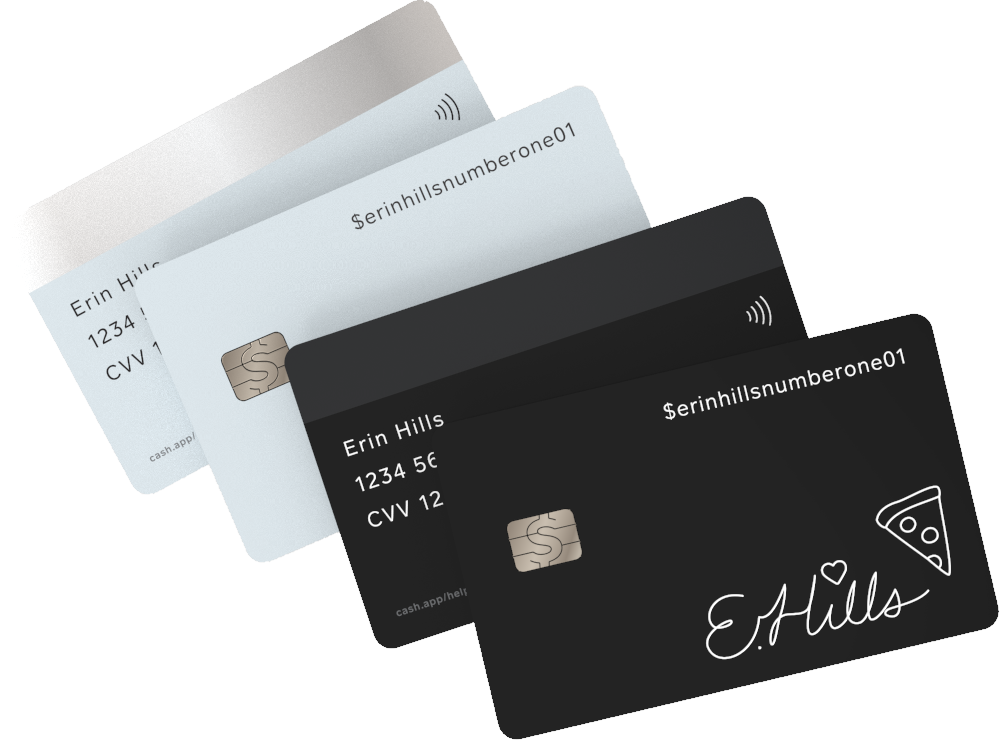
- Customize your card. You can add a “cashtag,” signatures, or even custom sketches. While this seems like a design feature, it adds a layer of personal identification to the physical tool.
- Confirm your mailing address.
The card is free to order (though premium finishes may carry a fee), and it typically arrives within 7 to 10 business days.
The Activation Process: Connecting Your Card to Your Account
When the card arrives in its signature envelope, you must activate it before use. This is done via a QR code printed on the card’s carrier. Open Cash App, tap the Cash Card tab, select “Activate Cash Card,” and use your phone’s camera to scan the code. If you don’t have the QR code, you can activate it manually by entering the card’s CVV and expiration date. This digital handshake ensures that the physical card in your hand is securely synced with your encrypted account data.
Maximizing Your Money: Cash Boosts and Rewards
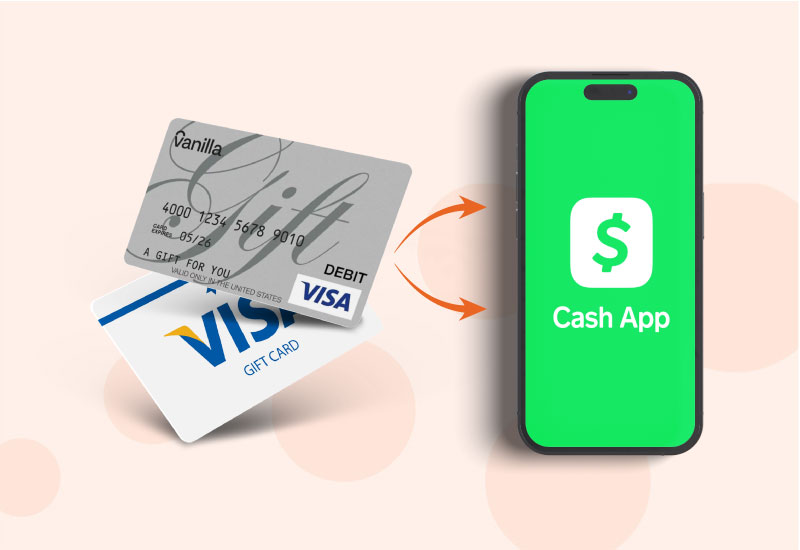
The primary reason to use a Cash App Card over a standard bank debit card lies in its unique rewards program, known as “Cash Boosts.” These are instant-savings offers that can significantly impact your monthly budgeting and overall financial health.
Leveraging Instant Discounts at Popular Merchants
Unlike traditional credit card rewards that require you to accumulate points over months and then redeem them through a complex portal, Cash Boosts are applied instantly at the point of sale. By selecting a “Boost” in the app before you tap your card, you can receive immediate discounts—often ranging from 5% to 15%—at major retailers, grocery stores, and restaurants. For the savvy financial planner, these boosts represent a form of “guaranteed return” on daily spending that is rarely matched by standard checking accounts.
Integrating Cash App into Your Monthly Budget
To truly utilize the Cash Card as a financial tool, one should consider it a component of their broader budgeting strategy. By “loading” a specific amount of “fun money” or “grocery money” onto your Cash App balance each month, the Cash Card acts as a modern version of the envelope budgeting system. Because you can only spend what is in your balance (unless you have linked a backup source), it provides a natural guardrail against overspending, while the real-time notifications keep you constantly aware of your remaining funds.
Security and Management: Protecting Your Assets
Financial tools are only as good as the security protecting them. The Cash App Card offers several sophisticated management features that empower the user to act as their own bank manager.
Managing Your PIN and Card Lock Features
Your Cash Card is protected by a PIN, which is usually the same as your Cash App PIN. However, the most powerful security tool is the “Lock Card” feature. In a world where data breaches are common, keeping your card locked when not in use is a proactive financial habit. If you are not planning on using your card for a few days, locking it ensures that even if your card details were skimmed at a gas station or leaked in a merchant database, your funds remain inaccessible.
Understanding Limits and Transaction History
A key part of business and personal finance is tracking where every dollar goes. Cash App provides a clean, searchable transaction history that categorizes your spending. Additionally, it is important to be aware of the card’s limits. Standard limits for withdrawals and spending exist to protect you from catastrophic loss in the event of theft. By monitoring these limits and your transaction history daily, you can catch unauthorized charges immediately, a task that is often much more cumbersome with traditional paper statements or legacy banking apps.
The Future of Personal Finance: Why a Cash Card Makes Sense Today
As we move toward a more decentralized financial future, the need for agile, low-cost, and high-utility tools becomes clear. The Cash App Card represents a shift away from the “hidden fees” model of traditional banking toward a more transparent, user-centric model.
Comparing Cash App to Traditional Banking Institutions
Traditional banks often charge monthly maintenance fees, overdraft fees, and minimum balance fees. Cash App, by contrast, offers the Cash Card with no monthly fees and no minimum balance requirements. For students, freelancers, or those in the “gig economy,” this lack of overhead is a significant financial advantage. While it may not yet replace a full-service bank for complex needs like mortgages or certificates of deposit, for daily transactional finance, it is a leaner and more efficient machine.
The Rise of the “Super App” in Financial Planning
The Cash Card is a gateway to the broader “super app” capabilities of Cash App, including the ability to invest in fractional stocks or purchase Bitcoin with your remaining balance. When you save money using a Cash Boost, that saved capital can be immediately pivoted into an investment—all within the same interface. This level of financial integration is the hallmark of modern wealth management. By getting a Cash App Card, you aren’t just getting a piece of plastic; you are gaining an entry point into a streamlined, high-speed financial ecosystem designed for the 21st century.
aViewFromTheCave is a participant in the Amazon Services LLC Associates Program, an affiliate advertising program designed to provide a means for sites to earn advertising fees by advertising and linking to Amazon.com. Amazon, the Amazon logo, AmazonSupply, and the AmazonSupply logo are trademarks of Amazon.com, Inc. or its affiliates. As an Amazon Associate we earn affiliate commissions from qualifying purchases.