
The search query “what time are Yankees playing today” is one of the most frequent entries in search engines during the baseball season. While it appears to be a simple question seeking a numerical answer, the delivery of that information represents a pinnacle of modern digital infrastructure. In an era where “real-time” is the baseline expectation, the technology required to bridge the gap between a stadium in the Bronx and a fan’s smartphone in Tokyo is a complex web of APIs, cloud computing, and sophisticated software engineering.
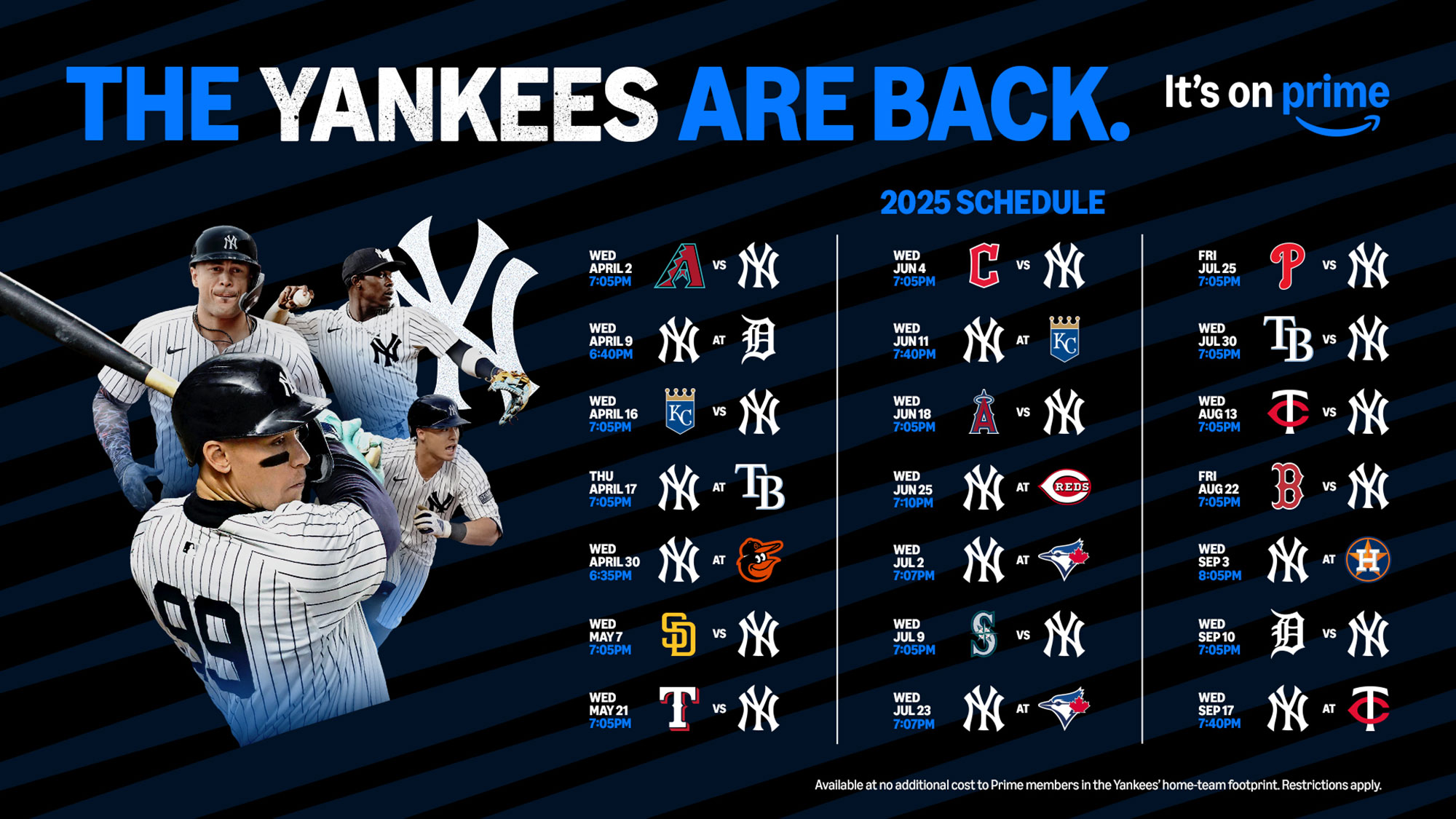
To understand how fans stay connected to the Pinstripes, we must look beyond the scoreboard and examine the technological ecosystem that powers sports scheduling, broadcasting, and fan engagement.
1. Real-Time Data Ecosystems: The Architecture Behind the Schedule
When a user types a query about game times, they aren’t just looking at a static calendar. They are accessing a dynamic data feed that is updated by the millisecond. This process relies on a robust backend architecture designed to handle millions of concurrent requests.
API Integration and the MLB Data Feed
At the heart of every sports app, search engine result, and news site is the MLB’s official data feed. Major League Baseball utilizes a centralized “Source of Truth” database. Through RESTful APIs (Application Programming Interfaces), this data is pushed to third-party developers, broadcasters, and tech giants like Google and Apple. These APIs provide not just the start time, but also metadata including the starting pitchers, weather delays, and roster changes.
The software architecture ensures that if a game is delayed by rain at 6:55 PM for a 7:05 PM start, the “What time” query reflects that change almost instantly across the globe. This level of synchronization requires high-availability servers and low-latency data transmission.
Search Engine Optimization and Knowledge Graphs
Google’s ability to show the Yankees’ schedule directly in the search results—without the user needing to click a website—is a result of advanced Knowledge Graph technology. The search engine uses AI-driven scrapers and direct data partnerships to categorize “The New York Yankees” as an “Entity.”
By understanding the relationship between the entity (the team) and the attribute (the game time), the search engine can provide a “Rich Snippet.” This is a triumph of semantic search technology, where the software understands the intent of the user’s question rather than just matching keywords.
2. The Evolution of Sports Streaming and Live Notifications
Gone are the days when fans had to wait for the evening news or check a physical newspaper to know when the Yankees were taking the field. The shift toward Over-The-Top (OTT) media services has revolutionized how the “game time” is communicated and consumed.
The Rise of OTT and Fragmented Broadcasting
Tracking a Yankees game today involves navigating a sophisticated landscape of streaming tech. From the YES Network’s app to Amazon Prime Video and Apple TV+, the scheduling information is embedded into digital rights management (DRM) systems. These platforms use geo-fencing technology to determine if a fan is in a “blackout” zone, using IP address tracking and GPS data to deliver the correct broadcast schedule for that specific user.
The technology behind these streams involves adaptive bitrate streaming, which ensures that even if a fan is checking the game time on a spotty 4G connection, the data loads efficiently.
Push Notifications and Edge Computing
For the modern fan, the question “what time are the Yankees playing” is often answered before it is even asked. Mobile applications like MLB At Bat use push notification services (FCM for Android or APNs for iOS) to send alerts.
This involves “Edge Computing,” where data is processed closer to the user to reduce latency. When a game time is confirmed or changed, the server sends a tiny packet of data to millions of devices simultaneously. The logic residing on the user’s device then triggers a local notification, often personalized based on the user’s time zone and previous engagement patterns.
3. Wearable Tech and Smart Home Integration
The democratization of information has moved from the desktop to the pocket, and now to the wrist and the living room. The technology used to track the Yankees has become ambient.

Smartwatches and Glancable Information
Apple Watch and Wear OS devices have changed the “Time to Game” (TTG) metric. Through “Complications”—small elements on a watch face—fans can see a countdown to the first pitch. This requires constant, low-energy background data syncing between the phone and the wearable.
Developers use “Background Refresh” protocols to ensure the watch face reflects the most current schedule without draining the battery. This is a delicate balance of software optimization, ensuring that the Yankee game time is always visible at a flick of the wrist.
Voice Assistants and Natural Language Processing (NLP)
“Hey Siri, what time do the Yankees play?” This interaction is a masterpiece of Natural Language Processing (NLP). The voice assistant must record the audio, convert it to text, identify “Yankees” as a sports team, and “play” as a query for a schedule.
The AI then queries a database, formats the answer into a natural sentence, and speaks it back to the user. This entire loop happens in under two seconds, relying on massive cloud-based neural networks that have been trained on millions of variations of sports-related queries.
4. Interactive Fan Experience and Stadium Tech
For those lucky enough to be heading to Yankee Stadium, the “game time” is just the beginning of a tech-heavy journey. The integration of software into the physical stadium experience is a hallmark of the modern sports era.
Digital Ticketing and NFC Technology
The Yankees have moved almost exclusively to digital ticketing. This relies on Near Field Communication (NFC) and encrypted QR codes. The “MLB Ballpark” app doesn’t just tell you the time of the game; it manages your entry, your seat location, and even your digital wallet. The security protocols involved—rotating barcodes to prevent fraud—ensure that the digital identity of the fan is protected from the moment they check the schedule until they pass through the turnstiles.
Augmented Reality (AR) and In-App Features
Modern sports apps are experimenting with AR to enhance the viewing experience. By pointing a phone camera at the field, fans can see real-time Statcast data—exit velocity, launch angle, and player speed—overlaid on the live action.
This tech requires massive computational power and 5G connectivity within the stadium. The “schedule” in this context becomes a gateway to an immersive data-driven environment, where the fan is not just a spectator but a consumer of high-level sports analytics.
5. The Future of AI in Predictive Scheduling and Insights
As we look toward the future, Artificial Intelligence (AI) and Machine Learning (ML) will play an even larger role in how we interact with the Yankees’ schedule.
Predictive Analytics and Dynamic Scheduling
Currently, game times are set months in advance. However, we are moving toward an era of “flexible scheduling” driven by AI. Algorithms can analyze viewership trends, team performance, and social media sentiment to suggest optimal game times for national broadcasts. This “Dynamic Scheduling” ensures that the most high-stakes games are played when they will receive the highest digital engagement.
Personalized AI Sports Concierges
In the near future, instead of searching “what time are the Yankees playing,” a fan might have an AI concierge that manages their entire sports life. Using ML, the software will know you have a meeting at 7:00 PM and will automatically record the game, silence your notifications to avoid spoilers, and provide a curated “spoiler-free” highlight reel the moment your meeting ends.
This level of personalization is the next frontier in sports tech, moving from reactive information (answering a search query) to proactive assistance (managing the fan experience).

Conclusion: The Invisible Infrastructure
The next time you search for the Yankees’ start time, take a moment to appreciate the invisible infrastructure that makes that number appear. It is a testament to the power of modern technology—a synergy of global data networks, sophisticated mobile software, and AI-driven platforms.
Whether it’s a 1:05 PM matinee or a 7:05 PM night game under the lights of the Bronx, the journey of that information is a home run of digital engineering. In the high-stakes world of New York baseball, technology is the ultimate utility player, ensuring that fans never miss a pitch.
aViewFromTheCave is a participant in the Amazon Services LLC Associates Program, an affiliate advertising program designed to provide a means for sites to earn advertising fees by advertising and linking to Amazon.com. Amazon, the Amazon logo, AmazonSupply, and the AmazonSupply logo are trademarks of Amazon.com, Inc. or its affiliates. As an Amazon Associate we earn affiliate commissions from qualifying purchases.